




























How Daily Habits Shape Hair Health More Than Treatments
Hair health isn’t determined by the occasional mask or salon visit. It’s shaped by the small, repetitive habits you practice every single day — often without realizing their impact.
Why Consistency Beats Intensity
Treatments are powerful, but they’re infrequent. Daily habits, on the other hand, apply constant pressure or protection to hair.
Hair responds more to what it experiences repeatedly than to what it receives occasionally. This is why two people using the same products can see very different results.
The Cumulative Effect of Everyday Actions
Hair damage rarely comes from one mistake. It builds through patterns.
Common daily stressors include:
-
Brushing hair aggressively
-
Sleeping on rough surfaces
-
Wearing tight styles for long hours
-
Detangling dry hair
-
Frequent friction from clothing and accessories
Individually, these seem harmless. Together, they quietly reshape hair’s condition.
Why Treatments Can’t Undo Daily Damage
Masks and serums work within limits. They can smooth, soften, and strengthen — but they can’t fully compensate for ongoing mechanical stress.
When damaging habits continue, treatments become a temporary fix rather than a long-term solution.
Hair Thrives in Low-Stress Environments
Healthy hair requires an environment that protects its structure.
This means:
-
Reduced friction
-
Minimal tension
-
Gentle handling
-
Supportive surfaces
When hair isn’t constantly defending itself, it retains moisture, elasticity, and strength more naturally.
The Role of Tools and Materials
The tools you use daily matter more than you think.
Rough brushes, rigid accessories, and abrasive fabrics increase:
-
Cuticle disruption
-
Breakage at stress points
-
Moisture loss
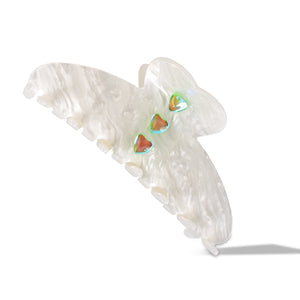
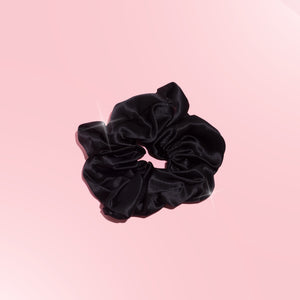
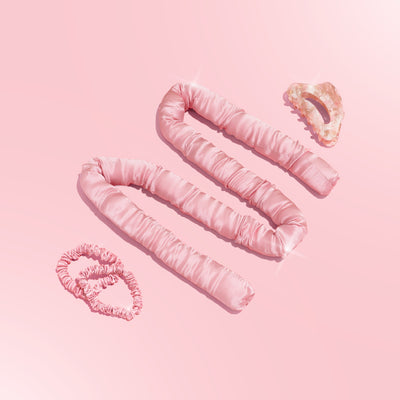
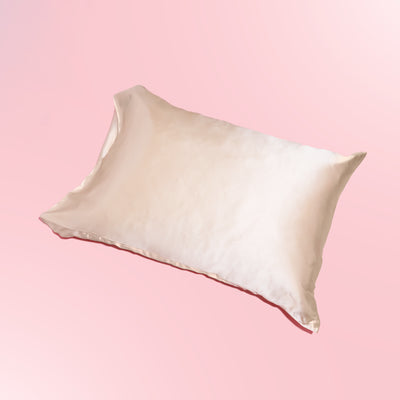
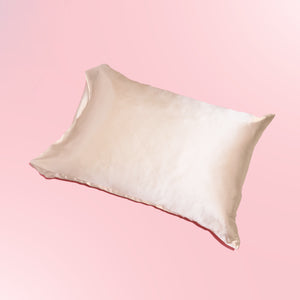
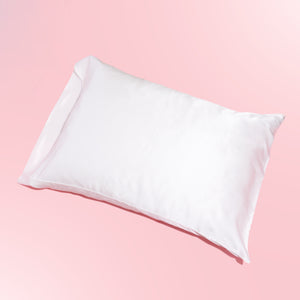
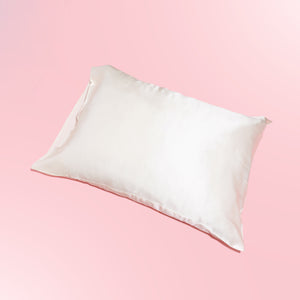
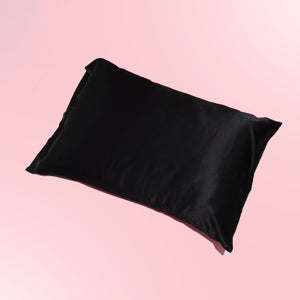
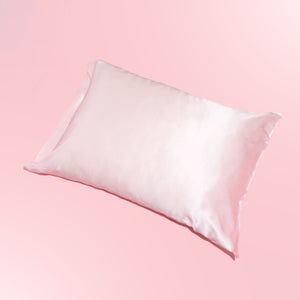
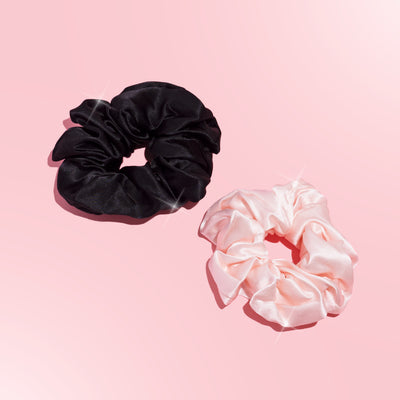
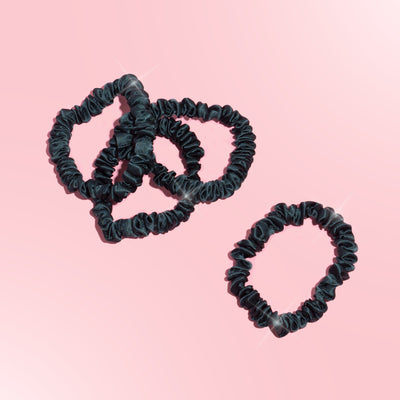
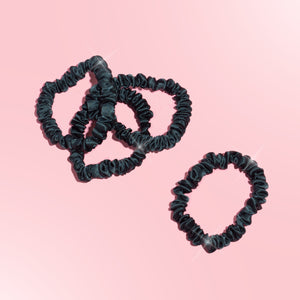
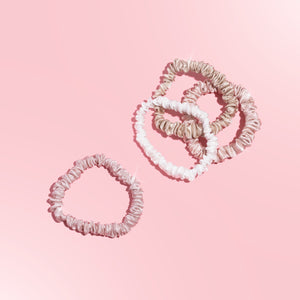
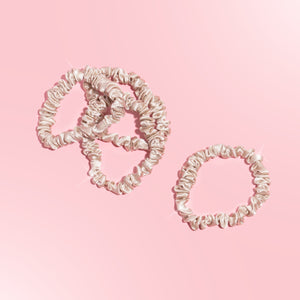
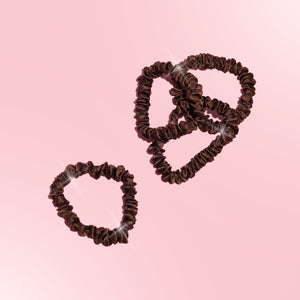
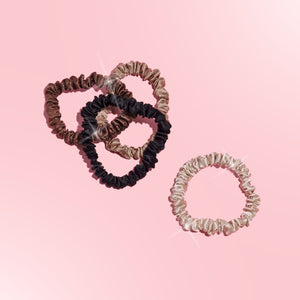
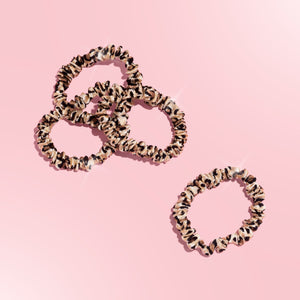
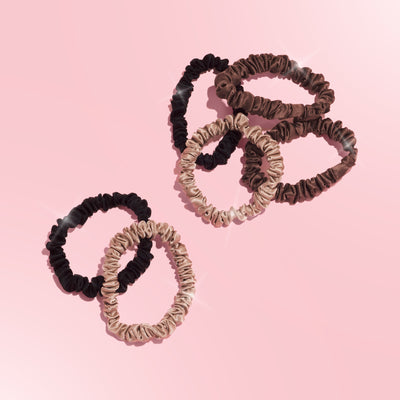
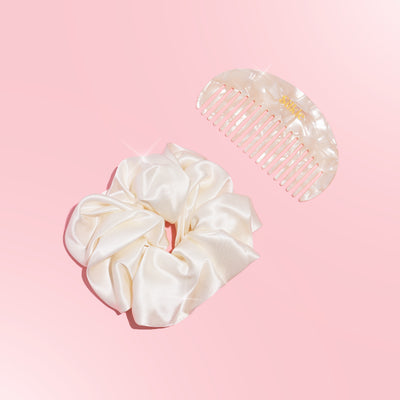
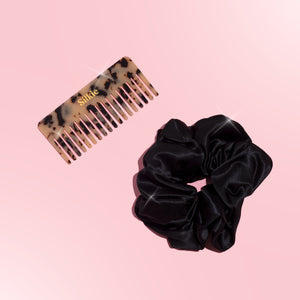
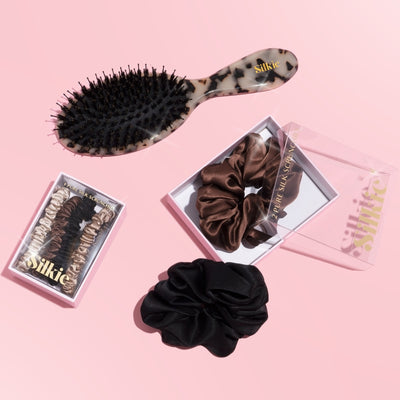
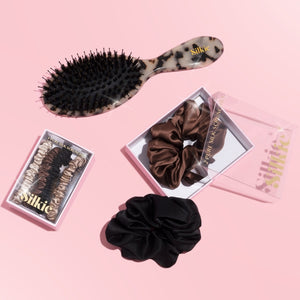
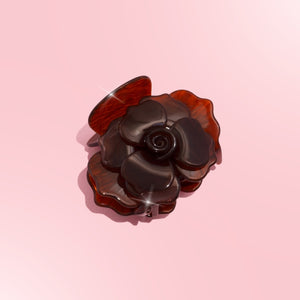
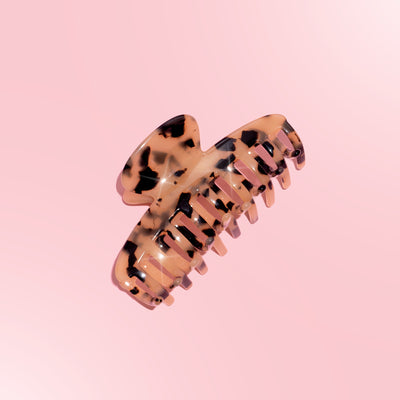
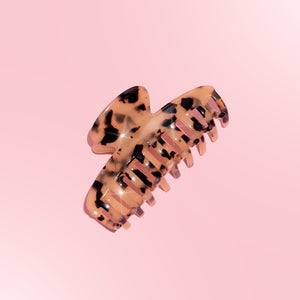
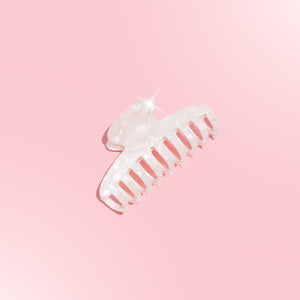
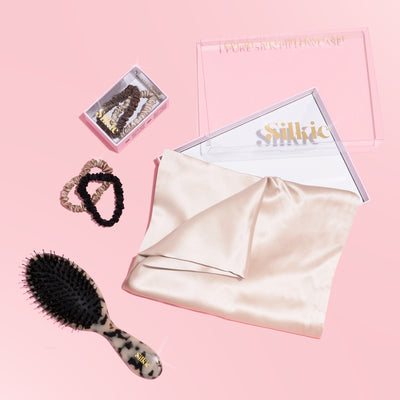
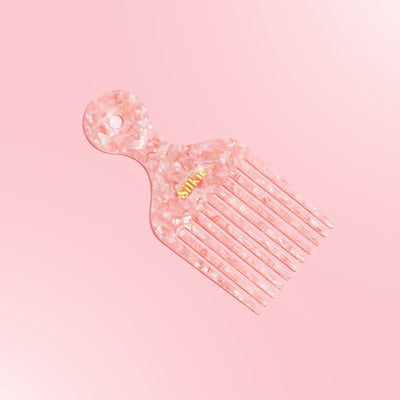
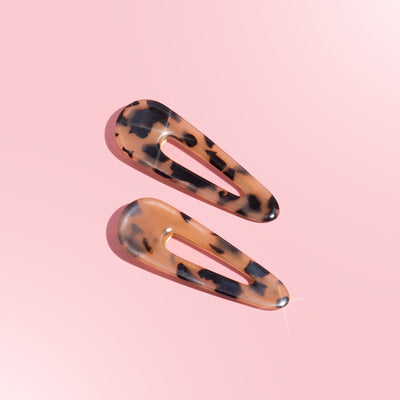
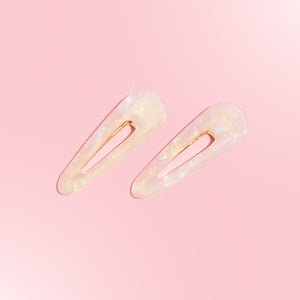
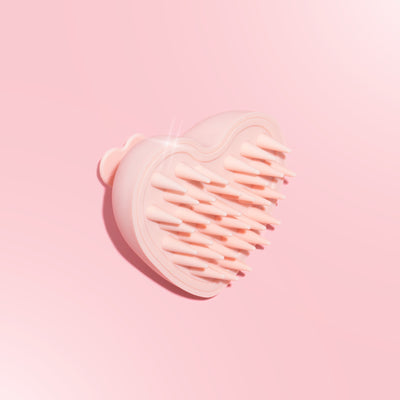
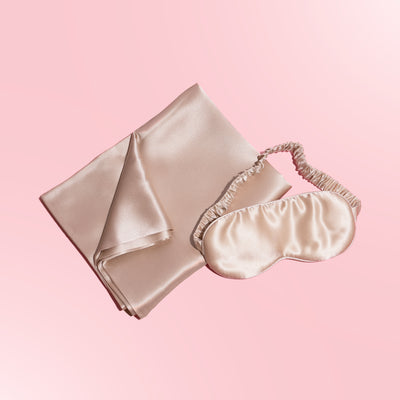
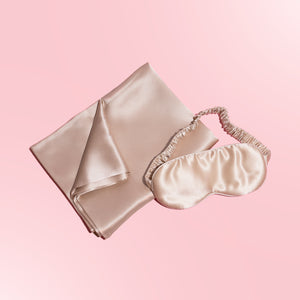
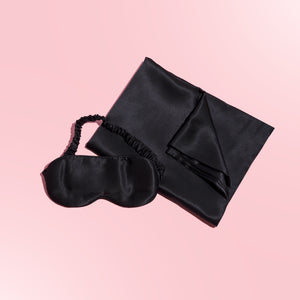
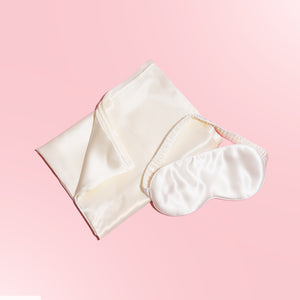
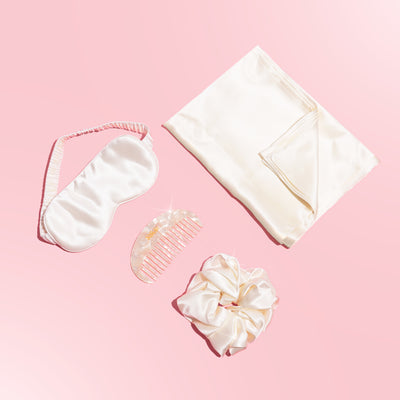
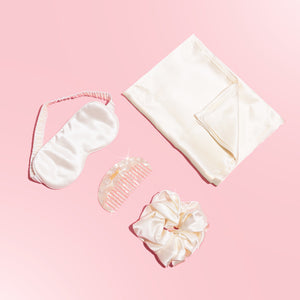
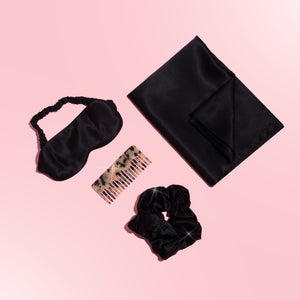
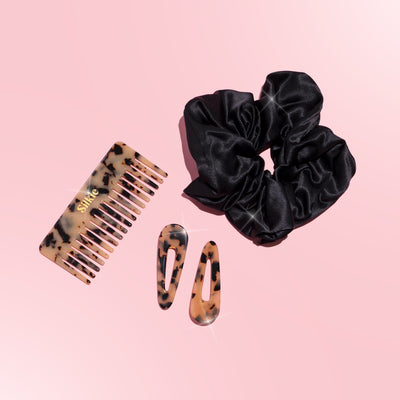
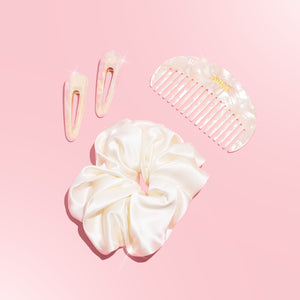
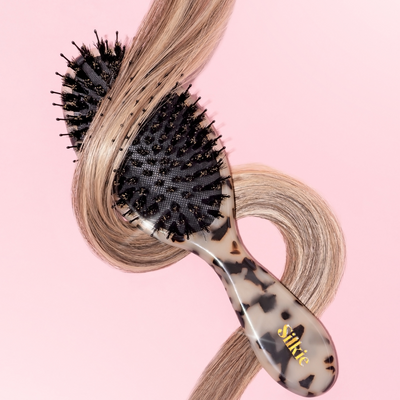
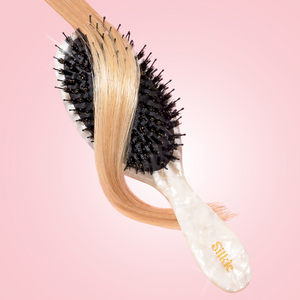
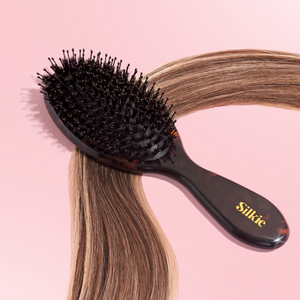
Upgrading to gentler options — like smooth combs, silk scrunchies, and silk pillowcases — helps remove unnecessary stress from hair’s daily routine.
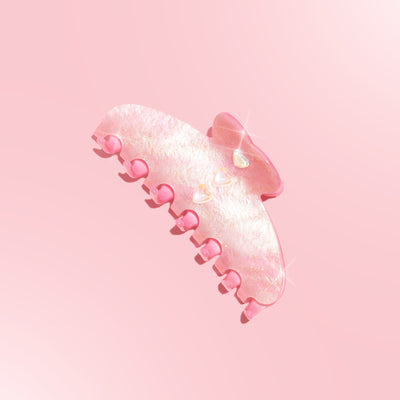
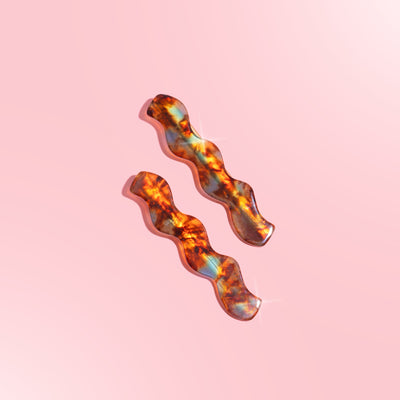
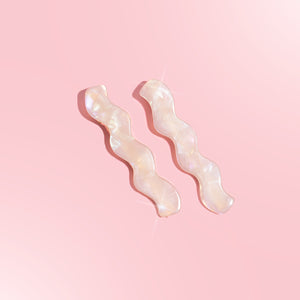
Silkie designs its hair tools and silk accessories with everyday use in mind, focusing on minimizing damage rather than masking it.
Nighttime Habits Matter Just as Much
Sleep is when hair should recover — not deteriorate.
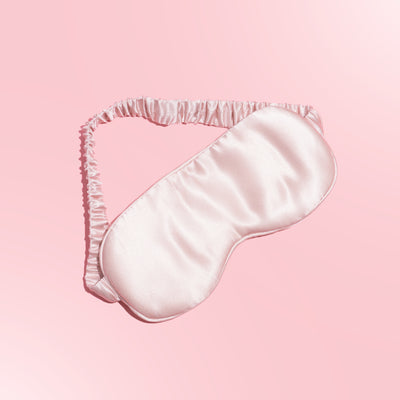
Nighttime friction, tight styles, and moisture-absorbing fabrics can undo the benefits of daytime care. Small adjustments, like loosening hair before bed and sleeping on silk, allow hair to reset.
Less Effort, Better Results
The most effective haircare routines often look simple.
When habits support hair health:
-
Styling becomes easier
-
Products perform better
-
Breakage slows
-
Hair feels more resilient
This is why modern haircare emphasizes prevention over repair.
Redefining What “Good Haircare” Means
Good haircare isn’t about chasing the next treatment. It’s about choosing habits that align with hair’s natural needs.
When daily actions work with your hair instead of against it, long-term results follow — quietly and consistently.
To explore hair tools designed for everyday protection, visit www.shopsilkie.com.