











How Environmental Stress Affects Hair Over Time
Hair isn’t damaged by one bad day. It’s shaped by constant exposure to its surroundings — sunlight, pollution, humidity, and friction — all of which quietly influence its strength and appearance over time.
What Environmental Stress Really Means for Hair
Environmental stress refers to external factors that weaken hair gradually, not immediately.
These include:
-
UV exposure
-
Air pollution
-
Wind and dust
-
Humidity fluctuations
-
Temperature changes
Unlike heat styling or chemical treatments, environmental stress works slowly — often unnoticed until hair feels dry, brittle, or thinner.
How UV Exposure Weakens Hair Structure
Sunlight doesn’t just affect skin. UV rays penetrate the hair shaft, breaking down proteins that give hair its strength.
Over time, this leads to:
-
Faded color
-
Reduced elasticity
-
Increased dryness
-
Greater breakage risk
Hair exposed daily without protection becomes more vulnerable to other forms of damage.
Pollution and Particulate Buildup
Air pollution deposits microscopic particles onto hair and scalp. These particles:
-
Interfere with moisture retention
-
Increase friction between strands
-
Contribute to dullness and rough texture
When buildup accumulates, hair becomes harder to manage and more prone to damage during brushing and styling.
Humidity and Moisture Imbalance
Fluctuating humidity disrupts hair’s internal moisture balance.
High humidity causes hair to absorb excess moisture, lifting cuticles and creating frizz. Low humidity pulls moisture out, leaving hair dry and brittle.
Constant shifts weaken the cuticle’s ability to regulate itself.
Wind, Movement, and Mechanical Stress
Environmental movement matters more than most realize.
Wind causes strands to rub against each other and surrounding surfaces, increasing:
-
Friction
-
Tangling
-
Cuticle wear
Over time, this mechanical stress compounds other environmental damage.
Why Protection Matters More Than Repair
Environmental damage is ongoing. Repair-based routines struggle when exposure continues daily.
Preventative protection helps:
-
Maintain cuticle integrity
-
Preserve moisture balance
-
Reduce friction-related wear
This is where everyday choices — not just products — make a lasting difference.
The Role of Silk in Environmental Protection
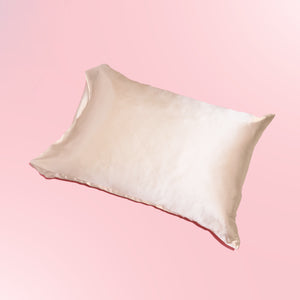
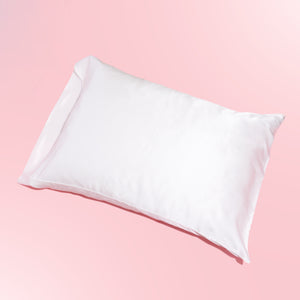
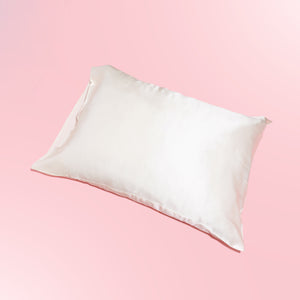
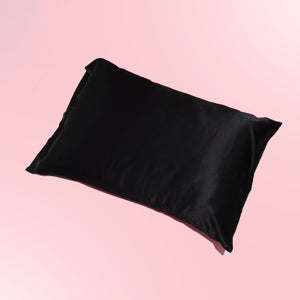
Silk creates a controlled, low-friction environment for hair.
Because silk fibers are smooth and non-absorbent, they help hair:
-
Retain moisture
-
Reduce surface roughness
-
Minimize damage during rest and movement
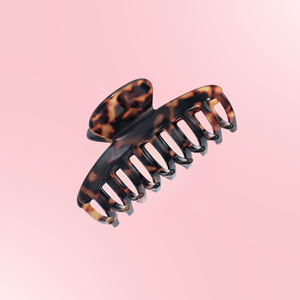
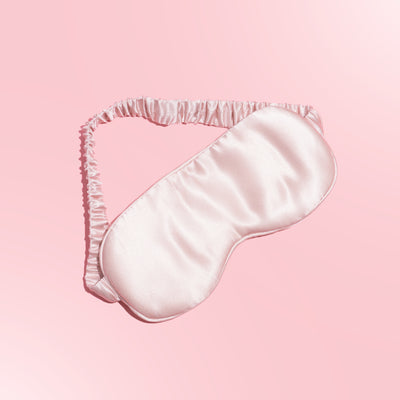
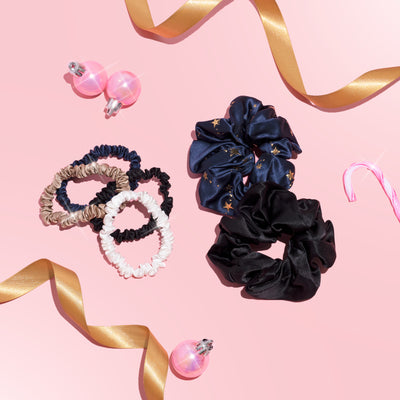
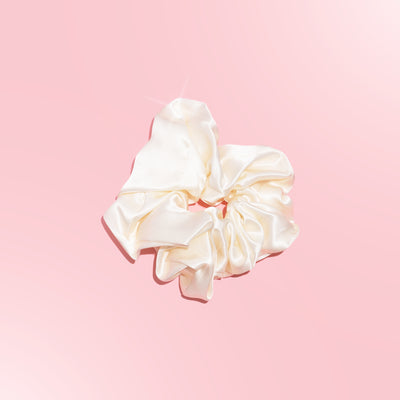
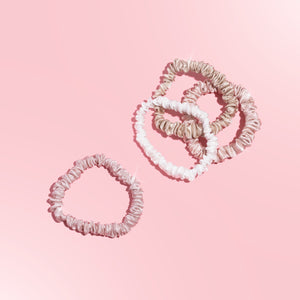
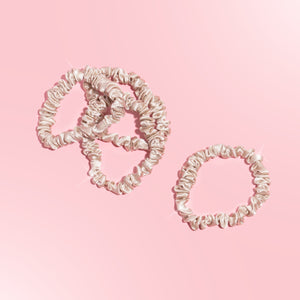
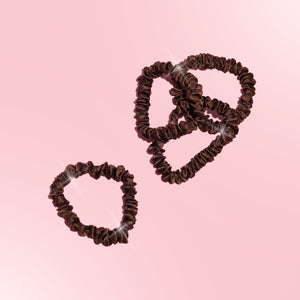
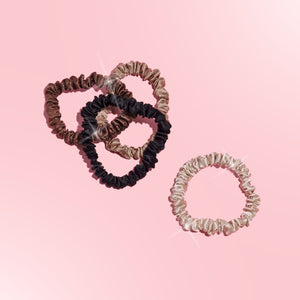
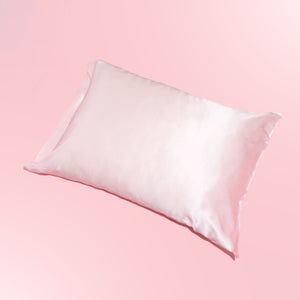
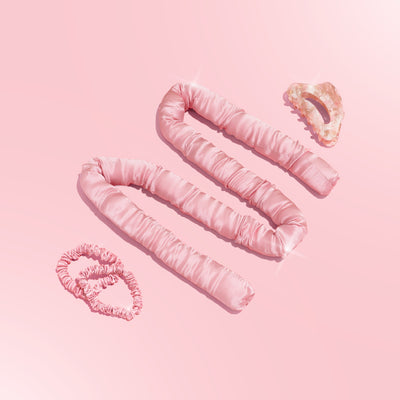
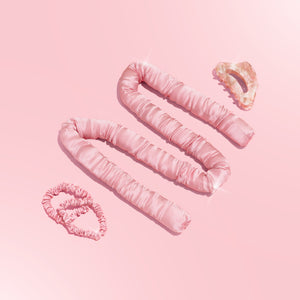
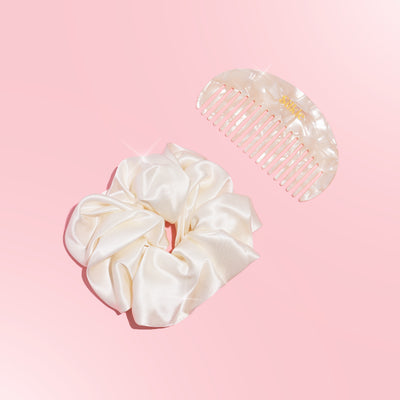
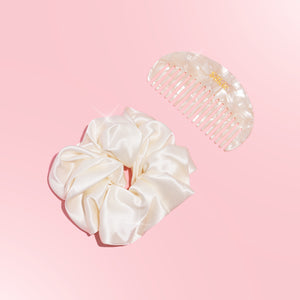
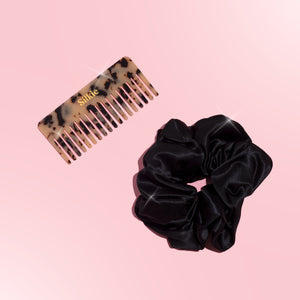
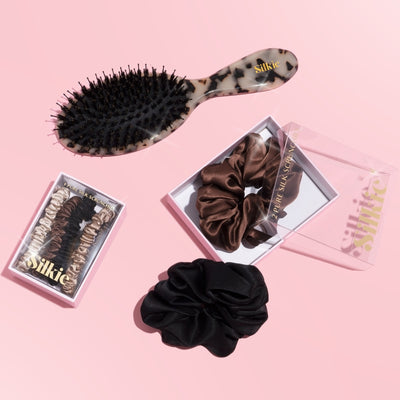
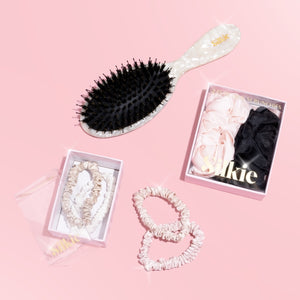
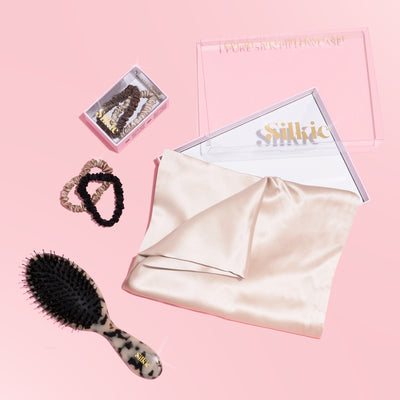
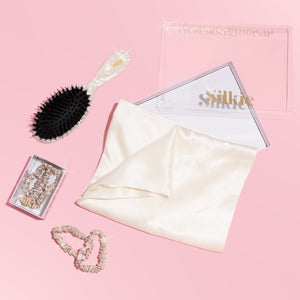
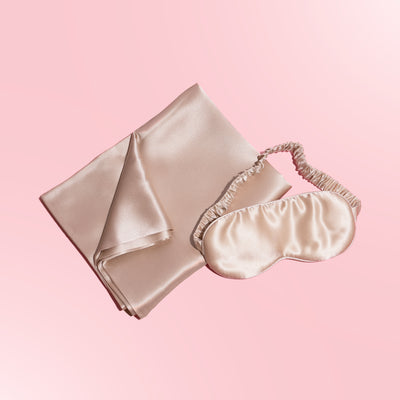
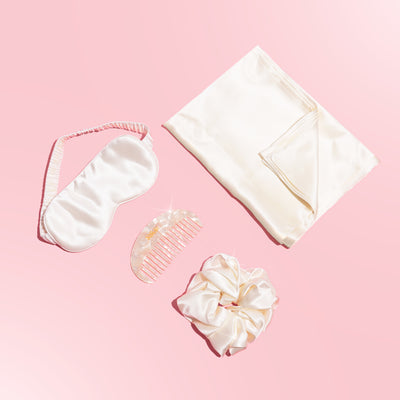
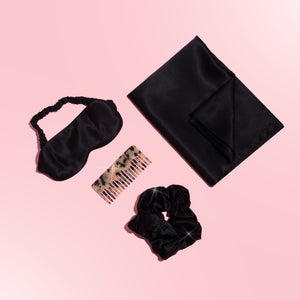
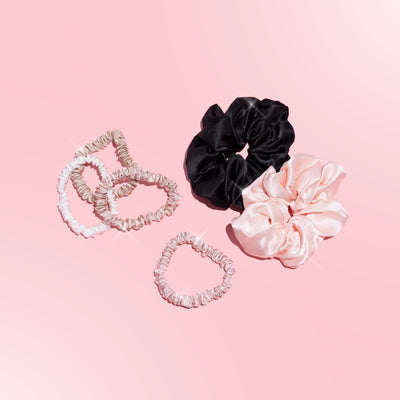
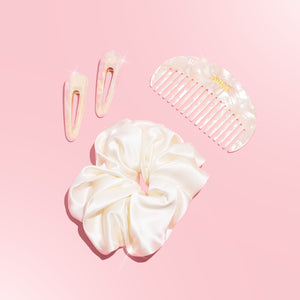
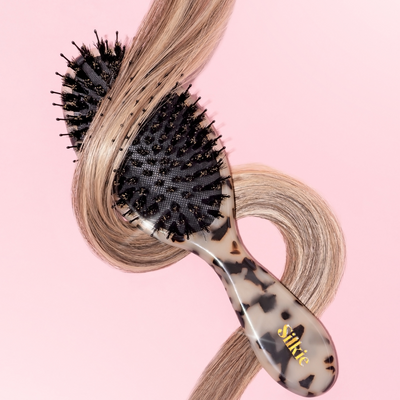
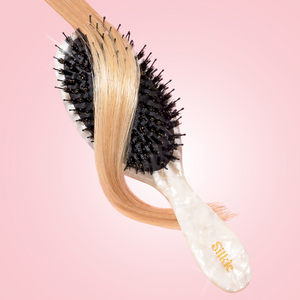
Silkie’s silk pillowcases and accessories support hair recovery from daily environmental exposure, especially overnight when hair should be resting, not deteriorating.
Nighttime as a Recovery Window
Night is when hair has the chance to reset.
If hair continues to face friction and moisture loss during sleep, environmental stress accumulates faster. Using smoother sleep surfaces allows hair to recover from the day’s exposure.
Long-Term Impact of Environmental Awareness
When environmental stress is managed:
-
Hair feels stronger
-
Texture becomes more consistent
-
Breakage slows
-
Styling requires less effort
These improvements build gradually — but last.
Creating a Protective Hair Environment
Hair health isn’t just about what you apply. It’s about what you shield hair from.
By minimizing environmental stressors and choosing tools and fabrics that protect hair daily, you create conditions for long-term strength and resilience.
To explore silk tools designed to support hair against everyday stressors, visit www.shopsilkie.com.