







How Everyday Surfaces Affect Hair More Than You Think
When people think about hair damage, they often focus on heat styling, coloring, or hair products. However, one of the most overlooked influences on hair health is something you encounter every day: the surfaces your hair touches. From pillowcases and clothing to office chairs and car seats, these everyday contact points can create friction that gradually affects your hair's smoothness, strength, and manageability.
Your Hair Is Constantly in Contact With Surfaces
Throughout the day, your hair comes into contact with far more surfaces than you may realize.
These include:
- Pillowcases
- Clothing
- Towels
- Upholstered furniture
- Car headrests
- Scarves and jackets
Each point of contact creates friction, and over time, that friction can impact the condition of your hair.
While a single interaction may seem insignificant, thousands of small interactions occur every week.
Why Friction Matters for Hair Health
Friction occurs whenever two surfaces rub against one another.
For hair, this can lead to:
- Raised cuticles
- Increased tangling
- Frizz and flyaways
- Reduced smoothness
- Greater susceptibility to breakage
The more friction hair experiences, the more difficult it can become to maintain a smooth and polished appearance.
Your Pillowcase Is One of the Biggest Hair Contact Points
Few surfaces affect your hair as consistently as your pillowcase.
Most people spend around seven to eight hours sleeping each night, which means their hair remains in contact with bedding for extended periods.
During sleep, hair experiences:
- Continuous movement
- Pressure from sleeping positions
- Repeated rubbing against fabric
This is one reason why hair may look significantly different in the morning compared to before bed.
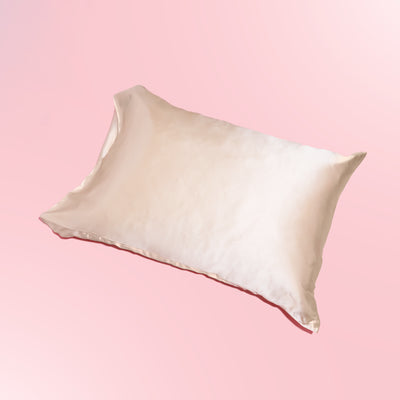
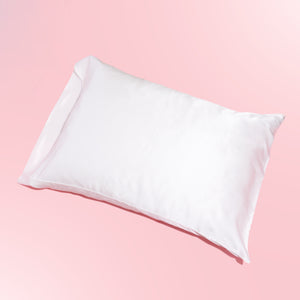
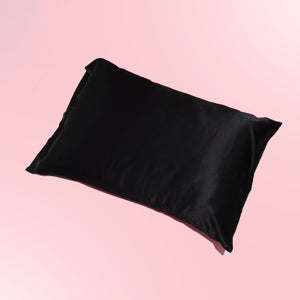
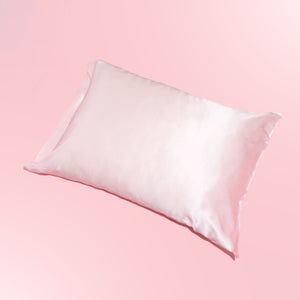
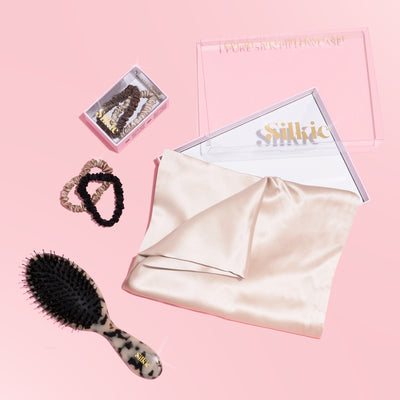
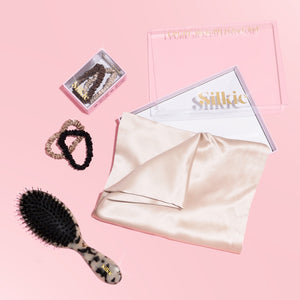
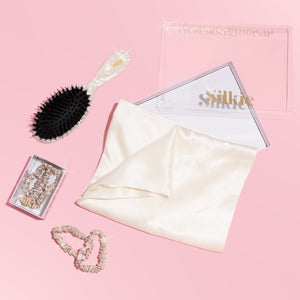
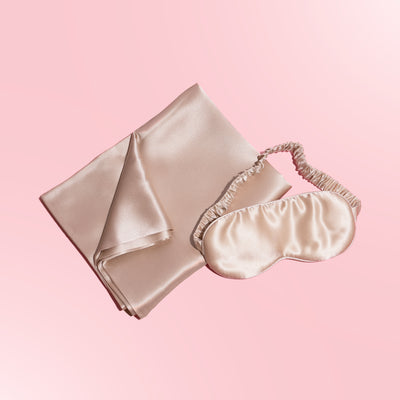
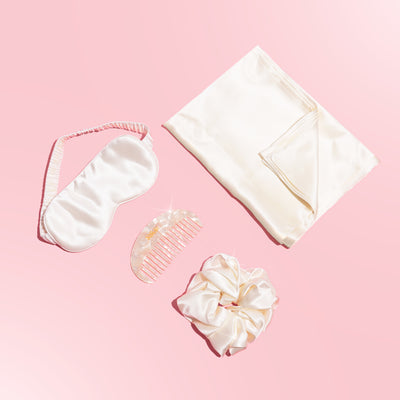
Silkie's mulberry silk pillowcases are designed to provide a smoother surface for hair, helping reduce the friction that can contribute to overnight frizz and tangling.
Clothing Can Create More Friction Than You Expect
Long hair frequently rubs against clothing throughout the day.
Certain garments create more contact than others, including:
- Hoodies
- Sweaters
- Scarves
- Jackets
- High-neck tops
As hair repeatedly brushes against these fabrics, the cuticle can become roughened, making hair feel less smooth and more prone to tangling.
Car Seats and Office Chairs Play a Role Too
Many people spend hours sitting in the same position each day.
Hair resting against:
- Car headrests
- Office chairs
- Sofas
- Dining chairs
experiences constant pressure and movement.
Over time, these contact points can contribute to flattening, frizz, and general texture changes, particularly at the back of the head.
Towels Can Influence Hair Texture After Washing
Hair is especially vulnerable when wet.
Traditional towel drying can create friction that:
- Disturbs the cuticle
- Increases roughness
- Contributes to tangling
The way hair is handled immediately after washing can affect how smooth it remains throughout the day.
Gentle handling during drying helps reduce unnecessary stress on the strands.
Surface Friction Can Lead to More Tangles
Tangles don't always start because hair is damaged.
They often begin because friction causes strands to move in different directions and become intertwined.
When friction increases:
- Strands lose alignment
- Hair catches on itself more easily
- Knots form more frequently
The result is more time spent detangling and a higher risk of breakage during brushing.
Curly and Coily Hair Often Feel the Effects More Strongly
Curly and coily hair naturally contains more bends and twists along each strand.
Because of this structure, textured hair often experiences:
- More strand-to-strand friction
- Greater moisture loss
- Faster disruption of curl patterns
Reducing contact-based friction can help curls maintain better definition and consistency between styling sessions.
Why Smooth Surfaces Help Hair Stay Smoother
The smoother the surface, the less resistance hair encounters.
Reduced friction helps:
- Maintain cuticle alignment
- Preserve shine
- Minimize frizz
- Support easier detangling
This is why many haircare routines focus on replacing rough contact points with gentler alternatives whenever possible.
Hair Accessories Are Contact Points Too
It's not just fabrics that affect your hair.
Hair accessories interact directly with strands every day.
Traditional elastics can create:
- Localized tension
- Repeated pressure points
- Increased friction where hair is secured
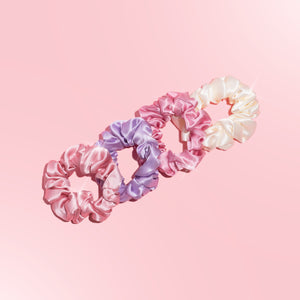
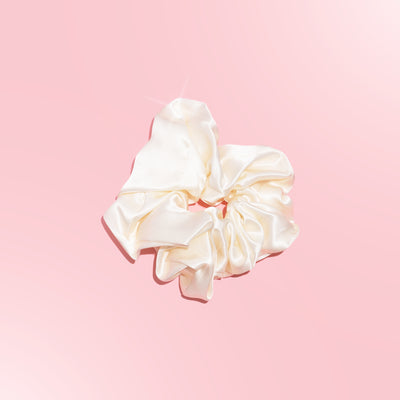
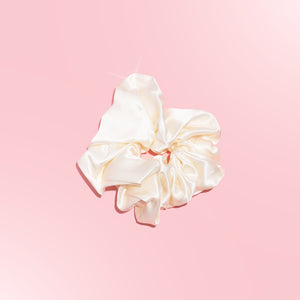
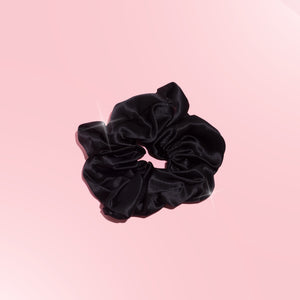
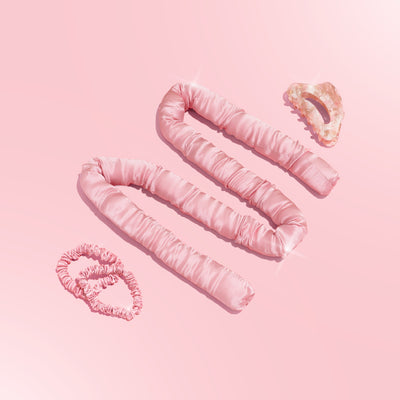
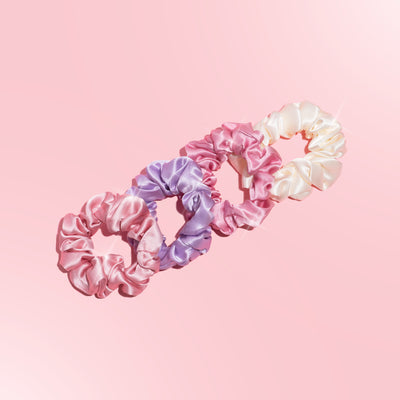
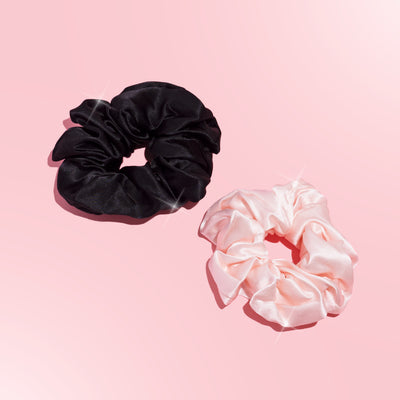
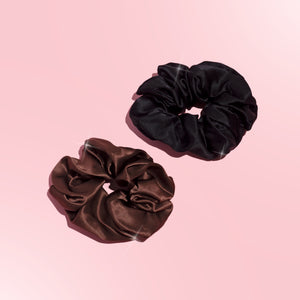
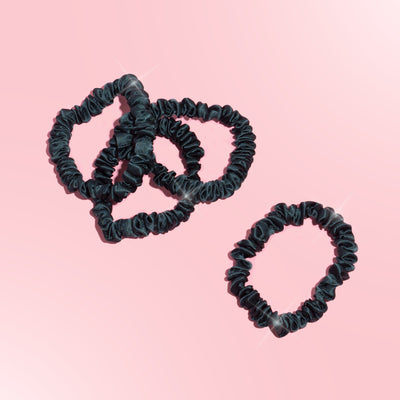
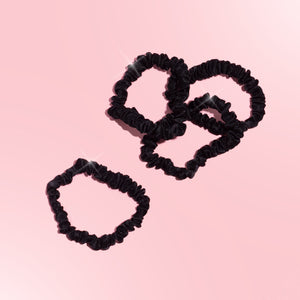
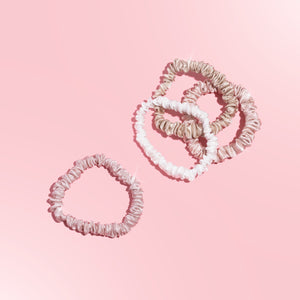
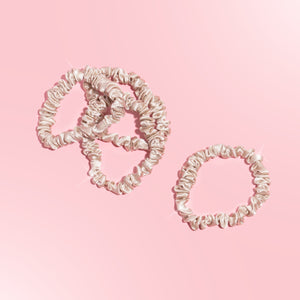
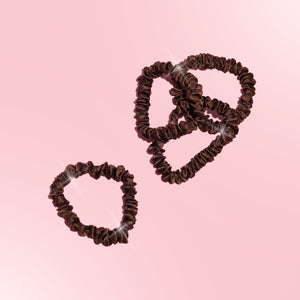
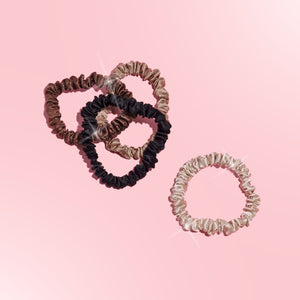
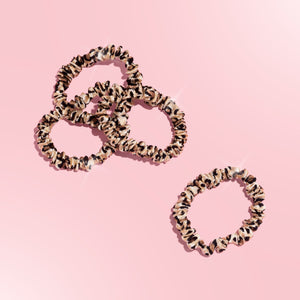
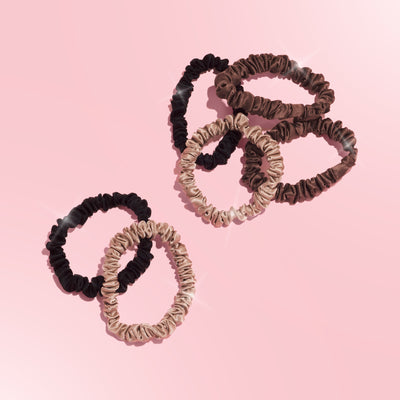
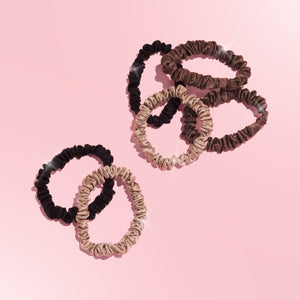
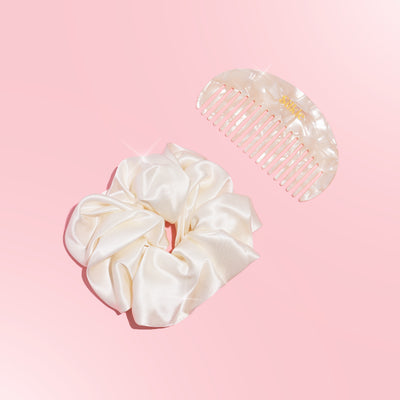
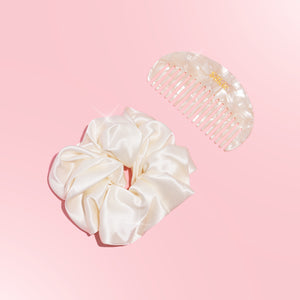
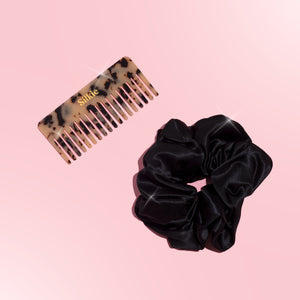
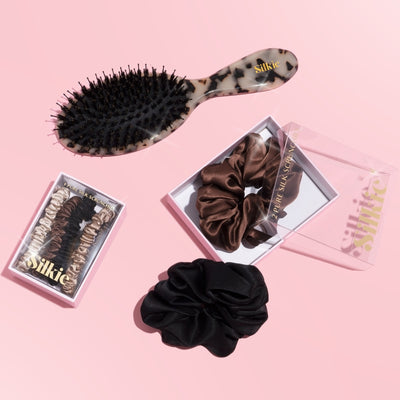
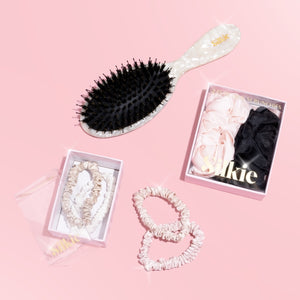
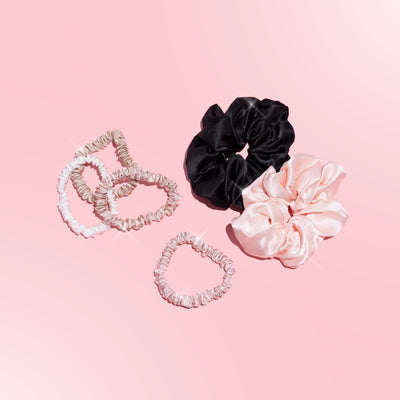
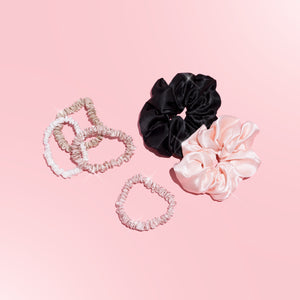
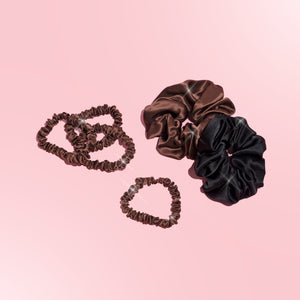
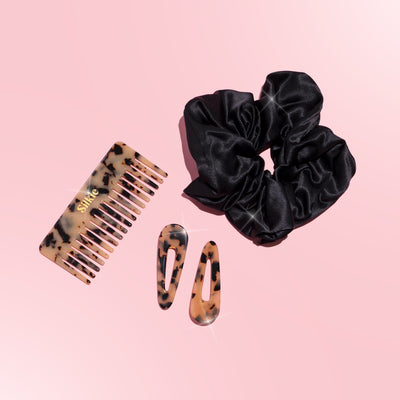
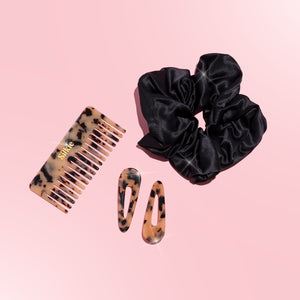
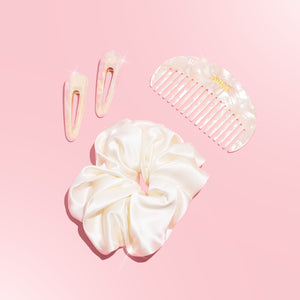
Silkie's silk scrunchies help reduce these stress points by providing a smoother, gentler hold that minimizes unnecessary strain on the hair.
Building a Lower-Friction Haircare Routine
Reducing friction doesn't require a complicated routine.
Simple changes can make a meaningful difference, including:
- Sleeping on silk pillowcases
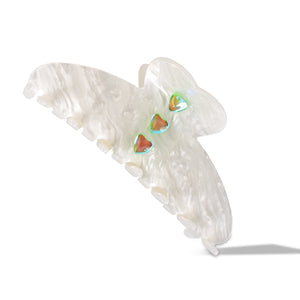
- Using gentle hair accessories
- Detangling with care
- Limiting unnecessary manipulation
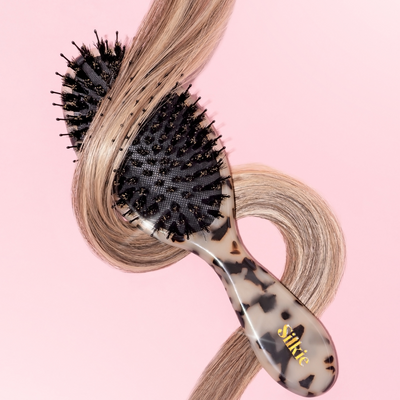
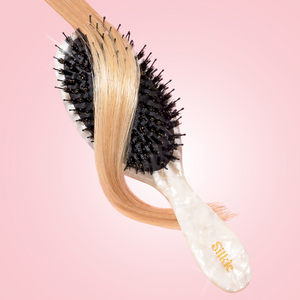
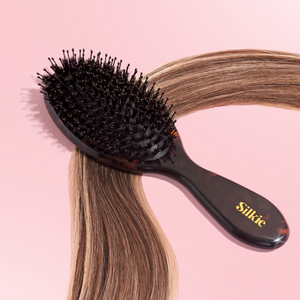
Silkie's hair brush is designed to reduce pulling during detangling, helping support smoother hair while minimizing additional friction.
The Little Things Add Up
Most hair damage isn't caused by one dramatic event. Instead, it develops gradually through everyday habits and repeated contact with surfaces.
By paying attention to where your hair spends its time and reducing unnecessary friction, you can help maintain smoother, healthier-looking hair over the long term.
Create a Lower-Friction Hair Routine With Silkie
From the pillowcase you sleep on to the accessories you wear throughout the day, everyday surfaces have a bigger impact on hair than most people realize. Reducing friction at these contact points can help improve manageability, reduce breakage, and support healthier-looking hair over time.
Silkie's collection of mulberry silk pillowcases, silk scrunchies, and gentle hair tools is designed to help minimize daily hair stress from morning to night.
Explore the full collection at www.shopsilkie.com and discover how a smoother routine can support better hair every day.
SHOP OUR SILKIE PRODUCTS
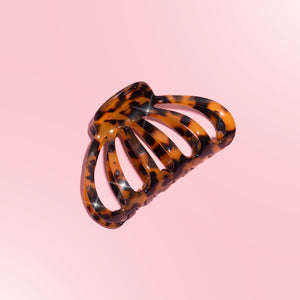
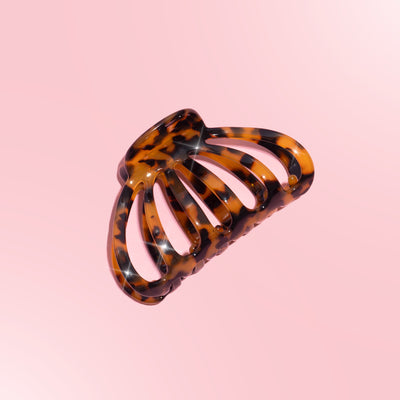
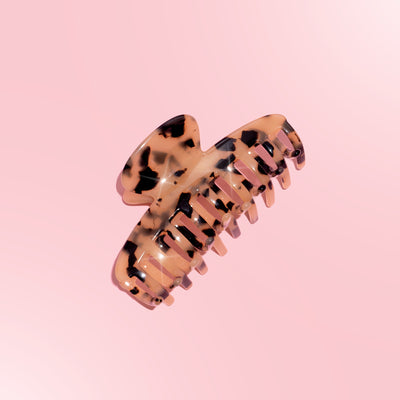
The Acetate Resin Butterfly Claw Clip in Tortoiseshell
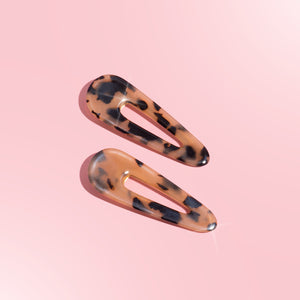
The Hair Slides

Individual Silkie scrunchie (Colour may vary)
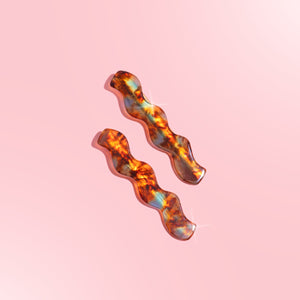
The Wave Hair Slides
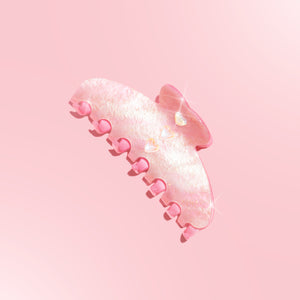
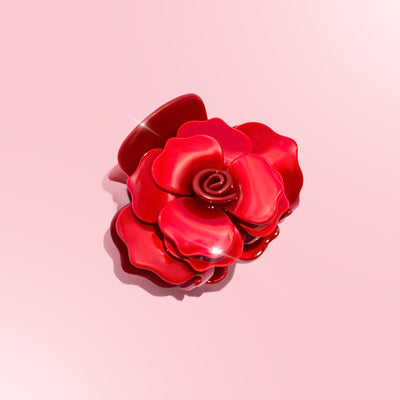
Love Valentine's Acetate Hair Clip
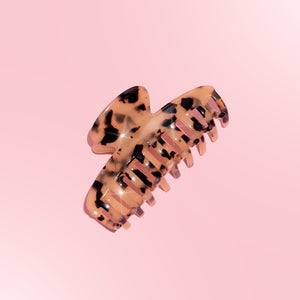
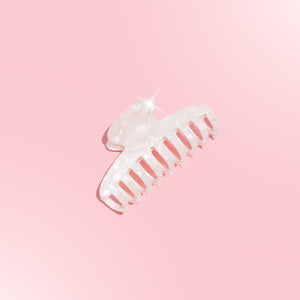
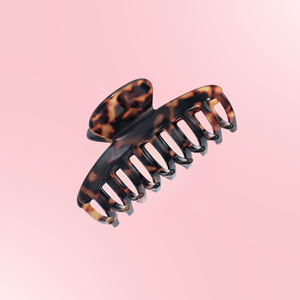
The Classic Claw Clip

The Creaseless Hair Slides

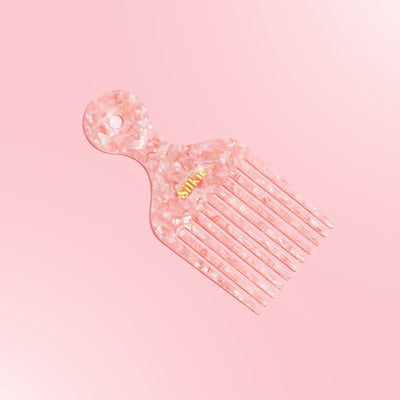
The Detangling Comb

Glow Drops Perfumed Hair Oil