









How Hair Responds to Repeated Stress Over Time
Hair doesn’t usually break from a single event — it changes gradually through repeated exposure to stress. Daily habits like brushing, tying, friction, and styling may seem minor on their own, but over time, they reshape how your hair looks, feels, and behaves. Understanding this slow buildup is key to preventing long-term damage.
Hair Is Strong — But Not Indestructible
Each strand of hair is flexible and resilient, designed to handle some level of tension and movement.
But that resilience has limits.
When hair is exposed to repeated stress without enough recovery time, it begins to:
- Lose elasticity
- Weaken at specific points
- Become more prone to breakage
The issue isn’t one action — it’s repetition without relief.
What Counts as “Repeated Stress”?
Repeated stress comes from everyday habits, including:
- Brushing and detangling
- Tying hair in the same position
- Friction from fabrics and surfaces
- Constant handling or restyling
- Tight or structured hairstyles
These actions aren’t inherently damaging — but doing them the same way, in the same areas, every day creates cumulative strain.
Stage 1: Subtle Cuticle Wear
The first signs of repeated stress happen on the outer layer of the hair — the cuticle.
At this stage:
- The cuticle lifts slightly
- Hair loses some smoothness
- Shine begins to fade
- Frizz becomes more noticeable
This phase is often overlooked because the damage isn’t dramatic yet.
Stage 2: Reduced Flexibility
As stress continues, the internal structure of the hair begins to change.
Hair becomes:
- Less elastic (doesn’t stretch and bounce back as easily)
- More rigid in texture
- Harder to style or reshape
At this point, hair is more vulnerable to snapping under tension.
Stage 3: Weak Points Form
Repeated stress usually affects the same areas.
This leads to:
- Breakage at consistent spots
- Shorter strands around high-contact zones
- Thinning in specific sections
These weak points develop because the same parts of the hair are absorbing the most stress daily.
Stage 4: Visible Breakage and Texture Changes
Over time, accumulated damage becomes more obvious.
You may notice:
- Increased breakage
- Rough or uneven texture
- More tangles forming easily
- Ends appearing thinner or frayed
At this stage, the effects of repeated stress are no longer subtle.
Why Hair Doesn’t “Recover” Automatically
Unlike skin, hair doesn’t repair itself once damaged.
That means:
- Cuticle wear is permanent
- Weak points remain unless trimmed
- Breakage continues if habits don’t change
Prevention becomes more important than repair.
The Role of Friction and Tension
Two of the biggest contributors to repeated stress are:
- Friction → from surfaces, tools, and movement
- Tension → from tight styles and pulling forces
When combined, they accelerate damage by affecting both the surface and internal structure of the hair.
How to Interrupt the Damage Cycle
Reducing repeated stress doesn’t require eliminating styling — just adjusting how often and how intensely stress is applied.
Rotate Stress Points
Avoid placing tension in the same area every day. Changing styles helps distribute force more evenly.
Lower Friction in Daily Routines
Smoother materials reduce cuticle wear during contact.
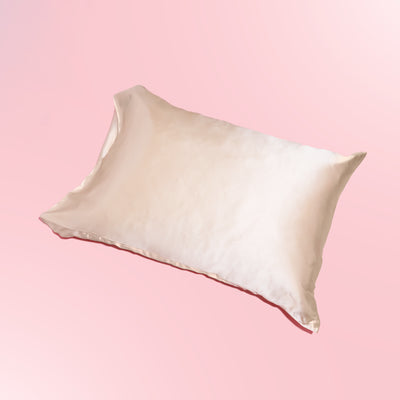
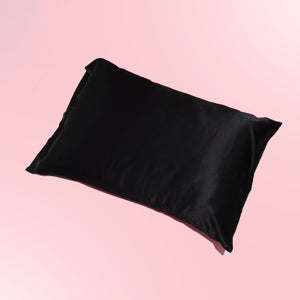
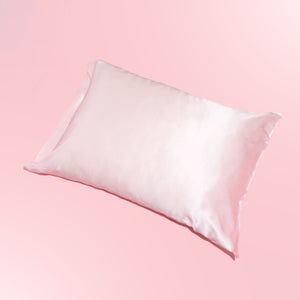
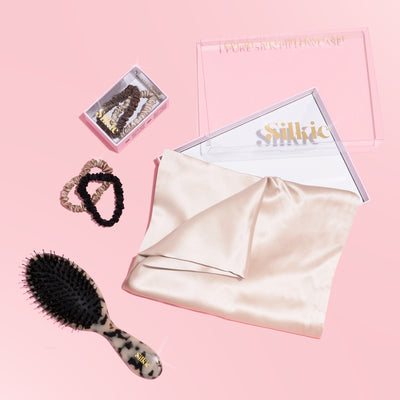
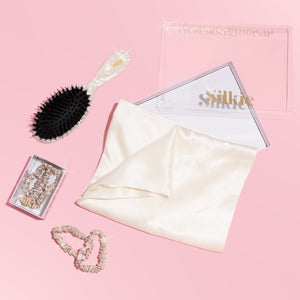
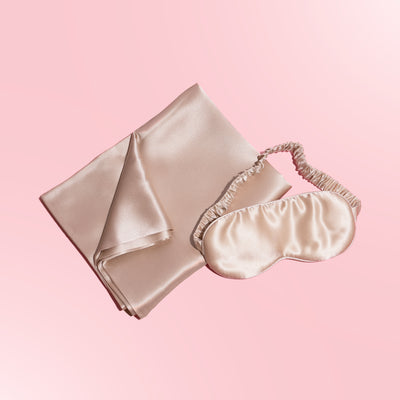
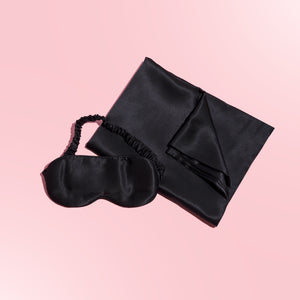
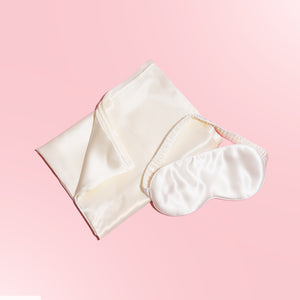
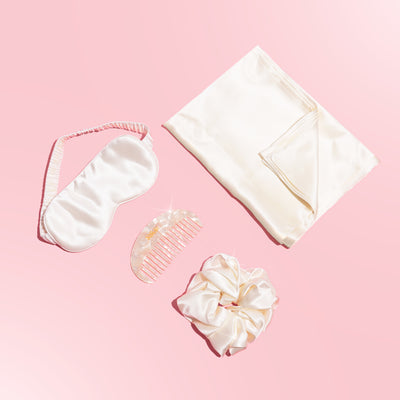
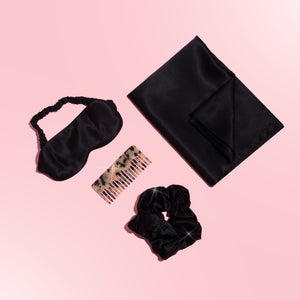
Silkie’s mulberry silk pillowcases are designed to minimize friction, helping hair glide more easily during sleep.
Use Gentle Tools
Tools that reduce pulling help limit repeated strain during detangling.
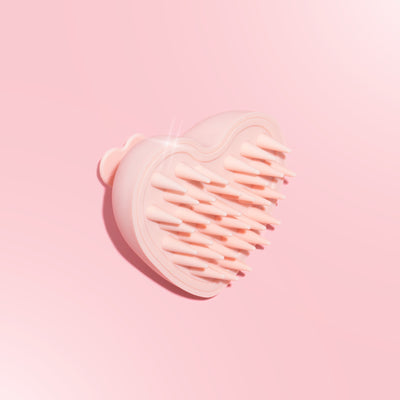
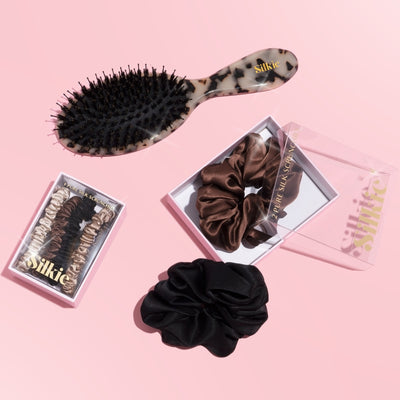
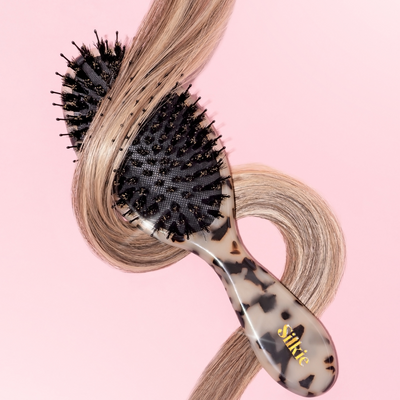
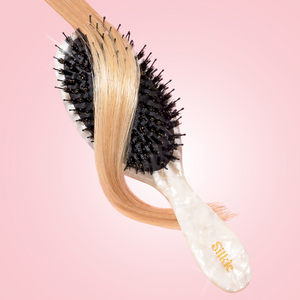
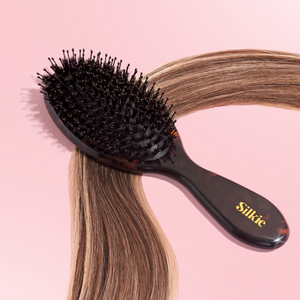
Silkie’s hair brush is designed to detangle smoothly while minimizing unnecessary force.
Choose Softer Accessories
Reducing tight compression helps prevent stress buildup.
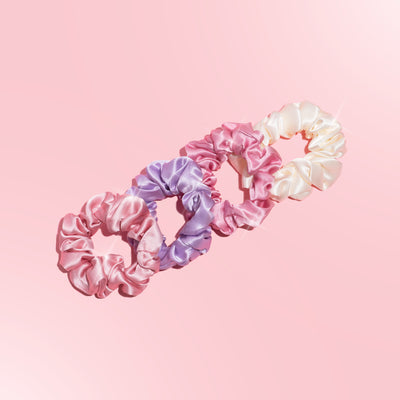
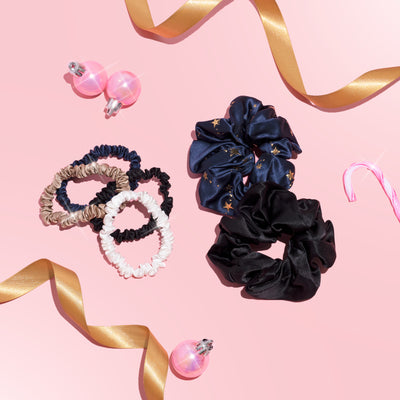
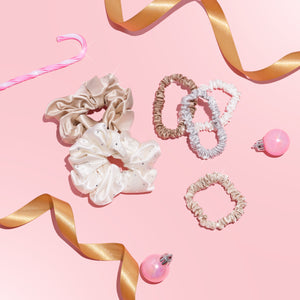
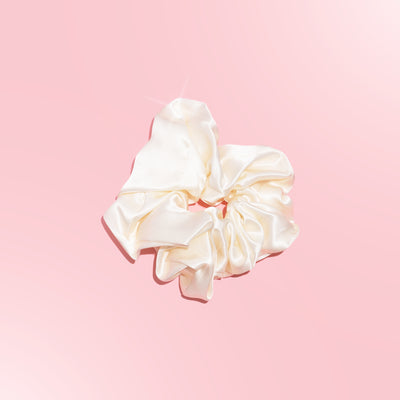
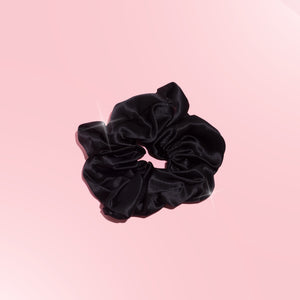
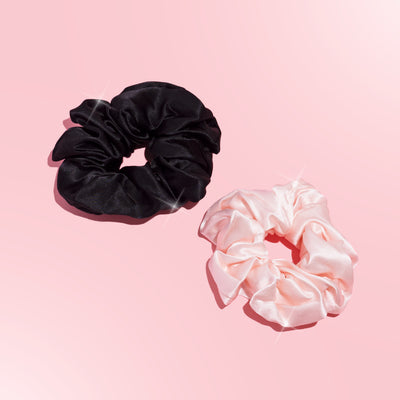
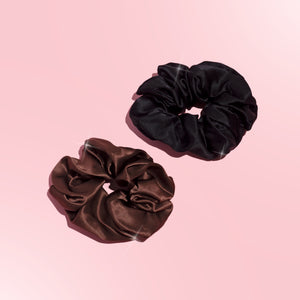
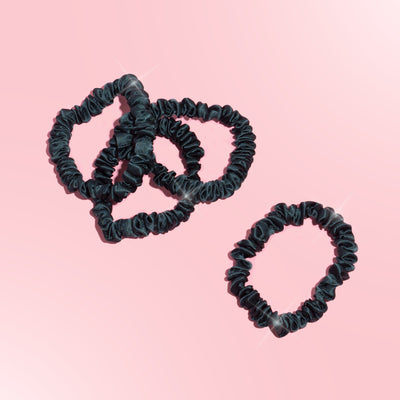
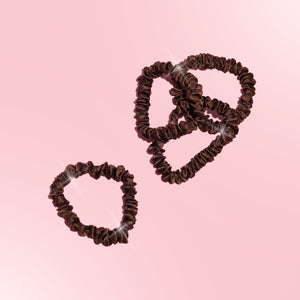
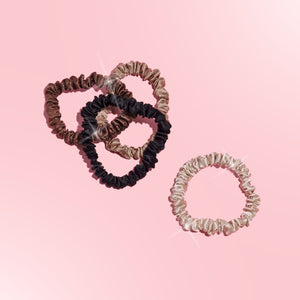
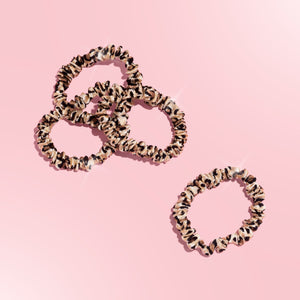
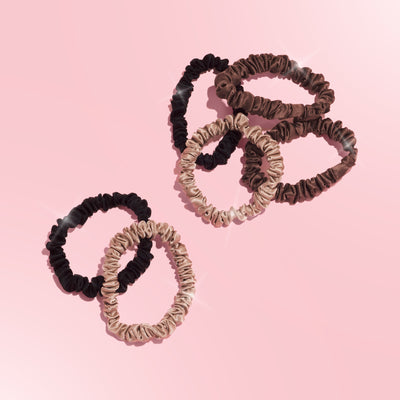
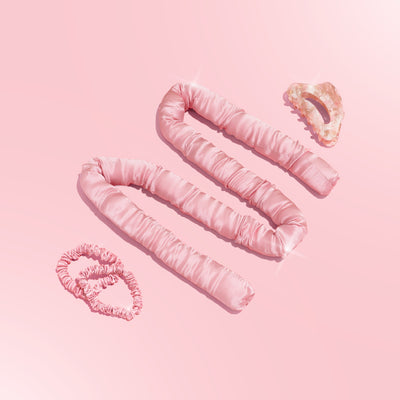
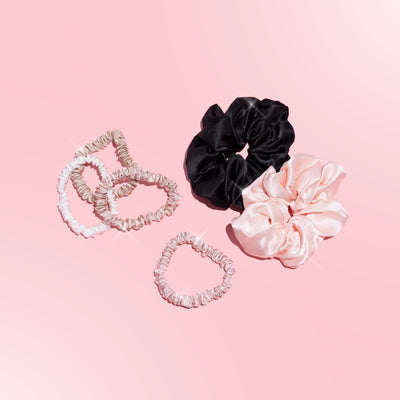
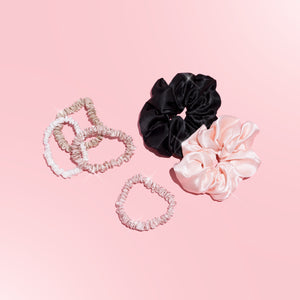
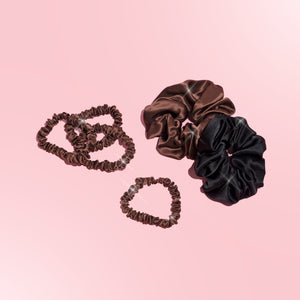
Silkie’s silk scrunchies hold hair securely while minimizing tension and pressure points.
Consistency Works Both Ways
Just as repeated stress leads to damage, repeated gentle habits lead to stronger hair over time.
Small changes — when done consistently — can:
- Reduce breakage
- Maintain smoother texture
- Improve manageability
- Support long-term hair strength
The Long-Term View
Hair health is shaped by patterns, not one-time actions.
Everyday habits either:
- Gradually weaken the hair
or - Gradually protect it
Being intentional with how often and how intensely your hair is handled makes a lasting difference.
Build Better Hair Habits With Silkie
Silkie’s collection of silk pillowcases, scrunchies, and hair tools is designed to reduce repeated stress in your daily routine. By minimizing friction and tension, these essentials help support stronger, smoother hair over time.
Explore the full collection at www.shopsilkie.com and discover how consistent, gentle care can transform your hair’s long-term health.
Shop Our Silkie Products

Individual Silkie scrunchie (Colour and size may vary)
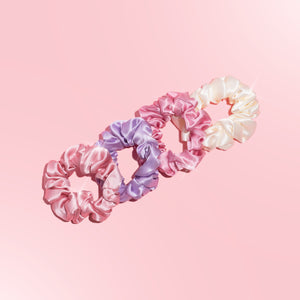
Silkie Mini Silks – 100% Mulberry Silk Scrunchies
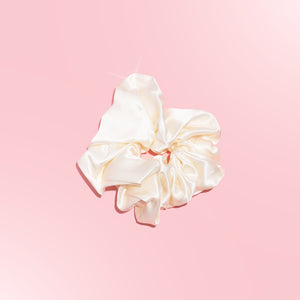
Silkie Silk Cloud – Deluxe 100% Mulberry Silk
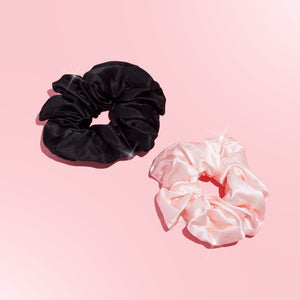
Silkie Silk Grande – Pure Mulberry Silk Scrunchies
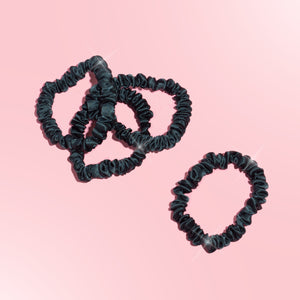
Silkie Skinny Silks – 100% Mulberry Silk Scrunchies
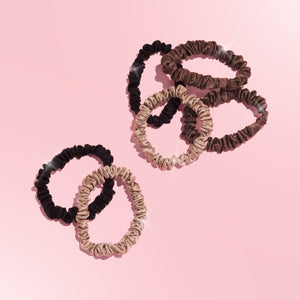
Silkie Skinny Silks – 100% Mulberry Silk Scrunchies (6 pack)
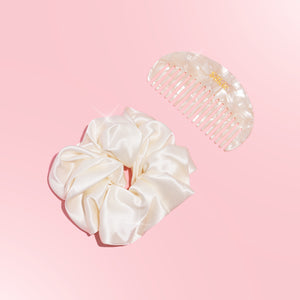
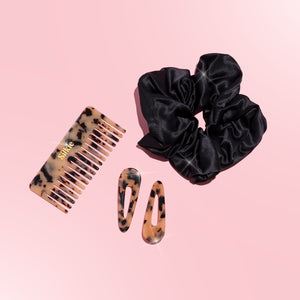
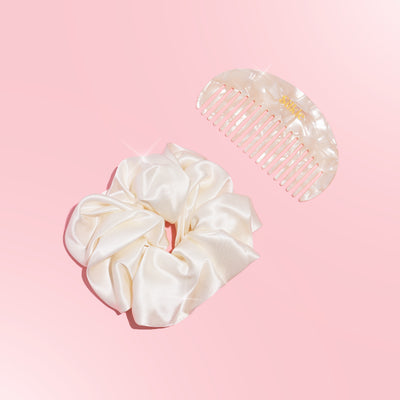
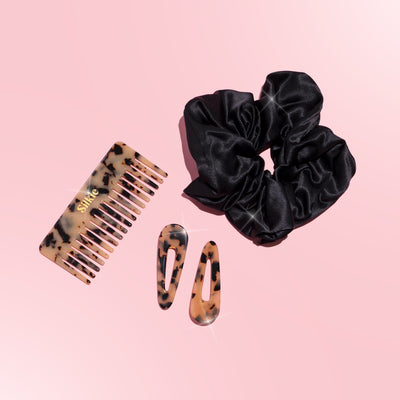
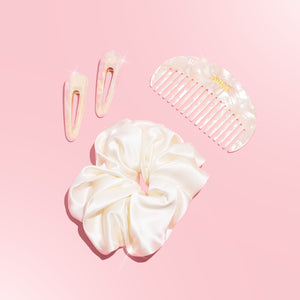
Silkie Styling Duo – Acetate Comb & Deluxe Scrunchie
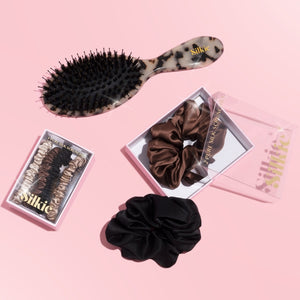
Smoothing Essential Set
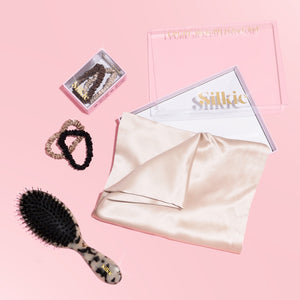
The Dream & Shine Set
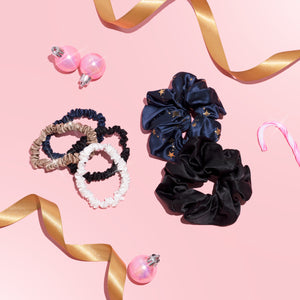
Silkie Mulberry Silk Christmas Scrunchies Set

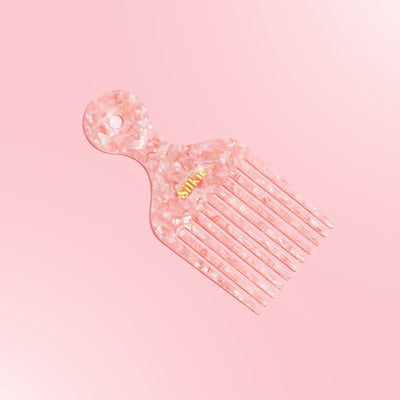
Silkie Everyday Comb – Acetate Detangler

The Signature Set
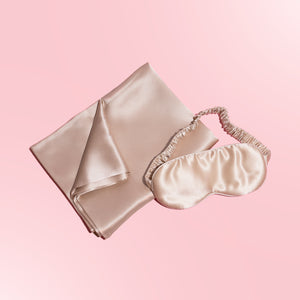
The Silkie Dreamy Sleep Set
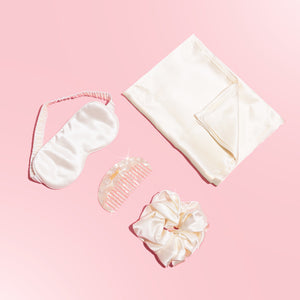
The Silkie Experience Set