











How to Keep Your Hair Comfortable Under Hats and Headwear
Hats, caps, beanies and other headwear can protect you from the sun, keep you warm and complete your outfit. However, they can also leave your hair flattened, tangled or uncomfortable. Discover how to choose suitable hairstyles, reduce friction and keep your hair manageable while wearing headwear throughout the day.
Hats and headwear are useful additions to an everyday wardrobe. A baseball cap can make a casual outfit feel more put together, a beanie can keep you warm during colder weather, and a wide brimmed hat can provide shade on sunny days.
However, wearing headwear can sometimes leave your hair looking different from how it did before you put it on. You might notice flattened roots, tangled lengths, static or strands that refuse to sit back into place.
These changes are common and can depend on your hair type, the material of your headwear, how tightly it fits and how long you wear it. Fortunately, a few simple haircare habits can help you stay comfortable while keeping your hair easier to manage.
Why Hats Can Change the Way Your Hair Looks
Headwear changes how your hair sits and moves throughout the day. When a hat presses against your strands, it can temporarily flatten areas that would otherwise have more volume.
The effect is particularly noticeable around the crown, where the fabric rests against the hair. If you have fine hair or naturally full roots, you may find that your hairstyle loses some of its shape after removing a cap or beanie.
Friction is another factor. As you move your head, your hair may rub against the inside of the hat. Depending on the fabric and your hair's condition, this contact can contribute to tangling, frizz and static.
The fit of your headwear also matters. A hat that feels too tight may place unnecessary pressure on your hair and scalp, while one that shifts around frequently may create more friction.
Although these effects are not always avoidable, understanding what causes them can help you make more comfortable choices.
How Different Types of Headwear Affect Your Hair
Not every hat creates the same experience. The shape, material and fit of your headwear can influence how your hair behaves underneath it.
Baseball Caps
Baseball caps are popular for everyday outings, outdoor activities and casual styling. However, their close fit can flatten the hair around your crown and leave an indentation where the cap sits.
If your hair is long, the back opening can also influence how you wear it. A ponytail threaded through the opening may be convenient, but repeatedly securing it tightly in the same position can place tension on the same sections.
Try wearing your hair in a relaxed low ponytail or loose braid. If your cap has an adjustable opening, position your hairstyle comfortably rather than pulling your hair tightly to fit through it.
Beanies
Beanies are useful during colder weather, but their snug fit can flatten roots and create friction along the lengths.
Knitted fabrics may also catch on loose strands, particularly when you put the beanie on or take it off. If your hair is prone to tangling, avoid pulling the hat off quickly.
Instead, remove it gently and allow your hair to settle before brushing or restyling.
Wide Brimmed Hats
Wide brimmed hats are a practical option for sunny days and outdoor activities. Depending on their construction, they may place less direct pressure on the crown than close fitting caps.
However, the inner band can still press against your hairline, and wind may cause loose strands to tangle while you are outside.
A loose braid or low bun can help keep longer hair manageable without creating too much tension.
Headscarves and Wraps
Headscarves and wraps can be styled in different ways, offering both practical coverage and a finishing touch to an outfit.
The material and how tightly the fabric is secured can affect comfort. Smooth fabrics may create less friction than rougher textures, while tight wrapping can place unnecessary pressure on the hairline.
Choose a comfortable fit and avoid pulling the fabric firmly against your hair. If you wear headscarves regularly, consider how the fabric feels against your strands and whether your hairstyle remains comfortable underneath.
Why Friction Matters When Wearing Headwear
Friction occurs whenever your hair moves against another surface. Under a hat, this can happen as you walk, turn your head or adjust the fabric throughout the day.
Repeated friction may contribute to tangles, frizz and surface wear, especially if your hair is already dry, chemically treated or prone to breakage.
Some fabrics have rougher or more textured surfaces than others. Knitted materials, for example, may catch on loose strands, while smoother linings may allow hair to move more easily.
You cannot eliminate friction completely, and not every hat will damage your hair. However, you can reduce unnecessary rubbing by choosing comfortable headwear, securing your hair gently and removing hats carefully.
If you frequently notice tangles around your nape after wearing a beanie or cap, pay attention to how your hair sits against the fabric. A loose braid may help keep the lengths organised and reduce the amount of movement between individual strands.
How to Choose Hairstyles That Work Under Hats
Your hairstyle can make a noticeable difference to how comfortable your headwear feels.
The best option depends on your hair length, thickness and the type of hat you plan to wear.
For Short Hair
Short hair may be easier to manage under headwear, but it can still become flattened or develop static.
Before putting on a hat, style your hair in the direction you want it to fall afterwards. Avoid using too much styling product, as a heavy application may leave your hair feeling stiff or make flattened areas harder to refresh.
Once you remove your hat, gently lift the roots with your fingers to restore some movement.
For Medium Length Hair
Medium length hair offers flexibility when choosing a style.
A loose low ponytail can work well under a baseball cap, while a relaxed braid may help prevent tangling under a beanie. If you prefer wearing your hair down, make sure the lengths are free from knots before putting on your hat.
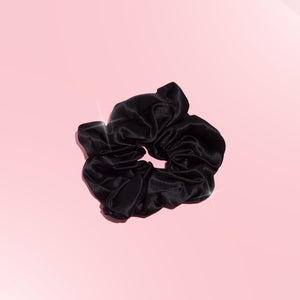
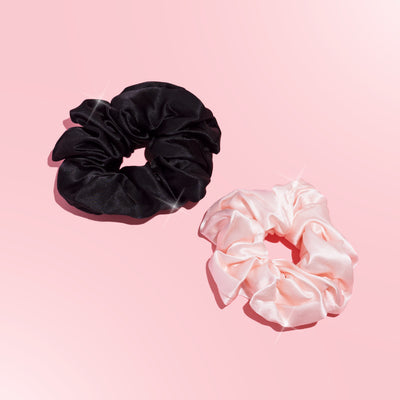
Using a soft scrunchie can also help you secure your hair without relying on a tight elastic.
For Long Hair
Long hair has more opportunities to rub against headwear, clothing and the back of your neck.
A loose braid can keep the lengths together, while a low ponytail may be suitable for caps with an opening at the back.
If you prefer a bun, make sure it fits comfortably with your hat. A bulky bun beneath a close fitting cap may create pressure and make the hat feel too tight.
Avoid forcing your hairstyle into a hat that does not provide enough room. Choosing a more suitable hat or a simpler hairstyle may be more comfortable.
How to Prevent Flat Roots After Removing a Hat
Flattened roots are one of the most common frustrations associated with wearing headwear. Your hair may look smooth when you put your hat on but lose its natural lift once you take it off.
Although some flattening is unavoidable, a few habits can help.
Start with dry hair when possible. Hair that is damp when covered may dry in a flattened position. Allow your hair to dry before putting on close fitting headwear whenever practical.
Avoid heavy styling products at the roots. Too much product can weigh down your hair, making it harder to restore volume after removing a hat.
Refresh your roots with your fingers. Gently lift and separate the hair around your crown rather than immediately brushing it flat again.
Change your parting slightly. If your hair has been pressed in one direction, moving your parting a little can help restore movement.
Allow your hair to settle. Give your roots a moment to recover before deciding whether you need to restyle your hair.
If you regularly wear hats, consider choosing hairstyles that still look natural when your roots lose some volume. A relaxed ponytail or loose braid can be practical options.
Choosing Hair Accessories That Work With Headwear
Hair accessories can help keep your strands organised underneath hats, but the wrong accessory may create additional pressure.
Large clips and bulky buns may not fit comfortably under close fitting headwear. Tight elastics can also create tension, especially if your hair is secured in the same position for hours.
For everyday styling, look for accessories that feel comfortable and are easy to remove.
Soft Scrunchies
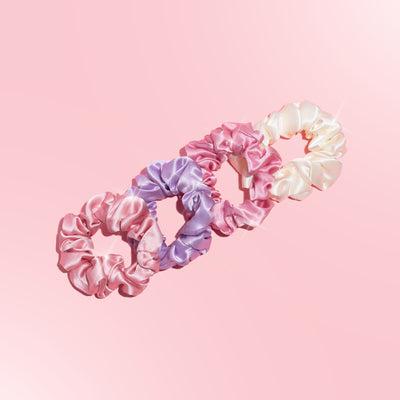
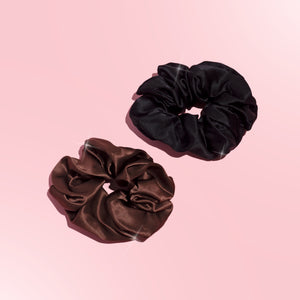
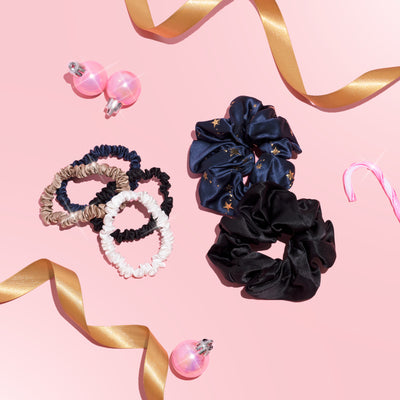
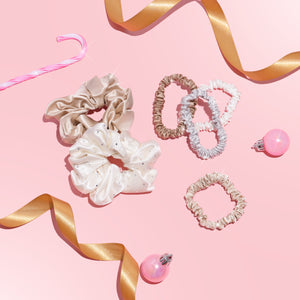
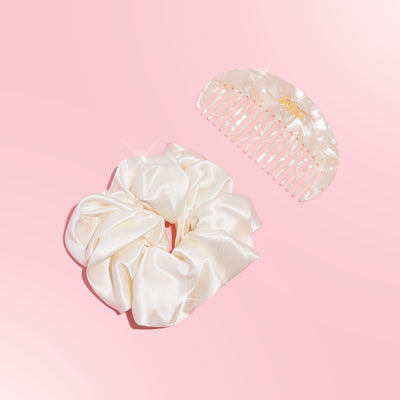
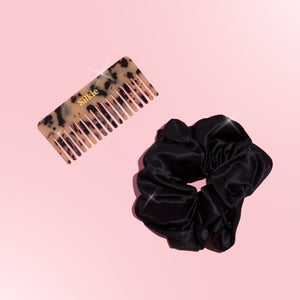
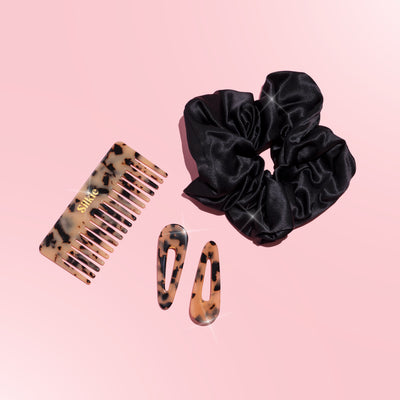
Soft scrunchies can be useful for low ponytails and loose braids. Their fabric covering provides a layer between the elastic and your hair, although the overall fit and construction still matter.
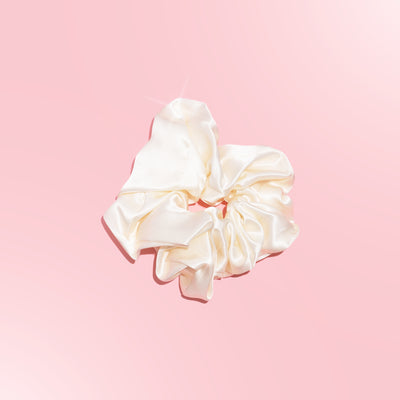
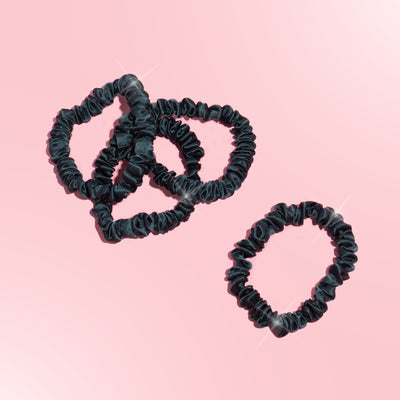
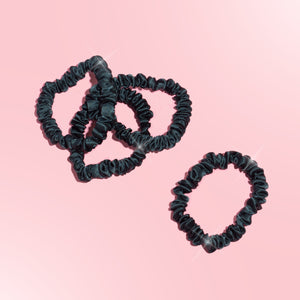
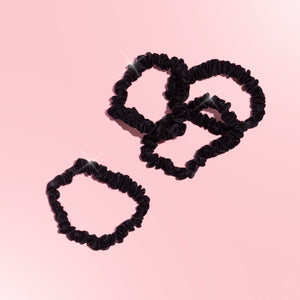
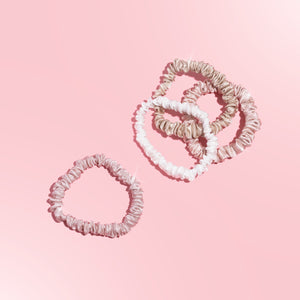
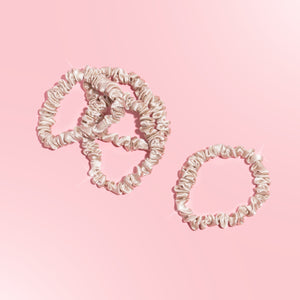
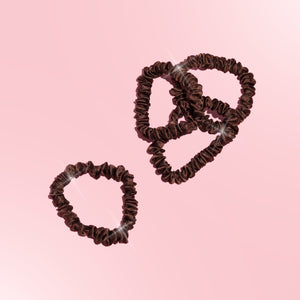
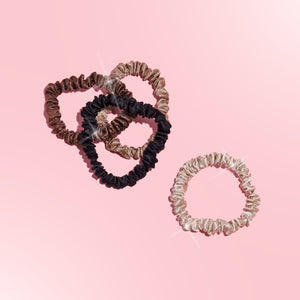
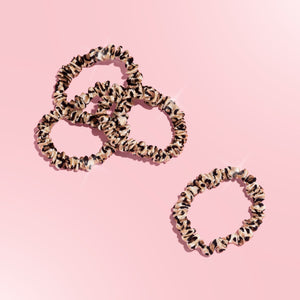
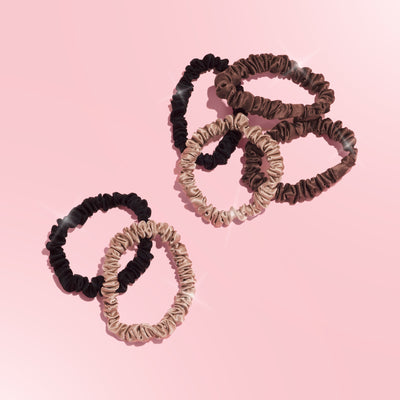
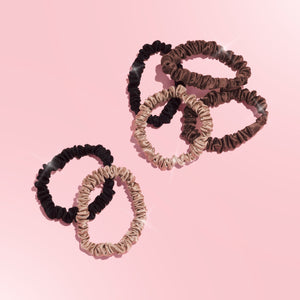
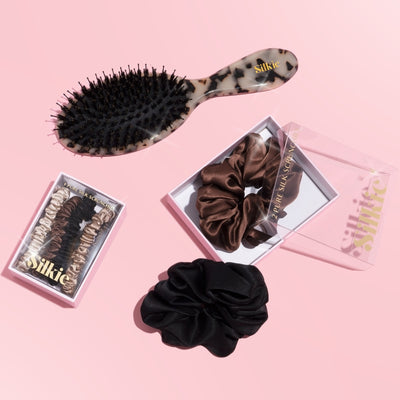
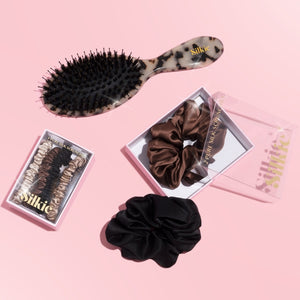
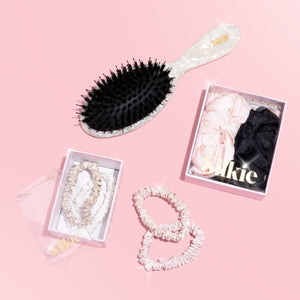
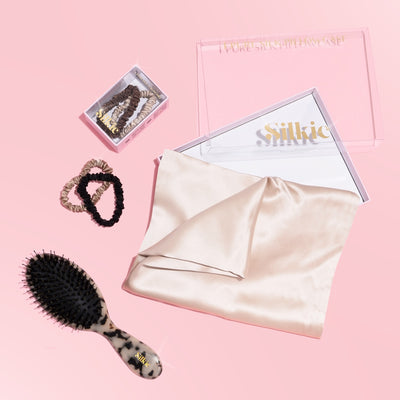
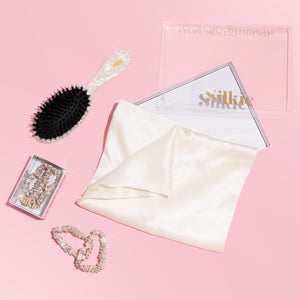
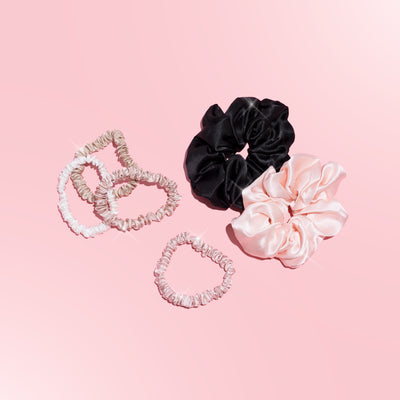
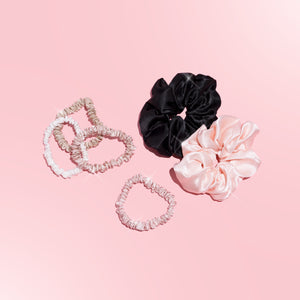
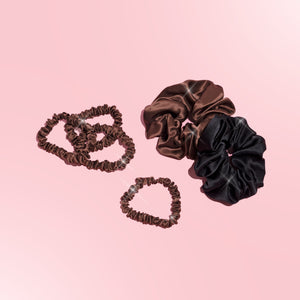
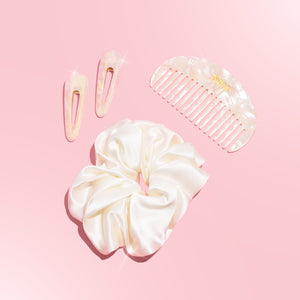
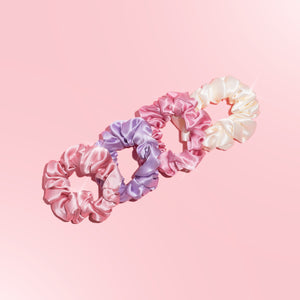
Silkie's Skinny Silks 100% Mulberry Silk Scrunchies offer a slimmer option for securing hair. Their streamlined design may be more convenient under certain types of headwear than a bulky scrunchie.
Choose a style that fits comfortably beneath your hat without making it feel tighter.
Avoid Bulky Accessories
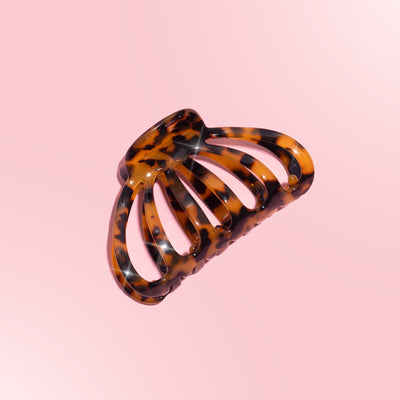
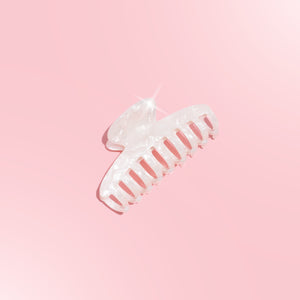
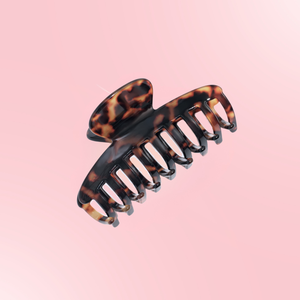
If you are wearing a beanie or close fitting cap, consider leaving larger claw clips and high buns for another occasion.
A simple braid or low ponytail may sit more comfortably and reduce the need to adjust your hat repeatedly.
Remove Accessories Carefully
When taking off your hat, avoid pulling it against your ponytail or braid. If the fabric catches on your hair, pause and release the strands gently.
This is especially important when wearing knitted headwear that may catch on loose hairs.
Keeping Your Hair Comfortable in Hot Weather
Headwear can be useful in warm weather, particularly when you want shade during outdoor activities. However, heat and sweat may make your scalp and hair feel less comfortable.
Sweat can cause strands to stick together, while moisture around the hairline may affect how your hairstyle sits. A close fitting hat can also feel uncomfortable if it traps heat.
To keep your hair more manageable:
-
Choose headwear that fits comfortably and allows suitable airflow.
-
Secure longer hair in a loose braid or ponytail.
-
Avoid pulling your hair tightly against your scalp.
-
Remove your hat when appropriate to let your scalp cool down.
-
Wash your hair when needed based on your scalp's condition and how much you sweat.
A comfortable fit is important in every season. Your headwear should serve its purpose without creating unnecessary pressure.
Caring for Your Hair After Wearing Headwear
Taking off your hat does not mean you need to wash or completely restyle your hair. In many cases, a few gentle adjustments are enough.
Start by allowing your hair to settle. If your strands are tangled, use your fingers to loosen the knots before reaching for a brush.
For more stubborn tangles, a suitable comb can help you work through the lengths gradually. Start at the ends and move upwards rather than pulling from the roots.
If your hair feels dry or rough, consider whether your usual conditioning routine is suitable for its needs. Avoid adding excessive styling products just to hide frizz or restore a smooth appearance.
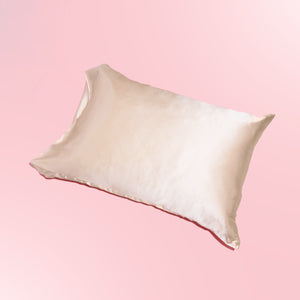
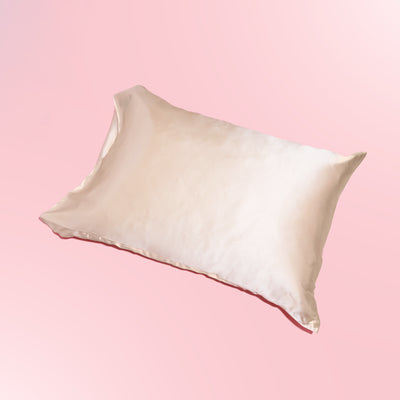
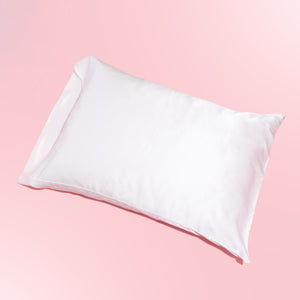
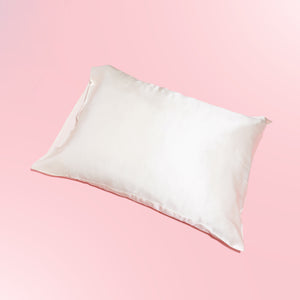
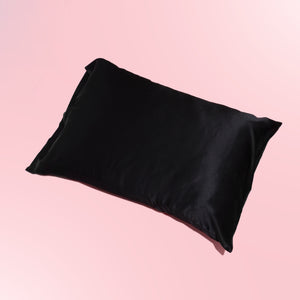
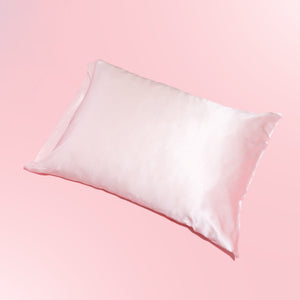
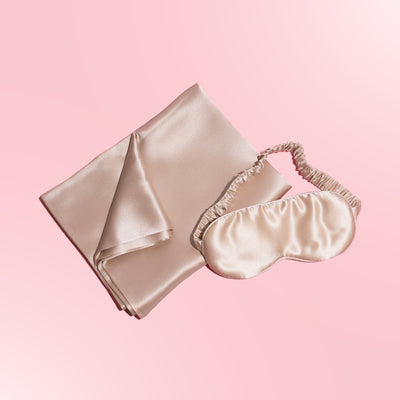
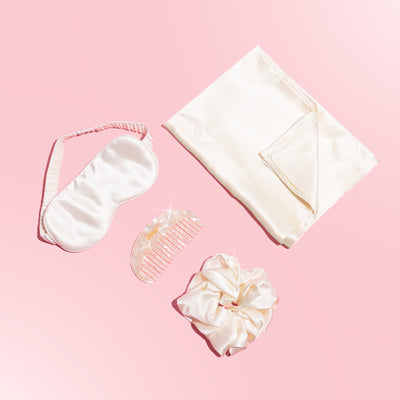
Your hair may also benefit from a smoother sleeping surface after a day spent wearing headwear. Silkie's Dreamy Mulberry Silk Pillow Case offers a smooth alternative to traditional cotton bedding and may help reduce friction while you sleep.
Combined with gentle detangling and comfortable overnight hairstyles, this can form part of a routine that supports manageable hair from day to night.
Building a Haircare Routine Around Your Lifestyle
The best haircare habits are the ones that fit naturally into your daily life.
If you wear a hat for work, outdoor activities or personal style, you do not need to stop. Instead, think about the small adjustments that can make wearing headwear more comfortable.
Choose a hat that fits without excessive pressure. Keep your hairstyle simple when necessary, use suitable accessories and avoid pulling your hair tightly to make everything fit.
It is also worth paying attention to your hair's condition. If you regularly notice tangles, breakage or discomfort around your hairline, consider whether your headwear, hairstyle or styling technique may be contributing.
Silkie offers thoughtfully selected hair accessories and haircare essentials that can complement a gentler routine. From mulberry silk scrunchies to pillowcases, these products can help you make more considered choices about how you handle your hair throughout the day.
Explore the collection at www.shopsilkie.com to find options that suit your haircare needs.
Final Thoughts
Hats and headwear can be practical, stylish and useful throughout the year, but they can also change how your hair sits and feels.
Flattened roots, tangles and static are common frustrations, particularly when headwear fits too tightly or creates repeated friction. Fortunately, choosing comfortable materials, wearing suitable hairstyles and removing hats gently can help make these effects easier to manage.
Pay attention to what works for your hair. A loose braid may be more comfortable under a beanie, while a relaxed ponytail may suit your favourite cap. Small adjustments can help you enjoy wearing headwear without making your haircare routine more complicated.
With a little consideration, you can find a balance between personal style, comfort and caring for your hair every day.
SHOP OUR SILKIE PRODUCTS

Glow Drops Perfumed Hair Oil

Glow Drops Perfumed Hair Oil Sample

Individual Silkie scrunchie (Colour may vary)

Limited Edition Moonstone Comb
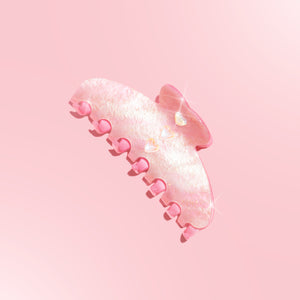
Love Valentine's Acetate Hair Clip
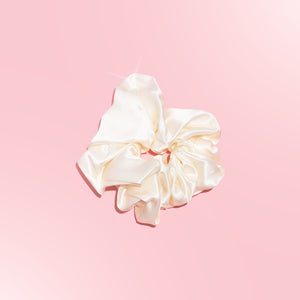
Pure Silk Deluxe Scrunchie
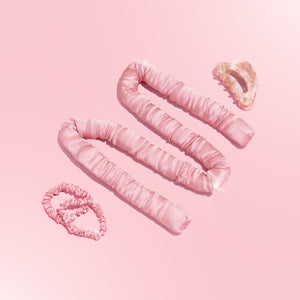
Pure Silk Heatless Curler Set
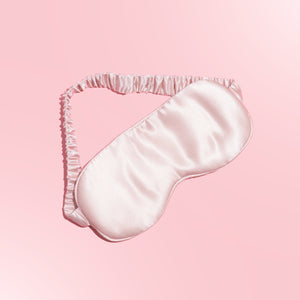
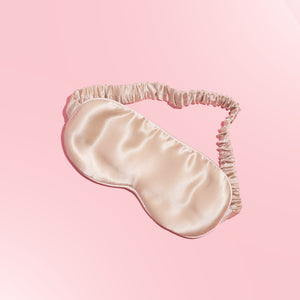
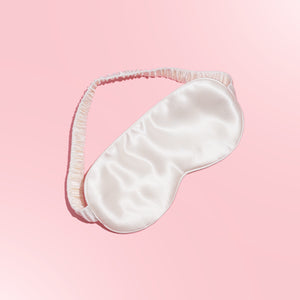
Pure Silk Luxury Eye Mask
Pure Silk Pastel Scrunchies (Set of 4)