How Your Sleep Setup Can Influence Hair Quality
When it comes to healthy hair, most people focus on the products they use in the morning. But your nighttime environment can have just as much influence on how your hair looks and feels. From the surface you sleep on to how you wear your hair before bed, your sleep setup can either help protect your strands or expose them to hours of unnecessary friction and tension. A few thoughtful adjustments can make a noticeable difference over time.
Why Your Haircare Routine Continues While You Sleep
Although you're resting, your hair remains in constant contact with your surroundings for several hours.
During the night, your hair experiences:
- Movement as you change positions
- Pressure against your pillow
- Friction from repeated rubbing
- Compression that can flatten your hairstyle
These repeated interactions become part of your daily haircare routine, whether you realize it or not.
Your Pillow Surface Plays a Bigger Role Than You Think
Your pillowcase is one of the surfaces your hair touches the most.
A rough sleep surface can increase:
- Friction between strands
- Morning tangles
- Frizz
- Cuticle disruption
Over time, these small stressors can affect how smooth and manageable your hair feels.
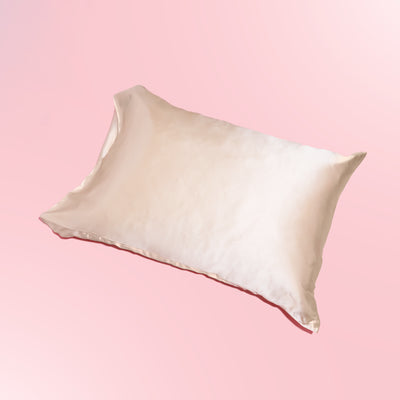
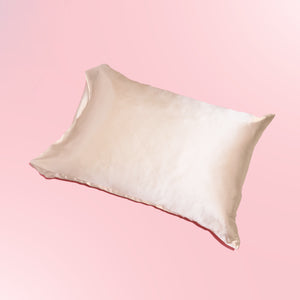
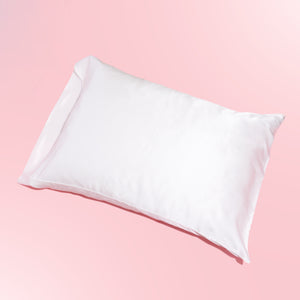
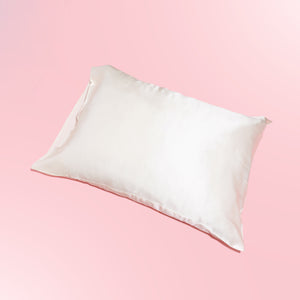
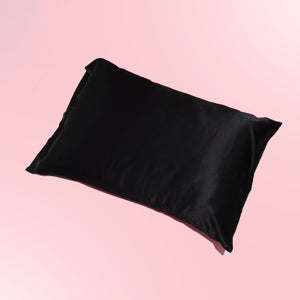
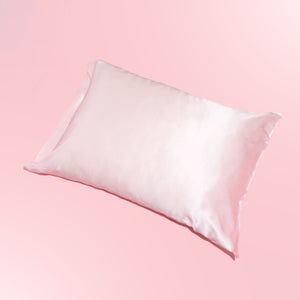
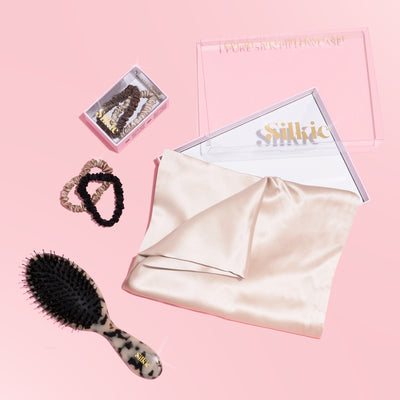
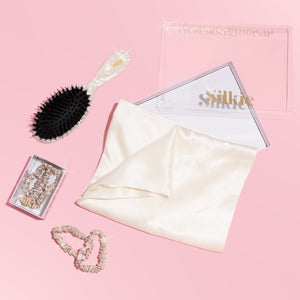
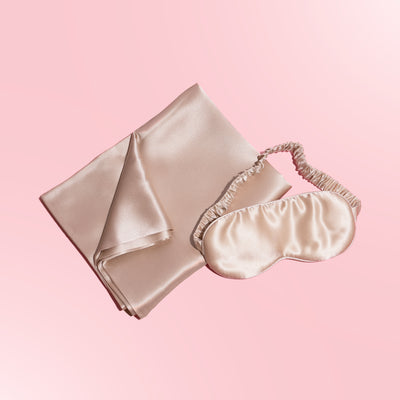
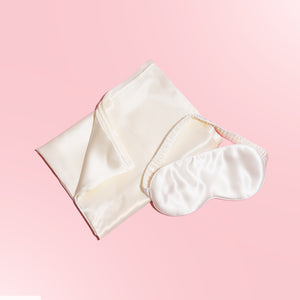
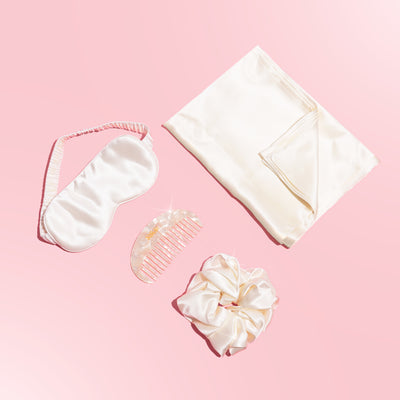
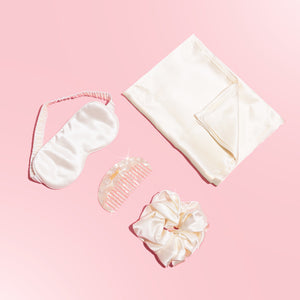
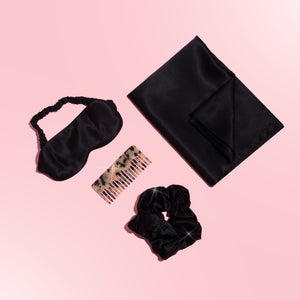
Silkie's mulberry silk pillowcases provide a smoother surface that helps reduce overnight friction, allowing hair to glide more freely while you sleep.
Overnight Friction Can Affect Hair Quality
Friction may seem harmless, but repeated rubbing can gradually wear down the hair's outer layer.
This can contribute to:
- Rough texture
- Reduced shine
- More difficult detangling
- Increased breakage
Reducing friction helps create a gentler environment that supports healthier-looking hair.
The Way You Sleep Can Affect Your Hair
Your sleeping position also influences how much pressure your hair experiences.
For example:
- Side sleeping places more pressure on one side of the hair.
- Back sleeping may flatten hair at the back of the head.
- Frequent movement increases rubbing against the pillow.
While you may not be able to control how you sleep, you can improve the environment your hair rests in.
Loose Hairstyles Can Help Protect Hair
How you wear your hair to bed matters just as much as what you sleep on.
Hair left completely loose may tangle more easily, while hairstyles that are too tight can place unnecessary stress on the strands.
A loose braid, low ponytail, or gentle bun can help keep hair organized without creating excessive tension.
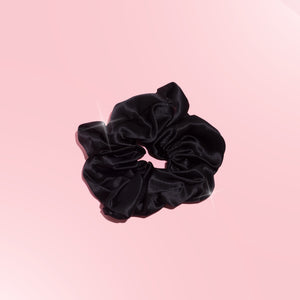
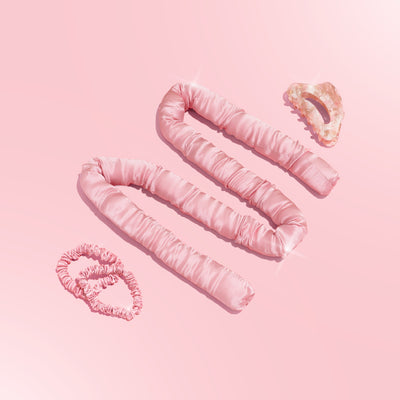
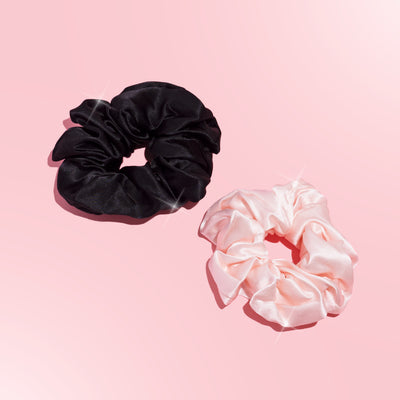
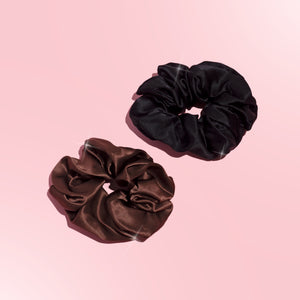
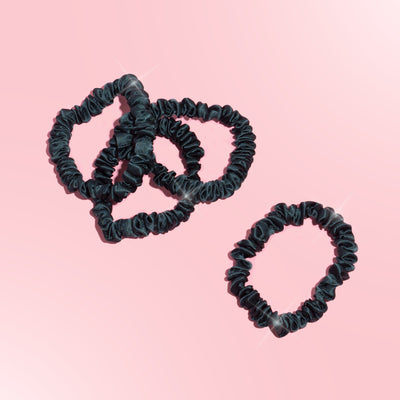
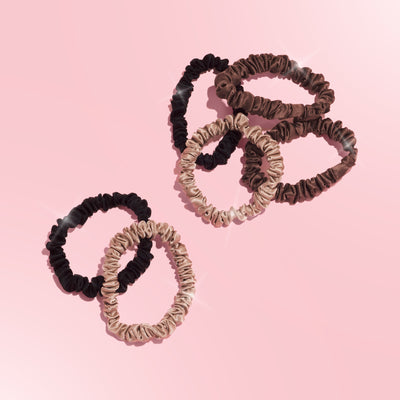
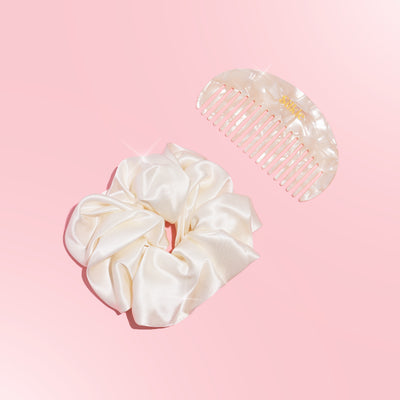
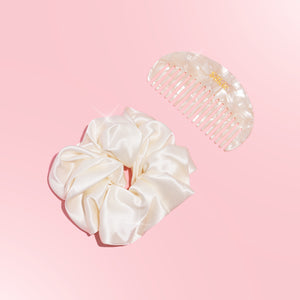
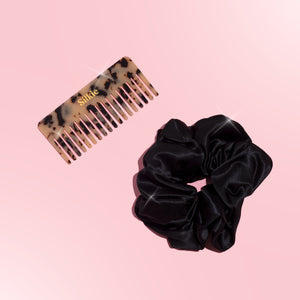
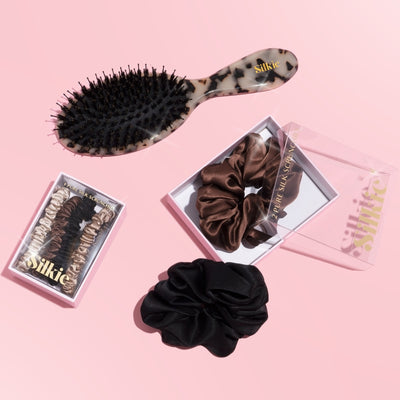
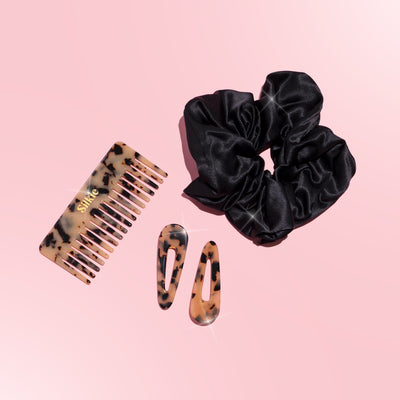
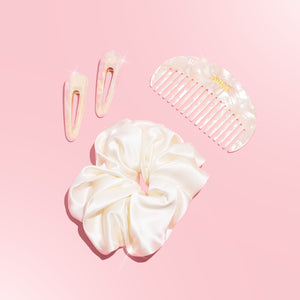
Silkie's silk scrunchies help secure hair comfortably while reducing pulling and pressure compared to traditional hair ties.
Going to Bed With Tangles Can Make Them Worse
Small knots can tighten overnight as hair moves against itself.
Taking a few moments to gently detangle before bed can help:
- Reduce knot formation
- Make morning brushing easier
- Minimize breakage
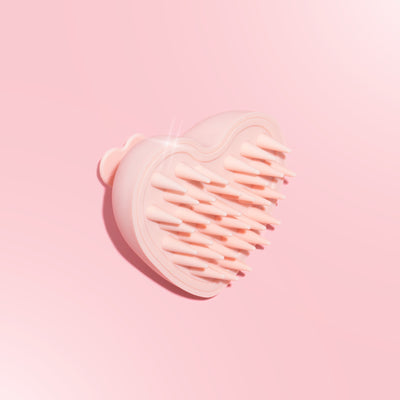
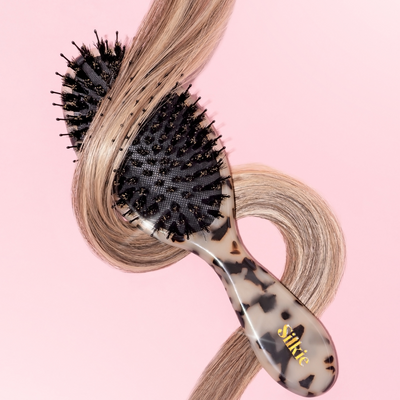
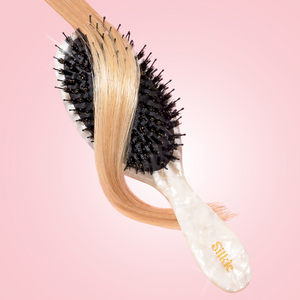
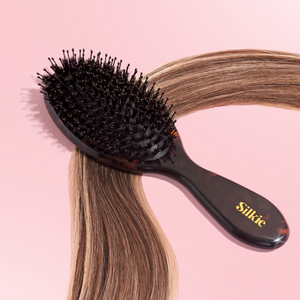
Silkie's hair brush is designed to reduce pulling during detangling, helping prepare your hair for a smoother night's rest.
Different Hair Types Benefit From Overnight Protection
Every hair type can benefit from a better sleep setup.
Straight hair may experience:
- Flatness
- Static
- Frizz
Wavy hair may lose definition or develop uneven texture.
Curly and coily hair are especially prone to:
- Frizz
- Tangles
- Flattened curl patterns
Reducing friction overnight helps support each hair type in different ways.
Small Nighttime Habits Add Up
Healthy hair isn't created by one perfect night.
Instead, it's the result of consistent habits, such as:
- Sleeping on a smooth pillowcase
- Using gentle hair accessories
- Brushing out tangles before bed
- Avoiding tight overnight hairstyles
These simple routines become more effective with time.
Create an Environment That Supports Hair Health
Think of your sleep setup as an extension of your haircare routine.
A hair-friendly environment focuses on:
- Lower friction
- Less tension
- Gentle support
- Consistent protection
When your hair experiences less stress overnight, it's often easier to manage the next morning.
Why Prevention Starts at Bedtime
Many common hair concerns begin long before you notice them.
Repeated overnight stress can gradually contribute to:
- Frizz
- Breakage
- Split ends
- Loss of smoothness
Preventing these issues is often easier than trying to correct them later.
Creating a better sleep environment is one of the simplest ways to support long-term hair health.

Build a Better Nighttime Routine
An effective overnight routine doesn't have to be complicated.
Focus on:
- A smooth, low-friction pillowcase
- Gentle hair accessories
- Careful detangling before bed
- Low-tension hairstyles
These habits work together to help protect your hair while you sleep.
Sleep Better, Wake Up to Better Hair With Silkie
Your sleep setup influences your hair for hours every night. By creating an environment that reduces friction, limits tension, and supports gentle care, you can help your hair stay smoother, softer, and easier to manage over time.
Silkie's collection of mulberry silk pillowcases, silk scrunchies, and gentle hair brushes is designed to support healthier hair while you rest, making your nighttime routine just as important as your daytime one.
Explore the full collection at www.shopsilkie.com and discover how a better sleep setup can help improve your hair quality night after night.