







Silk vs. Satin vs. Cotton: Which Fabric Truly Protects Hair
Your pillowcase fabric may seem like a small detail — but it can make a massive difference in how your hair feels, looks, and grows. Silk, satin, and cotton all touch your hair nightly, yet their effects vary dramatically. Here’s how each fabric impacts hair health — and why one stands above the rest for protecting strands while you sleep.
Why Your Pillowcase Fabric Matters More Than You Think
Most hair advice focuses on products and styling, but the surface your hair spends 6–8 hours against every night is just as impactful.
As you sleep, your hair rubs against whichever fabric your head rests on, and that friction, moisture retention, or fiber texture can either support hair health or silently damage it over time.
Let’s break down how fabric choice affects moisture, frizz, breakage, and overall strand integrity.
Cotton: Common but Not Hair-Friendly
Cotton pillowcases are soft and affordable — and that’s part of why they’re everywhere. But they’re far from ideal for hair.
Here’s what cotton does to your strands:
Absorbs Moisture
Cotton wicks natural oils and product hydration from the hair, leaving strands dry and brittle.
Creates Friction
Rough cotton fibers tug against the hair cuticle with every toss and turn.
Leads to Tangles
Increased resistance causes knots that break during detangling.
Promotes Frizz
As cuticles lift from friction, hair loses smoothness and becomes disruptive in texture.
For hair that’s dry, curly, color-treated, or heat-styled — cotton only amplifies existing issues.
Satin: Sleeker, but Not All Satin Is Equal
Satin feels smooth and is often marketed as a “silk alternative,” but it’s not the same thing.
What Satin Really Is
Satin describes a weaving pattern — not a material. Many satin pillowcases are polyester-based, meaning they are still synthetic fabrics.
Satin Pros
-
Smoother than cotton
-
Lower friction than rough fibers
-
Often less absorbent than cotton
Satin Cons
-
Can still pull moisture from the hair
-
Generates static
-
Can wear unevenly over time
-
Doesn’t regulate temperature well
-
Lower-quality satin often loses smoothness after washing
While satin helps more than cotton, it doesn’t deliver the full protective benefits of true silk.
Silk: The Natural Fabric That Protects Hair
Mulberry silk — specifically high-grade, long-fiber silk — is widely regarded as the best fabric for hair protection.
Here’s why:
1. Exceptionally Low Friction
Silk’s smooth surface allows hair to glide instead of snag, reducing cuticle lifting that leads to breakage and frizz.
2. Preserves Moisture
Unlike cotton and many satin fabrics, silk doesn’t absorb your hair’s natural oils or hydrating products, helping strands stay supple and strong.
3. Gentle on Delicate Strands
Fine, curly, or damaged hair benefits especially from silk’s soft, low-stress contact — reducing snap-prone areas and weak points.
4. Breathable and Comfortable
Silk helps regulate temperature and airflow, creating a balanced sleeping environment that supports hair health and comfort.
Silk vs. Satin vs. Cotton: A Side-by-Side Comparison
| Impact Category | Cotton | Satin | Silk (Mulberry) |
|---|---|---|---|
| Friction Level | High | Medium | Very Low |
| Moisture Retention | Poor | Moderate | Excellent |
| Cuticle Protection | Low | Medium | High |
| Static Reduction | Poor | Medium | Excellent |
| Temperature Regulation | Poor | Poor/Moderate (synthetic) | Excellent |
| Durability | Medium | Variable | High |
Silk delivers benefits across every category critical to hair health — especially for overnight protection.
Why Mulberry Silk Outperforms Other Silks
Not all silk is equal.
Mulberry silk:
-
Is made from long, continuous fibers
-
Has a naturally smooth surface
-
Is more durable and consistent
-
Provides better long-term protection for hair and skin
Lower-grade silks are shorter, rougher, and less able to protect hair over time. Premium mulberry silk delivers results you can feel and see.
Nighttime Protection: Where Fabric Choice Matters Most
Sleep is when your hair is most vulnerable to friction and moisture loss.
Poor fabric choices lead to:
-
Cuticle damage
-
Breakage
-
Tangling
-
Morning puffiness
-
Increased frizz
Good fabric choices prevent damage in the first place — meaning fewer corrective products and healthier hair overall.
Silkie’s Approach to Hair-Protecting Fabrics
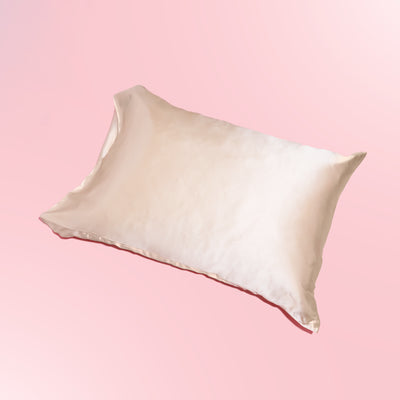
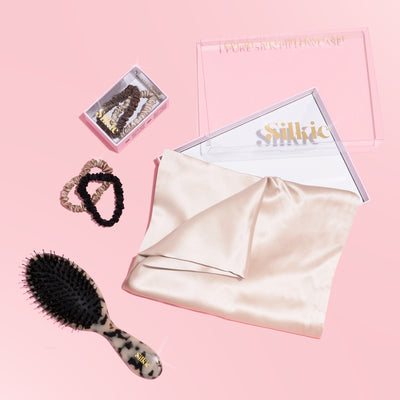
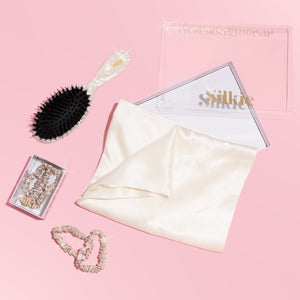
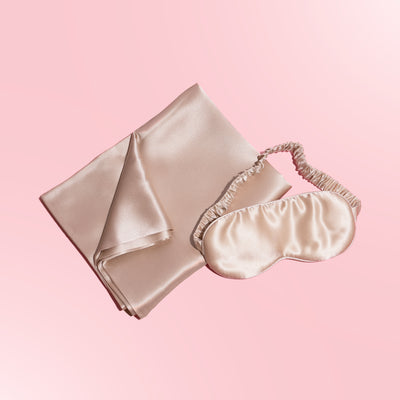
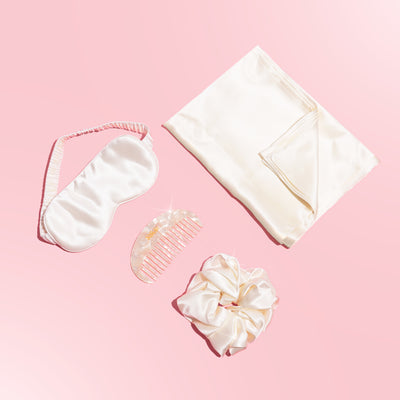
Silkie’s silk pillowcases are crafted using premium mulberry silk designed specifically for hair health.
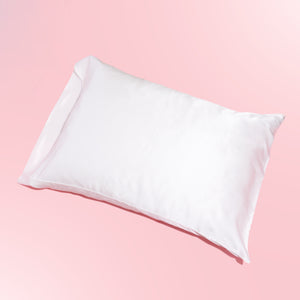
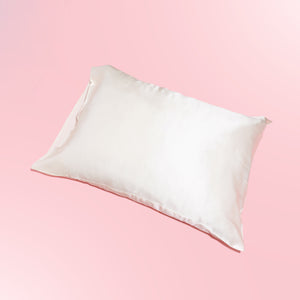
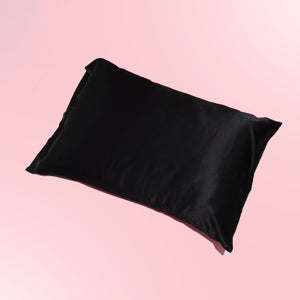
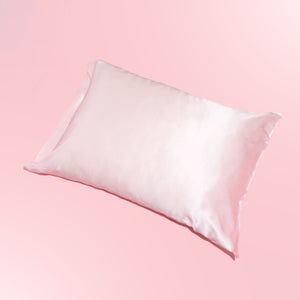
Silkie Pure Mulberry Silk Pillowcase
Silkie pillowcases reduce friction and help preserve hydration — protecting hair while you rest, effortlessly. They help make your daily routine easier by preventing damage at the source.
Experience the difference at www.shopsilkie.com
How to Upgrade Your Haircare with Fabric Intentionality
You don’t need a complicated routine to see big improvements. Start with simple swaps:
-
Replace cotton with silk for nighttime protection
-
Choose high-quality mulberry silk over synthetic satin
-
Use gentle, low-tension styling accessories
-
Prioritize friction-reducing habits before relying on products
These foundational changes make every product you use more effective.
Final Thoughts
When it comes to protecting your hair, fabric choice matters more than most people realize. Cotton is common but damaging, satin is smoother but limited, and only premium mulberry silk offers true, consistent protection that preserves moisture, reduces friction, and supports long-term hair health.
Upgrade your sleep surface and protect your strands at www.shopsilkie.com
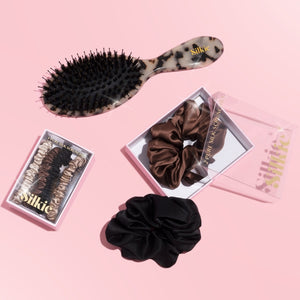
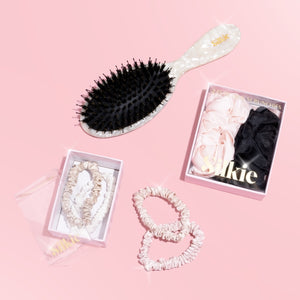
SHOP OUR SILKIE PRODUCTS
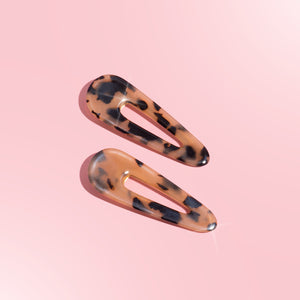
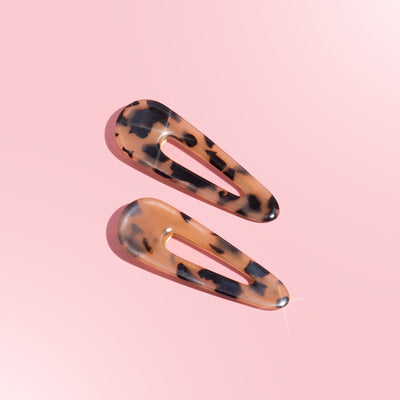
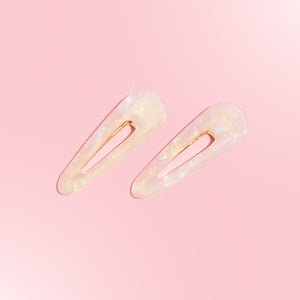
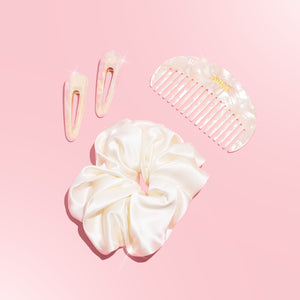
The Hair Slides
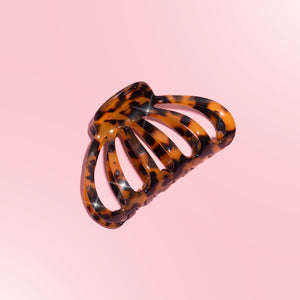
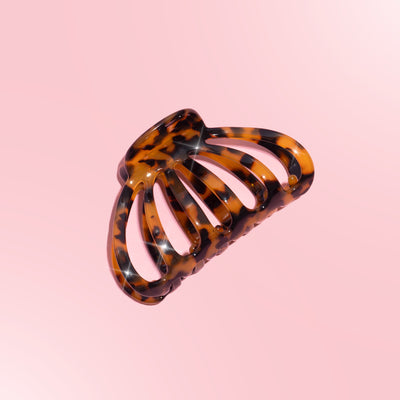
The Acetate Resin Butterfly Claw Clip in Tortoiseshell

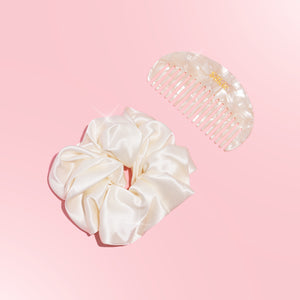
Individual Silkie scrunchie (Colour may vary)
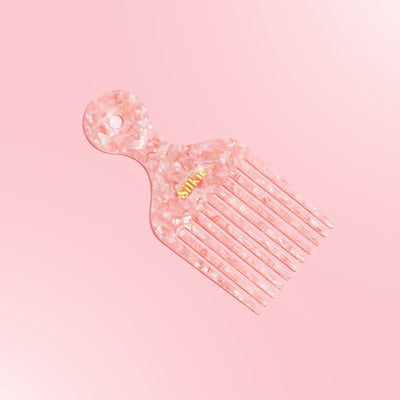
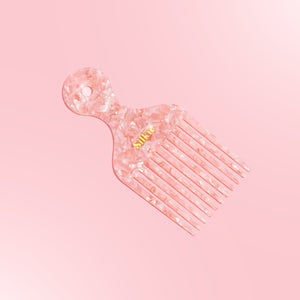
Limited Edition Moonstone Comb
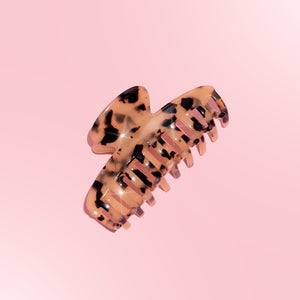
The Classic Claw Clip

The Detangling Comb
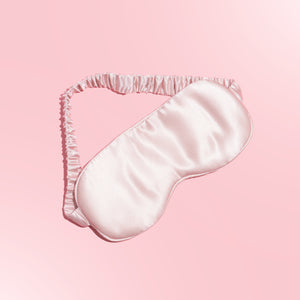
Pure Silk Luxury Eye Mask
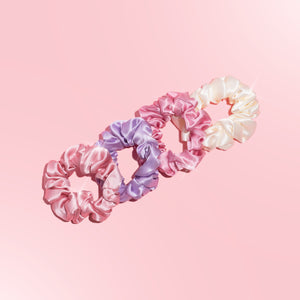
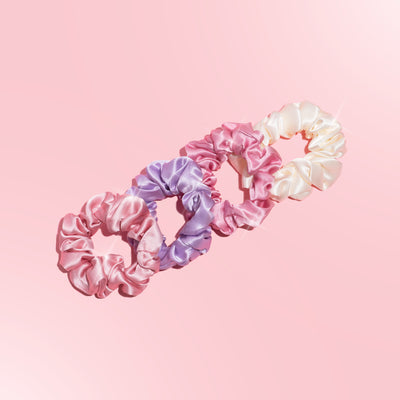
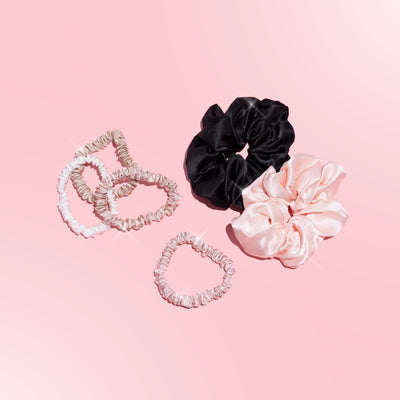
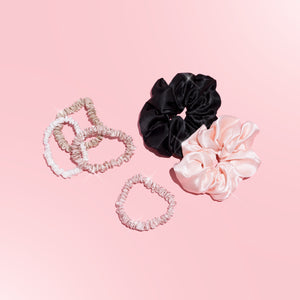
Pure Silk Pastel Scrunchies (Set of 4)
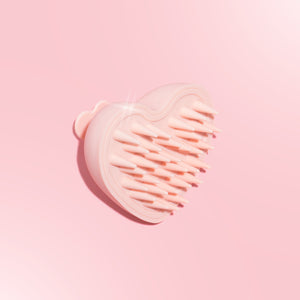
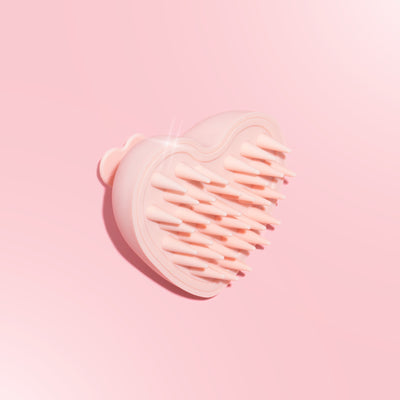
The Scalp Massaging Brush
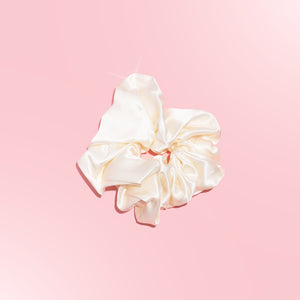
Pure Silk Deluxe Scrunchie
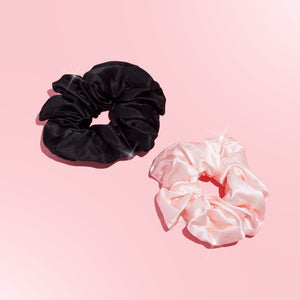
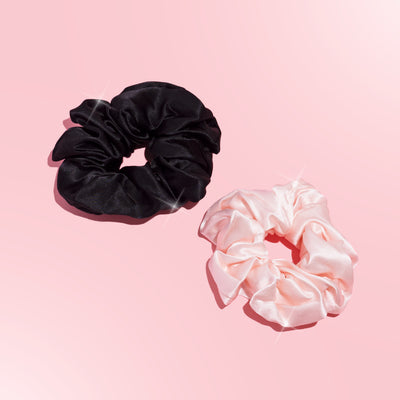
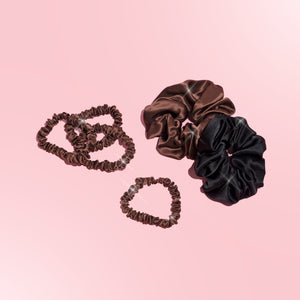
Pure Silk Scrunchies (Set of 2)
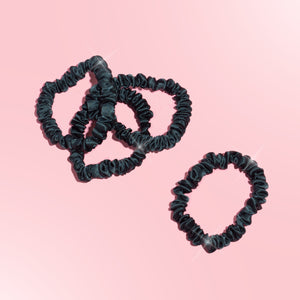
Pure Silk Skinny Scrunchies (Set of 4)
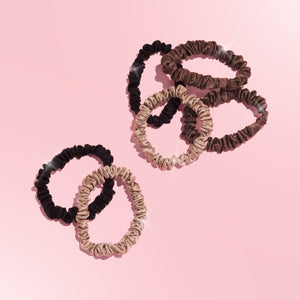
Pure Silk Skinny Scrunchies - Set of 6
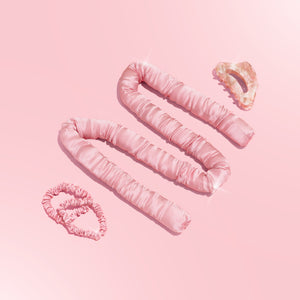
Pure Silk Heatless Curler Set