






















The Difference Between Hair Damage and Hair Fatigue
Hair damage is widely discussed — but hair fatigue is often overlooked. While both affect how your hair looks and feels, they are not the same thing. Understanding the difference helps you respond correctly, protect your hair more effectively, and avoid routines that unintentionally make things worse.
Why Hair Problems Are Often Misdiagnosed
When hair feels dry, weak, or unmanageable, most people assume damage is the cause.
They reach for:
-
Repair masks
-
Protein treatments
-
Strong conditioning formulas
But not all struggling hair is damaged.
Some hair is simply overworked.
That distinction matters — because treating fatigue like damage can push hair into real breakage.
What Hair Damage Actually Is
Hair damage occurs when the physical structure of the strand is compromised.
This includes:
-
Cracked or missing cuticles
-
Split ends
-
Permanent loss of elasticity
-
Rough, uneven texture
Damage is typically caused by:
-
Heat styling
-
Chemical processing
-
Aggressive brushing
-
Chronic friction over time
Once structural damage occurs, it cannot be fully reversed — only managed and prevented from worsening.
What Hair Fatigue Really Means
Hair fatigue is different.
It refers to hair that has been:
-
Over-manipulated
-
Repeatedly stressed
-
Exposed to constant tension or friction
But without permanent structural breakdown.
Fatigued hair often feels:
-
Limp or dull
-
Slightly dry despite conditioning
-
Less responsive to styling
-
Temporarily fragile
The key difference is that fatigue is reversible when stress is reduced.
Why Hair Fatigue Is Becoming More Common
Modern routines unintentionally exhaust the hair.
Daily habits like:
-
Frequent brushing on dry hair
-
Tight hairstyles worn repeatedly
-
Sleeping on rough fabrics
-
Layering too many products
Create constant micro-stress. Hair doesn’t break immediately — it weakens slowly.
Over time, fatigue can turn into real damage if left unaddressed.
How to Tell the Difference Between Damage and Fatigue
Elasticity Is the Clue
Fatigued hair stretches slightly and feels weak, but often rebounds with gentler care.
Damaged hair snaps quickly or feels brittle even when conditioned.
Response to Reduced Stress
When fatigue is the issue, hair improves quickly once friction and tension are minimized.
Damaged hair shows little improvement without trims and long-term protection.
Why Over-Treating Fatigue Can Create Damage
This is where many routines go wrong.
Heavy protein treatments, aggressive detangling, and constant “repair” products can overwhelm fatigued hair — pushing it into stiffness and breakage.
Sometimes the solution isn’t more treatment.
It’s less interference.
How Silkie Helps Address Both — Without Overcorrection
Silkie focuses on removing the causes of both fatigue and damage.
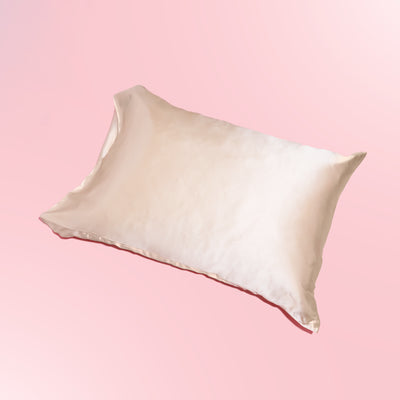
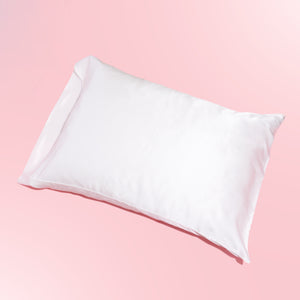
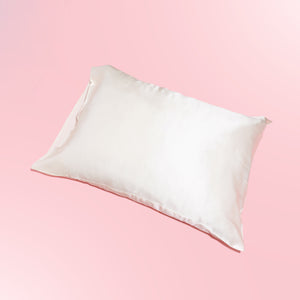
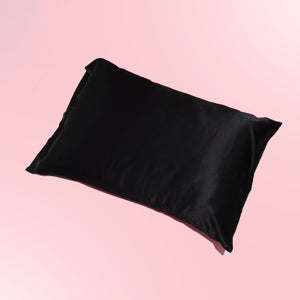
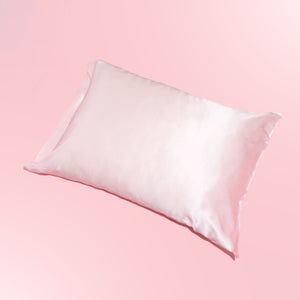
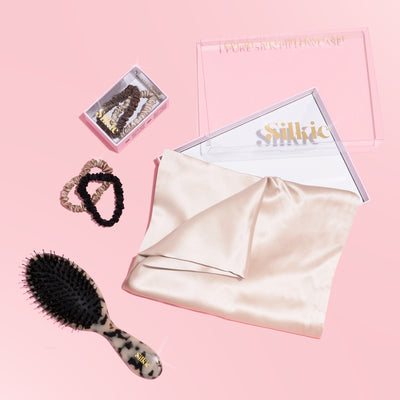
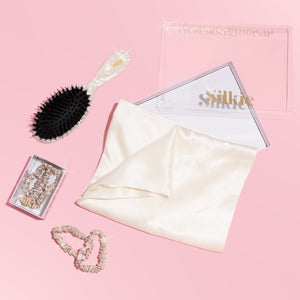
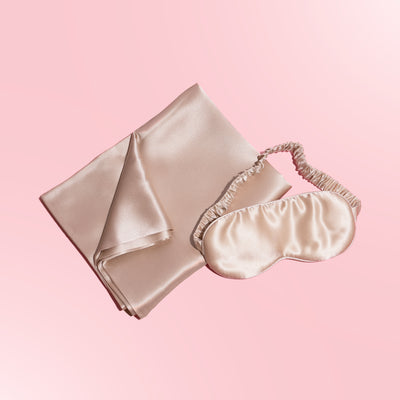
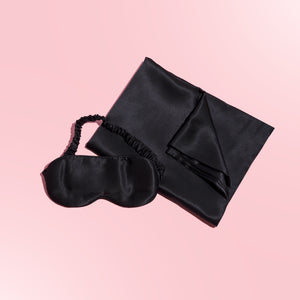
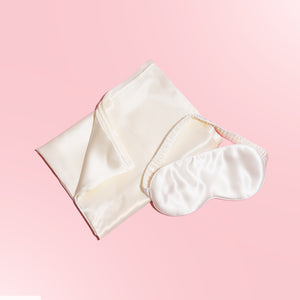
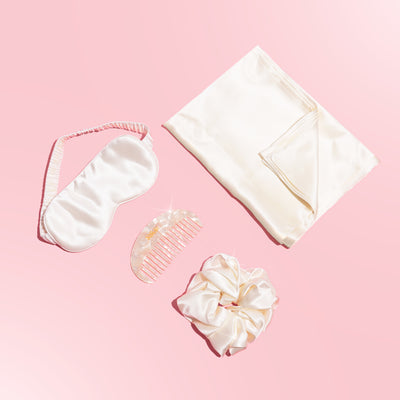
A mulberry silk pillowcase reduces overnight friction, allowing hair to recover passively instead of being stressed for hours at a time.
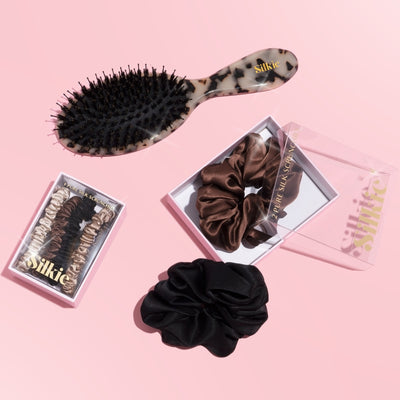
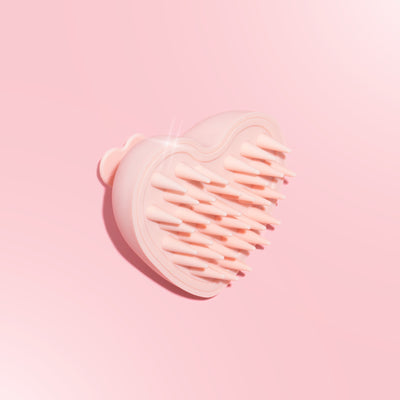
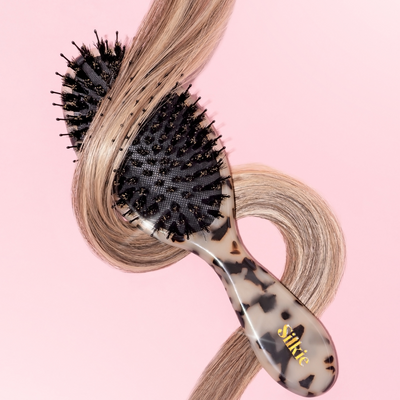
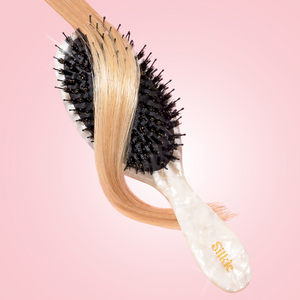
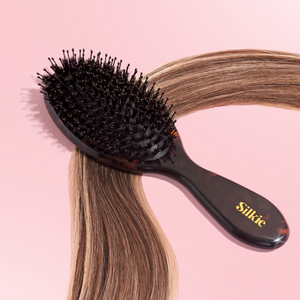
A boar bristle brush smooths the cuticle and redistributes natural oils without pulling fatigued strands.
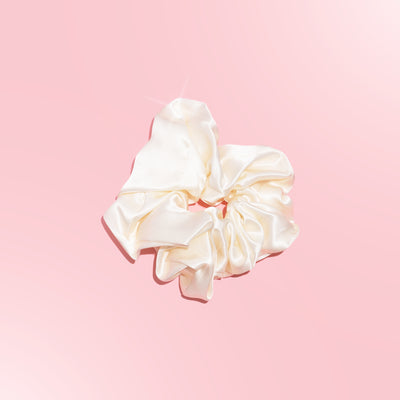
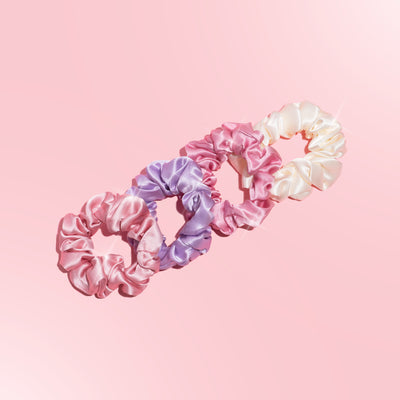
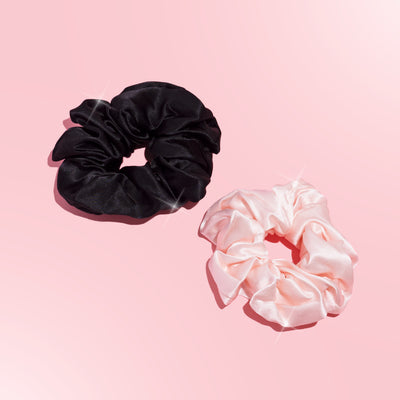
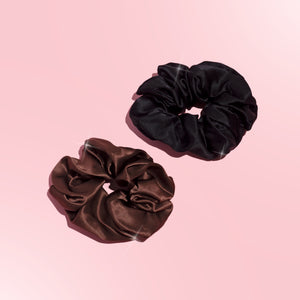
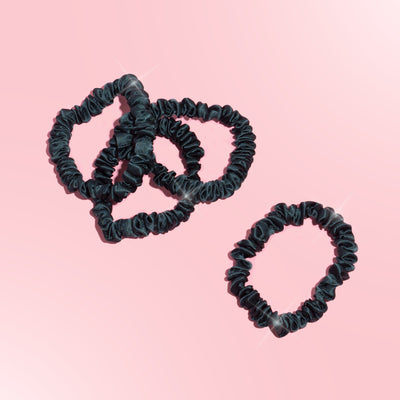
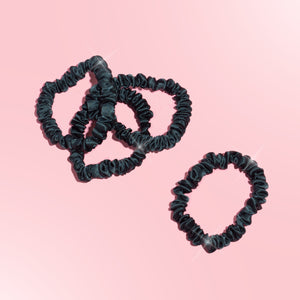
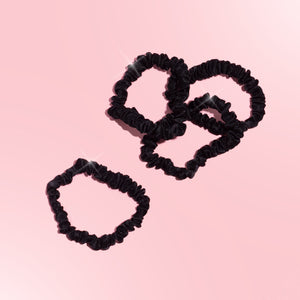
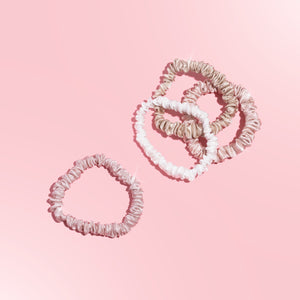
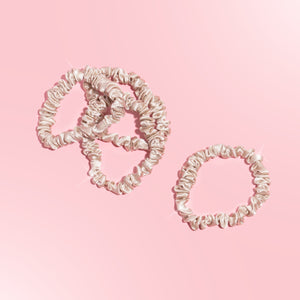
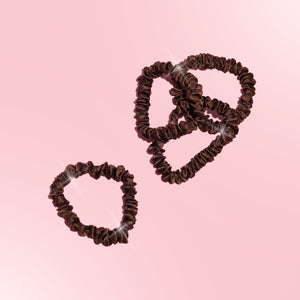
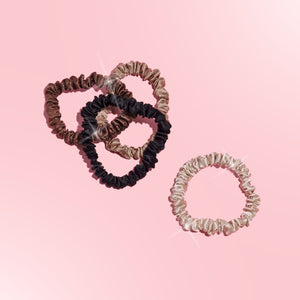
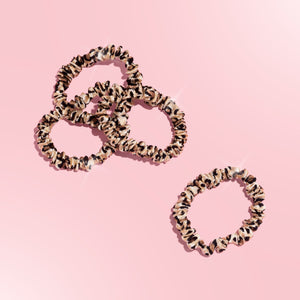
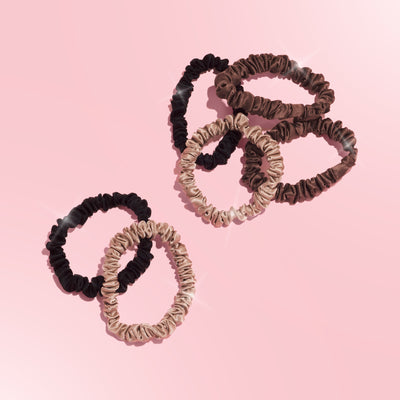
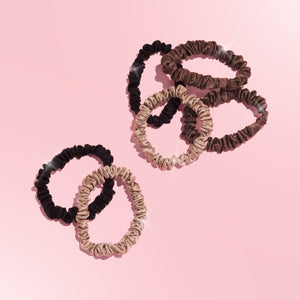
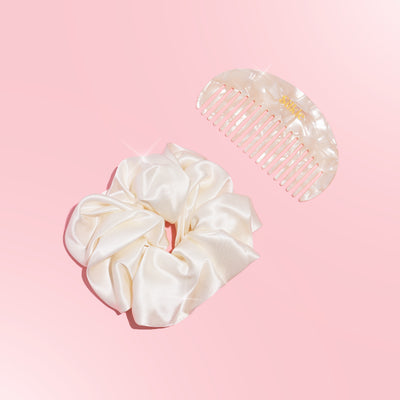
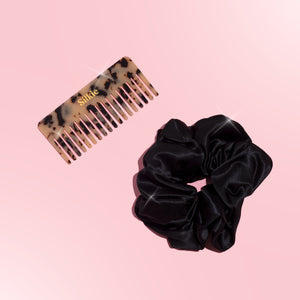
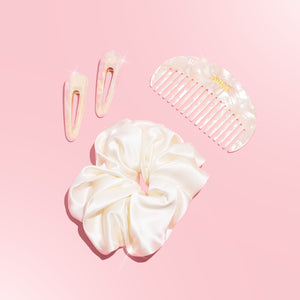
Silk scrunchies prevent repetitive tension that leads to exhaustion at stress points.
These tools support recovery without forcing repair.
Prevention Is the Common Ground
While damage and fatigue are different, they share a solution.
Lower friction.
Gentler handling.
Consistent protection.
When daily stress is reduced, fatigued hair regains strength — and damaged hair stops progressing further.
Strong Hair Isn’t Always About Fixing
Sometimes hair doesn’t need to be repaired.
It needs to be left alone — but supported properly.
Understanding the difference between damage and fatigue allows you to respond thoughtfully instead of reactively, building hair health that lasts.
Support your hair, don’t exhaust it.
Explore silk pillowcases, brushes, and hair accessories designed for low-damage daily care at www.shopsilkie.com.