







The Difference Between Secure Styling and Over-Tight Styling
Not all “held in place” hairstyles are created equal. Some styles keep hair secure without stress, while others rely on excessive tension that quietly contributes to breakage, thinning, and discomfort over time. Understanding the difference between secure styling and over-tight styling helps you protect your hair while still keeping it neat and controlled.
What “Secure Styling” Actually Means
Secure styling simply means your hair stays in place without constant adjustment.
A properly secure style:
- Holds hair comfortably
- Maintains shape throughout the day
- Doesn’t cause pain or pulling
- Allows slight natural movement
The key idea is stability without strain.
What Over-Tight Styling Does to Hair
Over-tight styling happens when hair is pulled more than necessary to achieve hold.
This often results in:
- Excess tension at the roots
- Pressure on the hairline
- Reduced blood flow comfort at the scalp
- Increased friction at fixed points
Even if the style looks clean, the hair is under continuous stress.
The Hidden Damage From Constant Tension
When hair is styled too tightly, the same areas experience repeated strain.
Over time, this can lead to:
- Breakage at the hairline
- Weakening of strands near the root
- Short “baby hairs” from snapping
- Long-term thinning in high-tension zones
The damage builds slowly and is often unnoticed at first.
Why Hairline Stress Happens First
The hairline is one of the most vulnerable areas because:
- Strands are finer and more delicate
- Styles pull directly from this region
- It experiences daily repeated tension
Over-tight styling often shows its first visible effects here.
Secure Styling = Even Tension Distribution
The difference between secure and over-tight styling often comes down to pressure distribution.
Secure styles:
- Spread tension across more hair
- Avoid pulling a single point repeatedly
- Reduce localized stress
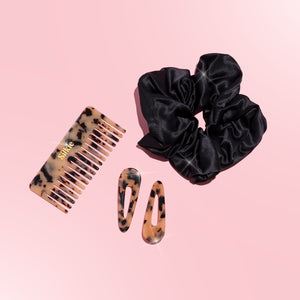
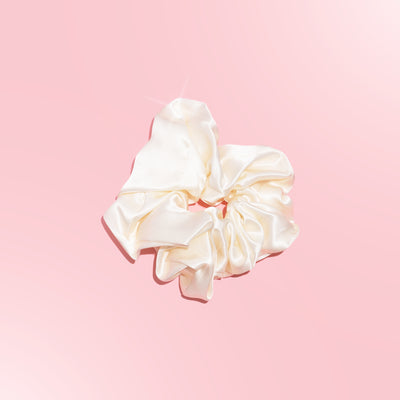
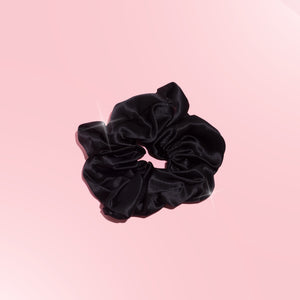
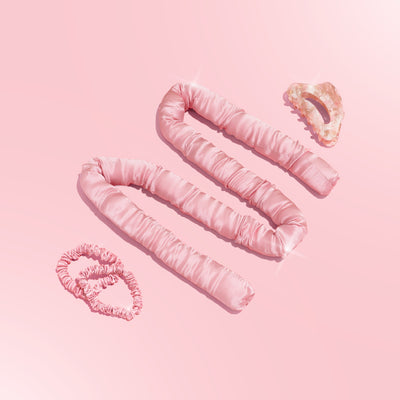
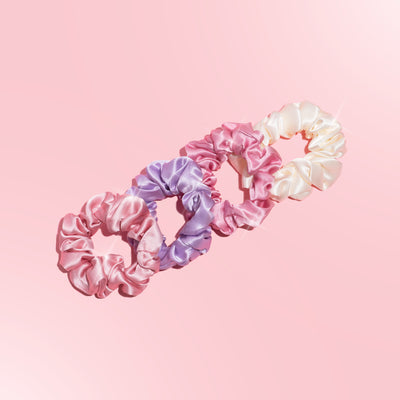
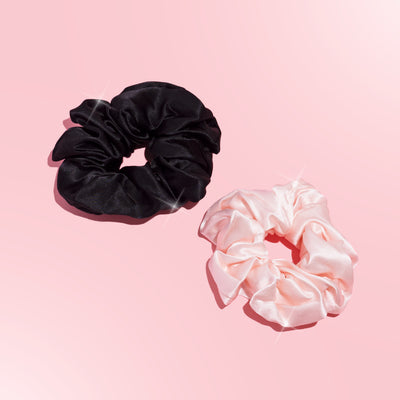
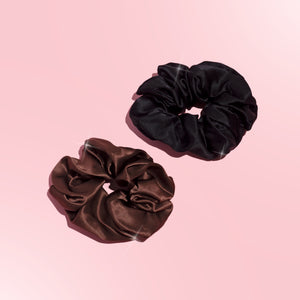
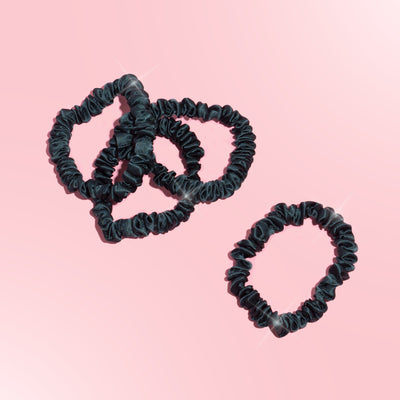
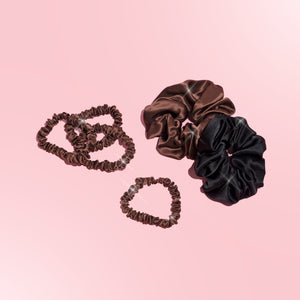
Silkie’s silk scrunchies help support this by distributing pressure more evenly than traditional elastics, which often concentrate force in one tight band.
Over-Tight Styling = Concentrated Pressure Points
Traditional tight styling tools tend to:
- Grip hair sharply in one area
- Create a strong fixed hold
- Restrict natural movement
This concentrated pressure leads to:
- Breakage at the tie point
- Increased hair shaft stress
- Dents and creases after removal
Even if it feels “secure,” the hair is under more load than necessary.
How Friction Increases With Tight Styling
Tighter styles don’t just add tension—they also increase friction.
This happens when:
- Hair strands rub tightly against each other
- The accessory grips and pulls during movement
- Hair is restricted from shifting naturally
Over time, this leads to rougher texture and more tangling.
Why Looser Doesn’t Mean Less Secure
A common misconception is that looser styles don’t hold well.
In reality, secure styling depends on:
- Balance
- Placement
- Material of the accessory
- Even distribution of pressure
A properly designed accessory can hold hair firmly without pulling it tightly.
Silkie’s silk scrunchies are designed for this balance—secure enough for daily wear, but gentle enough to reduce unnecessary stress.
Everyday Signs Your Style Is Too Tight
Your hair may be under too much tension if you notice:
- Headache or scalp discomfort
- Red marks after removing ties
- Short broken hairs near the front
- Hair feeling “pulled back” even after removal
- Increased shedding around tied areas
These are early indicators of over-tight styling habits.
The Long-Term Impact of Over-Tight Styling
If repeated daily, over-tight styling can lead to:
- Gradual thinning at stress points
- Reduced hair elasticity
- Increased breakage during brushing
- Weakened hairline density
Because the damage is slow, it often goes unnoticed until it becomes more visible.
How to Transition to Secure, Low-Stress Styling
Shifting from over-tight to secure styling doesn’t require changing your hairstyle completely.
Instead, focus on:
- Loosening tension slightly
- Changing tie positions regularly
- Using softer, more flexible accessories
- Avoiding constant re-tightening throughout the day
Small adjustments make a significant difference over time.
Why Accessories Matter More Than You Think
The tool you use to secure your hair plays a major role in how much stress is applied.
Traditional elastics often:
- Dig into the hair shaft
- Create sharp tension points
- Increase long-term breakage risk
Silkie’s silk scrunchies help reduce these effects by providing a softer hold that maintains structure without excessive force.
Secure Styling Supports Long-Term Hair Health
When styling is secure but not tight, hair benefits from:
- Reduced breakage
- Less tension on the scalp
- Better retention of length
- Improved comfort throughout the day
The goal is stability without stress.
Building Healthier Styling Habits Over Time
Healthier styling is not about limiting hairstyles—it’s about adjusting how they’re held.
A better approach includes:
- Prioritizing comfort over tightness
- Choosing gentle accessories
- Avoiding repeated strain on the same areas
- Letting hair rest between tight styles
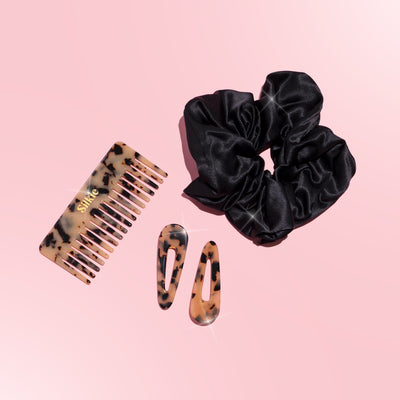
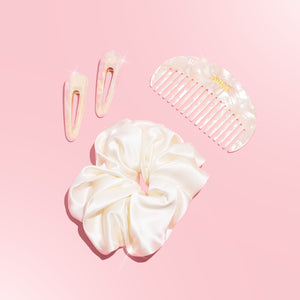
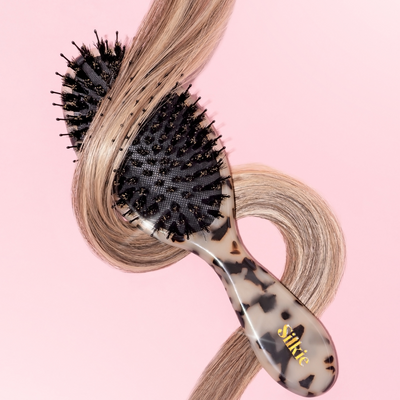
Silkie’s silk scrunchies and gentle hair tools support this transition by reducing daily mechanical stress.
Style Your Hair Without Compromise With Silkie
Secure styling should not come at the cost of hair health. By reducing tension and choosing gentler accessories, you can maintain your favorite hairstyles while protecting your strands over time.
Silkie’s silk scrunchies and hair-friendly essentials are designed to give you hold, comfort, and long-term care in one simple upgrade.
Explore the full collection at www.shopsilkie.com and experience the difference between tight styling and truly secure styling.
SHOP OUR SILKIE PRODUCTS

Individual Silkie scrunchie (Colour may vary)
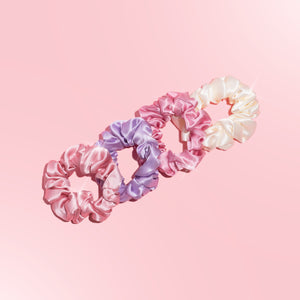
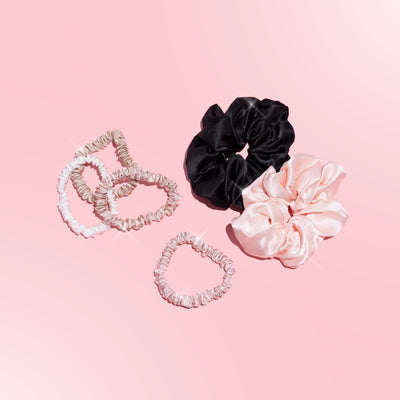
Pure Silk Pastel Scrunchies (Set of 4)
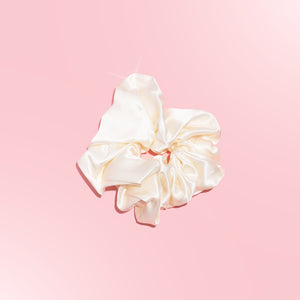
Pure Silk Deluxe Scrunchie
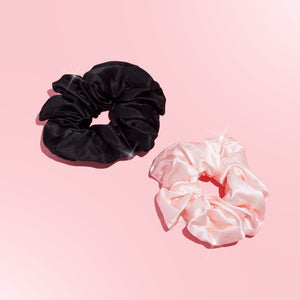
Pure Silk Scrunchies (Set of 2)
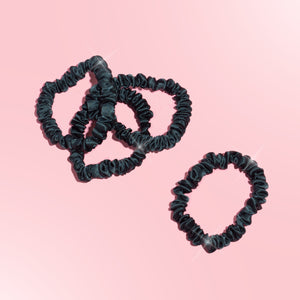
Pure Silk Skinny Scrunchies (Set of 4)
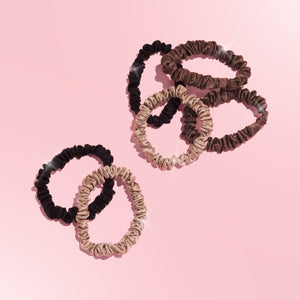
Pure Silk Skinny Scrunchies - Set of 6
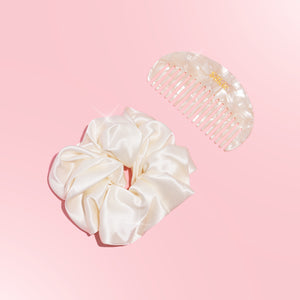
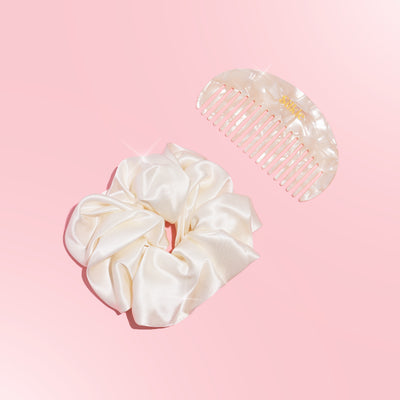
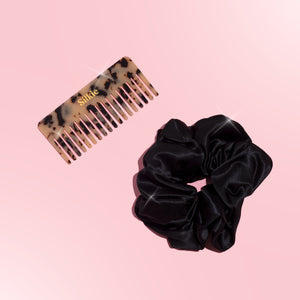
Silkie Styling Duo – Acetate Comb & Deluxe Scrunchie
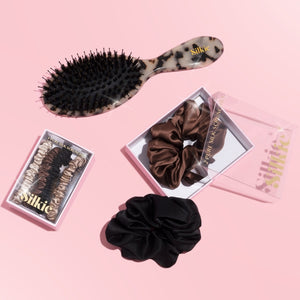
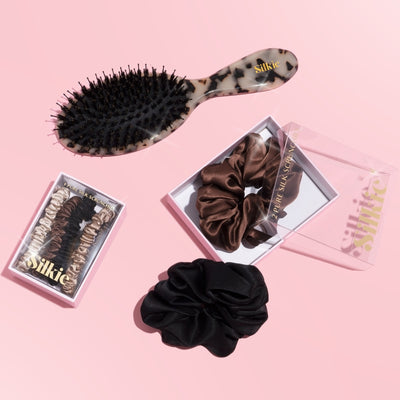
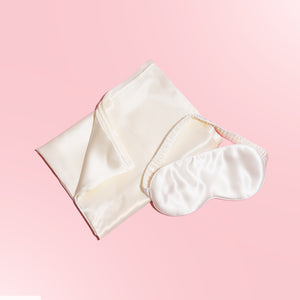
Smoothing Essential Set
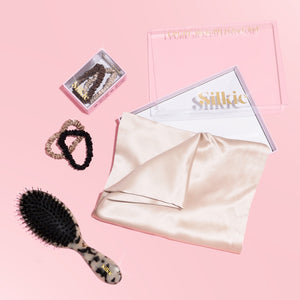
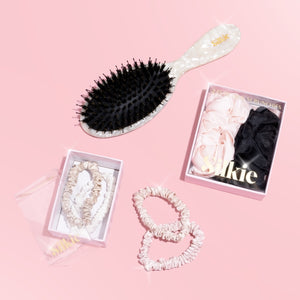
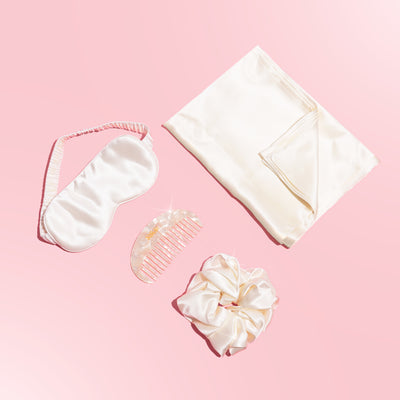
The Dream & Shine Set
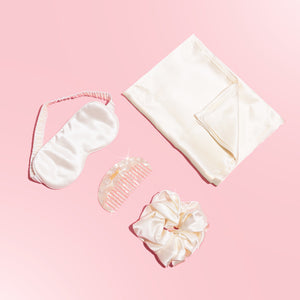
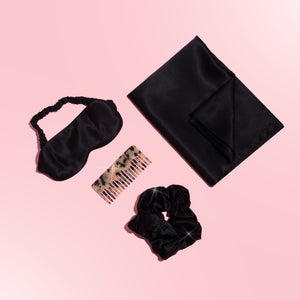
The Silkie Experience Set
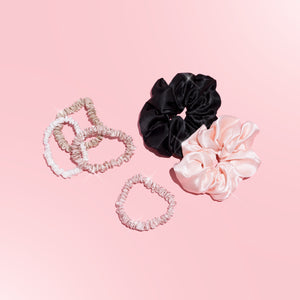
The Silkie Starter Set