The Little Things You Do That Can Change How Your Hair Feels
Your hair doesn't only respond to major changes in your routine. The small things you do every day can also influence how your hair feels, from the way you brush it in the morning to how you tie it up before bed. You may not notice these habits individually, but over time, they can affect how smooth, soft, tangled, or manageable your hair feels. Paying attention to these little details can help you create a gentler routine without making haircare complicated.
Your Everyday Habits Matter
Haircare isn't limited to shampoo, conditioner, and treatments.
Everyday actions like brushing, tying your hair up, drying it, and even the way you sleep can influence how your hair feels.
You don't need to completely change your routine. Sometimes, making small adjustments to the habits you already have is enough.
How You Brush Your Hair Matters
Brushing is something many people do without thinking about it.
But rushing through tangles or repeatedly brushing the same section can create unnecessary friction.
Instead, start at the ends and slowly work toward the roots.
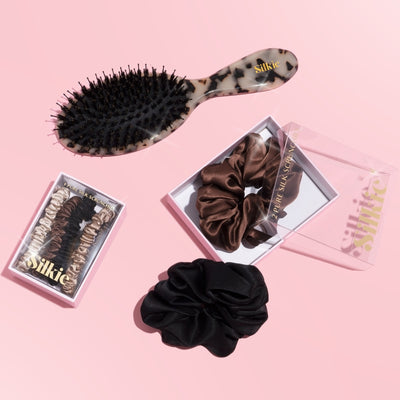
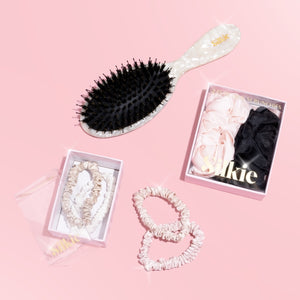
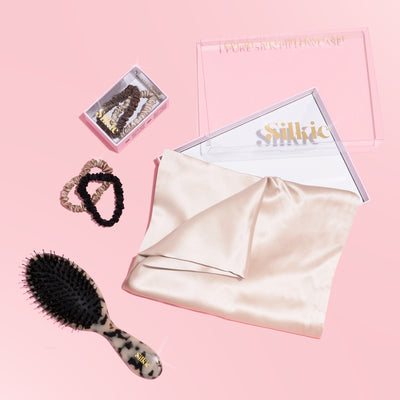
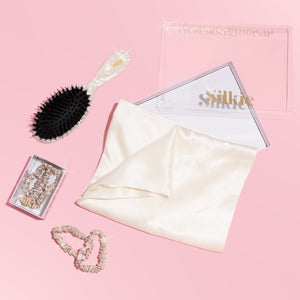
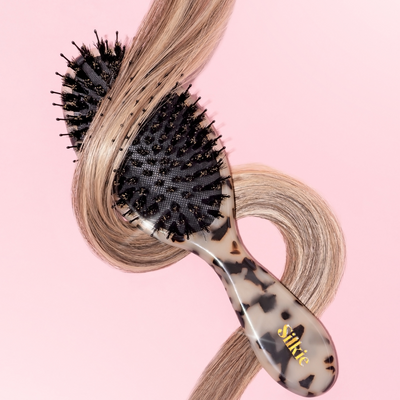
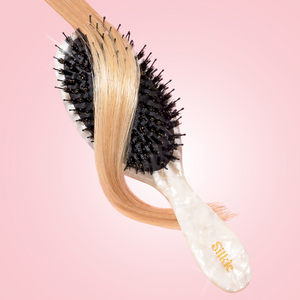
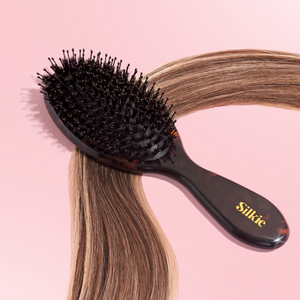
Silkie's hair brush can be incorporated into your daily routine to help make detangling more gentle and manageable.
Taking an extra minute to brush carefully can make a noticeable difference in how your hair feels afterward.
The Way You Dry Your Hair Can Make a Difference
Your hair is more vulnerable to mechanical stress when it's wet.
Roughly rubbing your hair with a towel or aggressively brushing through wet tangles can make your routine harder on your strands.
Instead, gently squeeze out excess water and handle your hair carefully.
If you need to detangle, work slowly and avoid forcing your brush through knots.
How Often You Touch Your Hair
You may not realize how often you run your fingers through your hair throughout the day.
Adjusting your part, smoothing flyaways, twisting strands, and repeatedly fixing your hairstyle all add more manipulation.
You don't have to avoid touching your hair completely.
Simply being more intentional about it can help reduce unnecessary handling.
Tight Hairstyles Can Change How Your Hair Feels
A tight ponytail may keep your hair in place, but wearing the same style for hours can make your scalp feel uncomfortable.
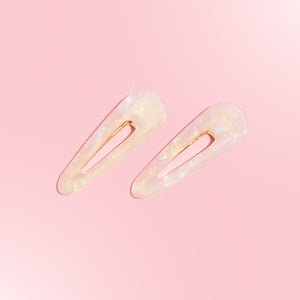
Try alternating between different hairstyles and choosing looser options when possible.
A low ponytail, relaxed braid, or loose bun can keep your hair controlled without requiring excessive tension.
Your Hair Tie Matters
The accessory you use to secure your hair can also influence how your hair feels.
Traditional elastics can sometimes create tight creases or catch onto the hair when removed.
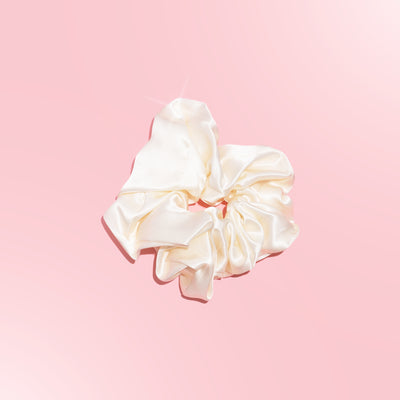
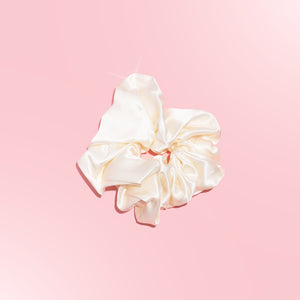
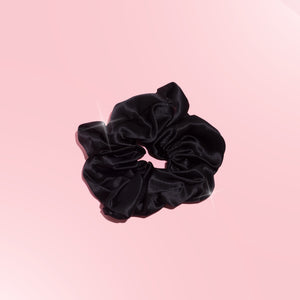
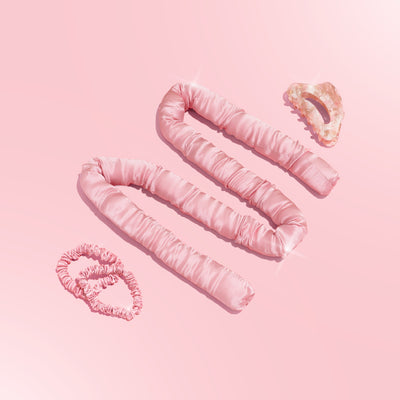
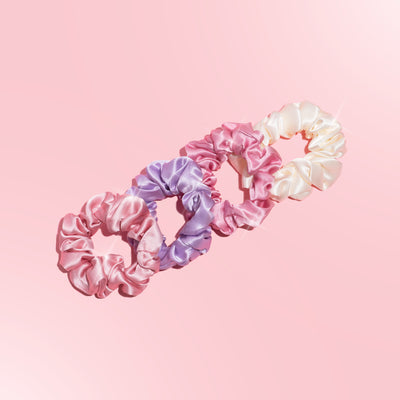
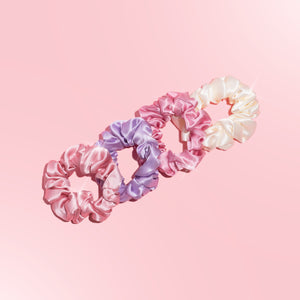
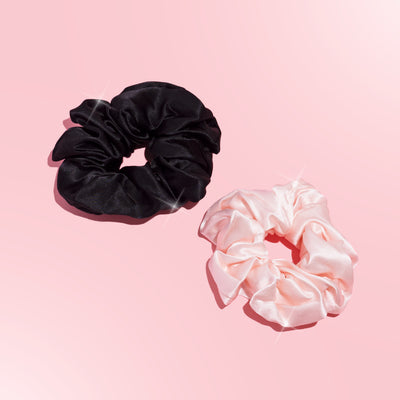
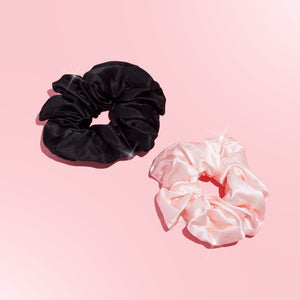
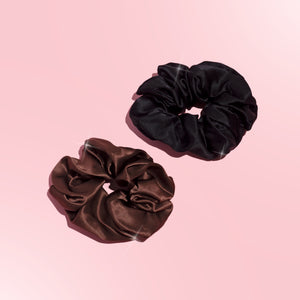
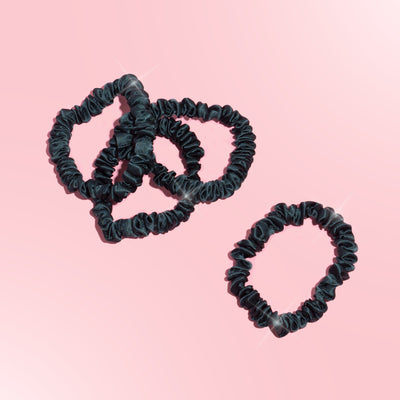
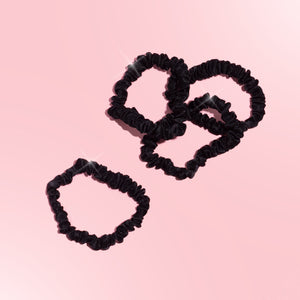
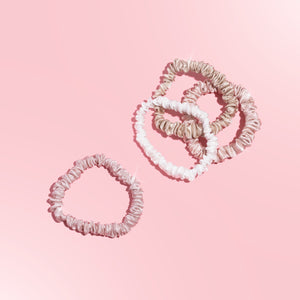
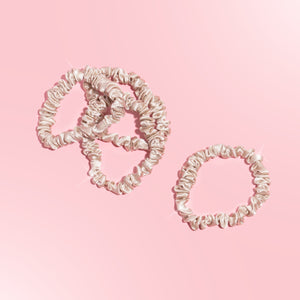
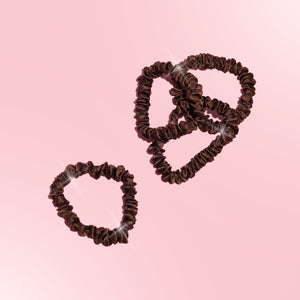
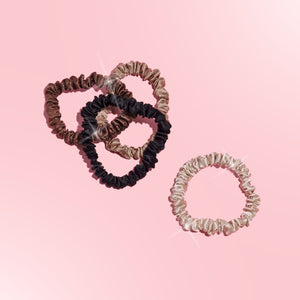
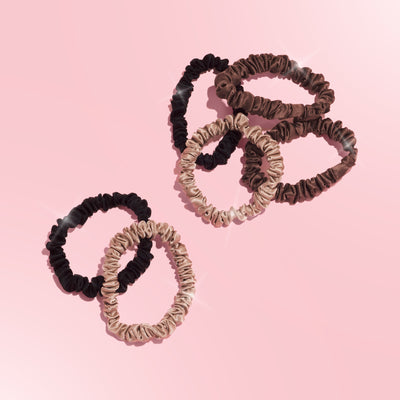
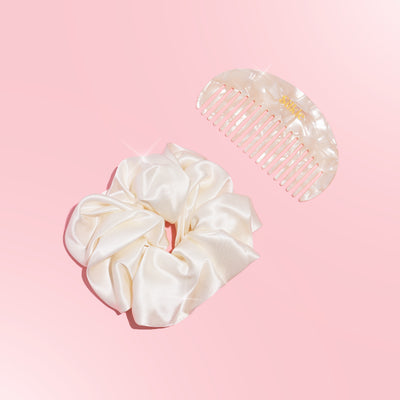
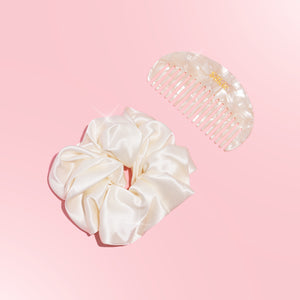
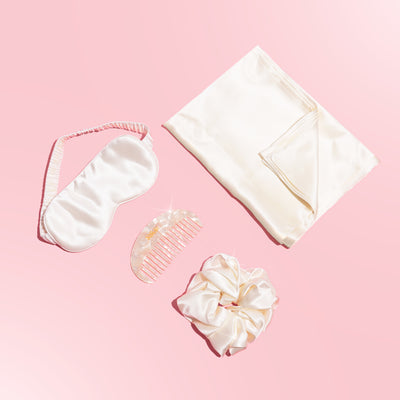
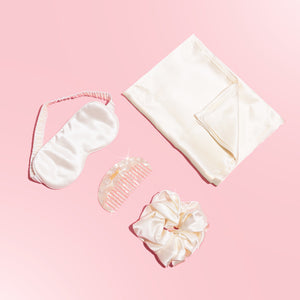
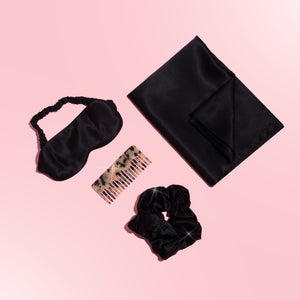
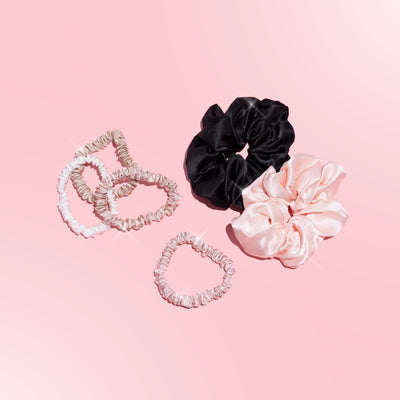
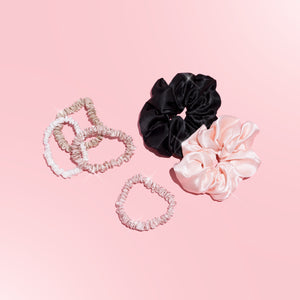
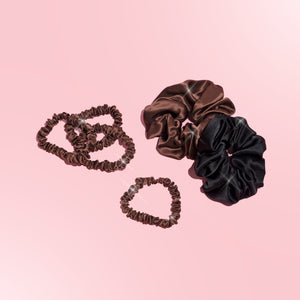
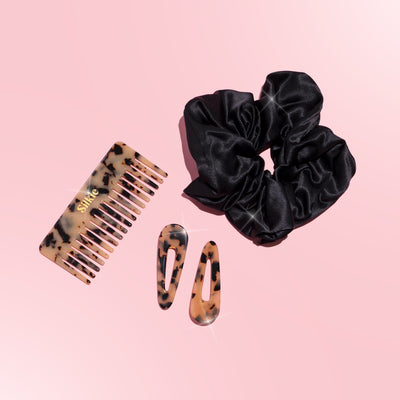
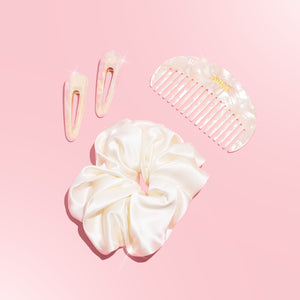
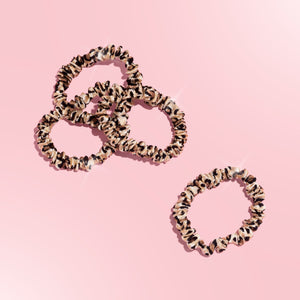
Silkie's silk scrunchies offer a softer alternative for everyday hairstyles and can help minimize friction when securing your hair.
Small changes like this can make your routine feel more comfortable.
Don't Brush Just Because Your Hair Isn't Perfect
Hair doesn't need to look perfectly smooth all day.
If you notice a few flyaways or your natural texture starts to change, you don't necessarily need to brush everything again.
Repeated brushing can flatten volume or disturb waves and curls.
Sometimes, leaving your hair alone is the gentler choice.
Your Natural Texture Deserves Some Space
Your hair's natural texture can change throughout the day.
Waves may become softer, curls may shift, and straight hair may develop a little movement.
Instead of constantly trying to return your hair to how it looked in the morning, allow some of that natural movement to remain.
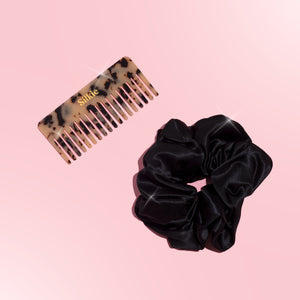
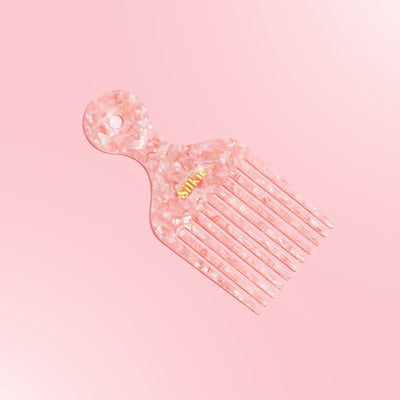
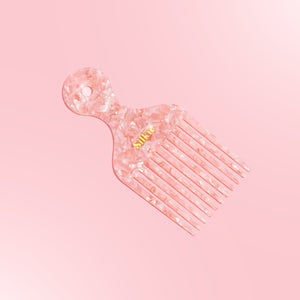
For textured hair, Silkie's texture pick can help refresh root volume without requiring you to brush through the entire length.
What You Wear Can Affect Your Hair
Your hair can rub against your clothes throughout the day.
Sweaters, scarves, jackets, and high collars can create additional friction, particularly around the nape and ends.
If you notice that certain fabrics consistently leave your hair tangled, try securing your hair loosely or keeping the lengths away from your clothing.
You don't have to avoid your favorite clothes. Just be aware of how they interact with your hair.
Your Nighttime Routine Matters
Some of the most important haircare habits happen while you're asleep.
Your hair can move against your pillow for several hours, creating friction that may contribute to tangling and frizz.
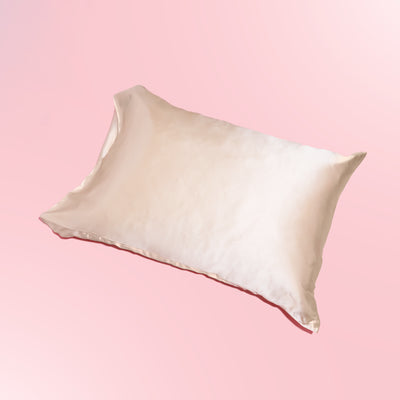
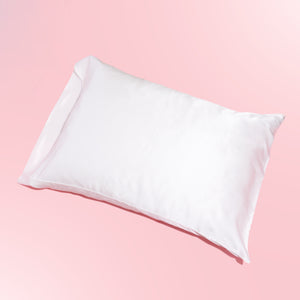
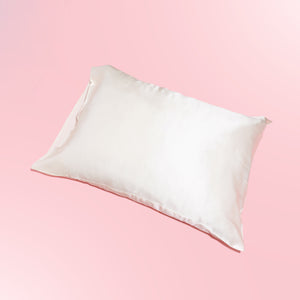
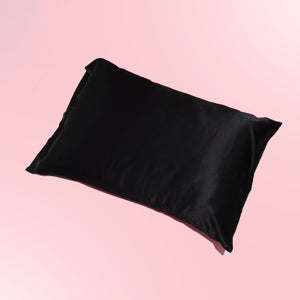
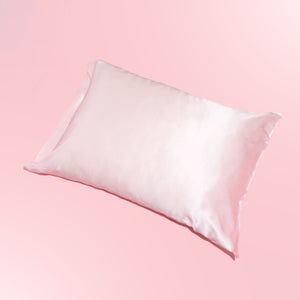
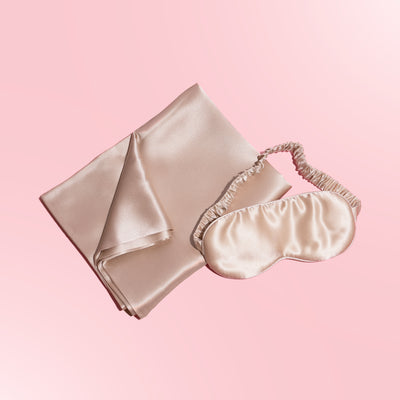
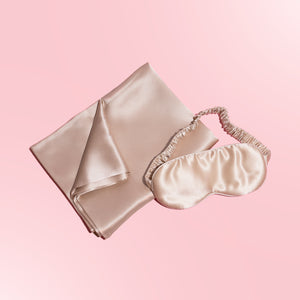
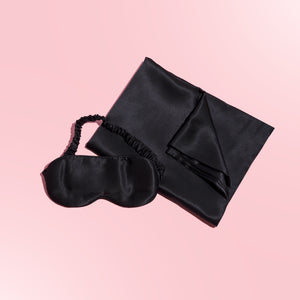
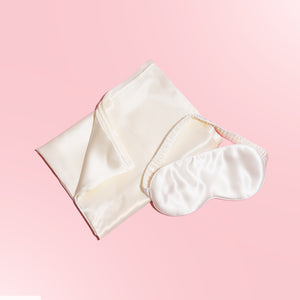
Silkie's mulberry silk pillowcases provide a smooth sleeping surface that helps reduce overnight friction.
Starting the day with fewer tangles can mean less brushing and manipulation in the morning.
Don't Forget Your Scalp
The way you care for your scalp can also affect how your hair feels.
During washing, gentle massage can make cleansing feel more thorough and enjoyable without requiring aggressive scrubbing.
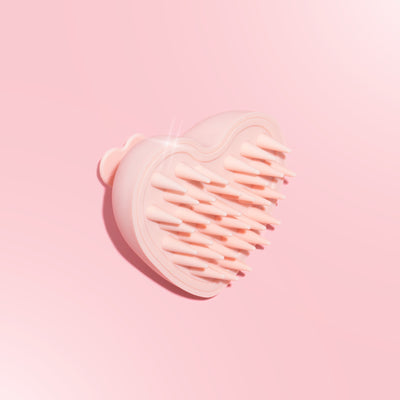
Silkie's scalp massager can be used while shampooing to gently massage the scalp and help distribute your cleanser.
Keep the pressure comfortable and avoid using your nails.
Small Changes to Your Washing Routine
How you wash your hair can influence how manageable it feels afterward.
Focus shampoo primarily on the scalp, where oil and buildup accumulate.
Allow the product to rinse through the lengths rather than aggressively scrubbing them.
When conditioning, focus on the mid-lengths and ends where additional softness and manageability may be needed.
Simple technique changes can make your routine more effective.
Your Hair Doesn't Need Constant Attention
One of the easiest habits to change is how often you feel the need to fix your hair.
Once you've styled it, try giving it some time without adjusting it constantly.
Less touching, brushing, and restyling can help preserve the finish you created in the first place.
Sometimes, the best thing you can do for your hair is simply leave it alone.
A Few Small Habits to Try
You don't need to change everything at once.
Start with a few simple adjustments:
Brush gently: Start at the ends and work upward.
Secure loosely: Avoid unnecessarily tight hairstyles.
Use softer accessories: Choose hair ties that are comfortable and gentle.
Reduce unnecessary brushing: Don't restyle your hair every time it moves.
Protect overnight: Reduce friction while you sleep.
Work with your texture: Let your natural waves or curls move naturally.
Small habits can become meaningful changes when you repeat them consistently.
Your Routine Is Made Up of Little Things
The way your hair feels isn't determined by one product or one styling session.
It's influenced by everything you do repeatedly.
How you brush. How you tie it up. How you dry it. How you sleep. How often you touch it.
These small choices may seem insignificant, but together they shape your everyday haircare routine.
Make the Little Things Count With Silkie
Healthier-feeling, more manageable hair doesn't always require a complicated routine. Paying attention to the small ways you handle your hair each day can help you reduce unnecessary friction and manipulation.
Silkie's collection of hair brushes, scalp massagers, texture picks, silk scrunchies, and mulberry silk pillowcases is designed to support gentler everyday haircare from morning to night.
Explore the collection at www.shopsilkie.com and discover how small changes can make your everyday hair routine feel better.