













The Role of Sleep Friction in Causing Hair Breakage — and How to Stop It
Does Your Pillowcase Cause Damage Without You Knowing?
Most people think hair breakage happens only during heat styling or brushing. But the truth is surprisingly simple: the worst damage happens while you sleep, when your hair rubs against rough fabrics for hours at a time.
Cotton and similar materials pull moisture from your strands and create friction every time you turn your head. That friction leads to lost smoothness, broken ends, and long-term thinning. If you’ve ever woken up with tangled hair, frizz that came out of nowhere, or ends that seem drier in the morning than they were at night—you’re experiencing sleep friction.
Why Sleep Friction Is So Harmful
You’re unconscious. You’re turning your head hundreds of times throughout the night. And your hair is pressed against a surface that wasn’t designed for delicate strands.
Here’s what happens during those hours:
1. Each Toss and Turn Causes Micro-Tears
Even gentle movements create tiny tears that weaken your cuticle layer. Over time, these micro-tears collect into visible breakage.
2. Cotton Absorbs Hair’s Natural Oils
When your pillow absorbs your moisture instead of preserving it, your hair becomes brittle, dehydrated, and far more prone to snapping.
3. Friction Leads to Morning Tangles
Knots aren’t just an inconvenience. They’re a sign that your strands are clinging and twisting against rough fibers—leading to more damage when you try to brush them out.
4. Fragile Hair Suffers the Most
If your hair is color-treated, bleached, curly, or already dry, friction multiplies the damage. Curly hair, especially, loses definition and hydration with rough pillowcases.
The Most Effective Way to Reduce Sleep Friction
There’s only one proven way to reduce nightly breakage: sleeping on fabric that doesn’t pull, drag, or snag the hair.
That’s exactly what high-quality silk is made for.
Silk offers a naturally smooth, low-friction surface that allows your strands to glide effortlessly while you sleep. Instead of absorbing oils, it helps your hair retain moisture. Instead of tugging at your cuticles, it protects them.
This is where Silkie comes in.
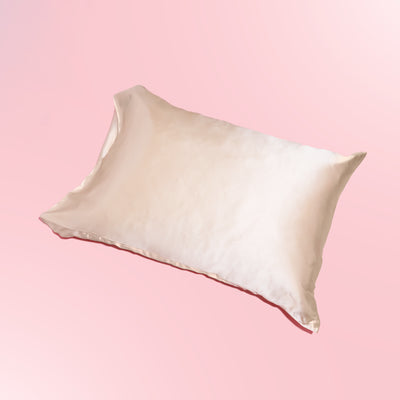
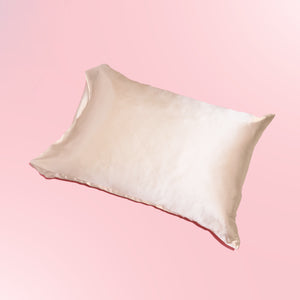
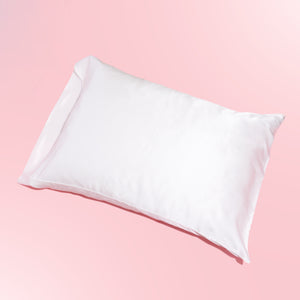
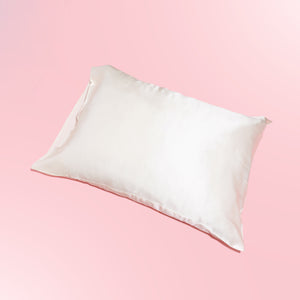
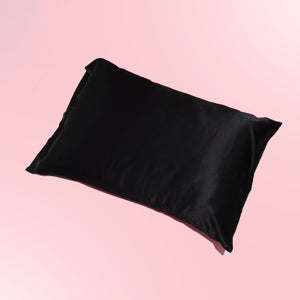
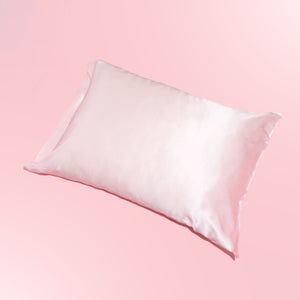
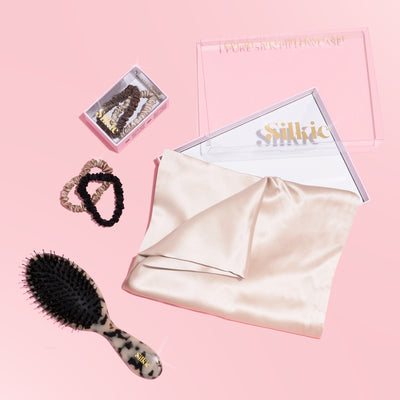
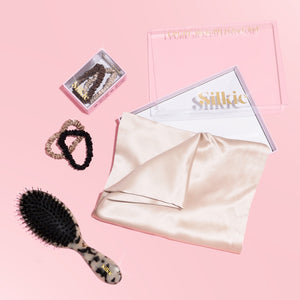
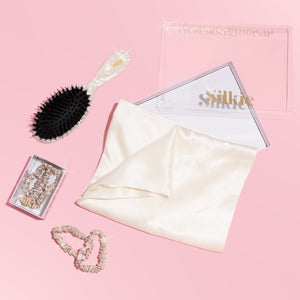
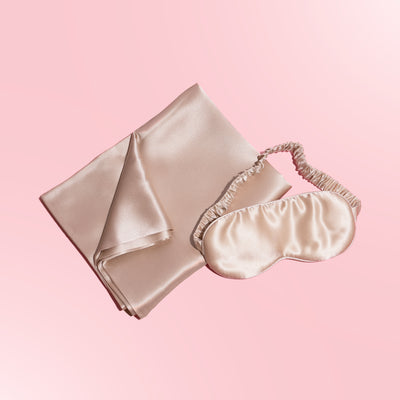
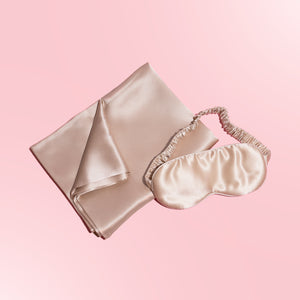
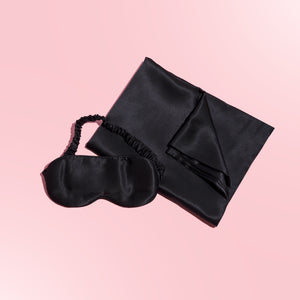
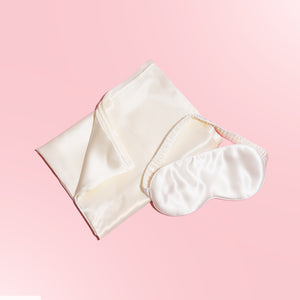
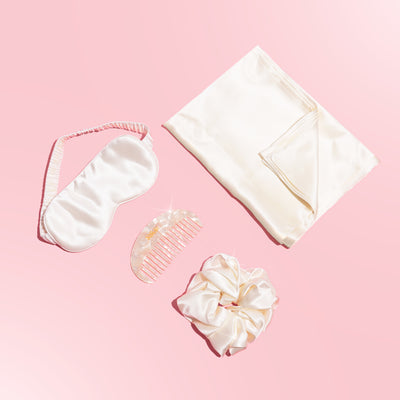
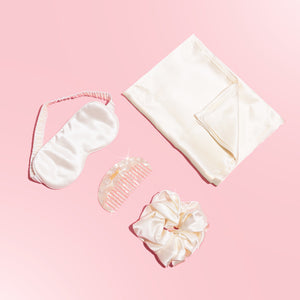
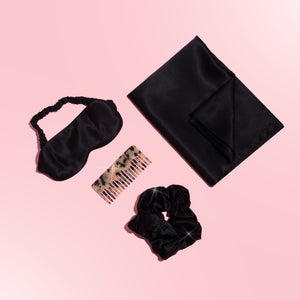
Featured Product: Silkie 100% Mulberry Silk Pillowcase
Crafted from premium-grade mulberry silk, Silkie pillowcases help reduce friction, support hydration retention, and minimize morning frizz. Many users notice smoother hair, fewer tangles, and healthier-looking ends after just one week.
Explore Silkie pillowcases at www.shopsilkie.com for the softest, most restorative sleep upgrade your hair will ever experience.
Other Habits That Help Reduce Breakage While You Sleep
A silk pillowcase is your foundation—but pairing it with the right nighttime habits makes the transformation even better.
1. Brush Before Bed
Removing tangles reduces stress on your strands as you sleep.
2. Apply a Lightweight Overnight Serum
Hydrated hair is more elastic and less likely to snap.
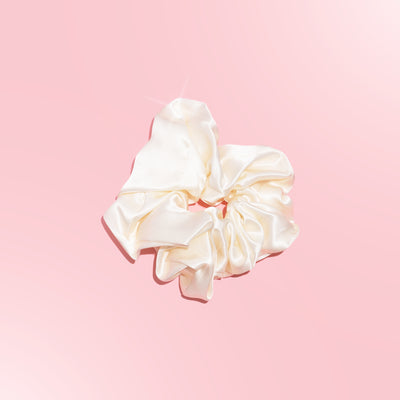
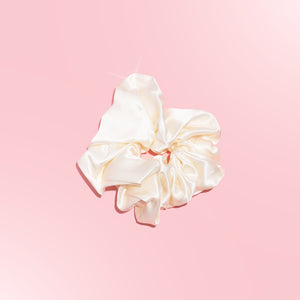
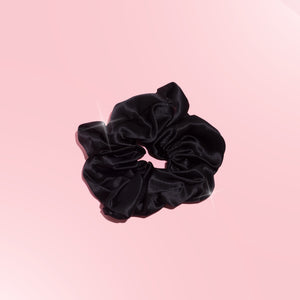
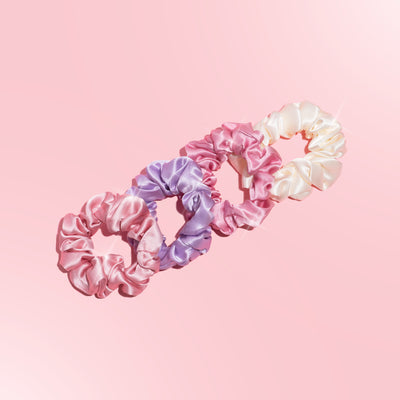
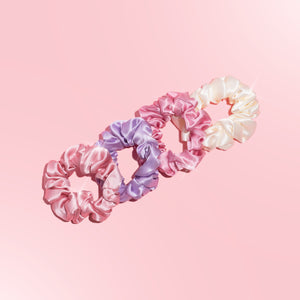
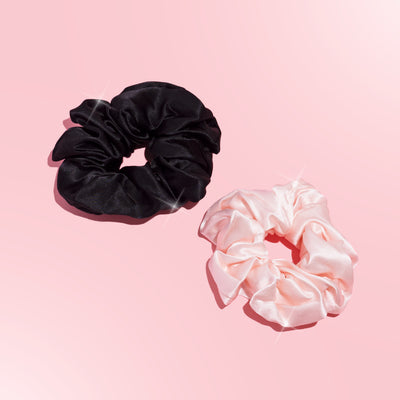
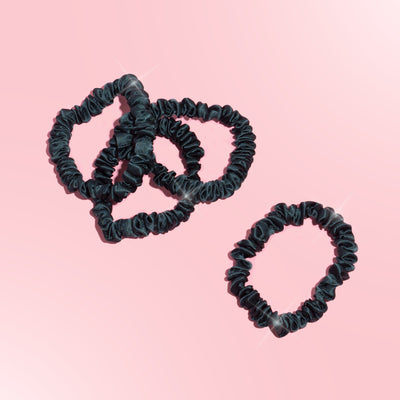
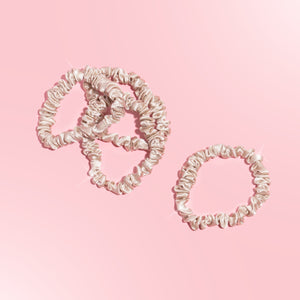
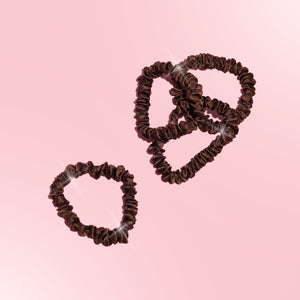
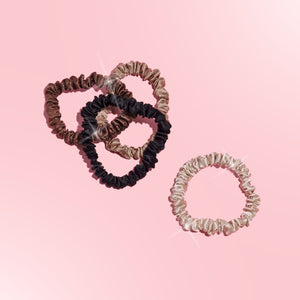
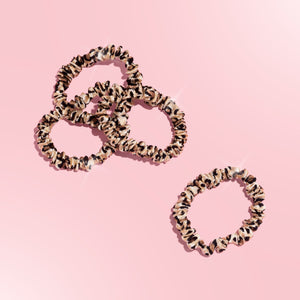
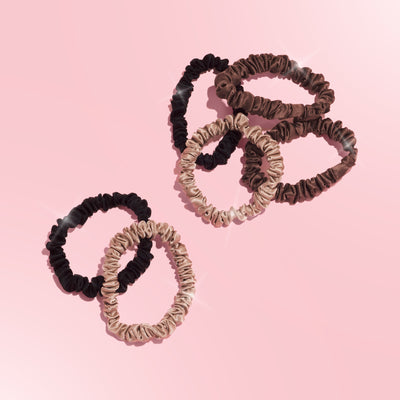
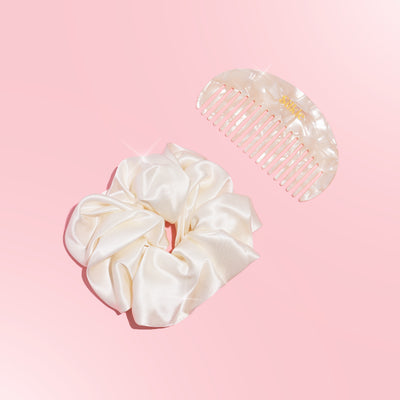
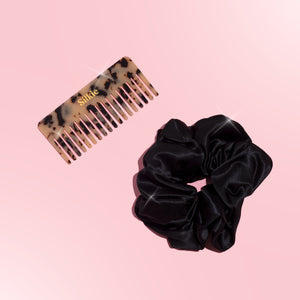
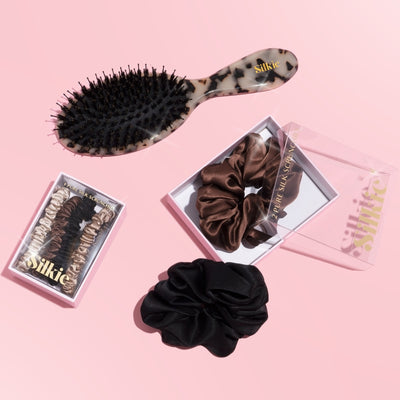
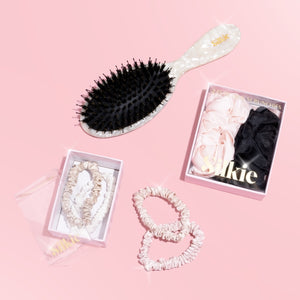
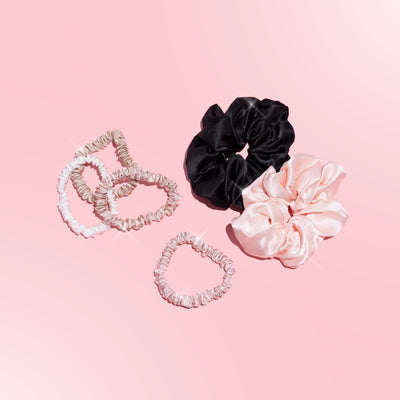
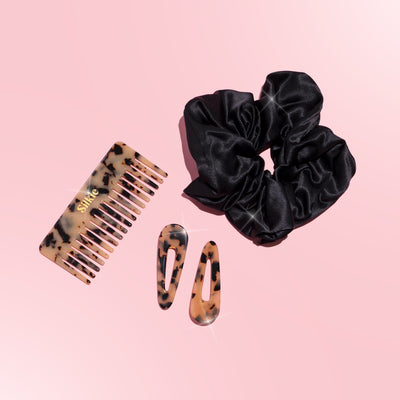
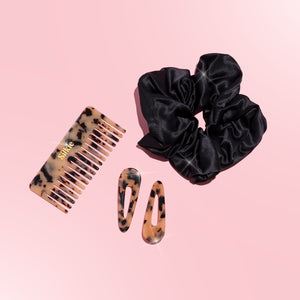
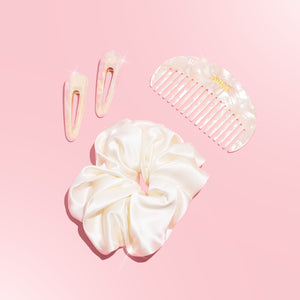
3. Sleep With a Loose Silk Scrunchie
A gentle low ponytail or braid (secured with silk) keeps strands from rubbing excessively against your bedding.
4. Avoid Wet Hair at Bedtime
Wet hair is vulnerable and stretches easily. Always air dry or cool-dry before lying down.
How Long Before You See a Difference?
Most people notice:
-
Less frizz by the next morning
-
Softer, smoother texture within a week
-
Reduced breakage and healthier ends in two to four weeks
Hair grows from the root—but retaining the length you already have is where sleep protection becomes essential.
Final Thoughts: Transform Your Hair Overnight (Literally)
Sleep friction is silent and constant—but preventable. Switching to silk is one of the simplest changes you can make, yet it delivers some of the most dramatic, long-term improvements in hair health.
If you want smoother mornings, stronger strands, and less breakage, start with the surface your hair spends the most time touching.
Protect your hair tonight with Silkie at www.shopsilkie.com