











The Science Behind Cuticle Protection and Fabric Choice
Healthy hair starts at the cuticle. While products promise shine and repair, one overlooked factor plays a major role in cuticle health: fabric choice. The materials your hair touches daily can either protect the cuticle — or slowly wear it down.
What Is the Hair Cuticle?
The cuticle is the outermost layer of the hair strand. It’s made of overlapping cells that resemble roof shingles. When the cuticle lies flat:
-
Hair appears smooth and shiny
-
Moisture stays sealed inside
-
Strands resist tangling
-
Breakage is minimized
When the cuticle is raised or chipped away, hair becomes rough, dry, and fragile.
How Fabric Affects the Cuticle
Every time hair rubs against fabric, friction occurs. Rough or absorbent fabrics create resistance, which can:
-
Lift cuticle layers
-
Strip away natural oils
-
Increase static
-
Cause microscopic surface damage
Over time, this repeated friction weakens the hair shaft.
Why Cotton and Rough Fabrics Increase Damage
Cotton and other textured fabrics tend to:
-
Absorb moisture from hair
-
Create drag during movement
-
Increase tangling overnight
This constant pulling disrupts the smooth alignment of cuticle layers, leading to frizz and split ends.
How Silk Supports Cuticle Protection
Silk has a naturally smooth surface that reduces resistance. Because hair glides across silk instead of catching, it helps:
-
Maintain a flatter cuticle
-
Reduce moisture evaporation
-
Minimize tangles
-
Decrease mechanical stress
By limiting friction, silk helps preserve the integrity of the outer hair layer.
Where Fabric Choice Matters Most
Cuticle protection is especially important during:
Sleep
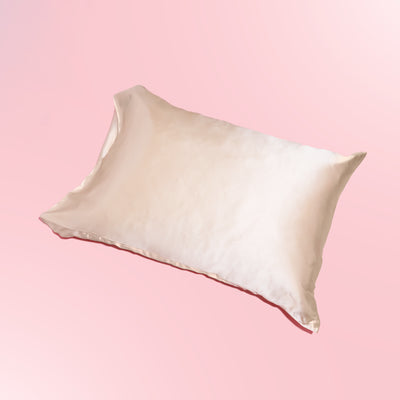
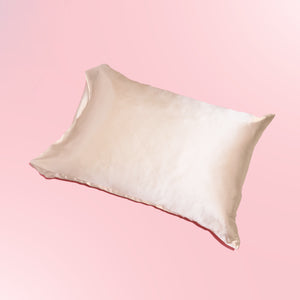
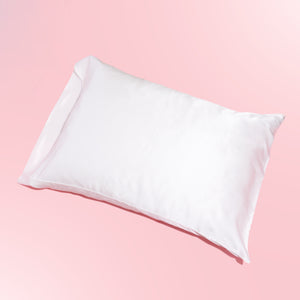
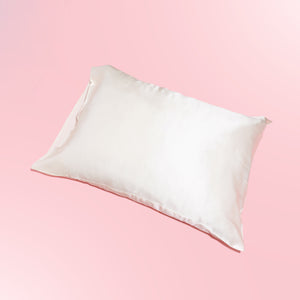
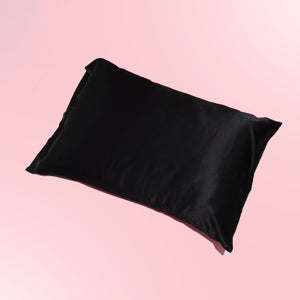
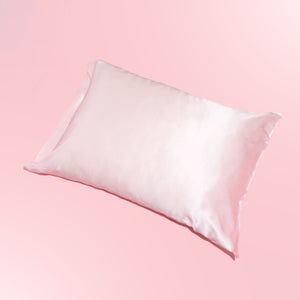
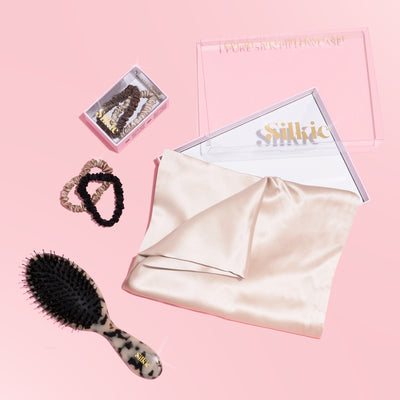
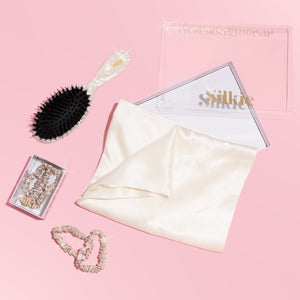
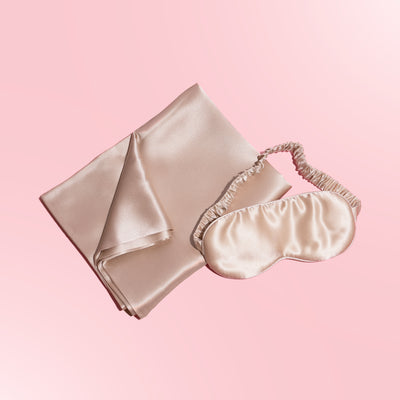
Tossing and turning creates hours of repeated friction. A silk pillowcase allows hair to move freely, protecting the cuticle overnight.
Styling
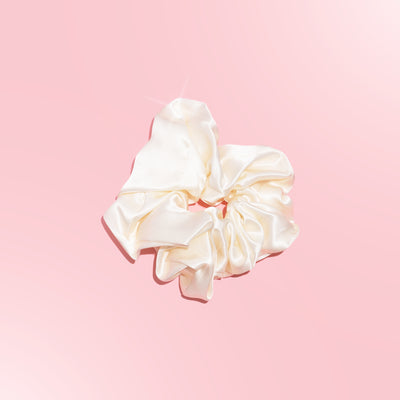
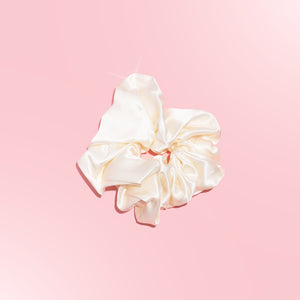
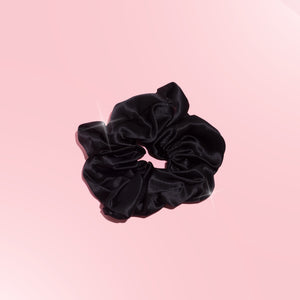
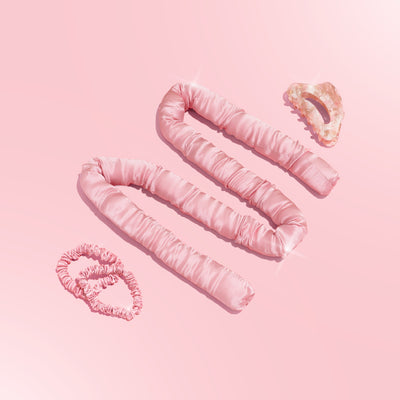
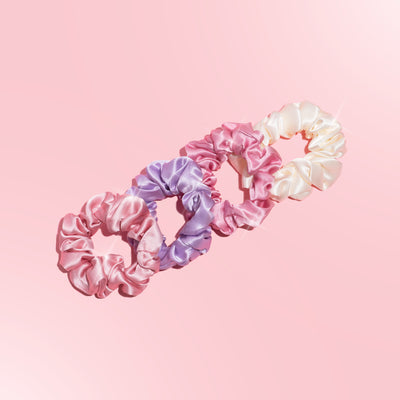
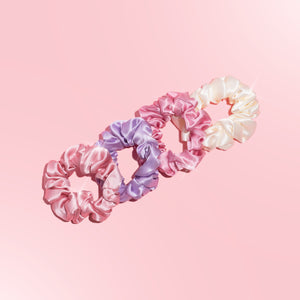
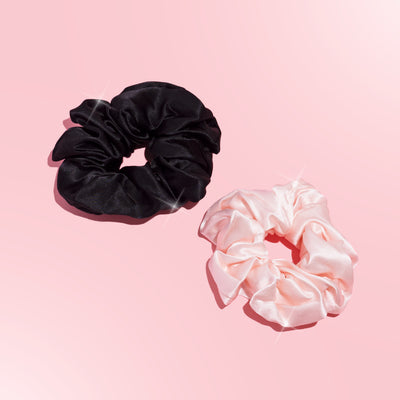
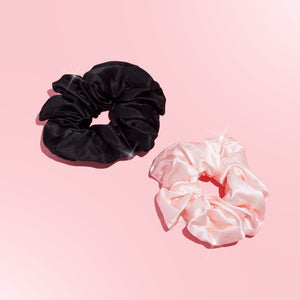
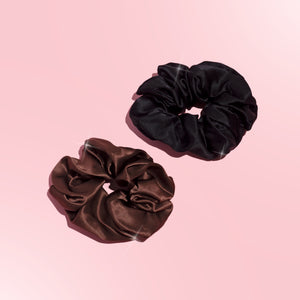
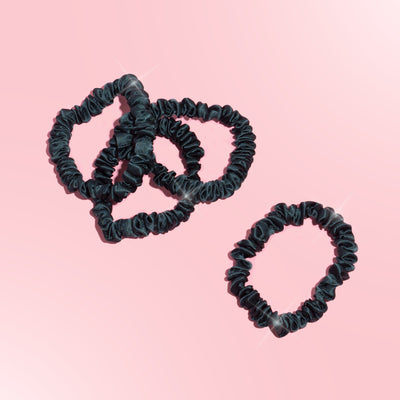
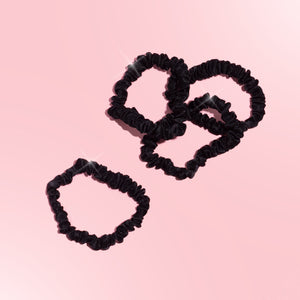
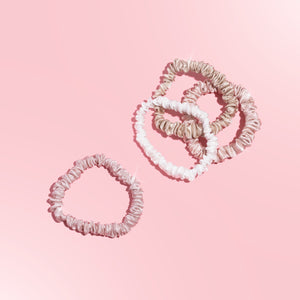
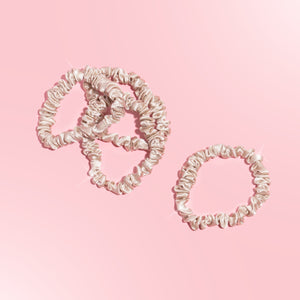
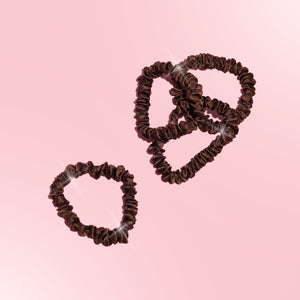
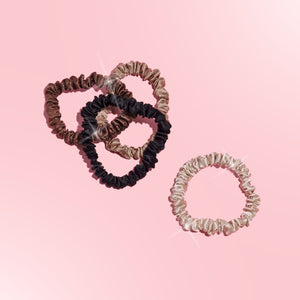
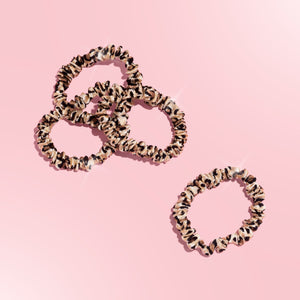
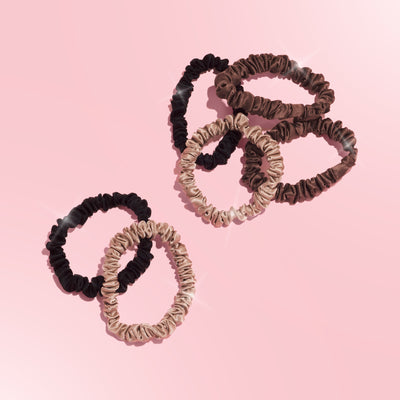
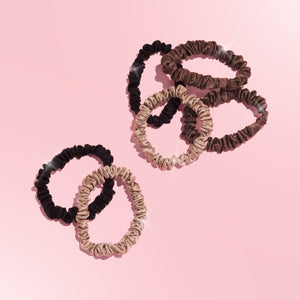
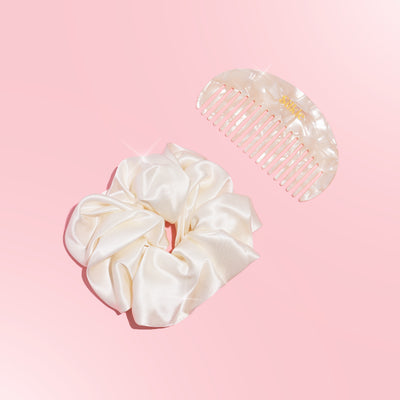
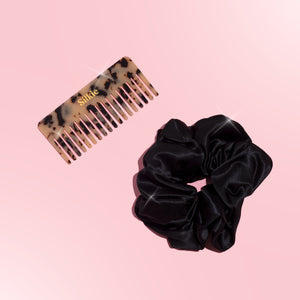
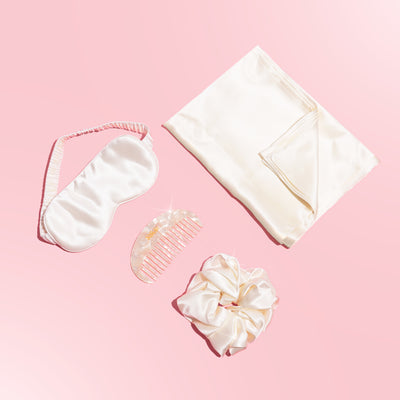
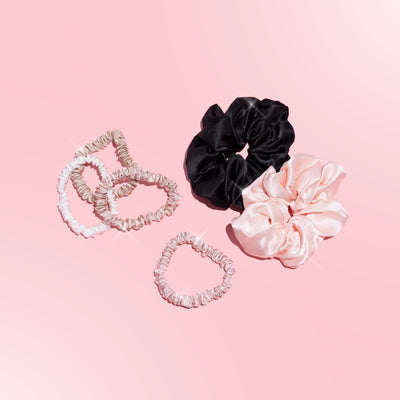
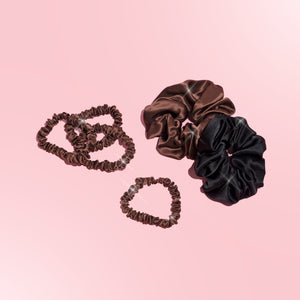
Traditional elastics can grip and roughen the cuticle at stress points. Silk scrunchies reduce tension and surface disruption.
Daily Movement
Hair brushing against clothing or upholstery contributes to gradual wear — making low-friction accessories essential.
Tools That Complement Fabric Protection
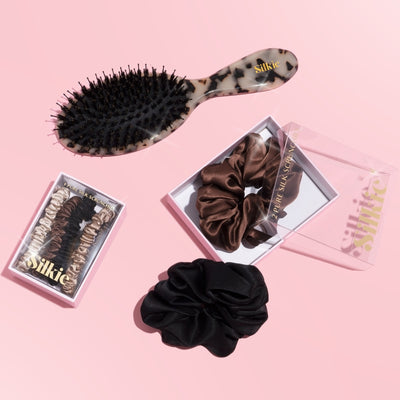
Fabric choice works best alongside gentle tools:
-
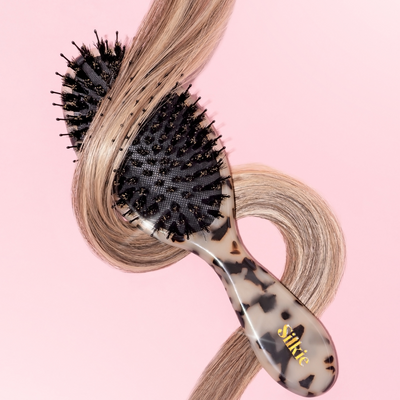
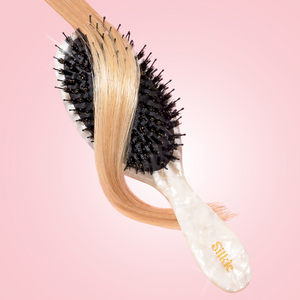
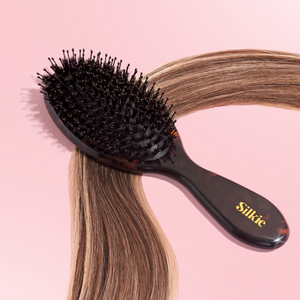
Boar bristle brushes smooth the cuticle by distributing natural oils
-
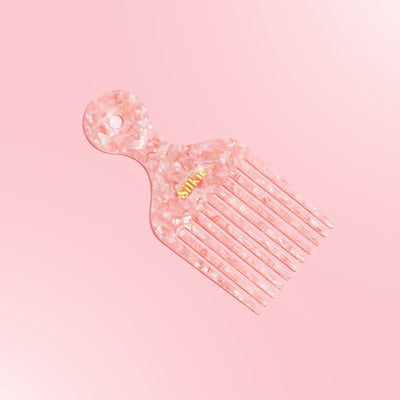
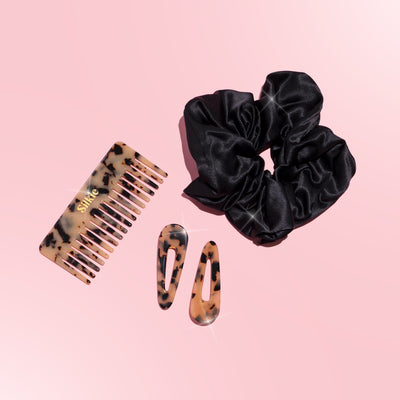
Hair texture picks detangle without excessive pulling
-
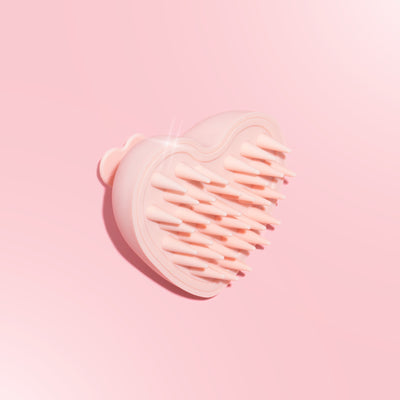
Scalp massagers stimulate circulation without scraping the hair shaft
Together, these tools help maintain surface smoothness.
How Silkie Prioritizes Cuticle Health
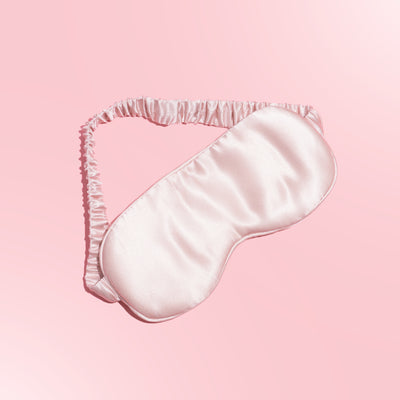
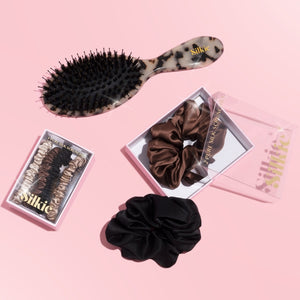
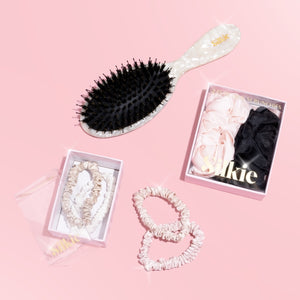
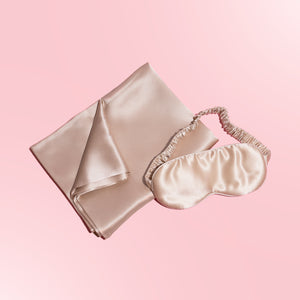
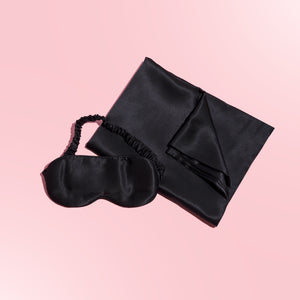
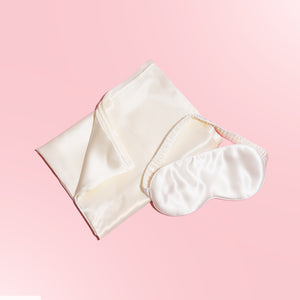
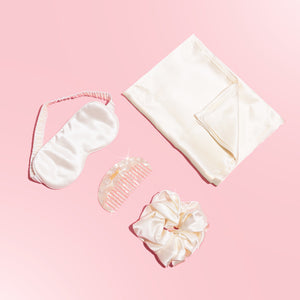
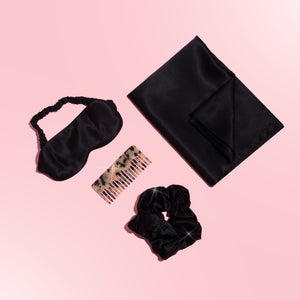
Silkie silk accessories are crafted from pure mulberry silk, selected for its smooth texture and durability. Designed to reduce friction at key stress points, Silkie products help:
-
Protect the outer hair layer
-
Preserve moisture
-
Support long-term strand strength
When paired with gentle brushes and tools, they create a consistent cuticle-friendly routine.
Cuticle Protection Is Long-Term Protection
Once the cuticle is significantly damaged, it cannot fully repair itself. That’s why prevention matters. Choosing fabrics that reduce friction supports:
-
Healthier-looking hair
-
Fewer split ends
-
Improved manageability
-
Greater resilience over time
The Fabric You Choose Shapes Your Hair
Haircare isn’t only about what you apply — it’s also about what touches your hair daily. By prioritizing smooth, low-friction fabrics, you protect the cuticle and strengthen your hair from the outside in.
Explore Silkie silk pillowcases, scrunchies, and sleep essentials at www.shopsilkie.com.