







The Science Behind Smooth Hair and Low-Friction Materials
Smooth, shiny, and manageable hair isn’t just about products or genetics—it’s also about physics. Specifically, how much friction your hair experiences when it moves against other surfaces. Low-friction materials help reduce cuticle disruption, keeping strands more aligned, less tangled, and easier to manage over time. Understanding this science explains why some fabrics and tools make such a noticeable difference in hair health.
What Makes Hair Feel Smooth or Rough?
Each hair strand is covered by a protective outer layer called the cuticle. When cuticles lie flat, hair feels:
- Smooth
- Shiny
- Soft to the touch
- Easy to detangle
When cuticles are lifted or roughened by friction, hair feels:
- Rough
- Frizzy
- Dull
- More prone to tangling
Smoothness is essentially a reflection of how intact and aligned the cuticle layer is.
The Role of Friction in Hair Structure
Friction occurs when hair rubs against another surface.
This interaction creates:
- Mechanical stress on the cuticle
- Small lifts in the outer layer of the hair shaft
- Gradual surface roughening over time
Even low levels of friction, repeated daily, can accumulate and change how hair behaves and looks.
Why Some Materials Are “Hair-Friendly”
Low-friction materials reduce resistance when hair moves across them.
This is important because:
- Less resistance means fewer cuticle disruptions
- Hair strands can glide instead of snag
- Tangles are less likely to form
- Hair retains more of its natural alignment
In simple terms, smoother materials help hair stay smoother.
The Science of Silk and Reduced Friction
Silk is naturally smoother than many common fabrics due to its tightly structured protein fibers.
Compared to rougher materials, silk:
- Creates less drag on the hair surface
- Reduces mechanical stress during movement
- Allows strands to glide more freely
This is why silk pillowcases and accessories are widely associated with reduced frizz and smoother morning hair.
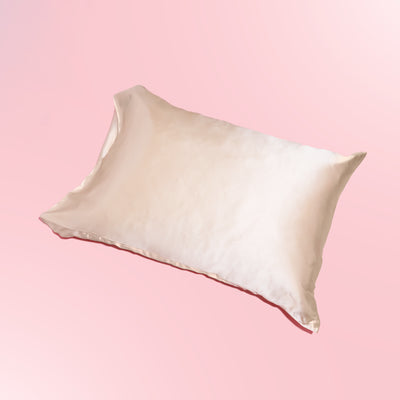
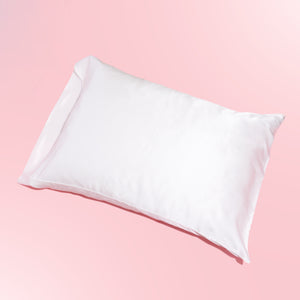
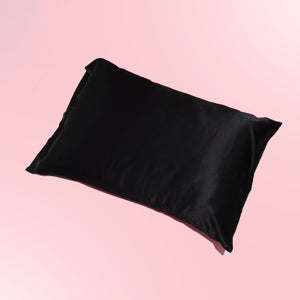
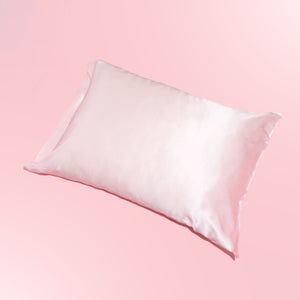
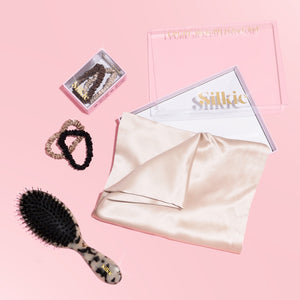
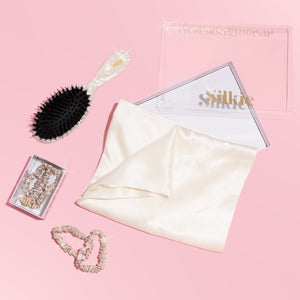
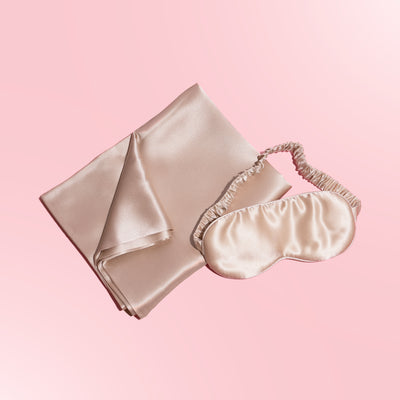
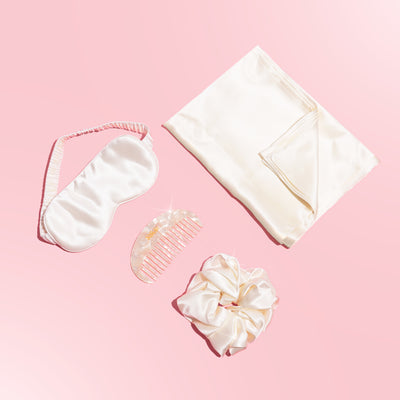
Silkie’s mulberry silk pillowcases are designed around this principle, helping reduce friction during sleep when hair is most vulnerable to continuous contact.
Why Friction Matters Most While You Sleep
Sleep is one of the longest periods of uninterrupted hair contact with a surface.
During this time, hair experiences:
- Constant movement against fabric
- Repeated pressure from sleeping positions
- Continuous low-level friction
Even small differences in fabric texture can significantly affect morning hair condition.
Lower friction surfaces help maintain smoother alignment overnight, reducing the need for heavy detangling in the morning.
How Low-Friction Materials Reduce Tangling
Tangles form when strands catch on each other or external surfaces.
Low-friction materials help prevent this by:
- Reducing snag points between strands
- Allowing smoother sliding motion
- Keeping hair alignment more intact
When strands move freely, they are less likely to interlock and form knots.
The Link Between Friction and Hair Damage
Friction doesn’t just affect appearance—it affects structure over time.
Repeated friction can lead to:
- Cuticle wear
- Split ends
- Increased breakage
- Loss of shine
This damage builds gradually, often without being immediately noticeable.
Why Smooth Hair Feels Healthier
Hair that experiences less friction tends to retain:
- A flatter, more sealed cuticle layer
- Better light reflection (shine)
- Softer texture
- Easier detangling behavior
Smoothness is not just cosmetic—it’s a sign of reduced mechanical stress.
Hair Tools and Friction: The Overlooked Factor
It’s not just fabrics that matter—tools also play a role.
Traditional brushes or elastics can:
- Create localized friction points
- Increase pulling during styling
- Disrupt cuticle alignment
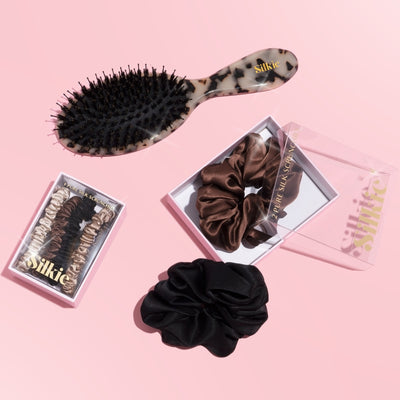
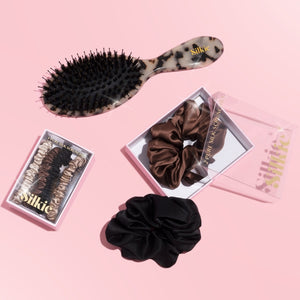
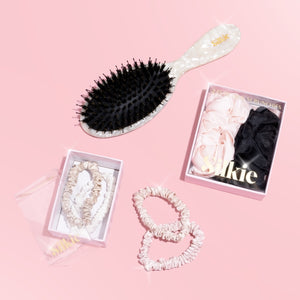
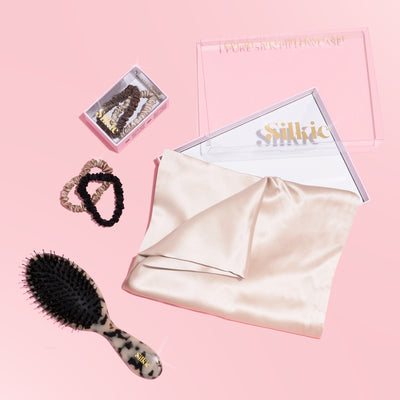
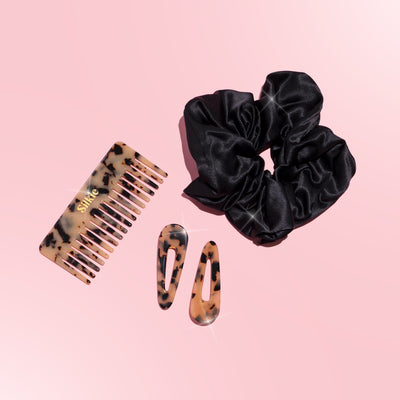
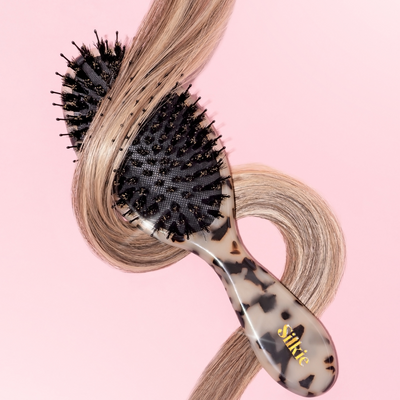
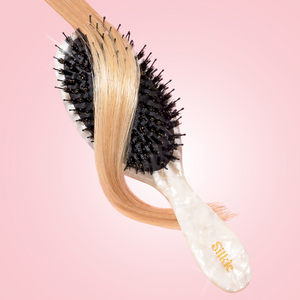
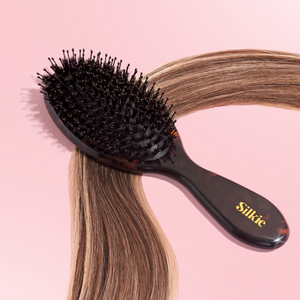
Silkie’s hair brush is designed to reduce pulling during detangling, helping minimize unnecessary friction while working through knots.
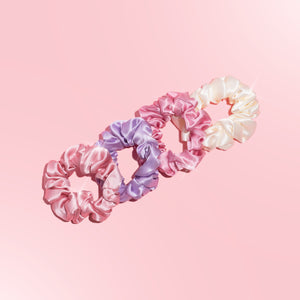
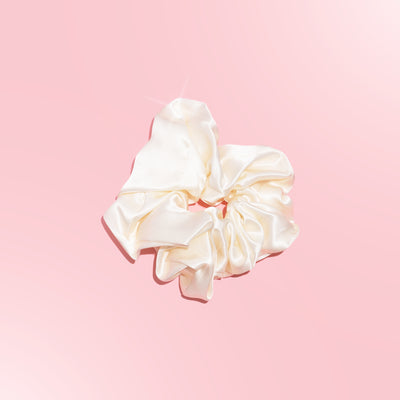
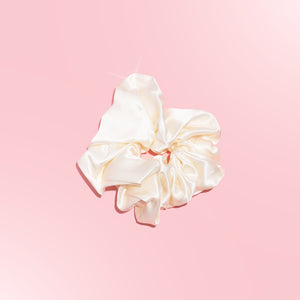
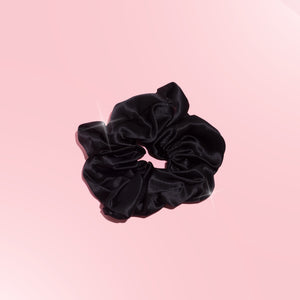
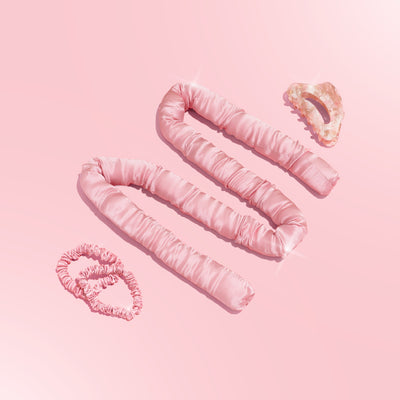
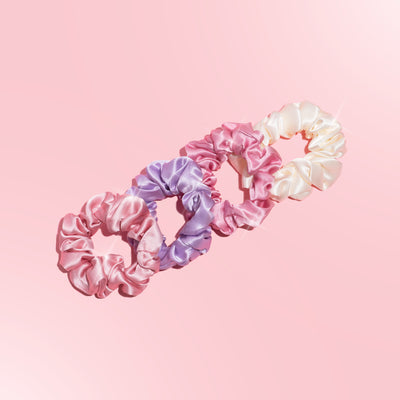
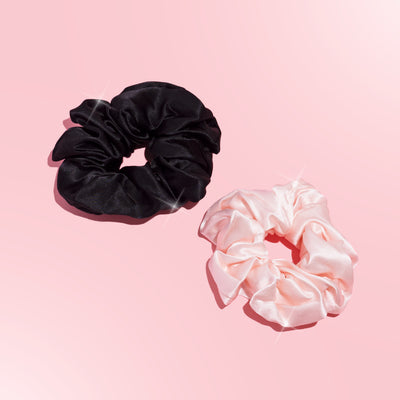
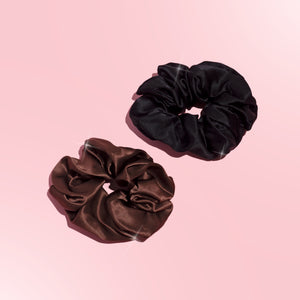
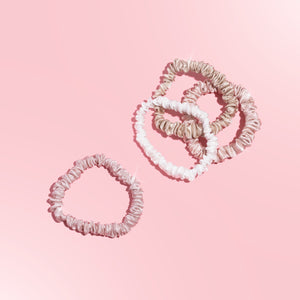
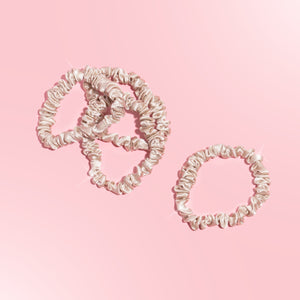
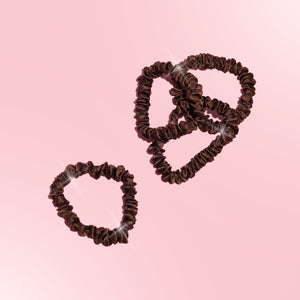
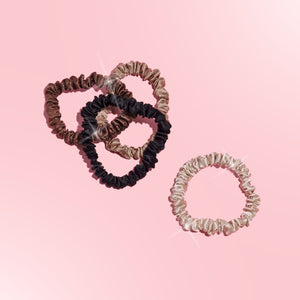
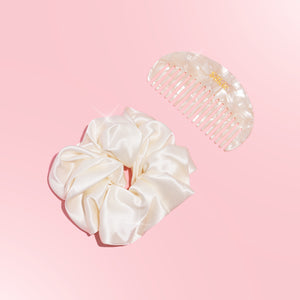
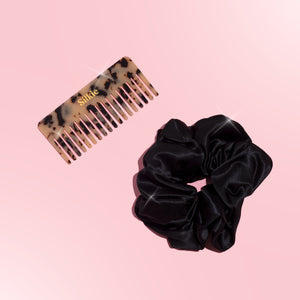
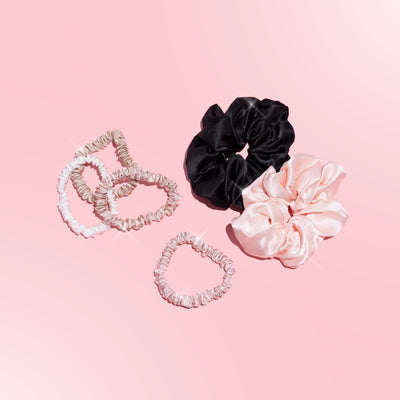
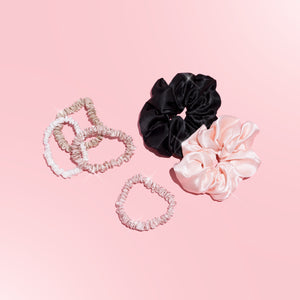
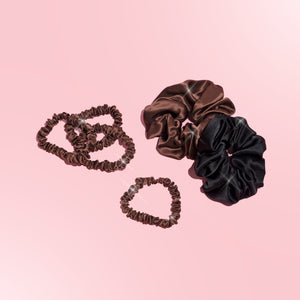
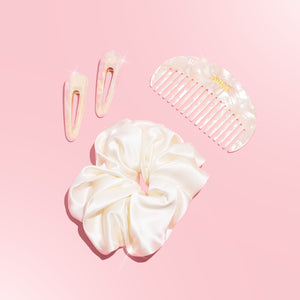
Silkie’s silk scrunchies also reduce tension-based friction compared to traditional elastics, especially in areas where hair is repeatedly secured.
Why Curly and Coily Hair Responds More Strongly
Textured hair has more bends and twists along each strand, which naturally increases:
- Internal strand-to-strand friction
- Knot formation
- Cuticle vulnerability
Because of this, reducing external friction has an even greater impact on manageability and definition.
The Cumulative Effect of Low-Friction Habits
One low-friction moment won’t transform hair—but repeated exposure over time will.
When friction is consistently reduced, hair benefits from:
- Less breakage
- Reduced frizz
- Improved manageability
- More stable texture between wash days
These improvements build gradually through daily habits.
Building a Low-Friction Hair Environment
A smoother hair routine focuses on minimizing resistance at key points:
- Sleep: smoother pillowcases
- Styling: gentle, low-tension accessories
- Detangling: reduced-pull brushes
- Daily wear: fewer harsh contact points
Silkie’s silk pillowcases, silk scrunchies, and gentle hair brush work together to reduce friction across all stages of your routine.
Why This Science Matters in Real Life
Understanding friction helps explain why hair behaves differently from day to day. It’s not random—it’s physical interaction.
When friction is reduced, hair becomes:
- Easier to style
- Less prone to tangling
- Smoother in appearance
- More consistent in texture
Make Smooth Hair Easier With Silkie
The science is simple: lower friction leads to smoother hair. By reducing mechanical stress across sleep, styling, and detangling, you support healthier-looking hair over time.
Silkie’s collection of mulberry silk pillowcases, silk scrunchies, and gentle hair tools is designed to apply this principle in everyday routines.
Explore the full collection at www.shopsilkie.com and experience how low-friction care can transform your hair.
SHOP OUR SILKIE PRODUCTS
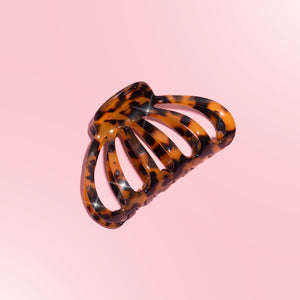
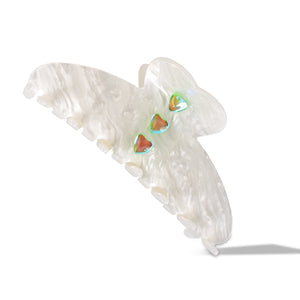
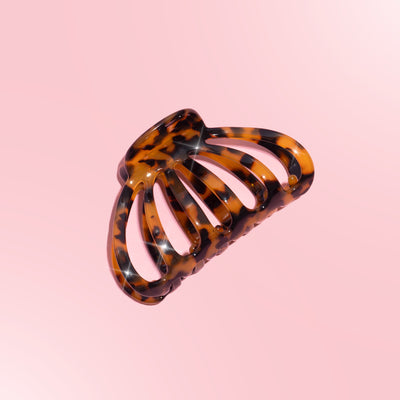
The Acetate Resin Butterfly Claw Clip in Tortoiseshell
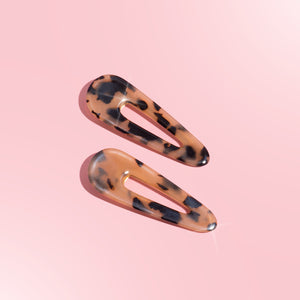
The Hair Slides
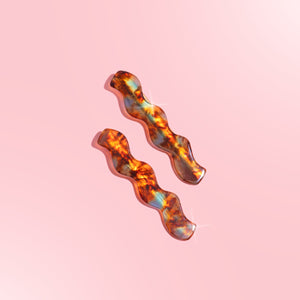
The Wave Hair Slides

Individual Silkie scrunchie (Colour may vary)
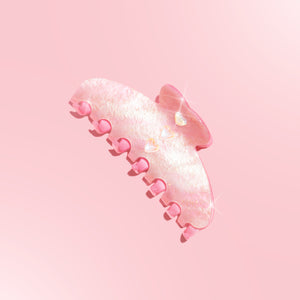
Love Valentine's Acetate Hair Clip
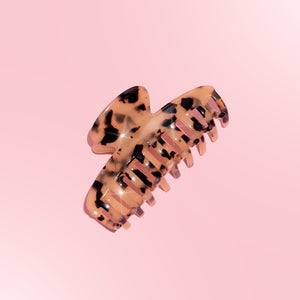
The Classic Claw Clip

The Creaseless Hair Slides

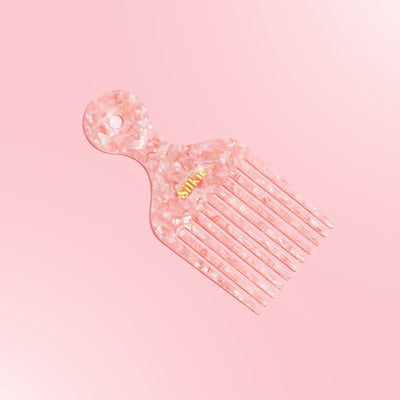
The Detangling Comb

Glow Drops Perfumed Hair Oil