The Science of Mechanical Hair Damage Explained
When people think about hair damage, they often picture bleach, heat tools, or harsh chemicals. However, one of the most common forms of damage is mechanical hair damage—the physical stress placed on hair through everyday activities like brushing, styling, tying, and even sleeping. Understanding how mechanical damage occurs can help you make smarter choices that protect your hair over the long term.
What Is Mechanical Hair Damage?
Mechanical hair damage refers to physical wear and tear caused by force, tension, friction, or repeated manipulation.
Unlike chemical damage, which alters the hair's structure internally, mechanical damage occurs from external stress.
Common sources include:
- Brushing and detangling
- Tight hairstyles
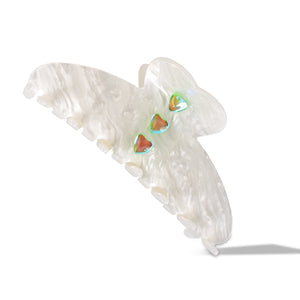
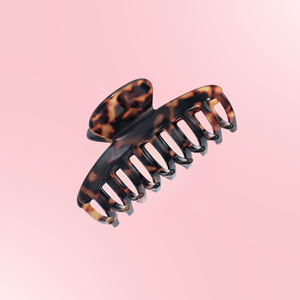
- Hair accessories
- Towel drying
- Sleeping friction
- Repetitive styling habits
Because these activities happen daily, mechanical damage often accumulates gradually.
Understanding Hair Structure
To understand mechanical damage, it helps to understand how hair is built.
A hair strand consists of several layers, with the outermost layer known as the cuticle.
The cuticle functions as a protective shield by:
- Protecting the inner structure
- Maintaining smoothness
- Helping hair retain moisture
- Reflecting light for shine
When the cuticle becomes damaged, the entire strand becomes more vulnerable.
How Friction Damages Hair
Friction occurs whenever hair rubs against another surface.
This may happen against:
- Pillowcases
- Clothing
- Brushes
- Other strands of hair
Repeated friction can:
- Lift the cuticle layer
- Create surface roughness
- Increase tangling
- Reduce shine
Over time, hair becomes less smooth and more difficult to manage.
The Role of Tension in Hair Damage
Tension occurs when hair is stretched or pulled.
Common sources include:
- Tight ponytails
- Slick-back styles
- Braids worn too tightly
- Strong-grip elastics
When tension is applied repeatedly, it can:
- Weaken the hair shaft
- Stress the roots
- Increase breakage
- Affect the hairline
The damage is often gradual, making it difficult to notice early on.
Why Repetition Matters More Than Intensity
Mechanical damage is rarely caused by a single event.
Instead, it develops through repetition.
For example:
- One tight ponytail is unlikely to cause noticeable damage.
- Hundreds of tight ponytails over months or years may create significant stress.
Hair responds not only to force, but also to how frequently that force occurs.
How Hair Fatigue Develops
Hair can tolerate a certain amount of mechanical stress.
However, repeated stretching, friction, and pressure can lead to what is commonly called hair fatigue.
Signs of hair fatigue may include:
- Increased breakage
- Reduced elasticity
- More tangles
- Difficulty retaining length
This happens because the hair's protective structure gradually becomes worn down.
Why Detangling Is a High-Risk Activity
Detangling is one of the most common causes of mechanical stress.
When knots are present:
- Resistance increases
- Force becomes concentrated
- Individual strands absorb more tension
Aggressive brushing can stretch hair beyond its limits, leading to breakage.
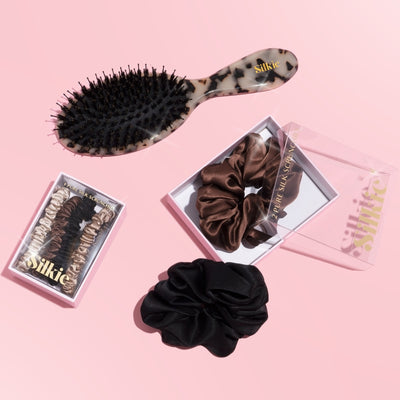
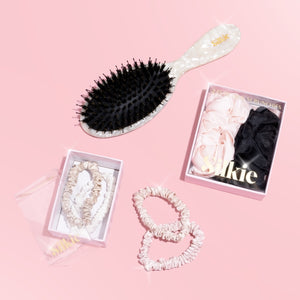
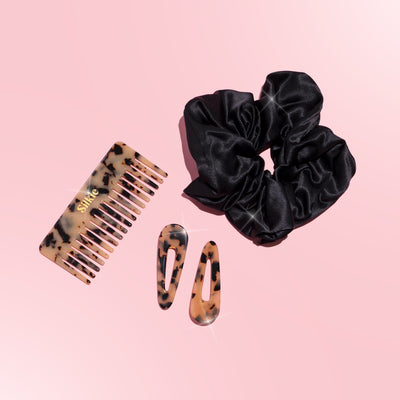
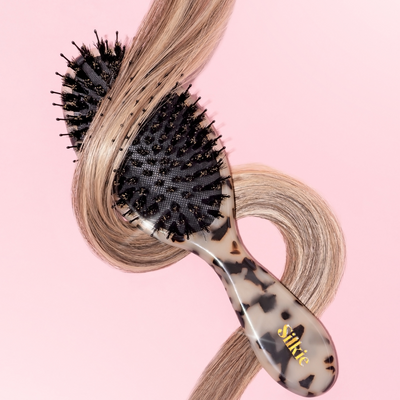
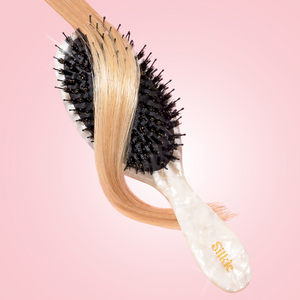
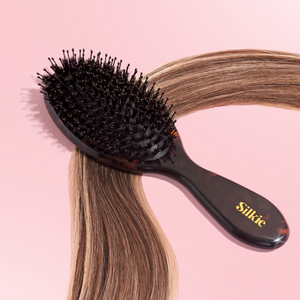
Silkie's hair brush is designed to reduce pulling during detangling, helping minimize the mechanical stress placed on hair during brushing.
Sleep Is a Source of Mechanical Stress Too
Many people overlook sleep as a cause of mechanical damage.
During the night, hair experiences:
- Friction against bedding
- Pressure from sleeping positions
- Repeated movement
These forces can contribute to:
- Frizz
- Tangles
- Cuticle wear
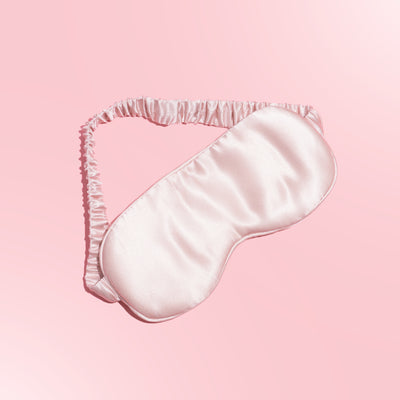
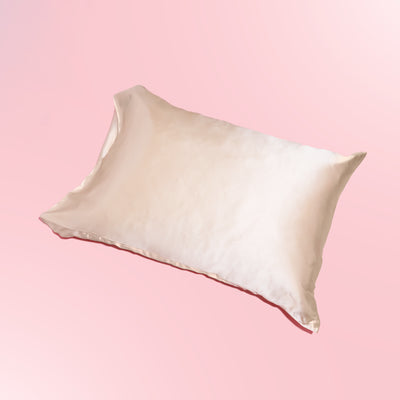
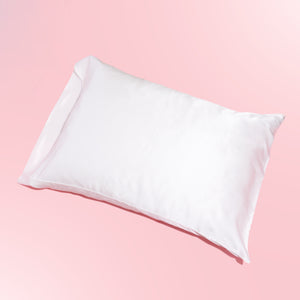
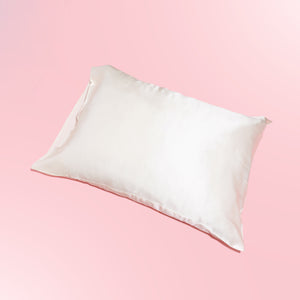
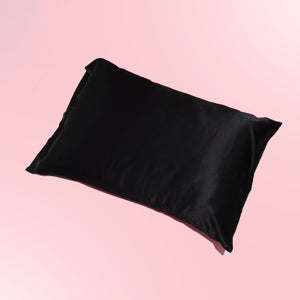
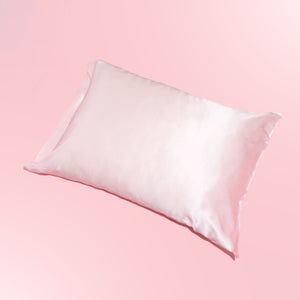
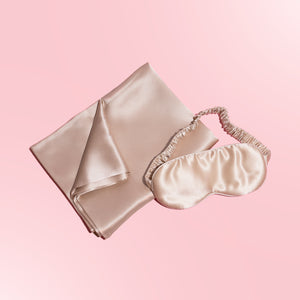
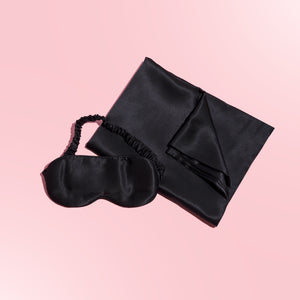
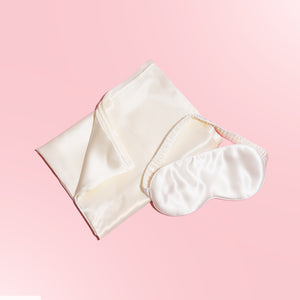
Silkie's mulberry silk pillowcases provide a smoother surface that helps reduce friction, supporting healthier-looking hair over time.
Pressure and Compression Also Affect Hair
Mechanical damage isn't limited to pulling.
Pressure from:
- Hair ties
- Headbands
- Headrests
- Sleeping positions
can create stress at specific contact points.
Repeated compression may weaken strands and contribute to breakage in localized areas.
Why Hair Accessories Matter
Hair accessories interact directly with hair every day.
Traditional elastics can:
- Concentrate force in one area
- Create friction where hair is secured
- Increase tension during movement
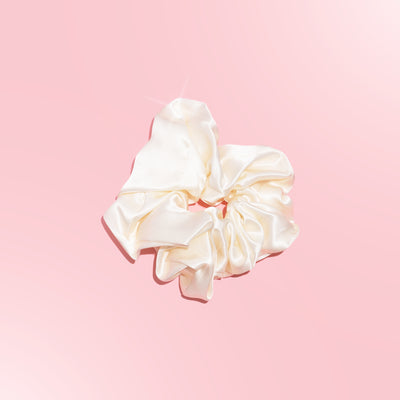
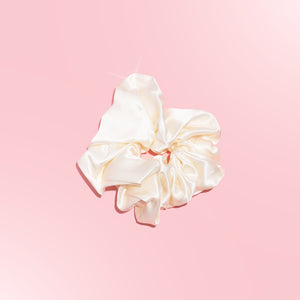
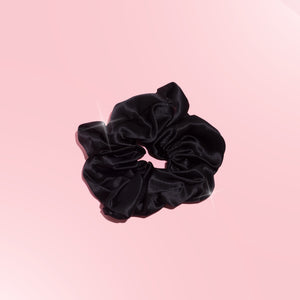
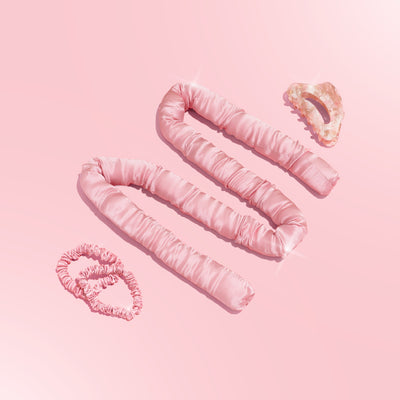
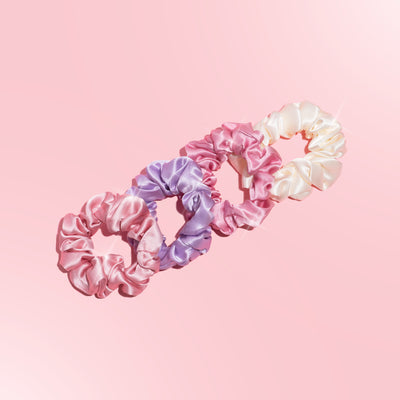
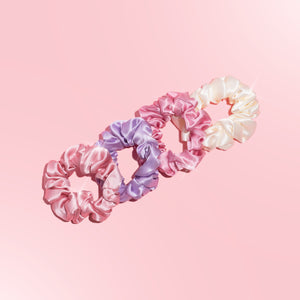
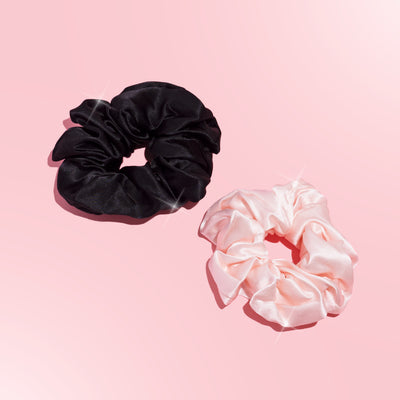
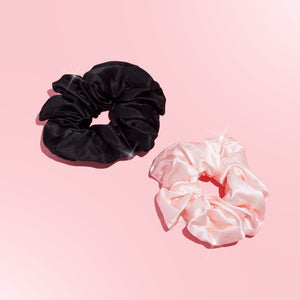
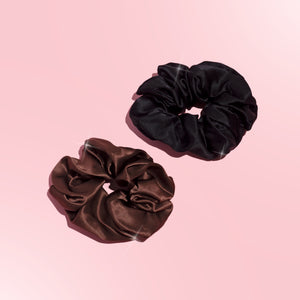
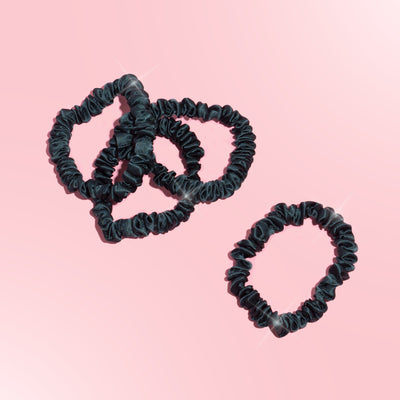
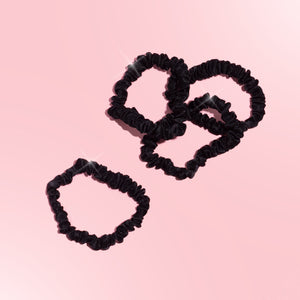
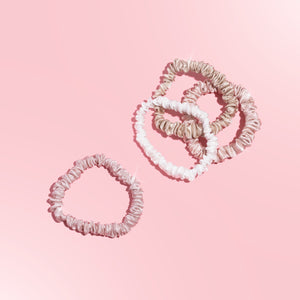
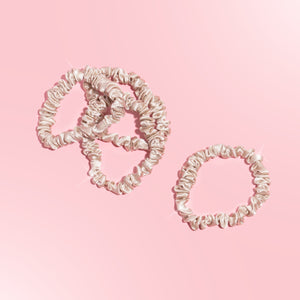
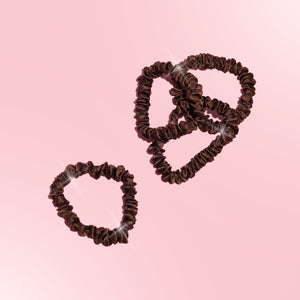
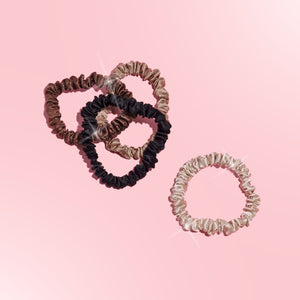
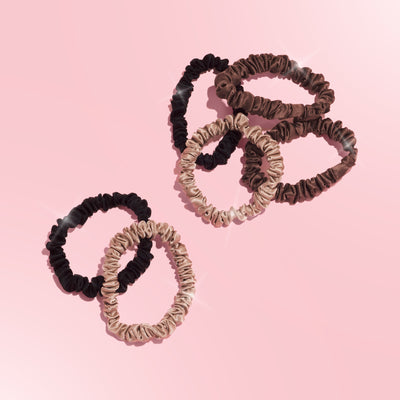
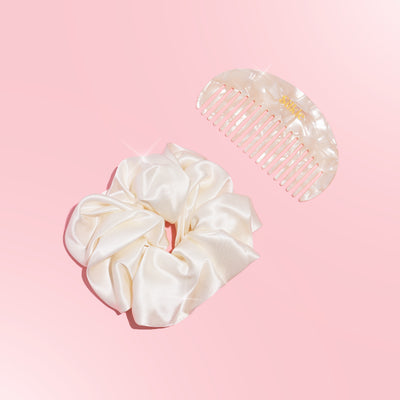
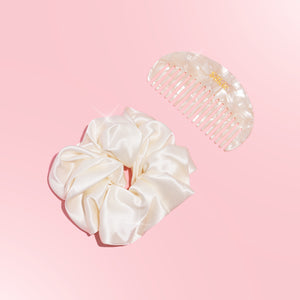
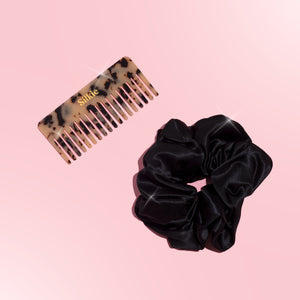
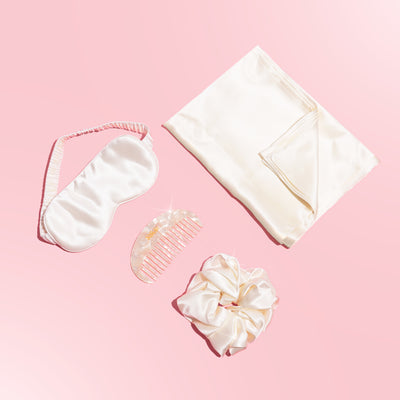
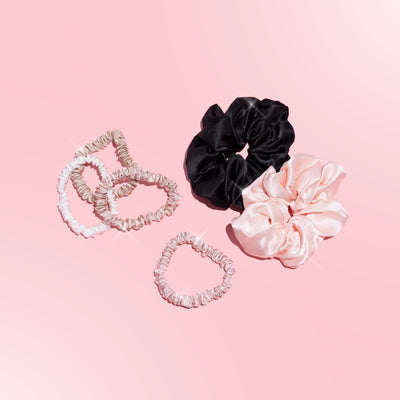
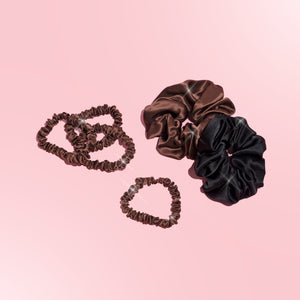
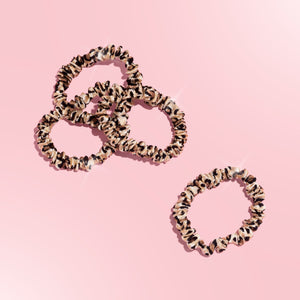
Silkie's silk scrunchies help reduce these effects by providing a softer hold that distributes pressure more evenly across the hair.
Why Some Hair Types Experience More Mechanical Damage
Not all hair responds to stress in the same way.
Hair may be more vulnerable if it is:
- Fine in diameter
- Curly or coily
- Chemically treated
- Longer in length
These hair types often require extra attention to reduce unnecessary mechanical stress.
The Long-Term Effects of Mechanical Damage
If left unchecked, mechanical damage can contribute to:
- Increased breakage
- Split ends
- Reduced smoothness
- Loss of shine
- Difficulty maintaining hairstyles
Because the process is gradual, many people don't recognize the cause until the effects become visible.
How to Reduce Mechanical Hair Damage
Protecting hair starts with reducing unnecessary stress.
Helpful habits include:
- Using gentler hair accessories
- Detangling carefully
- Avoiding excessive tension
- Reducing overnight friction
- Limiting repetitive strain on the same areas
Small adjustments made consistently can significantly improve long-term hair health.
Building a Low-Stress Hair Routine
A haircare routine focused on minimizing mechanical damage prioritizes prevention rather than repair.
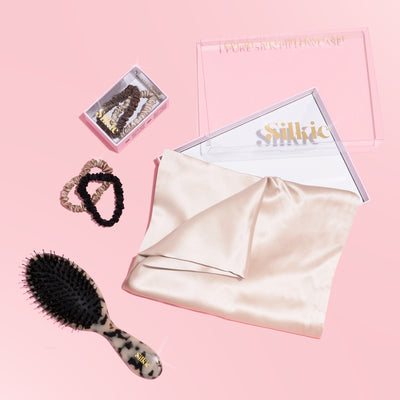
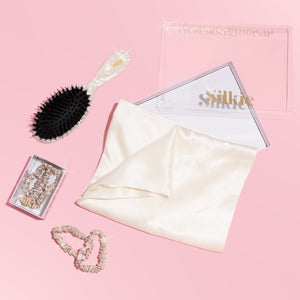
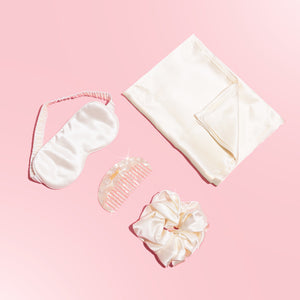
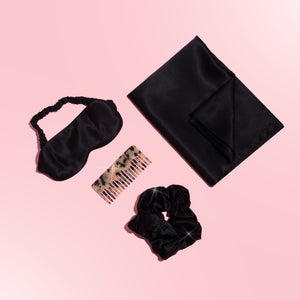
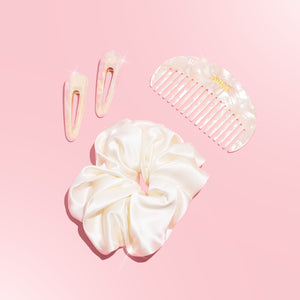
Silkie's collection of mulberry silk pillowcases, silk scrunchies, and gentle hair brushes is designed to reduce everyday sources of friction, tension, and pressure that contribute to mechanical hair damage.
Together, these products help create a lower-stress environment for your hair from morning to night.
Protect Your Hair From Everyday Wear With Silkie
Mechanical hair damage is one of the most common yet overlooked causes of breakage and roughness. By understanding how friction, tension, and pressure affect your strands, you can make better choices that support healthier-looking hair over time.
Explore Silkie's collection of mulberry silk pillowcases, silk scrunchies, and gentle hair tools at www.shopsilkie.com and discover how reducing daily stress can help your hair look and feel its best.