
















The Science of Overnight Hair Compression
You may not notice it, but your hair is under constant pressure while you sleep. Overnight compression — caused by the weight of your head, your sleeping position, and how your hair is styled — can quietly affect your hair’s shape, texture, and strength. Understanding how this works is key to preventing morning creases, breakage, and long-term damage.
What Is Overnight Hair Compression?
Overnight hair compression happens when sections of your hair are pressed between your head and your pillow for extended periods.
Unlike quick pressure during the day, this compression lasts for hours without interruption. As a result, the hair is held in one position, often with limited movement or flexibility.
This can lead to:
- Flattened areas
- Visible creases or bends
- Uneven texture
- Weakened strands over time
Hair is flexible, but prolonged pressure can temporarily — and sometimes repeatedly — reshape it.
How Pressure Affects Hair Structure
Hair strands are made up of layers, with the outer cuticle protecting the inner structure.
When hair is compressed for long periods:
- The cuticle can become slightly distorted
- The strand may bend or flatten
- Internal bonds may temporarily shift
- The hair loses its natural alignment
This is why you might wake up with hair that looks “set” in an unusual shape.
When this happens repeatedly in the same areas, it can contribute to long-term stress on the strands.
Why Certain Areas Are More Affected
Compression is not evenly distributed across your hair.
The areas most affected are usually:
- The side you sleep on most often
- The back of the head
- Sections tied tightly before bed
These areas experience consistent pressure night after night, which can lead to repeated stress in the same spots.
Over time, this may result in:
- Increased breakage in specific sections
- Loss of volume at the roots
- Hair that feels rougher in certain areas
The Role of Friction in Compression Damage
Compression rarely happens alone — it’s usually combined with friction.
As you move during sleep, hair is not only pressed down but also dragged slightly against the pillow surface. This combination increases stress on the hair cuticle.
Together, pressure and friction can:
- Lift the cuticle
- Create frizz
- Cause tangling
- Weaken the hair over time
Reducing both factors is essential for protecting your hair overnight.
How Fabric Choice Influences Compression
The material you sleep on affects how your hair responds to pressure.
Rough or absorbent fabrics can increase resistance, making compressed hair more likely to bend, tangle, or lose moisture.
Smoother materials, on the other hand, allow hair to move more freely even under pressure.
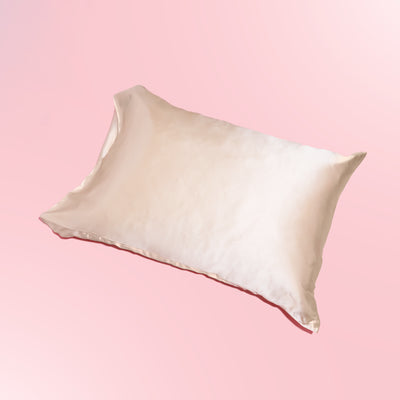
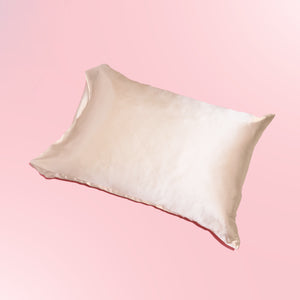
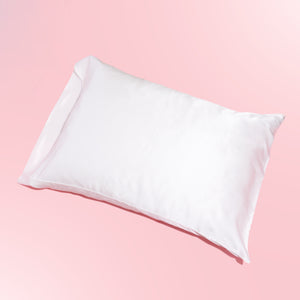
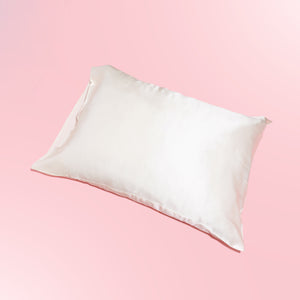
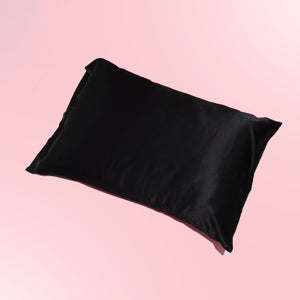
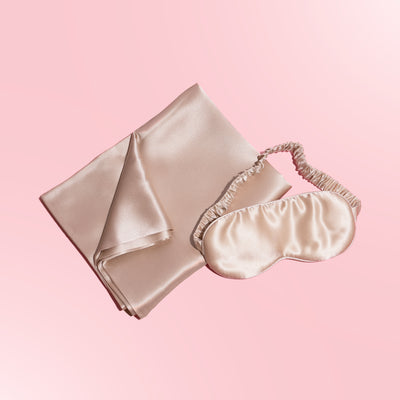
Silk provides a low-friction surface that helps minimize the effects of compression by reducing drag and allowing strands to glide more easily.
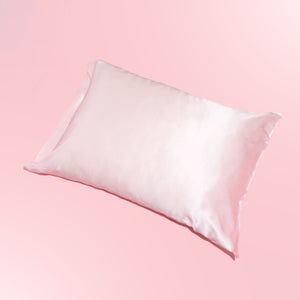
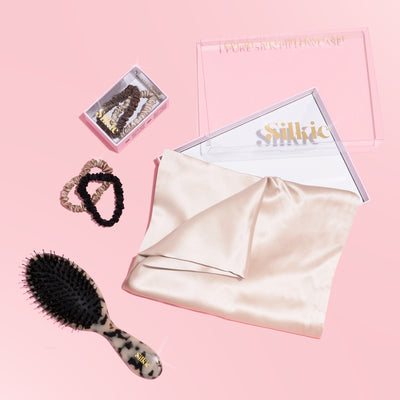
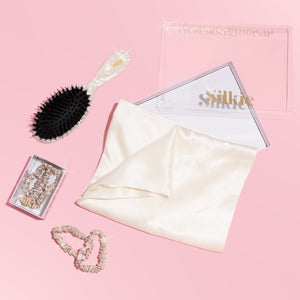
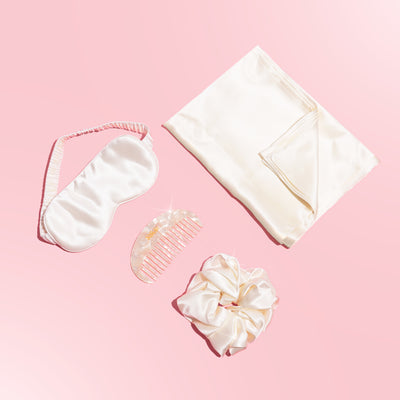
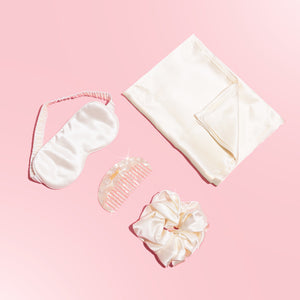
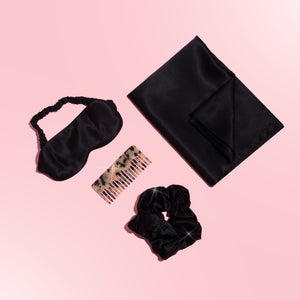
Silkie’s mulberry silk pillowcases are designed to support this by creating a smoother sleep environment for your hair.
The Impact of Tight Hairstyles
How you wear your hair to bed can amplify compression.
Tight ponytails, buns, or braids hold hair in fixed positions, which increases the effects of pressure overnight.
When combined with compression, this can lead to:
- Stronger creases
- Localized stress points
- Increased breakage
Looser styles allow hair to shift naturally, reducing the intensity of compression in any one area.
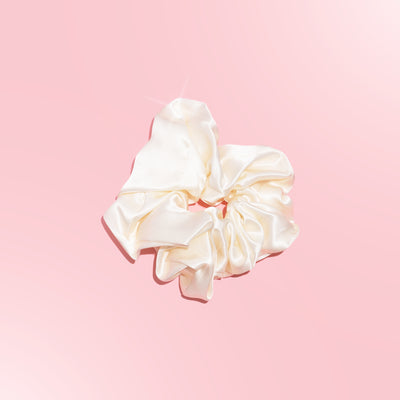
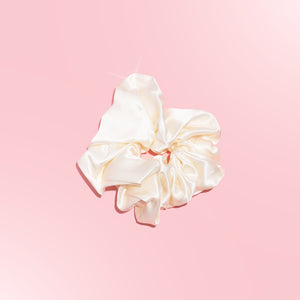
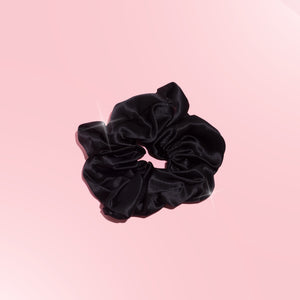
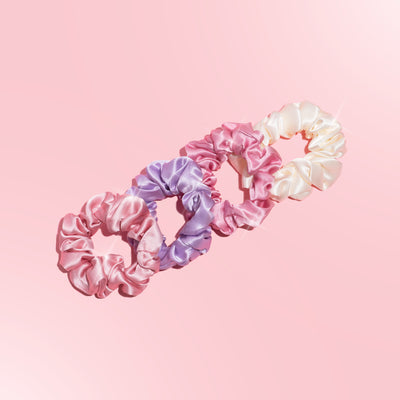
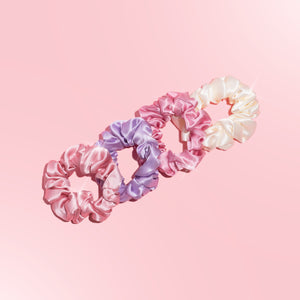
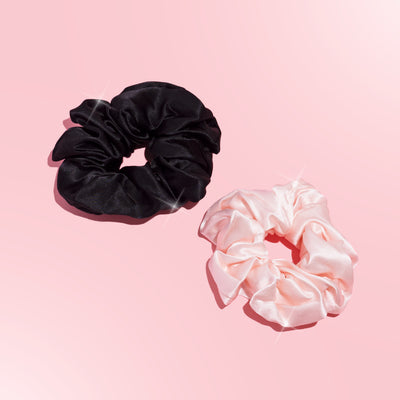
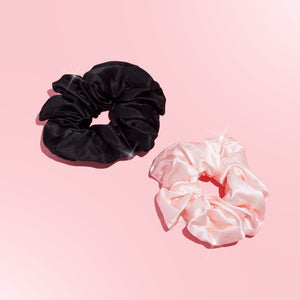
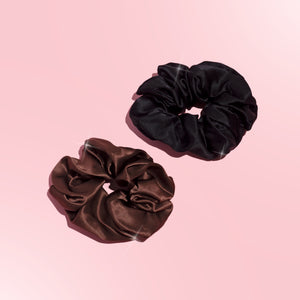
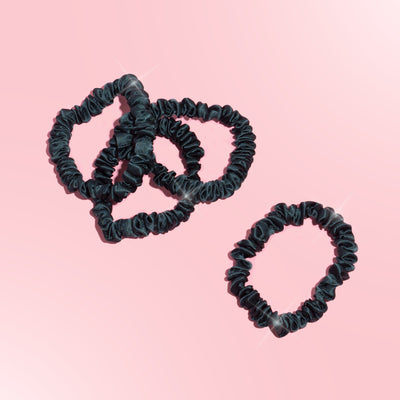
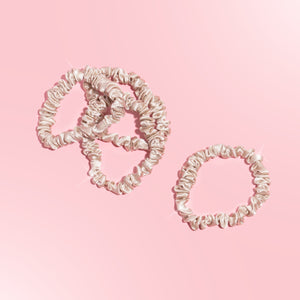
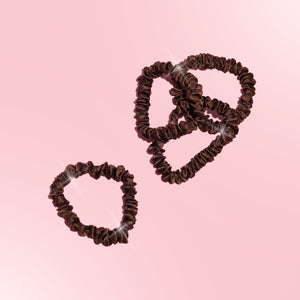
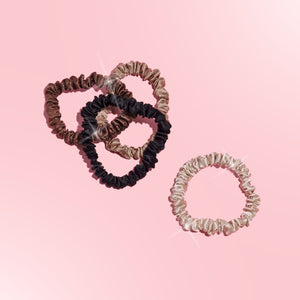
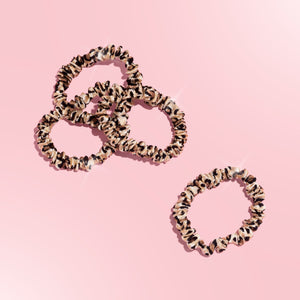
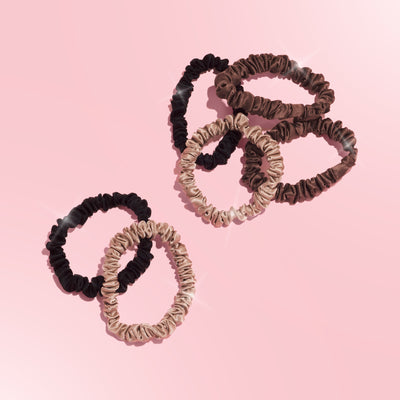
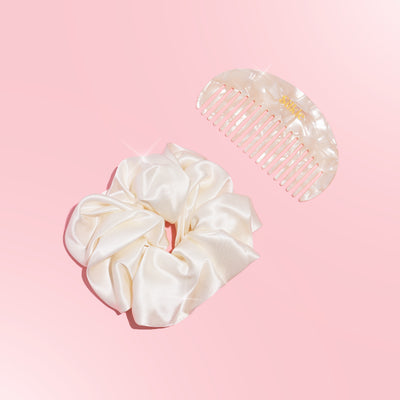
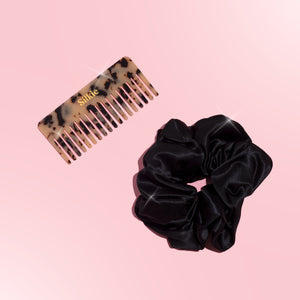
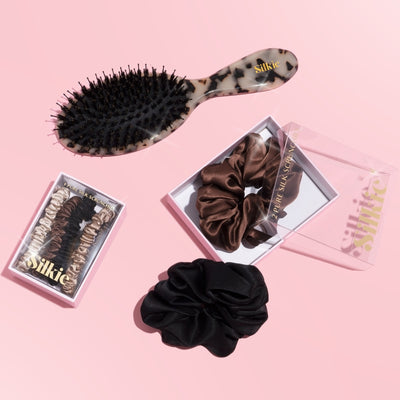
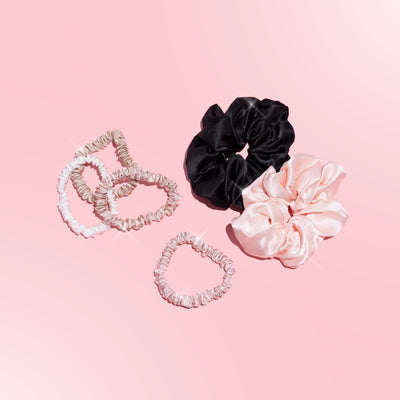
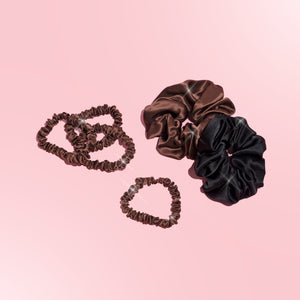
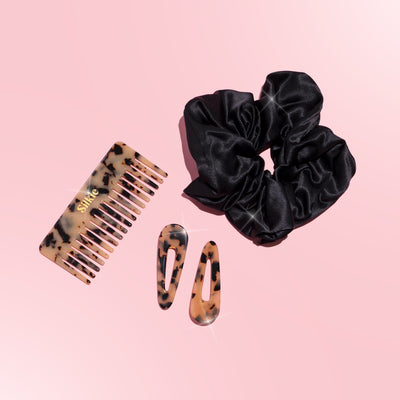
Using a silk scrunchie can help secure hair gently without adding extra tension.
Silkie’s silk scrunchies are designed to hold hair comfortably while minimizing pressure and creasing.
How to Reduce Overnight Compression Damage
You don’t need a complicated routine to protect your hair — small adjustments can make a noticeable difference.
1. Change Your Sleep Surface
Switching to a silk pillowcase helps reduce friction and allows hair to move more naturally under pressure.
2. Avoid Tight Styles
Opt for loose braids or low ponytails instead of tightly secured hairstyles.
3. Rotate Your Sleeping Position
Changing positions occasionally can help distribute pressure more evenly across your hair.
4. Detangle Before Bed
Smooth, aligned strands are less likely to crease or tangle under compression.
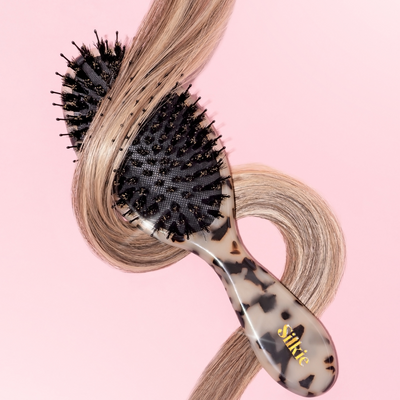
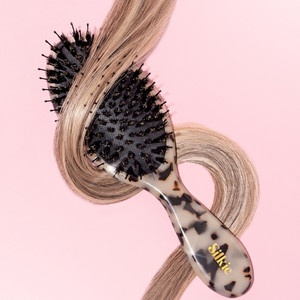
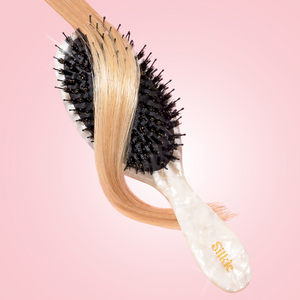
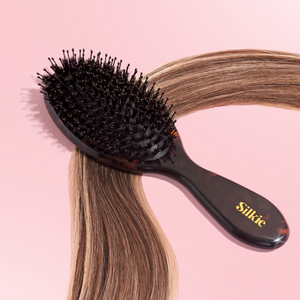
Using a gentle brush before bed can help prepare your hair for sleep. Silkie’s hair brush is designed to detangle without unnecessary pulling.
Why It Matters Long-Term
Overnight compression may seem harmless, but repeated exposure can gradually affect hair quality.
When the same areas experience pressure night after night, the cumulative stress can lead to:
- Increased fragility
- Persistent uneven texture
- More frequent breakage
Protecting your hair while you sleep helps maintain its strength, shape, and overall health.
Support Your Hair With Silkie
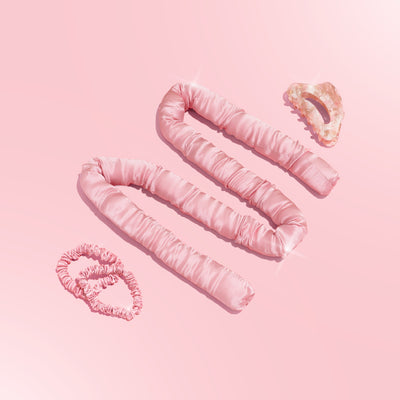
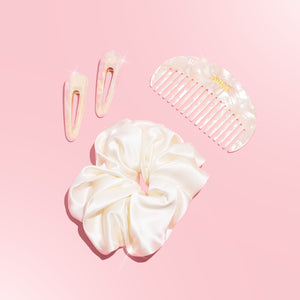
Silkie’s silk pillowcases, scrunchies, and hair tools are designed to reduce the effects of overnight compression by minimizing friction and tension. These small upgrades help create a more supportive environment for your hair while you sleep.
Explore the full collection at www.shopsilkie.com and discover how better nights lead to better hair.