














What Your Hair’s Natural Stretch Can Tell You About Its Condition
Your hair’s ability to stretch and return to its natural shape can offer useful clues about its condition. Understanding hair elasticity can help you recognise when your strands may need gentler handling, more moisture or a change in your routine.
What Is Hair Elasticity?
Hair elasticity refers to how much a strand can stretch before breaking and how well it returns to its original shape afterwards. Healthy hair generally has some natural flexibility, allowing it to move and stretch slightly during everyday activities such as brushing, styling and tying it back.
This flexibility is important because hair experiences a certain amount of tension throughout the day. When strands have limited elasticity, they may become more vulnerable to snapping during detangling or styling.
However, hair elasticity can vary depending on your natural texture, strand thickness, chemical treatments and overall hair condition.
Why Your Hair’s Natural Stretch Matters
Your hair does not need to be stretched deliberately to maintain its condition. Its natural flexibility simply helps it cope with everyday movement and handling.
When hair has good elasticity, it can generally tolerate gentle stretching without immediately snapping. This is particularly useful when brushing, separating sections or working through knots.
On the other hand, strands that feel unusually brittle or break easily when handled may benefit from a closer look at your haircare habits.
Signs Your Hair May Have Reduced Elasticity
Changes in how your hair stretches can sometimes indicate that your strands are experiencing damage or dryness.
Hair Breaks With Very Little Stretch
If your hair snaps easily when you gently handle it, it may have reduced flexibility. This can happen when strands have become weakened through repeated heat styling, chemical processing or physical stress.
Your Hair Feels Stiff or Brittle
Hair that feels unusually rigid may not have the flexibility it needs for comfortable styling. Dryness, product buildup and environmental exposure can all affect how your hair feels.
Your Ends Break More Easily
The ends of your hair are older than the strands closer to your scalp, meaning they have experienced more washing, brushing and styling over time. This can make them more prone to wear and breakage.
Your Hair Does Not Return to Its Usual Shape
Hair that stretches excessively without returning to its original shape may also be showing signs of damage. This can be particularly noticeable in hair that has undergone bleaching, colouring or frequent chemical treatments.
What Can Affect Hair Elasticity?
Several everyday habits and external factors can influence how flexible your hair feels.
Heat Styling
Frequent use of straighteners, curling irons and high heat settings can contribute to damage over time. Repeated exposure may leave strands feeling rougher, drier and more prone to breakage.
Using suitable heat protection and allowing your hair to air dry when practical can help reduce unnecessary exposure.
Chemical Treatments
Bleaching, colouring, relaxing and other chemical services can affect the structure of your hair. Depending on the treatment and how often it is performed, strands may become weaker and less flexible.
If your hair has been chemically treated, a more careful approach to brushing and styling is especially important.
Lack of Moisture
Dry hair can feel rough and less manageable, making it harder to detangle without creating additional friction. A suitable conditioning routine can help improve softness and make everyday handling easier.
Repeated Physical Tension
Tight hairstyles, rough towel drying and aggressive brushing can place unnecessary stress on your strands. Over time, these habits may contribute to breakage, particularly around the hairline and ends.
How to Support Your Hair’s Natural Flexibility
You cannot completely control your hair's natural characteristics, but you can build habits that help protect it from avoidable damage.
Choose Conditioning Products That Suit Your Hair
Conditioner helps improve softness, smoothness and manageability. Look for formulas suited to your hair type and adjust how much you use depending on whether your strands are fine, thick, straight, wavy or curly.
A leave in conditioner may also help make detangling easier, particularly if your hair tends to feel dry between washes.
Detangle Without Rushing
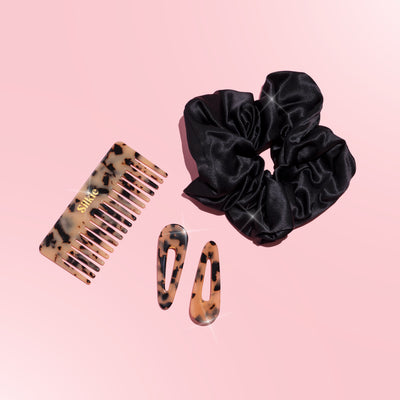
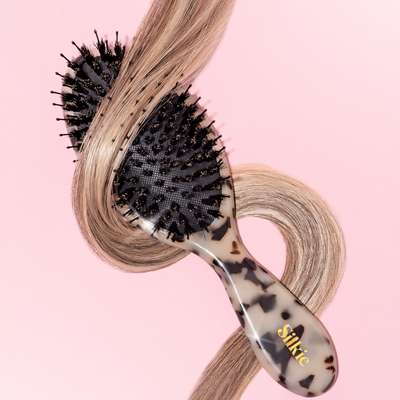
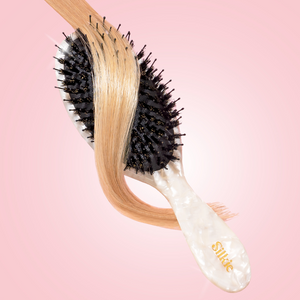
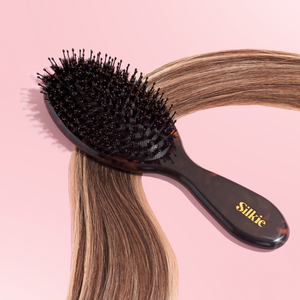
Start at the ends and gradually work towards the roots instead of pulling a brush through knots from the top. Use a wide tooth comb or a suitable brush, and avoid forcing your way through tangles.
Taking a little more time can help reduce unnecessary pulling and snapping.
Be Mindful of Heat
Try not to rely on high heat every time you style your hair. Use heat protection when needed, choose appropriate temperature settings and give your strands occasional breaks from heated tools.
Protect Your Hair During Sleep
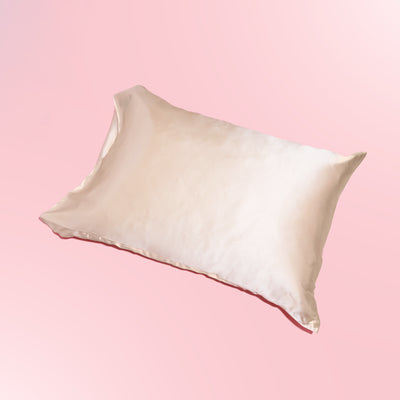
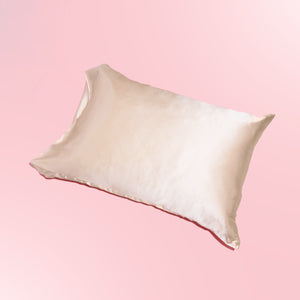
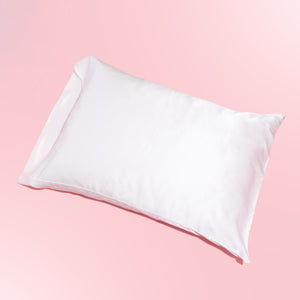
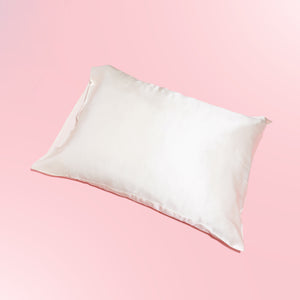
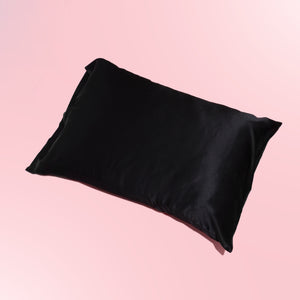
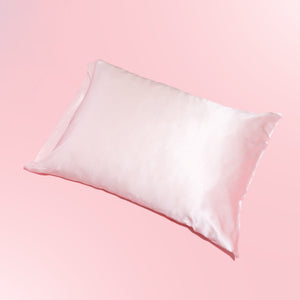
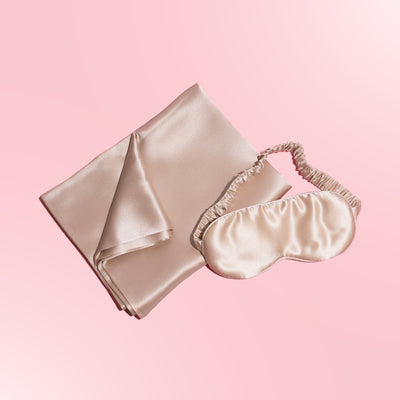
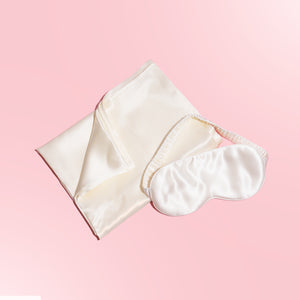
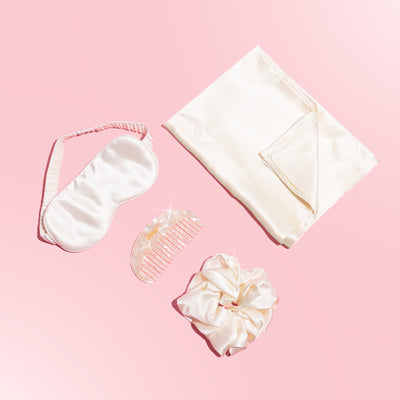
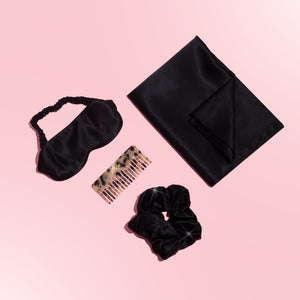
Your hair can rub against your pillowcase as you move during the night. Choosing a smoother sleep surface, such as a mulberry silk pillowcase, may help reduce friction.
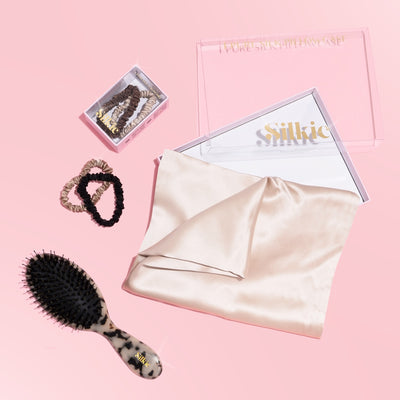
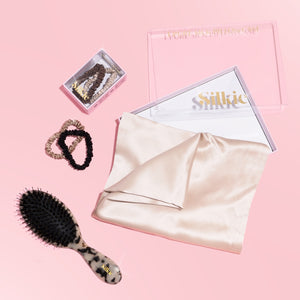
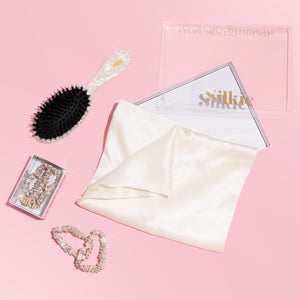
Silkie's Dreamy Mulberry Silk Pillow Case is an option to consider if you want to make your nighttime haircare routine gentler.
Avoid Constantly Tight Hairstyles
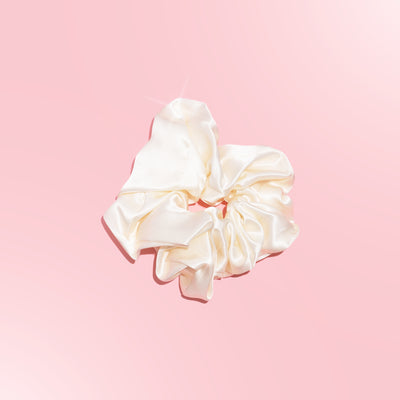
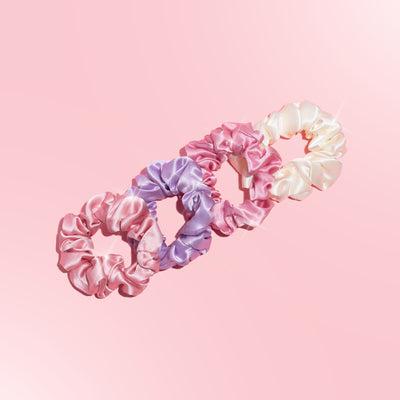
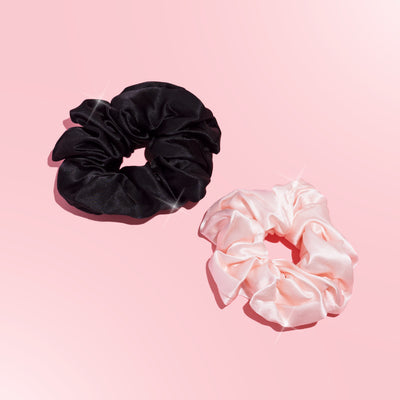
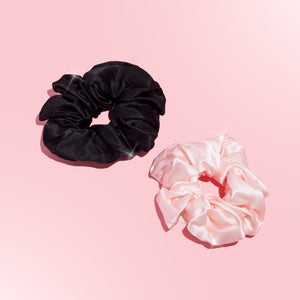
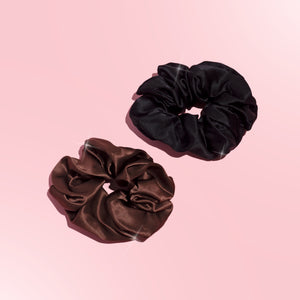
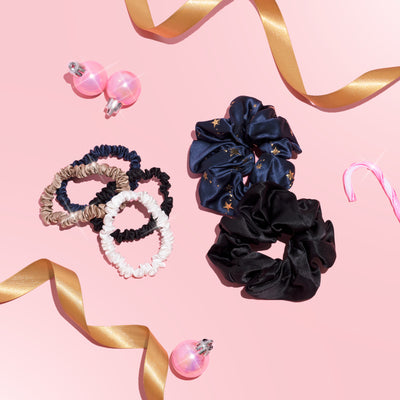
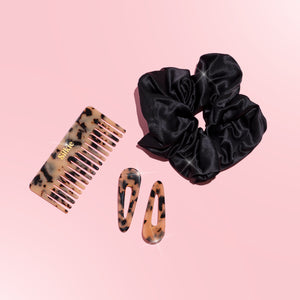
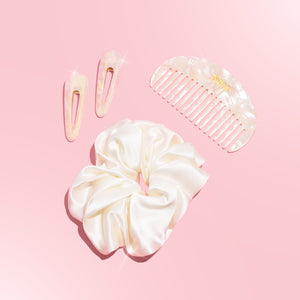
Give your hair a break from styles that pull firmly at the roots. When tying it back, choose a comfortable scrunchie that holds your hair securely without requiring excessive tension.
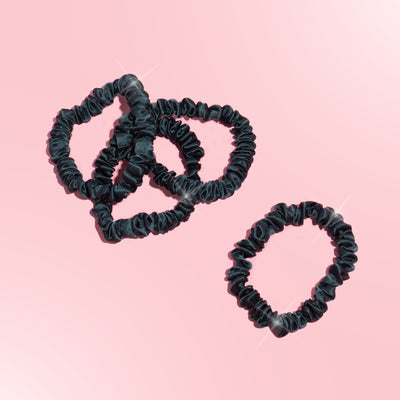
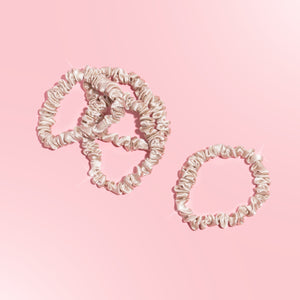
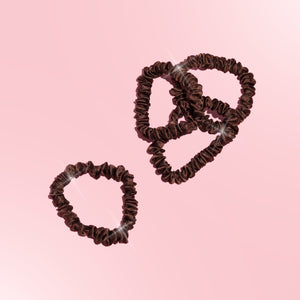
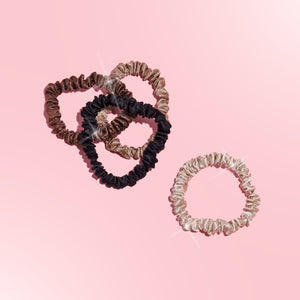
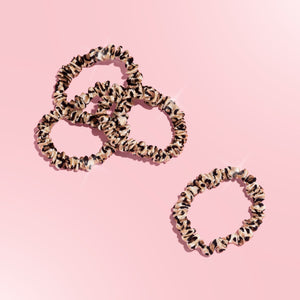
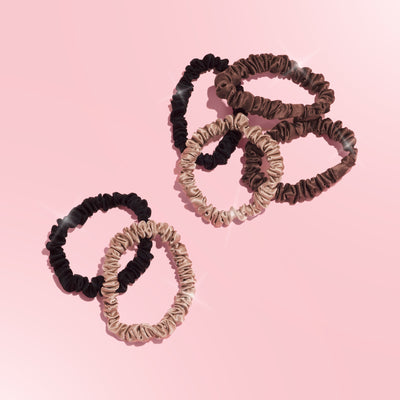
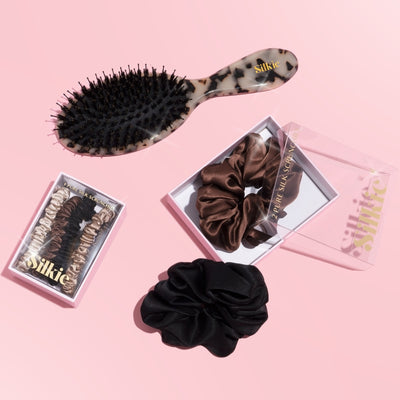
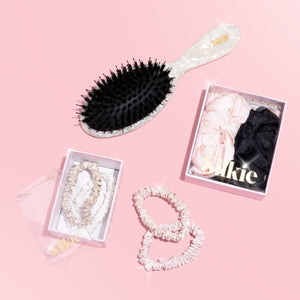
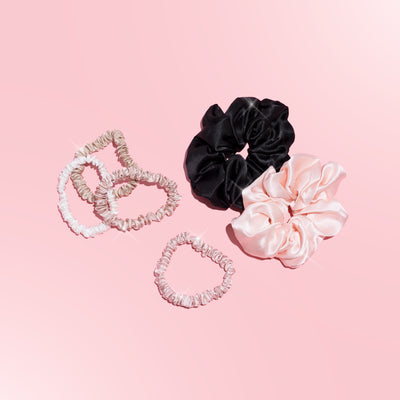
Silkie's Skinny Silks 100% Mulberry Silk Scrunchies are another option for creating a softer hold during everyday styling.
Is Stretching a Strand of Hair a Reliable Hair Test?
You may have seen advice suggesting that you should pull a strand of hair to determine whether it is healthy. Although elasticity can provide information about hair condition, testing individual strands is not a definitive way to assess your hair's overall health.
Hair behaves differently depending on its texture, thickness, moisture level and treatment history. A strand that stretches more than another is not automatically healthier or less healthy.
Instead of repeatedly pulling at your hair, pay attention to broader changes. Notice whether it breaks more easily during brushing, feels unusually brittle or has become harder to manage. These everyday observations can help you decide whether your routine needs adjusting.
Final Thoughts
Your hair's natural stretch is one of the many things that can influence how it behaves during everyday styling. When strands have enough flexibility, they are generally easier to handle without unnecessary pulling or breakage.
Paying attention to changes in texture, flexibility and manageability can help you make more thoughtful haircare choices. With gentle handling, suitable conditioning and protective everyday habits, you can support your hair's condition while keeping your routine manageable.
For more haircare essentials and gentle styling accessories, explore Silkie at www.shopsilkie.com.