







Why Hair Ages Over Time (and How to Slow the Process)
Hair aging isn’t just about grays. Over time, strands become weaker, duller, and more prone to breakage — often long before visible thinning occurs. The good news? Hair aging can be slowed. Understanding why it happens is the first step toward protecting your hair for the long term.
Hair Aging Happens Gradually — and Quietly
Unlike skin, hair doesn’t show aging all at once.
It happens subtly:
-
Strands lose elasticity
-
Shine becomes harder to maintain
-
Ends thin out faster than they grow
-
Breakage appears despite regular trims
Many people assume this is inevitable. In reality, most hair aging is accelerated by daily habits, not time alone.
What Hair Aging Really Means on a Structural Level
Hair is biologically dead once it leaves the scalp — but that doesn’t mean it’s static.
Over time, the hair fiber experiences:
-
Cuticle erosion from friction
-
Protein loss from mechanical stress
-
Moisture imbalance due to surface damage
Each year, your hair is exposed to tens of thousands of small stressors: brushing, tying, sleeping, styling, and environmental exposure. These add up, gradually weakening the strand from the outside in.
The Biggest Accelerators of Hair Aging
1. Chronic Friction
Repeated rubbing against rough fabrics, aggressive brushes, and coarse accessories slowly lifts and chips away at the cuticle.
Once the cuticle is compromised, hair becomes:
-
Duller
-
More porous
-
More prone to split ends
This is why fabric choice matters more than most people realize.
2. Tension in the Same Stress Points
Tight styles worn daily create weak spots along the hair shaft. Over time, those points become breakage zones, making hair appear thinner and shorter even when growth hasn’t changed.
3. Overnight Damage You Don’t See
Cotton pillowcases absorb moisture and create resistance as you move in your sleep. Night after night, hair experiences micro-breakage — often mistaken for “natural aging.”
Why Products Alone Can’t Reverse Hair Aging
Conditioners and masks can temporarily improve softness, but they can’t rebuild lost cuticle structure.
True hair longevity depends on prevention:
-
Reducing friction
-
Maintaining surface integrity
-
Protecting hair during rest, not just styling
That’s why the tools and materials your hair touches every day matter just as much as what you apply to it.
How to Slow Hair Aging Without Overhauling Your Routine
Switch to Low-Friction Sleep Surfaces
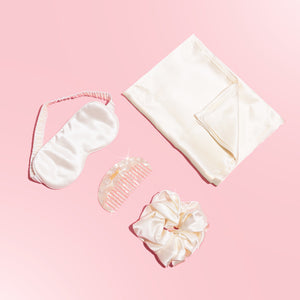
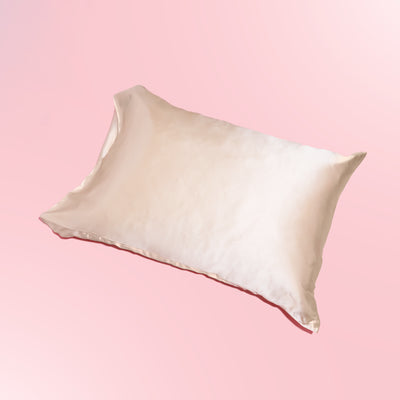
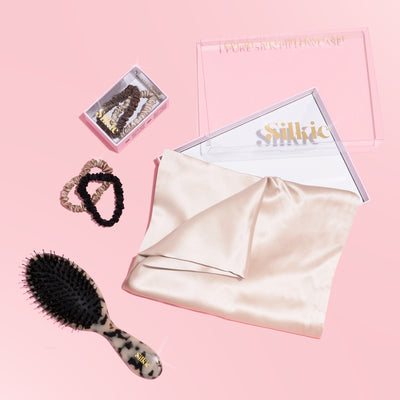
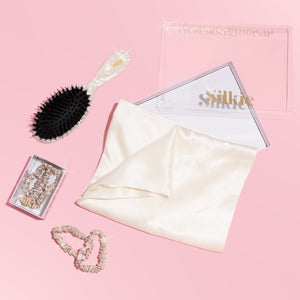
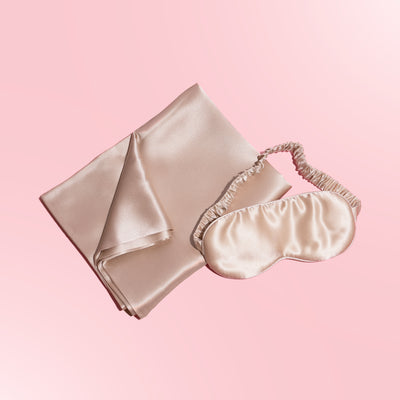
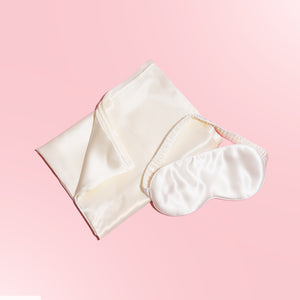
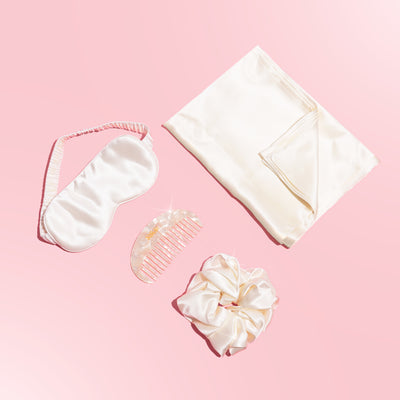
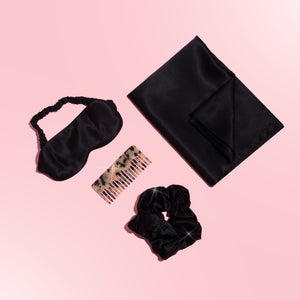
Sleeping on a Silkie mulberry silk pillowcase dramatically reduces overnight friction, helping preserve moisture and prevent cuticle wear. Over time, hair retains its smoothness, strength, and shine longer.
Use Brushes That Support, Not Stress, the Strand
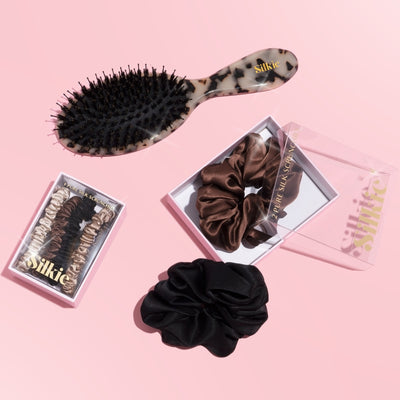
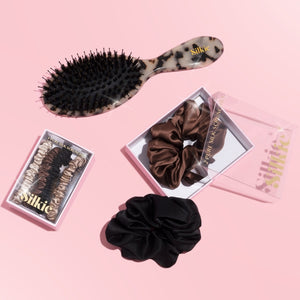
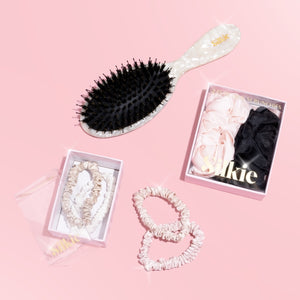
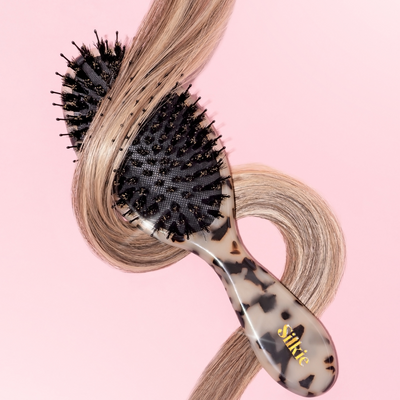
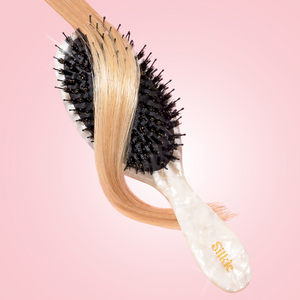
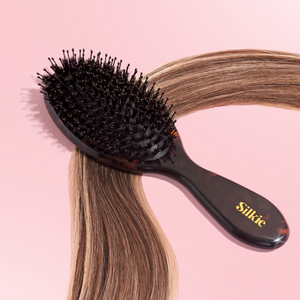
A Silkie boar bristle brush smooths hair while redistributing natural oils from root to tip. This minimizes breakage, enhances shine, and reduces the need for excessive product layering.
Choose Accessories That Age Hair Gracefully
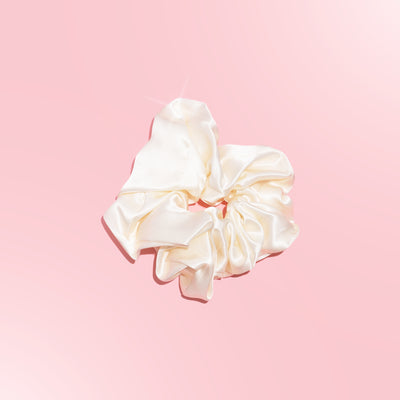
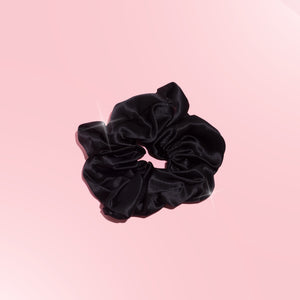
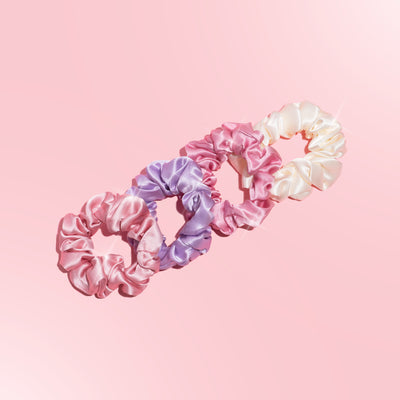
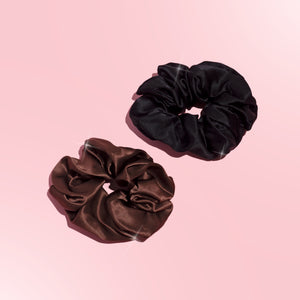
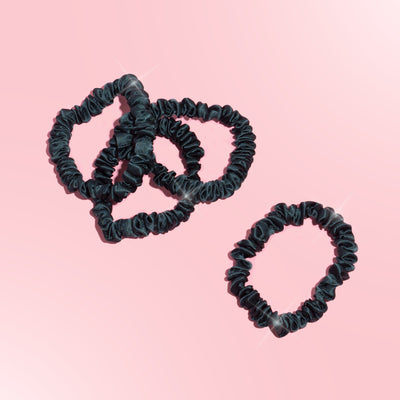
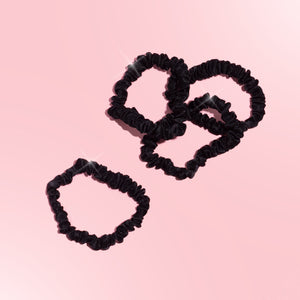
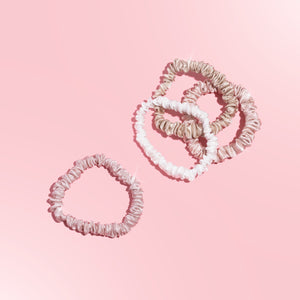
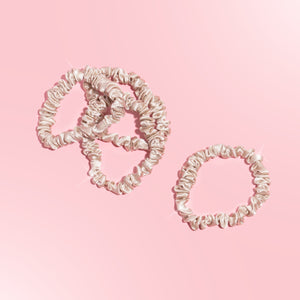
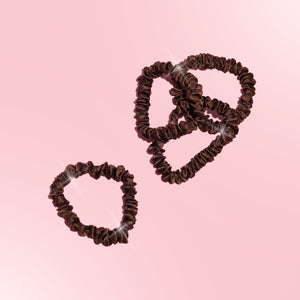
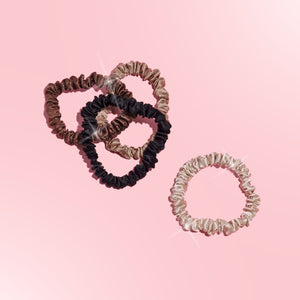
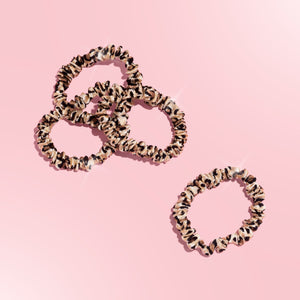
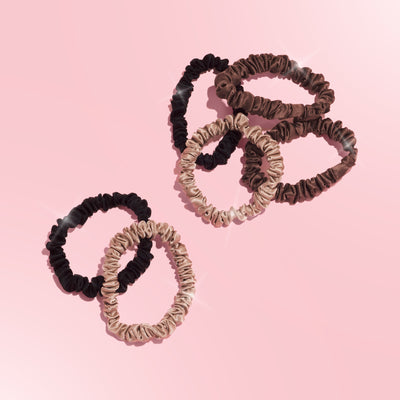
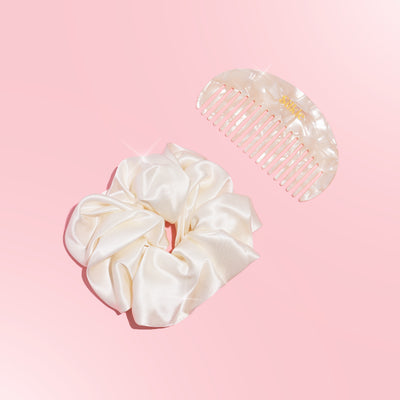
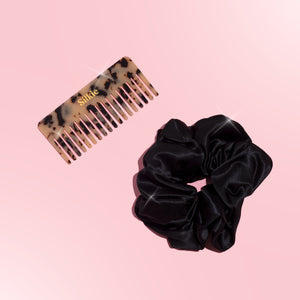
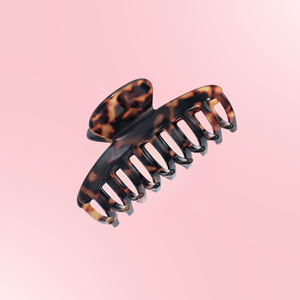
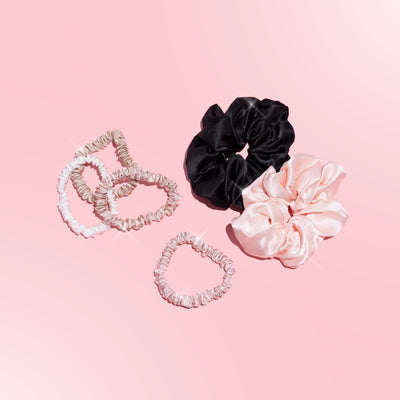
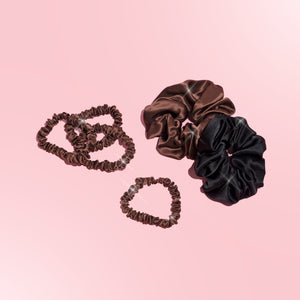
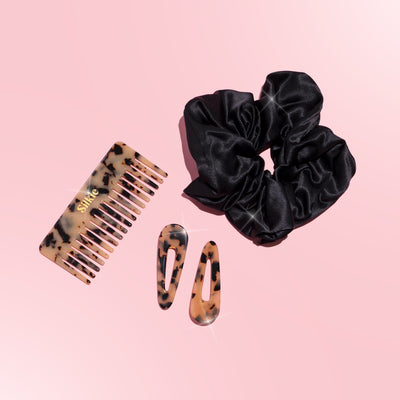
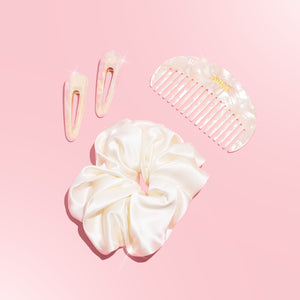
Silk scrunchies hold hair securely without tension or creasing. By eliminating repetitive stress points, hair maintains density and strength over the years — even with regular styling.
Hair Longevity Is a Lifestyle, Not a Treatment
The goal isn’t to freeze hair in time.
It’s to slow unnecessary damage so hair can age naturally — not prematurely.
When friction is reduced and stress is minimized, hair:
-
Breaks less
-
Retains length longer
-
Looks fuller and healthier year after year
This is the foundation of intentional haircare — and the philosophy behind Silkie.
Aging Hair Is Inevitable. Premature Damage Isn’t.
Your hair will change with time.
But how quickly it loses strength, shine, and density is largely within your control.
Protect the surface.
Reduce friction.
Support hair during the moments it’s most vulnerable.
Explore silk pillowcases, brushes, and accessories designed for long-term hair health at www.shopsilkie.com.
SHOP OUR SILKIE PRODUCTS
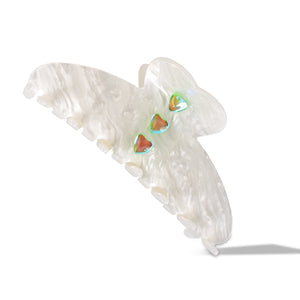
Love Valentine's Acetate Hair Clip
Pure Silk Luxury Eye Mask
The Classic Claw Clip
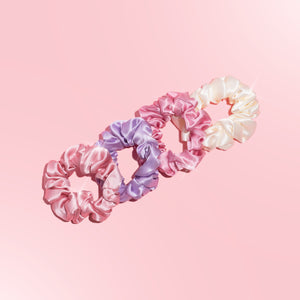
Pure Silk Pastel Scrunchies (Set of 4)
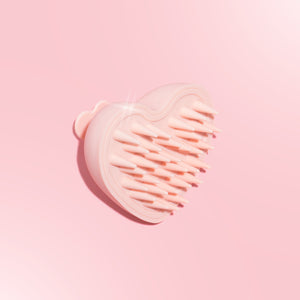
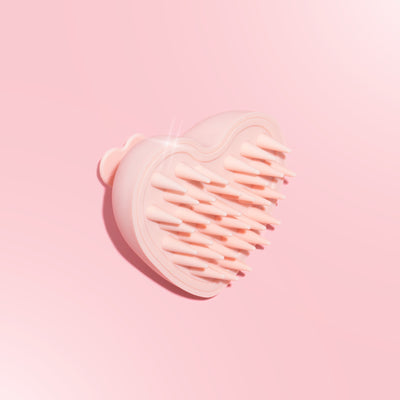
The Scalp Massaging Brush
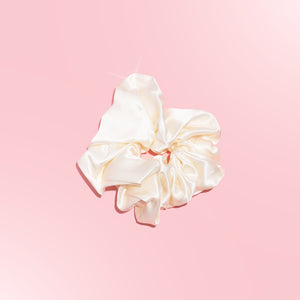
Pure Silk Deluxe Scrunchie
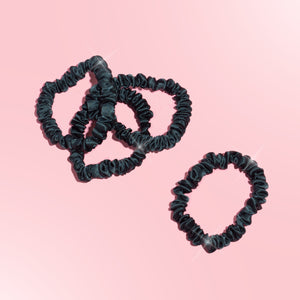
Pure Silk Skinny Scrunchies (Set of 4)
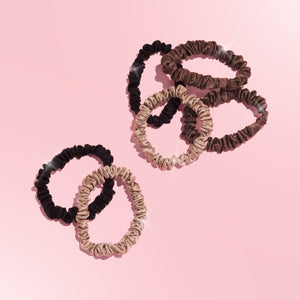
Pure Silk Skinny Scrunchies - Set of 6
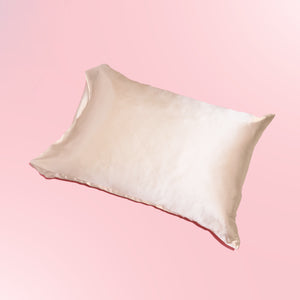
Pure Silk Pillowcase
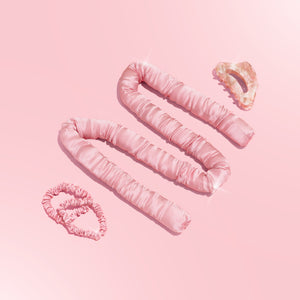
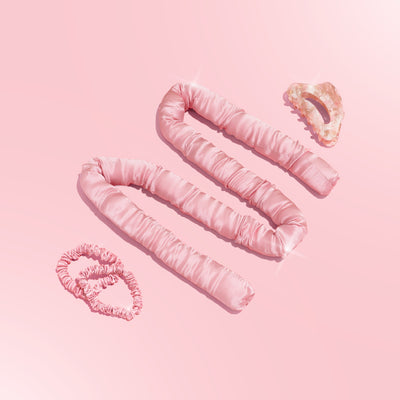
Pure Silk Heatless Curler Set
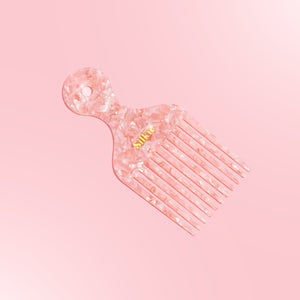
The Hair Pick
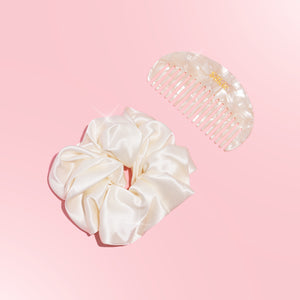
Silkie Styling Duo – Acetate Comb & Deluxe Scrunchie
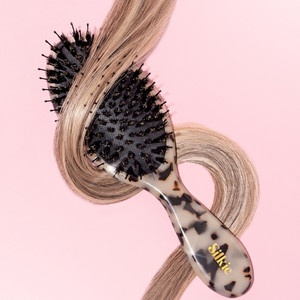
The Ultimate Smoothing Brush
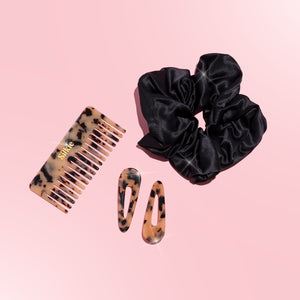
The Silkie Styling Set
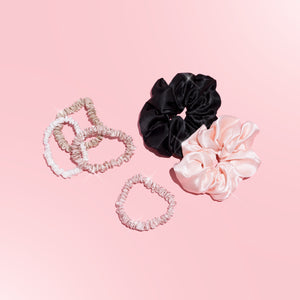
The Silkie Starter Set