Why Protecting Your Ends Matters for Longer-Looking Hair
When you're trying to grow longer hair, it's easy to focus all your attention on your roots. But retaining length depends just as much on what happens to the ends. Because they are the oldest part of your hair, your ends have experienced the most brushing, styling, friction, and environmental exposure. Learning how to protect them can help reduce unnecessary breakage, preserve the length you already have, and help your hair look longer and healthier over time.
Your Hair Can Grow Without Looking Longer
Hair growth begins at the scalp, but visible length depends on how much of that growth you retain.
If your hair grows while the ends repeatedly break, your overall length may appear unchanged.
This is why growing longer hair involves two separate goals:
Growth: New hair develops from the scalp.
Length retention: Existing strands remain intact as new growth continues.
Protecting your ends plays an important role in the second part.
Why Your Ends Are More Vulnerable
The ends are the oldest sections of your hair.
They have been exposed to everyday wear for much longer than the newer hair near your scalp.
Over time, repeated exposure to:
- Brushing
- Heat styling
- Washing
- Friction
- Hair accessories
- Environmental conditions
can contribute to dryness, splitting, and breakage.
This makes your ends particularly important when your goal is to maintain length.
Handle Your Ends Gently When Brushing
Detangling can place significant mechanical stress on your hair, especially when you're trying to work through stubborn knots.
Rather than starting at the roots and pulling downward, begin at the ends.
Work through small sections and gradually move upward as the tangles loosen.
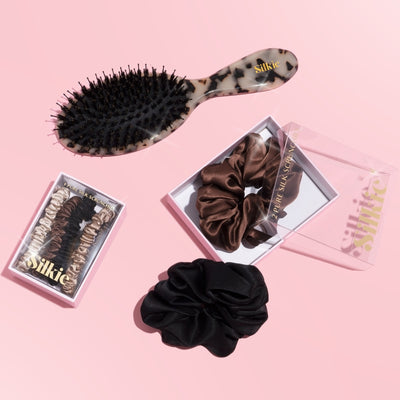
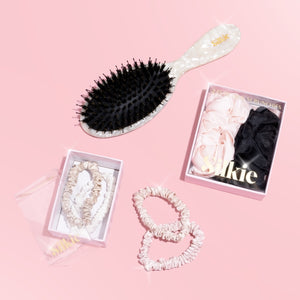
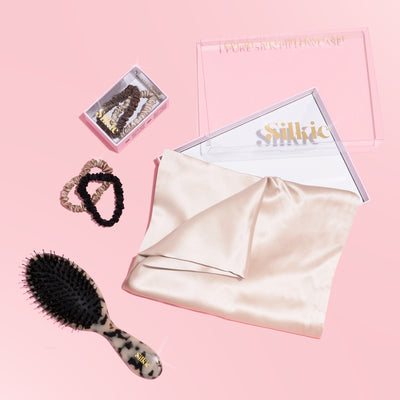
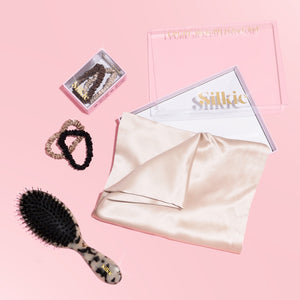
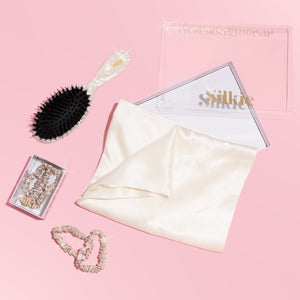
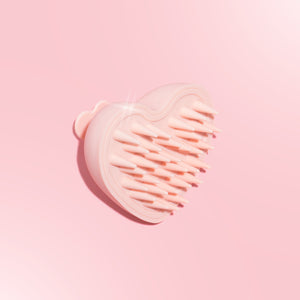
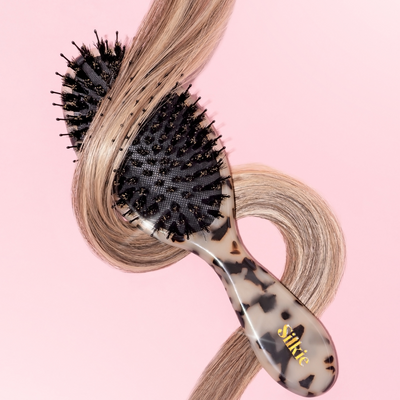
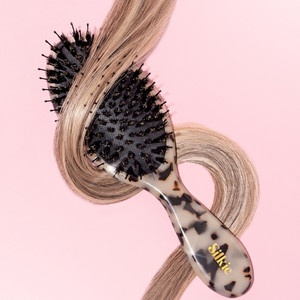
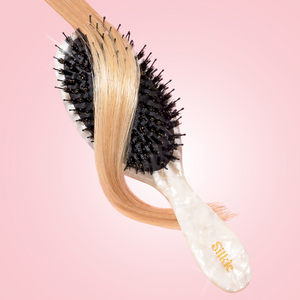
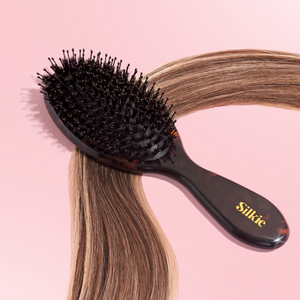
Silkie's hair brush is designed for gentle detangling, helping minimize unnecessary pulling while making your daily brushing routine easier.
Avoid Pulling Through Knots
A small knot can quickly become a larger problem if you force a brush through it.
When you encounter resistance, pause and gently separate the tangled strands.
This extra patience can help reduce unnecessary stress and protect the ends from snapping.
Gentle detangling isn't about taking more time for the sake of it. It's about reducing avoidable wear.
Reduce Friction During the Day
Your ends are constantly moving against different surfaces.
They may rub against your clothing, shoulders, bags, scarves, and other strands.
Over time, repeated friction can contribute to tangling and surface wear.
You don't need to eliminate every source of friction, but being mindful of it can help you make more protective choices throughout your day.
Your Pillowcase Matters at Night
Your ends continue to experience friction while you're asleep.
As you move around during the night, your hair can repeatedly rub against your pillow.
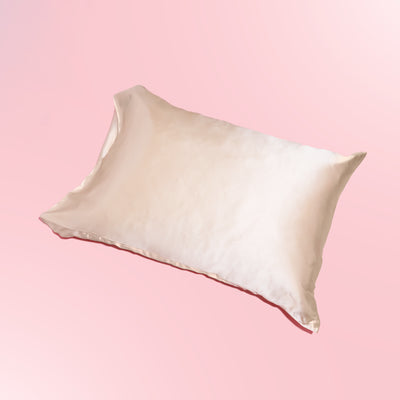
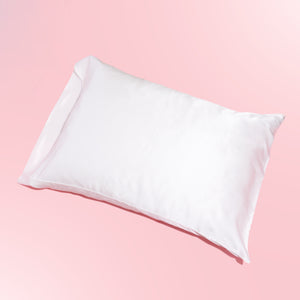
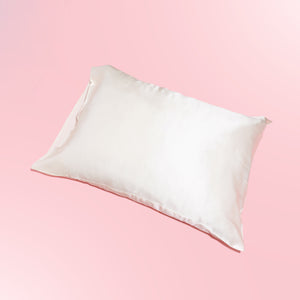
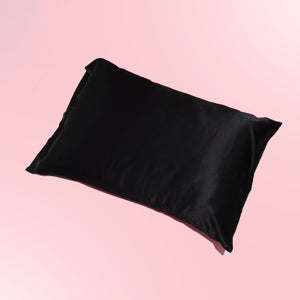
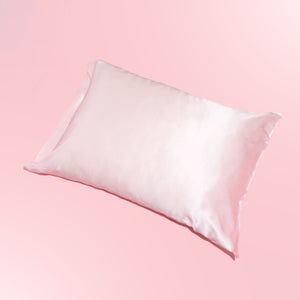
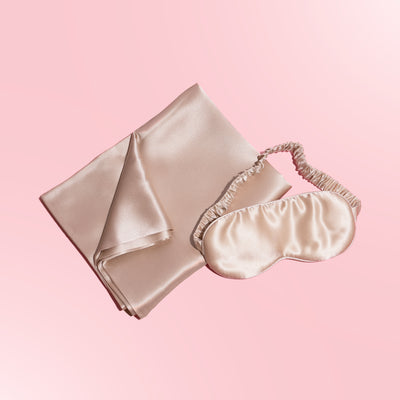
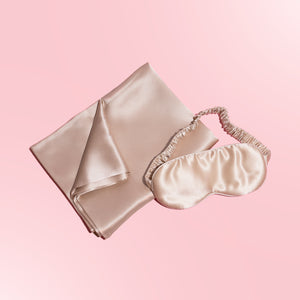
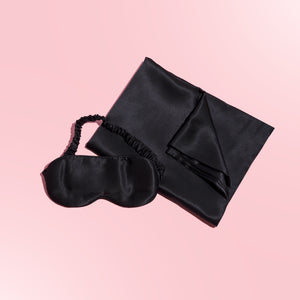
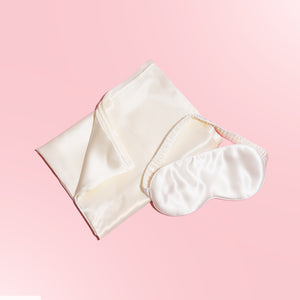
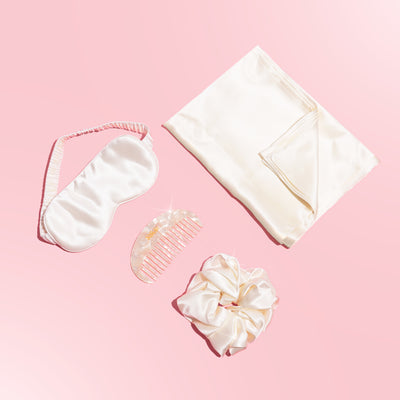
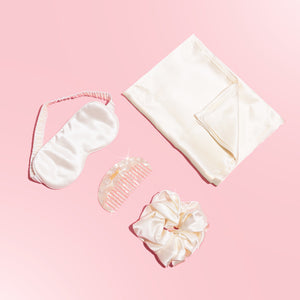
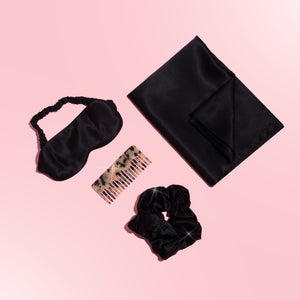
Silkie's mulberry silk pillowcases provide a smooth sleeping surface that helps reduce overnight friction.
This can help minimize tangles and make your hair easier to manage in the morning, reducing the need for aggressive brushing.
Choose Hair Accessories Carefully
Hair ties are another everyday source of friction and tension.
Using tight or rough elastics repeatedly can put additional stress on your hair, particularly when you secure it in the same position every day.
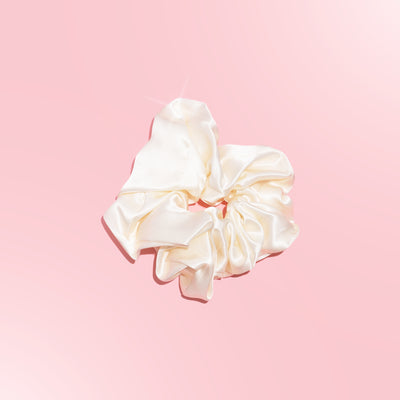
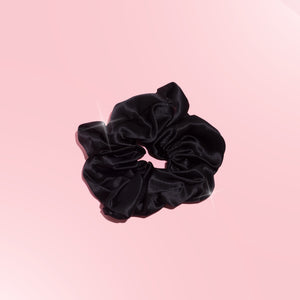
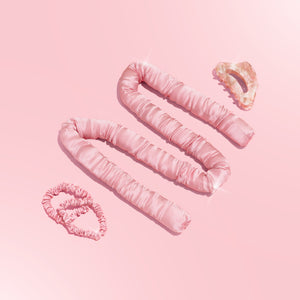
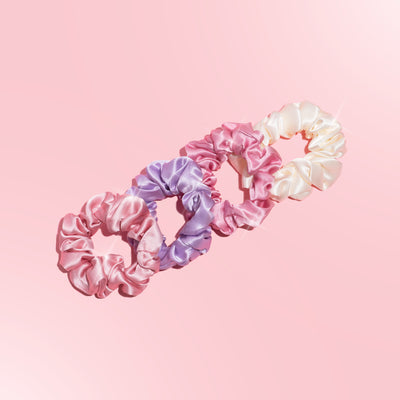
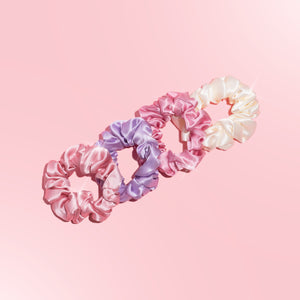
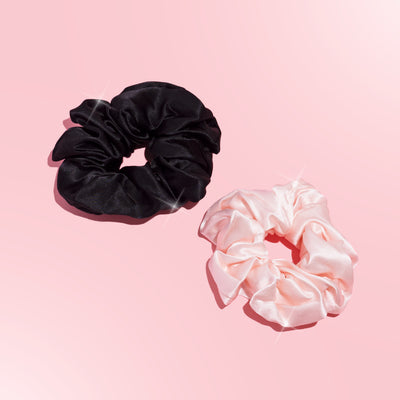
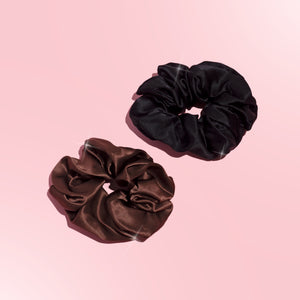
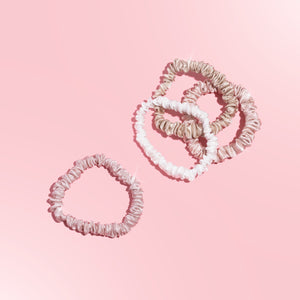
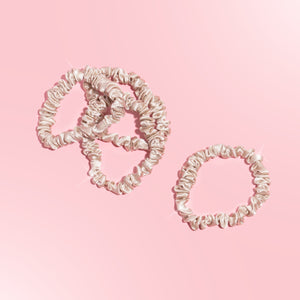
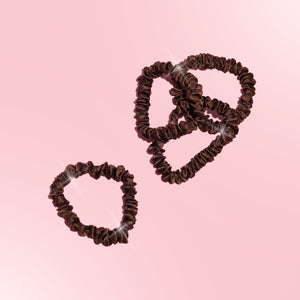
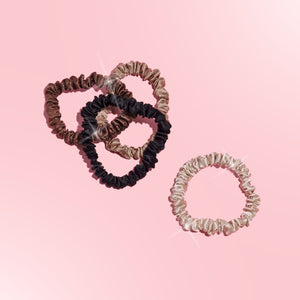
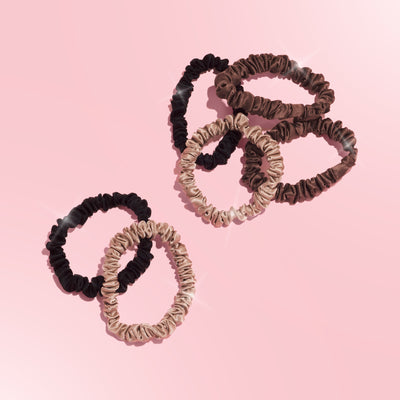
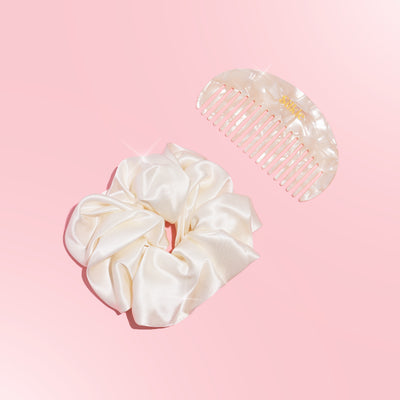
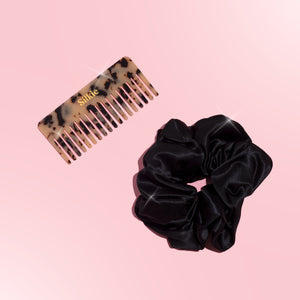
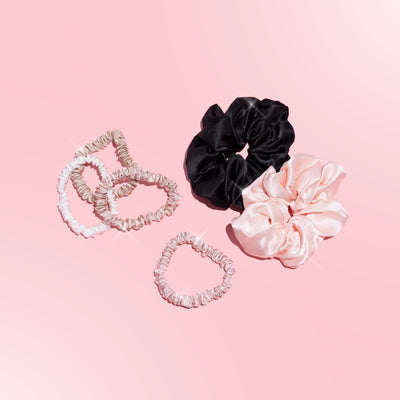
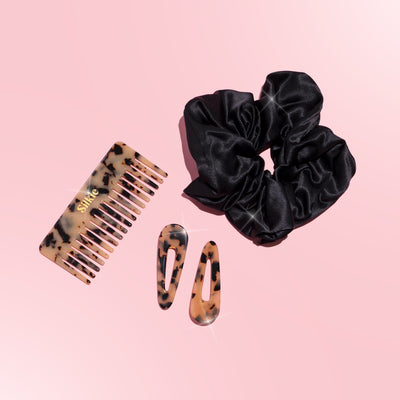
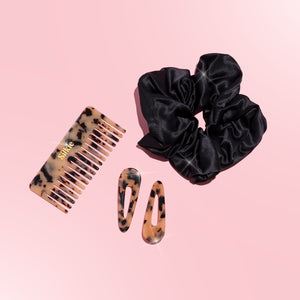
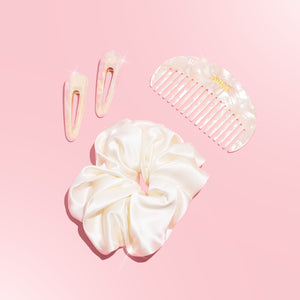
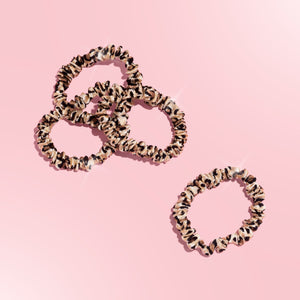
Silkie's silk scrunchies offer a softer alternative that helps minimize friction while providing a comfortable hold.
Rotating your hairstyles can also help prevent repeated stress in the same areas.
Limit Unnecessary Manipulation
Your hair doesn't need to be constantly adjusted, brushed, or restyled.
Every additional interaction creates another opportunity for mechanical stress.
Try to keep your routine simple by:
- Brushing only when needed
- Avoiding excessive touching
- Choosing low-manipulation hairstyles
- Giving your hair breaks between styles
The less unnecessary handling your ends experience, the easier it can be to maintain your existing length.
Be Mindful With Heat Styling
Heat styling can be part of a healthy hair routine when used thoughtfully, but frequent or excessive heat exposure can affect the condition of your strands.
Since your ends are older, they may already have accumulated more wear.
Consider reducing unnecessary heat styling and using appropriate heat protection when you do use hot tools.
Keep Your Ends Manageable
Conditioning can help improve how your hair feels and behaves, making it easier to detangle and style.
Pay particular attention to your ends when conditioning, as they're often the areas that feel driest or roughest.
A manageable head of hair is less likely to require aggressive brushing or repeated manipulation.
Protecting Your Ends Doesn't Mean Never Cutting Them
Trimming and length retention aren't opposites.
If your ends have significant splitting or damage, removing those damaged sections can help maintain a cleaner, healthier-looking shape.
The goal isn't to avoid trimming forever. It's to minimize unnecessary breakage between trims so you can retain more of your growth.
Work With Your Natural Texture
Trying to constantly change your hair's natural texture can involve more brushing, heat, and manipulation.
For curly and coily hair, maintaining the natural pattern can often mean less unnecessary handling.
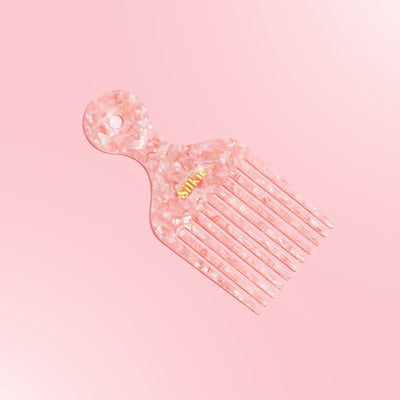
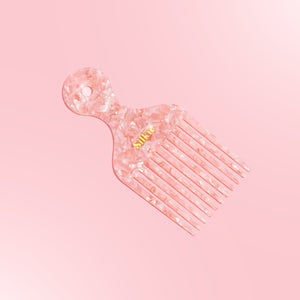
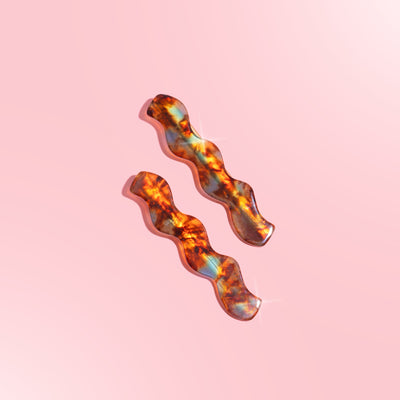
Silkie's texture pick can help add volume at the roots while maintaining curl definition, allowing you to refresh your style without repeatedly brushing through the lengths.
Small Habits Can Help You Retain More Length
Protecting your ends doesn't require a complicated routine.
Start with simple changes:
Brush gently: Begin at the ends and work upward.
Reduce friction: Be mindful of the surfaces your hair regularly touches.
Choose softer accessories: Minimize unnecessary pulling and friction.
Protect your hair overnight: Use a smoother sleep surface.
Limit manipulation: Avoid repeatedly brushing or restyling your hair.
Over time, these habits can help reduce everyday wear.
Longer Hair Starts With Keeping What You Grow
You can't control every factor that affects your hair, but you can control how gently you treat it.
When you focus on protecting your ends, you're not necessarily making your hair grow faster. You're helping preserve more of the length your hair naturally produces.
That distinction can make a significant difference when you're working toward longer-looking hair.
Protect Your Length With Silkie
Longer hair isn't only about growth. It's also about retaining the strands you've already grown. Caring for your ends through gentle brushing, reduced friction, comfortable styling, and overnight protection can help minimize unnecessary breakage and support better length retention.
Silkie's collection of gentle hair brushes, mulberry silk pillowcases, silk scrunchies, and texture picks is designed to make everyday haircare gentler while helping protect your hair from unnecessary mechanical stress.
Explore the full collection at www.shopsilkie.com and discover simple ways to protect your ends and keep more of the length you've worked to grow.