Why Your Clothing Choices Can Affect Your Hair

When thinking about haircare, clothing probably isn't the first thing that comes to mind. But the fabrics you wear can come into contact with your hair throughout the day, creating friction that may contribute to tangling, frizz, and roughness. From high collars and scarves to sweaters and jackets, small details in your wardrobe can influence how your hair behaves. Understanding these everyday interactions can help you make simple choices that keep your hair more manageable.

Your Hair and Clothing Interact More Than You Think

Your hair is constantly moving throughout the day.

As you walk, sit, exercise, or adjust your clothes, your strands can rub against collars, shoulders, scarves, jackets, and other fabrics.

This repeated contact creates friction.

While occasional friction is completely normal, frequent rubbing can contribute to tangling and make your hair feel less smooth over time.


How Fabric Friction Affects Your Hair

Different fabrics have different textures.

Rougher or more textured materials can create more friction when your hair repeatedly brushes against them.

This can be particularly noticeable with longer hair because more of the lengths are in contact with your clothing.

You may notice:

  • More tangles around the nape
  • Frizz around the ends
  • Hair that feels rougher after wearing certain clothes
  • More knots when removing scarves or jackets
  • Difficulty keeping your hairstyle intact

The effect won't be the same for everyone, but noticing patterns can help you understand your hair better.


High Collars Can Create More Contact

Turtlenecks, high-neck sweaters, and jackets can sit directly against the hair around your neck.

If you have long hair, your ends may constantly rub against the fabric as you move.

When wearing these styles, consider putting your hair into a loose ponytail, braid, or bun to keep the lengths away from your collar.

A comfortable hairstyle can reduce the amount of rubbing your hair experiences throughout the day.


Scarves Can Be Particularly Noticeable

Scarves sit close to your hair and can move against it as you walk.

The combination of fabric, movement, and friction can create tangles, particularly around the nape and sides of your hair.

If you're wearing a scarf for several hours, consider securing your hair loosely rather than leaving the lengths loose against the fabric.

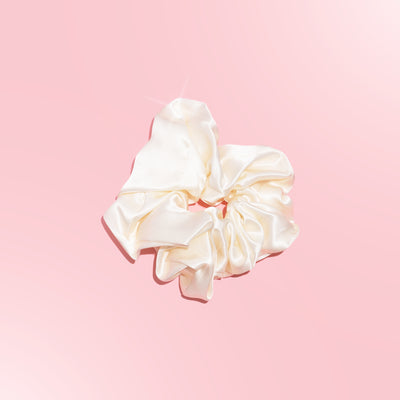
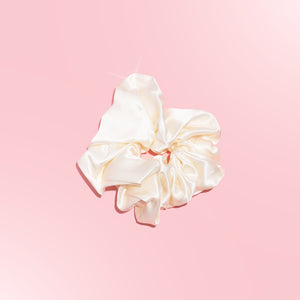
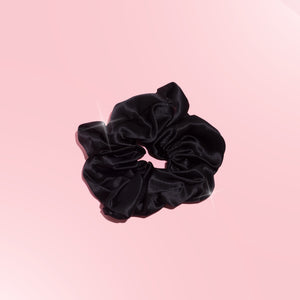
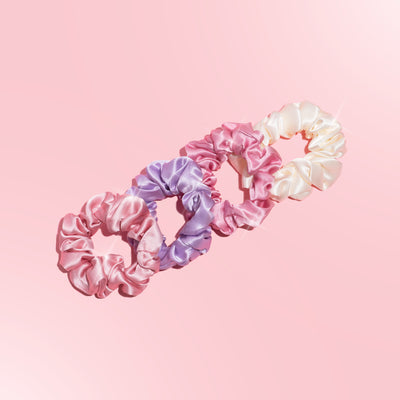
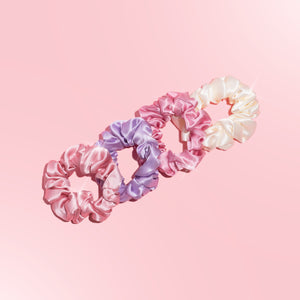
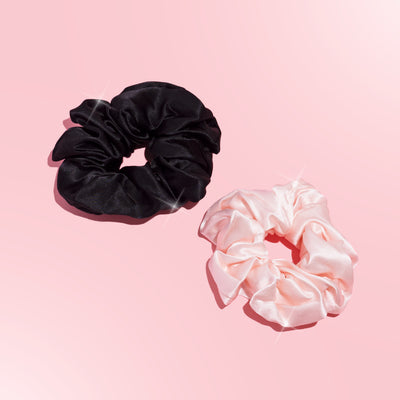
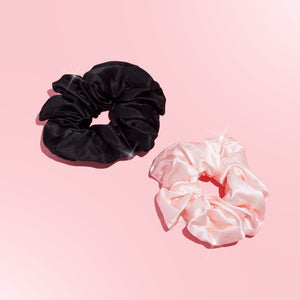
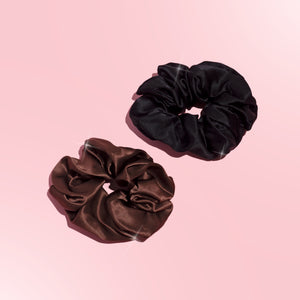
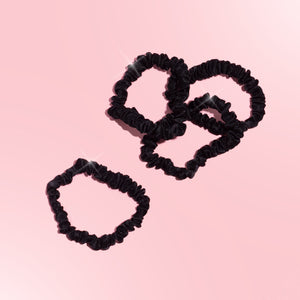
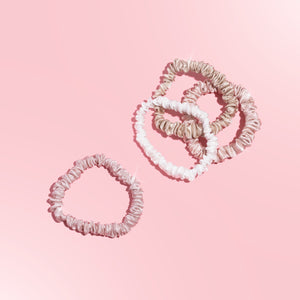
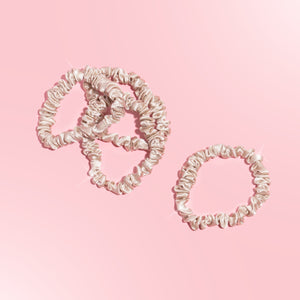
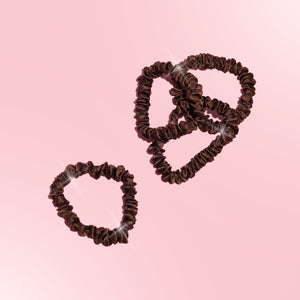
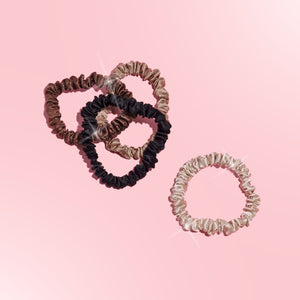
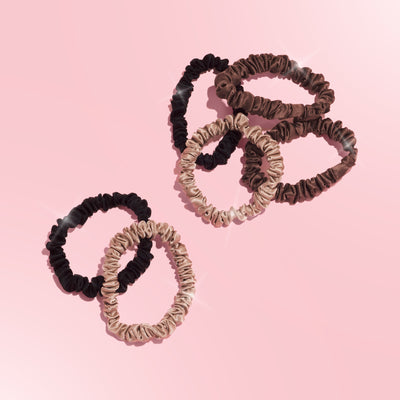
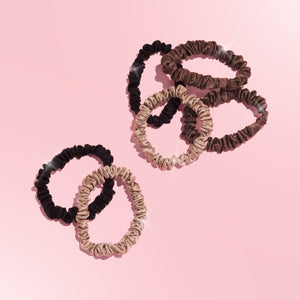
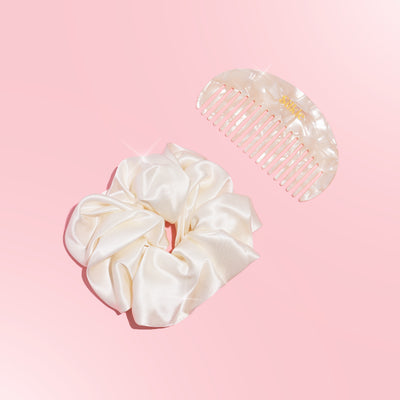
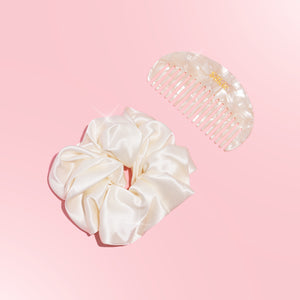
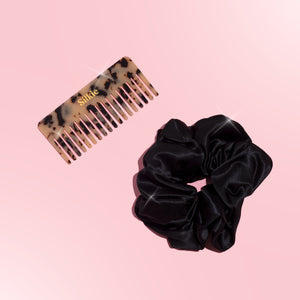
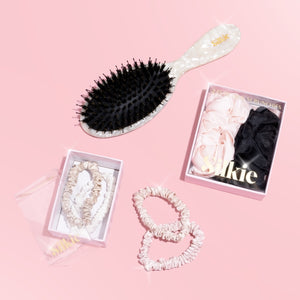
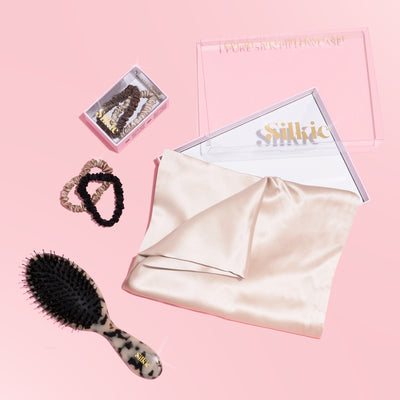
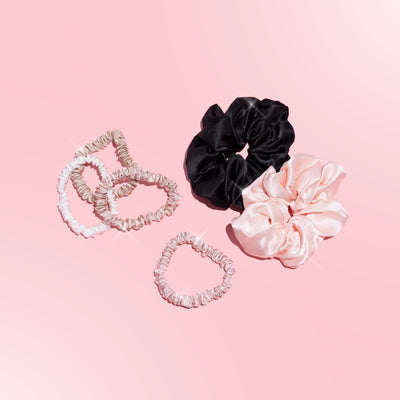
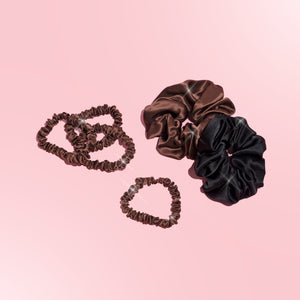
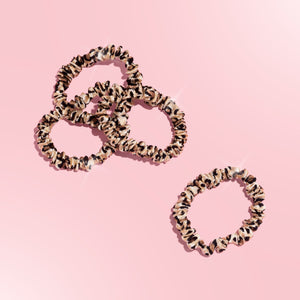
Silkie's silk scrunchies can be useful for creating relaxed hairstyles without relying on tight elastics.


Sweaters Can Catch Long Hair

Thick sweaters and textured knitwear can create additional contact with your hair.

Your ends may become caught between the fibers, especially when you pull a sweater over your head.

Before putting on or removing a sweater, consider loosely securing longer hair out of the way.

This small habit can help prevent unnecessary pulling and tangling.


Bags Can Add More Friction

It's not just clothing that comes into contact with your hair.

Backpacks, shoulder bags, and crossbody straps can also rub against your hair and clothing.

If your hair regularly gets caught underneath a bag strap, consider moving it to the opposite side or securing your hair before putting the bag on.

Small adjustments can reduce repeated friction during your commute or daily activities.


Hair Texture Can Influence the Effect

Different hair textures respond differently to friction.

Curly and coily hair can be particularly prone to tangling because of its natural shape, while fine hair may become easily knotted.

Straight hair can also experience friction-related tangling, especially around the nape.

Regardless of your texture, gentle handling is important when working through knots.


Be Gentle When You Find Tangles

If your hair becomes tangled after wearing certain clothing, avoid immediately pulling a brush through the knot.

Start at the ends and gradually work upward.

Separate the tangled section if necessary and work through it patiently.

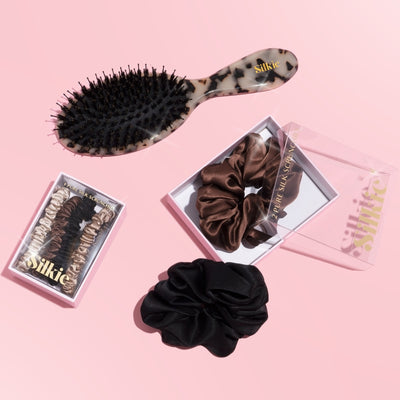
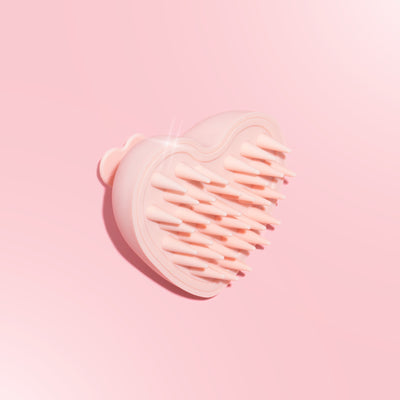
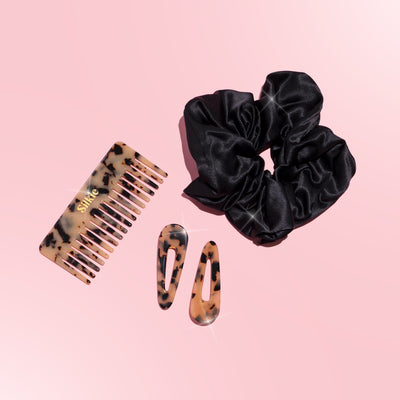
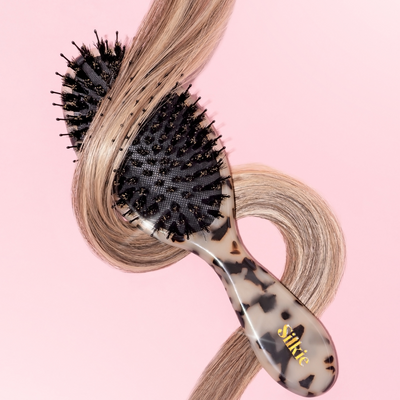
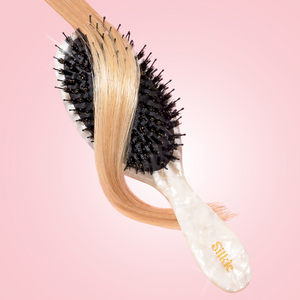
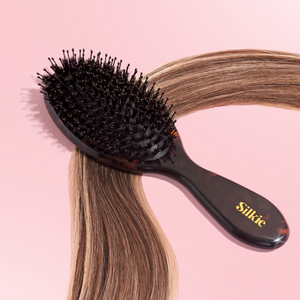
Silkie's hair brush can be incorporated into your routine for gentle detangling, helping you work through everyday knots without excessive pulling.


Your Hairstyle Can Help

Sometimes the easiest way to reduce friction is simply to change how you wear your hair.

If you know you'll be wearing a rough sweater, scarf, or jacket, consider:

A loose braid: Keeps longer hair contained and reduces movement.

A low ponytail: Keeps the lengths together while remaining comfortable.

A relaxed bun: Keeps the ends away from your clothing.

A half-up style: Reduces some contact while keeping your hair down.

The best option depends on your hair type and how much tension feels comfortable.


Avoid Tight Hairstyles as a Solution

While securing your hair can reduce friction, you don't need to pull it tightly.

A very tight ponytail or bun can create unnecessary tension and may leave your hair with a noticeable crease.

Choose a comfortable hold instead.

Silkie's silk scrunchies provide a softer alternative to traditional elastics and can be useful for relaxed everyday hairstyles.


What You Wear to Bed Matters Too

Your clothing isn't the only fabric your hair interacts with.
Your bedding can create friction for hours while you sleep.

If you already notice that certain fabrics make your hair more tangled during the day, your nighttime environment is worth considering too.

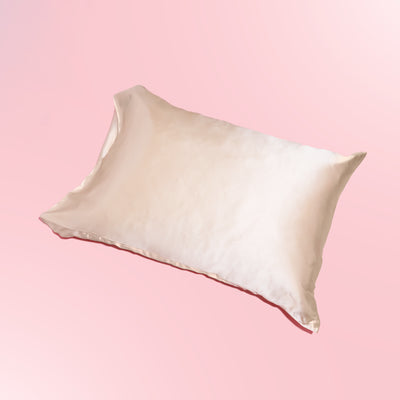
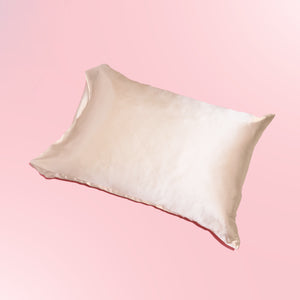
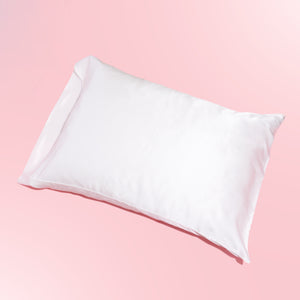
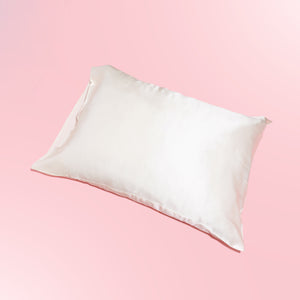
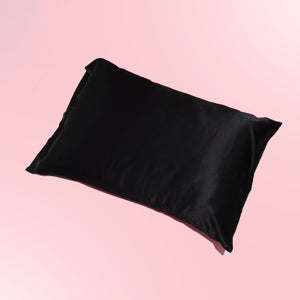
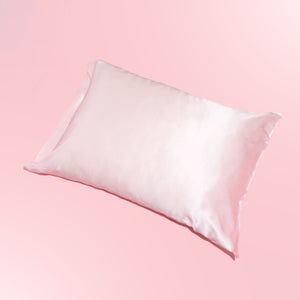
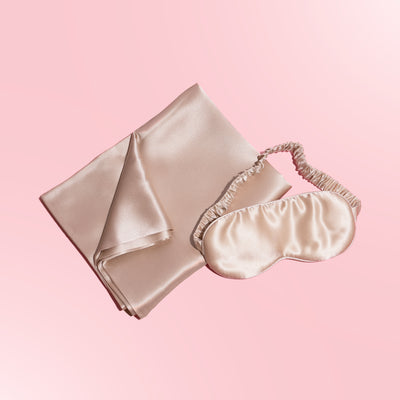
Silkie's mulberry silk pillowcases provide a smooth sleeping surface that helps reduce overnight friction.

This can help you start the morning with fewer tangles to deal with.

Consider Your Hair When Choosing Outfits

You don't need to change your entire wardrobe for the sake of your hair.

Instead, become more aware of how certain clothing choices interact with your strands.

If you notice that a particular sweater consistently creates tangles, try wearing your hair up.

If scarves make the hair around your neck difficult to manage, secure your lengths beforehand.

These small adjustments can help you protect your hair without changing your personal style.


A Simple Clothing and Haircare Strategy

You can easily incorporate hair-friendly habits into your everyday routine:

Before getting dressed: Secure long hair loosely when putting on textured clothing.

During the day: Pay attention to areas where your hair repeatedly rubs against fabric.

After wearing friction-heavy fabrics: Detangle gently rather than brushing aggressively.

At night: Use a smooth pillowcase to reduce overnight friction.

None of these steps require a complicated routine.


Your Wardrobe Is Part of Your Haircare Environment

Haircare doesn't only happen in the bathroom.

The fabrics surrounding your hair throughout the day can influence how much friction and tangling your strands experience.

You don't need to avoid sweaters, scarves, jackets, or textured fabrics.

Instead, be mindful of how they interact with your hair and make small adjustments when necessary.

Make Friction Reduction Part of Your Routine With Silkie

Your clothing choices may seem unrelated to haircare, but everyday contact between your hair and fabrics can contribute to friction and tangling. Paying attention to the materials you wear and how you style your hair around them can make everyday maintenance easier.

Silkie's collection of silk scrunchies, gentle hair brushes, and mulberry silk pillowcases provides simple ways to reduce unnecessary friction throughout your daily routine.

Explore the collection at www.shopsilkie.com and discover small changes that can make a difference to the way you care for your hair.


SHOP OUR SILKIE PRODUCTS

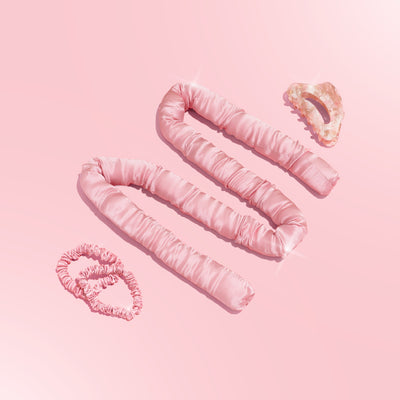
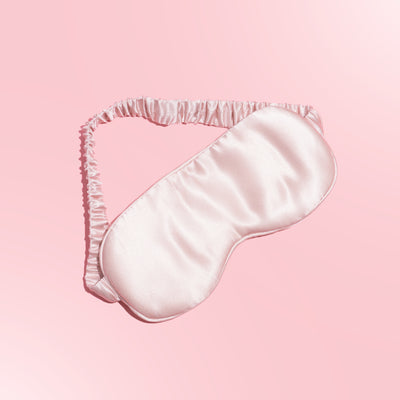
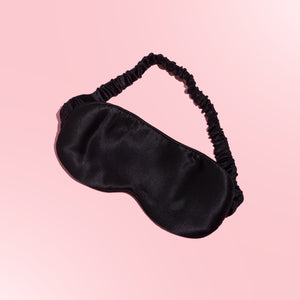
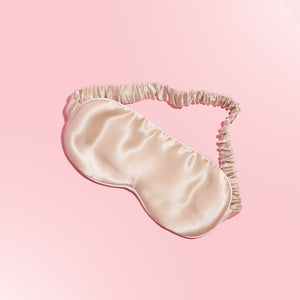
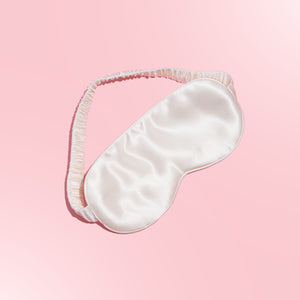
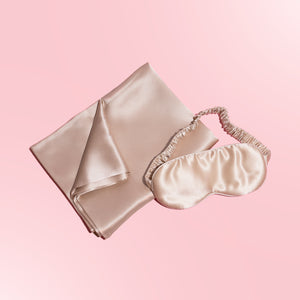
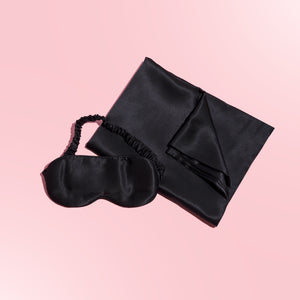
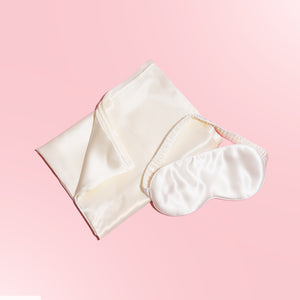
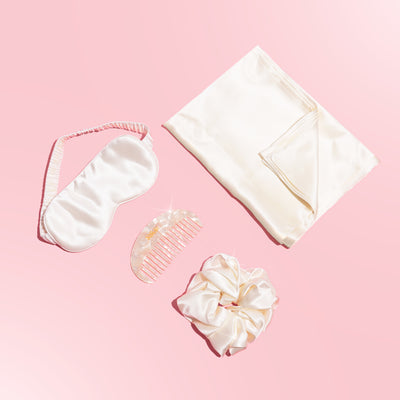
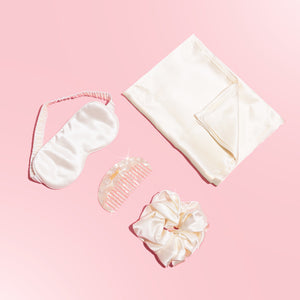
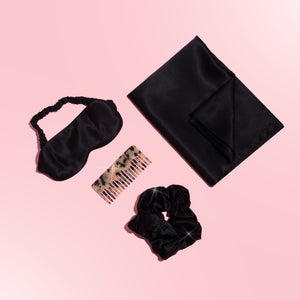
The Silkie Dreamy Sleep Set

The Silkie Dreamy Sleep Set

Available in 3 colours:

CHECK OUT SOME OF OUR OTHER ARTICLES BELOW