










Why Your Hair Brush Matters More Than You Think
Most people think of a hair brush as a simple everyday tool, but it plays a much bigger role in hair health than expected. The way a brush interacts with your strands can either reduce breakage and smooth the cuticle — or quietly cause daily stress that builds up over time. Choosing the right brush can change how your hair feels, looks, and behaves long-term.
Your Brush Touches Your Hair More Than Any Other Tool
Unlike styling tools used occasionally, your brush is often used daily — sometimes multiple times a day.
That means it directly influences:
- How much tension your hair experiences
- How often tangles are pulled or forced apart
- The condition of your hair cuticle over time
Even small differences in brush design can have a big cumulative effect.
How the Wrong Brush Causes Hidden Damage
A harsh or poorly designed brush can create stress without you realizing it.
Common issues include:
- Excessive pulling on knots
- Snagging at weak points
- Uneven pressure across strands
- Increased breakage during detangling
Over time, this leads to gradual weakening of the hair, especially at the mid-lengths and ends.
Why Detangling Is a High-Stress Moment for Hair
Brushing is one of the most vulnerable moments for your hair.
When detangling is rushed or forceful:
- The cuticle becomes roughened
- Strands stretch beyond their limit
- Breakage occurs at weak points
This is why hair often feels more fragile after aggressive brushing.
The Importance of Gentle Glide
A good brush should reduce resistance, not increase it.
When a brush glides smoothly:
- Fewer passes are needed
- Less force is required
- Hair stays more aligned
This minimizes mechanical stress and helps preserve strand integrity.
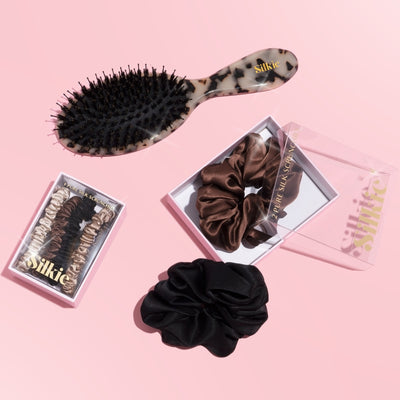
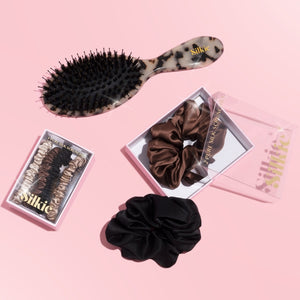
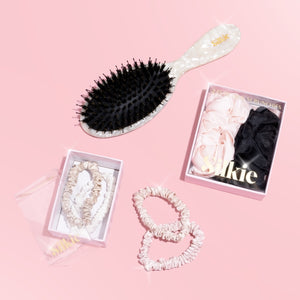
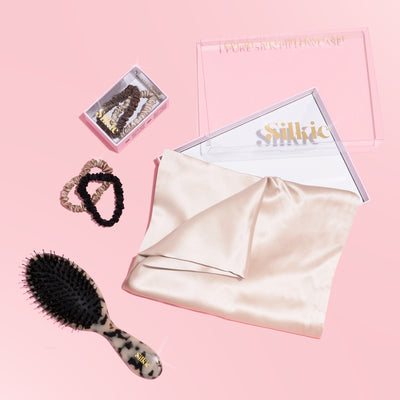
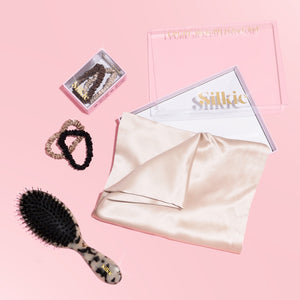
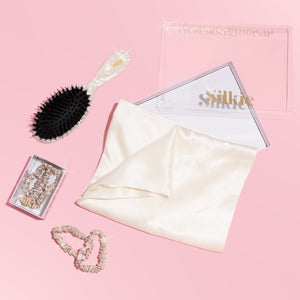
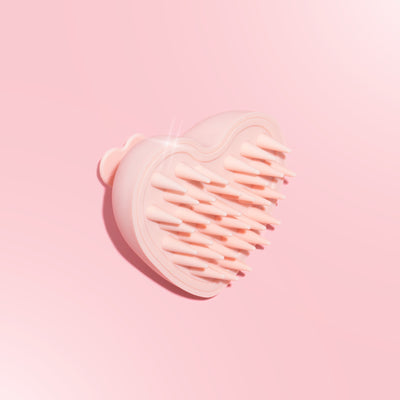
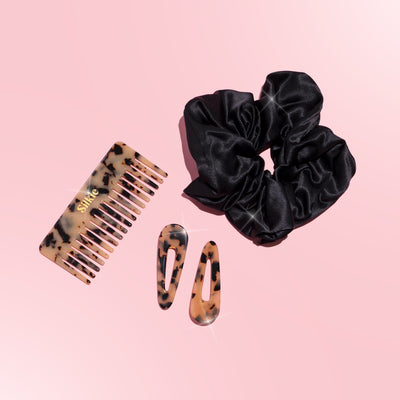
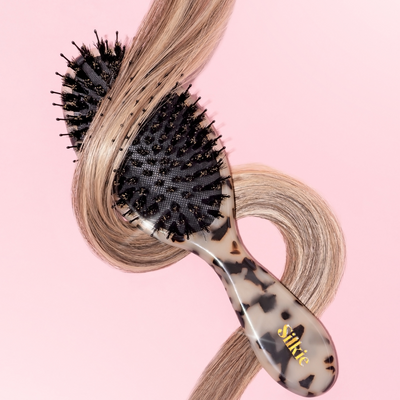
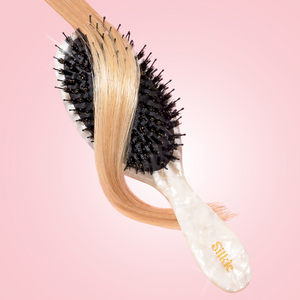
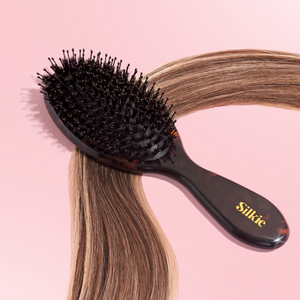
Silkie’s hair brush is designed to detangle more gently, reducing pulling while helping maintain smoother hair over time.
Why You Shouldn’t Hear Your Brush on Your Hair
A common sign of a harsh brush is sound — snapping, tugging, or scraping.
These sounds often indicate:
- High friction between brush and hair
- Resistance against knots instead of smooth detangling
- Increased cuticle disruption
A gentler brush should move quietly and smoothly through the hair.
How Brush Design Affects Breakage
Different brush features influence how your hair responds:
- Bristle flexibility affects tension distribution
- Spacing affects how easily tangles release
- Surface smoothness affects friction levels
Poor design increases stress; good design reduces it.
Why Wet Hair Needs Extra Care
Hair is more fragile when wet because its structure is temporarily weakened.
Using the wrong brush at this stage can lead to:
- Stretching beyond elasticity
- Breakage at mid-lengths
- Increased long-term damage
A gentle brush helps reduce stress during this vulnerable state.
The Cumulative Effect of Daily Brushing
Even if each brushing session feels minor, repetition matters.
Over time, harsh brushing can cause:
- Gradual thinning at ends
- Increased split ends
- Overall loss of smoothness
Gentle brushing prevents these micro-damages from building up.
A Better Brush Leads to Better Habits
When brushing feels easier, you naturally:
- Pull less
- Rush less
- Handle your hair more gently
The right tool doesn’t just change your hair — it changes your behavior.
Pairing a Good Brush With a Low-Stress Routine
A better brush works best alongside supportive habits like:
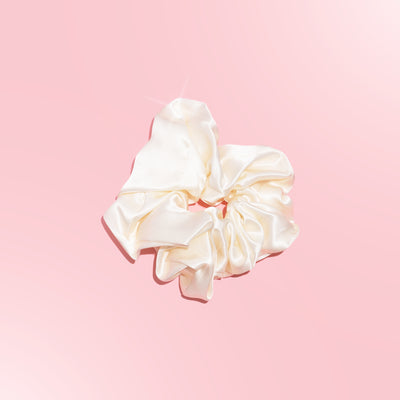
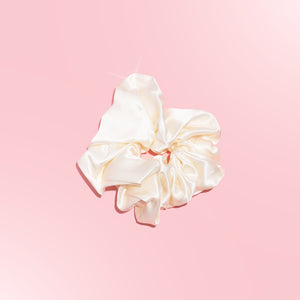
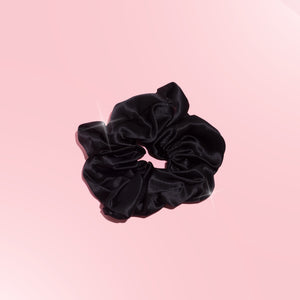
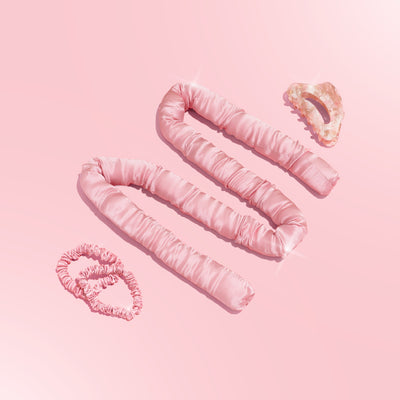
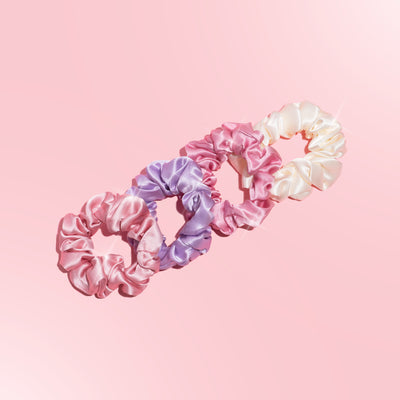
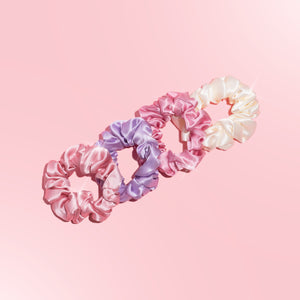
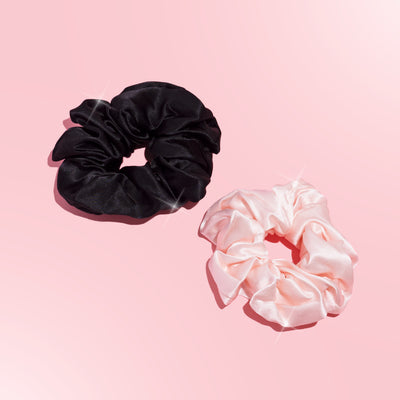
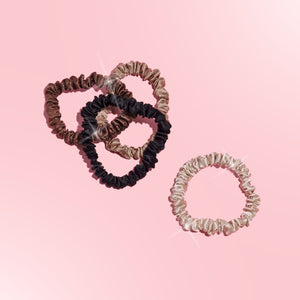
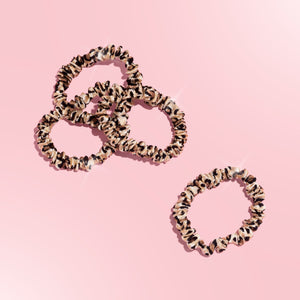
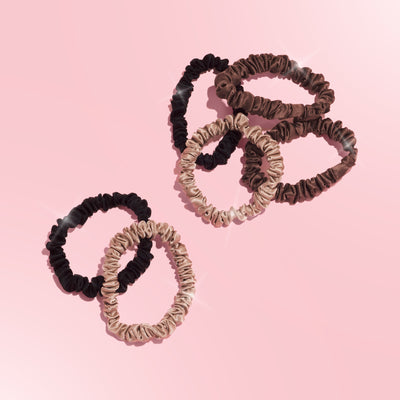
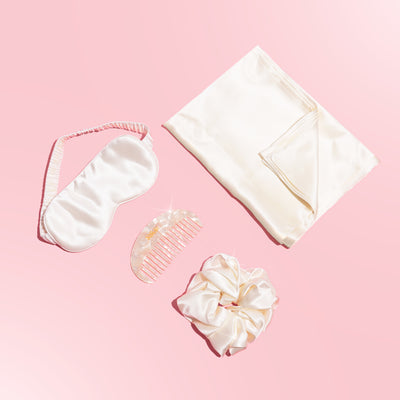
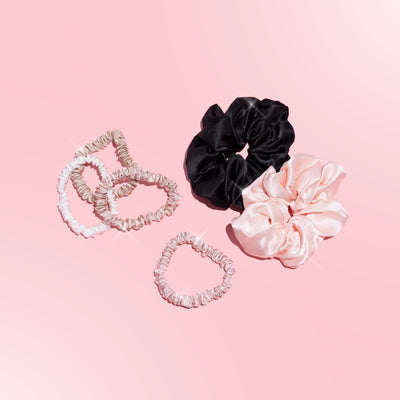
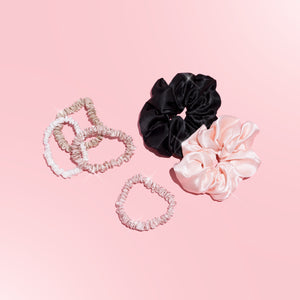
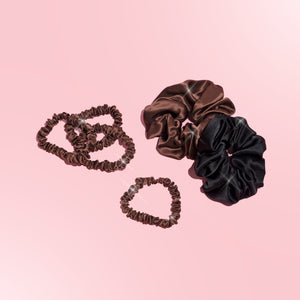
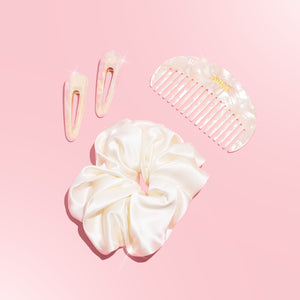
- Using silk scrunchies to reduce styling tension
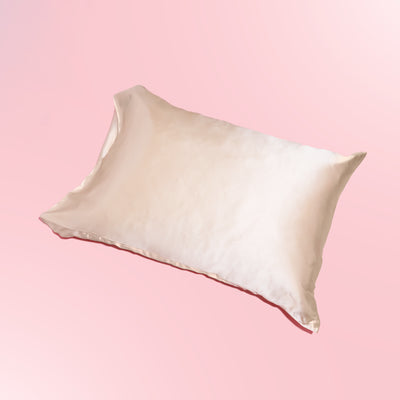
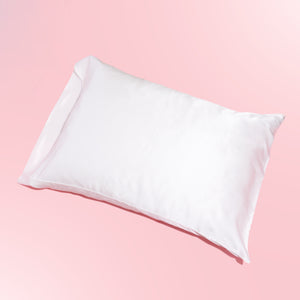
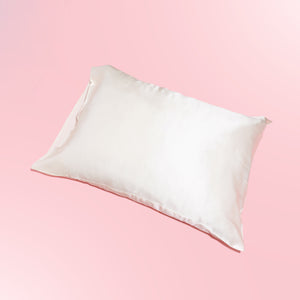
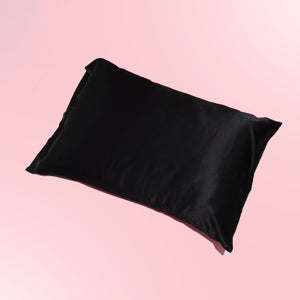
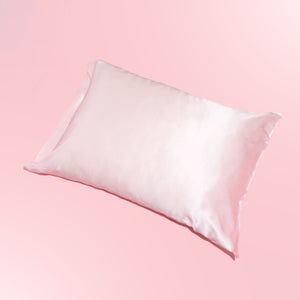
- Sleeping on silk pillowcases to reduce overnight friction
- Avoiding excessive restyling throughout the day
Silkie’s silk scrunchies and mulberry silk pillowcases help reduce stress beyond brushing, supporting a full low-damage routine.
Upgrade Your Daily Routine With Silkie
Silkie’s hair brush is designed to make detangling smoother and less stressful, helping reduce breakage caused by daily brushing habits. Combined with Silkie’s silk scrunchies and silk pillowcases, it supports a gentler, more intentional approach to everyday haircare.
Explore the full collection at www.shopsilkie.com and upgrade the tool you use most often on your hair.