







Why Your Hair Changes Texture Throughout the Day
Have you ever noticed that your hair feels smooth and polished in the morning, only to become frizzy, rough, flat, or tangled by the afternoon? You're not imagining it. Hair is constantly responding to its environment, the surfaces it touches, and the way it's handled throughout the day. Understanding why your hair's texture changes can help you make simple adjustments that keep it looking smoother and healthier for longer.
Your Hair Is Constantly Interacting With Its Environment
Unlike your skin, hair cannot repair itself once it becomes damaged. Throughout the day, every movement exposes your strands to factors that affect their texture.
These include:
- Friction from clothing
- Changes in humidity
- Wind exposure
- Hair manipulation and styling
- Contact with furniture, car seats, and bedding
Each interaction may seem small, but together they can significantly influence how your hair looks and feels by the end of the day.
Humidity Can Alter Hair Texture Within Hours
One of the biggest reasons hair changes texture is moisture in the air.
When humidity rises:
- Hair absorbs water molecules from the environment
- The hair shaft swells
- Natural patterns become more pronounced
- Frizz becomes more noticeable
This is why straight hair may become slightly wavy and curly hair may appear larger or less defined as the day progresses.
The more porous the hair, the more dramatically it tends to react to humidity.
Friction Gradually Roughens the Hair Surface
Every time your hair rubs against a surface, friction occurs.
Throughout a typical day, hair may come into contact with:
- Shirts and jackets
- Scarves and sweaters
- Office chairs
- Couch cushions
- Car headrests
Repeated friction can gradually roughen the outer cuticle layer, making hair feel less smooth than it did earlier in the day.
The result is often:
- Increased frizz
- More tangles
- Reduced shine
- A rougher overall texture
Hair Becomes Less Aligned as the Day Goes On
Freshly styled hair typically has a smooth, organized structure.
As you move throughout the day:
- Strands separate from one another
- Hair shifts in different directions
- Curl patterns loosen
- Volume changes
This natural movement causes the hair's surface to become less uniform, which can make it appear rougher or less polished.
Touching Your Hair More Than You Realize
Many people unconsciously touch their hair dozens of times per day.
Common habits include:
- Tucking hair behind the ears
- Running fingers through the hair
- Adjusting ponytails
- Twisting or playing with strands
While harmless individually, repeated handling creates friction and disrupts the alignment of the hair cuticle.
Over time, this can contribute to texture changes and increased frizz.
Hairstyles Influence Texture Throughout the Day
The way you wear your hair can also affect its texture.
Styles that create pressure or tension can leave temporary changes such as:
- Bends
- Creases
- Flattened areas
- Uneven volume
Traditional elastics are particularly known for creating noticeable dents and stress points.
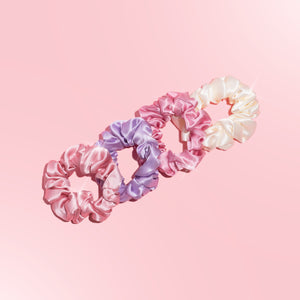
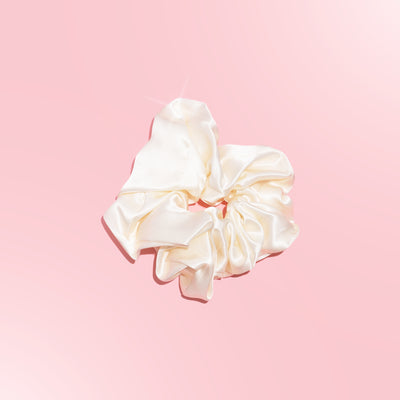
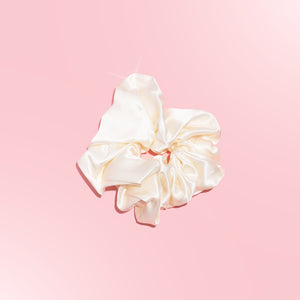
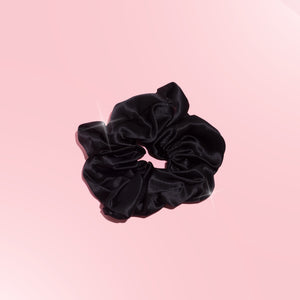
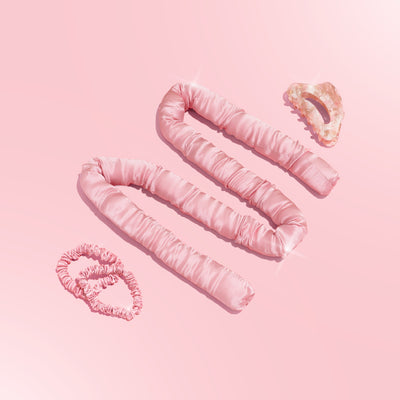
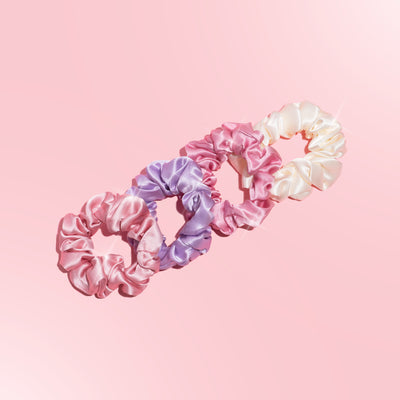
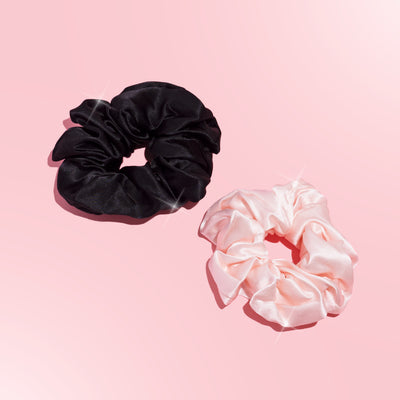
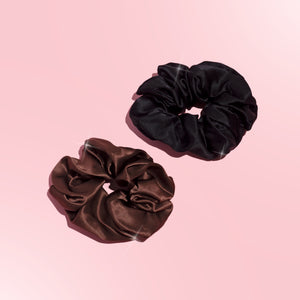
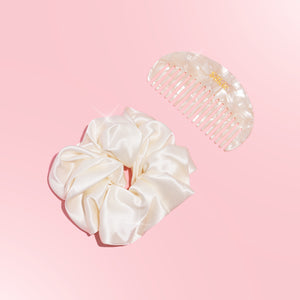
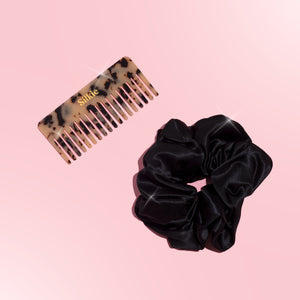
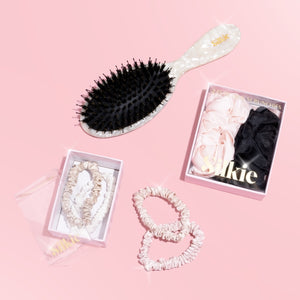
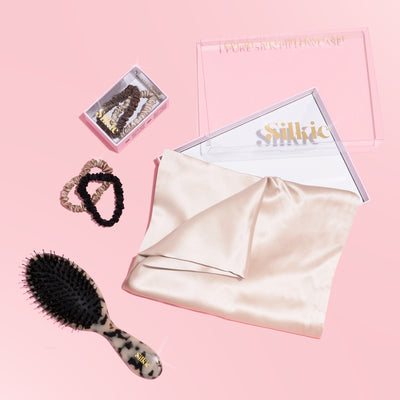
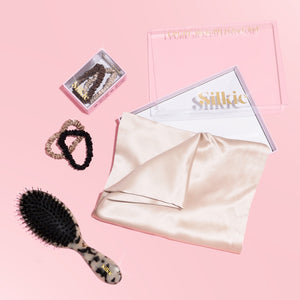
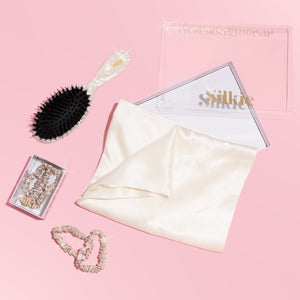
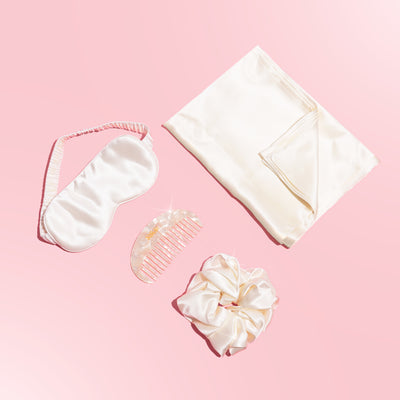
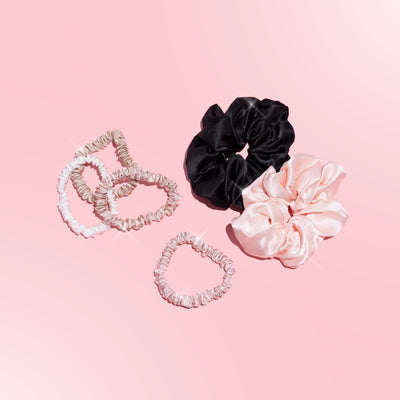
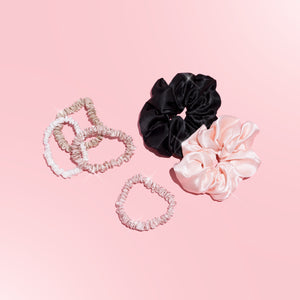
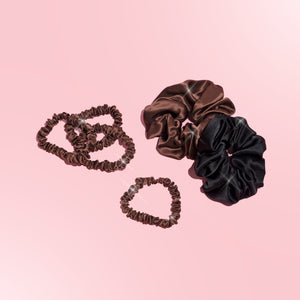
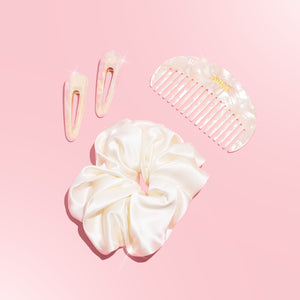
Silkie's silk scrunchies help minimize these effects by securing hair more gently, reducing pressure on the strands while still providing a secure hold.
Why Your Hair May Feel Drier Later in the Day
Hair often feels softer immediately after washing or styling.
As the day progresses:
- Environmental exposure increases
- Friction accumulates
- Moisture balance shifts
This can make hair feel less hydrated and slightly rougher by evening, even if no actual moisture loss has occurred.
The roughness often comes from cuticle disruption rather than true dryness.
Your Morning Hair Starts the Night Before
Many people focus on daytime haircare while overlooking what happens overnight.
During sleep, hair experiences hours of contact with bedding surfaces.
This friction can lead to:
- Tangles
- Frizz
- Cuticle disruption
- Loss of smoothness
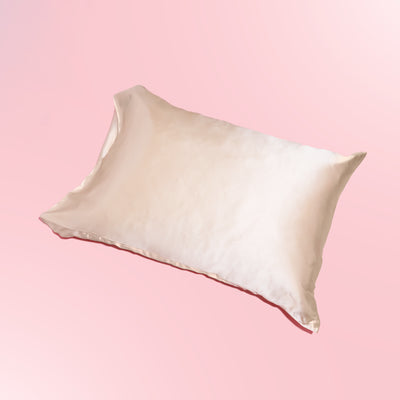
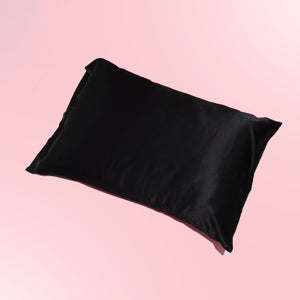
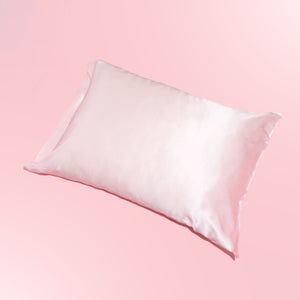
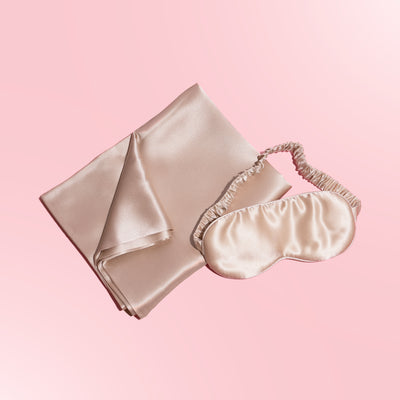
Silkie's mulberry silk pillowcases help reduce overnight friction, allowing hair to glide more smoothly while you sleep and helping maintain a smoother texture into the next day.
How Gentle Detangling Helps Maintain Texture
The way you brush your hair can either preserve or worsen its texture.
Aggressive brushing often:
- Lifts the cuticle
- Creates static
- Increases frizz
Gentle detangling helps maintain a smoother hair surface throughout the day.
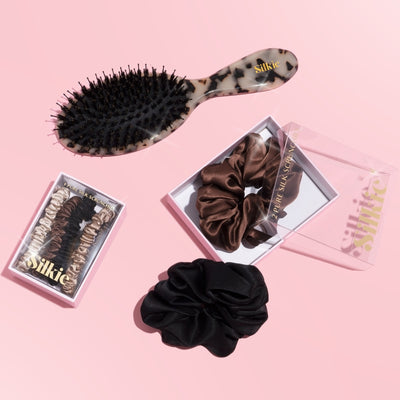
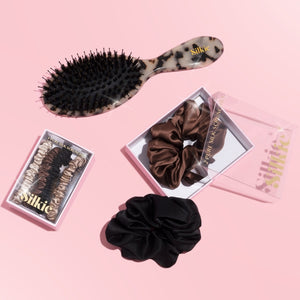
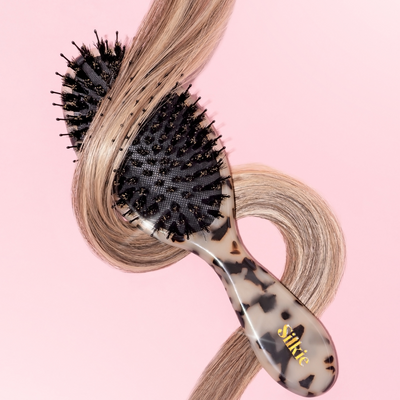
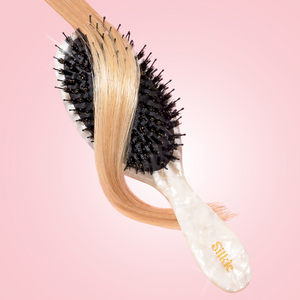
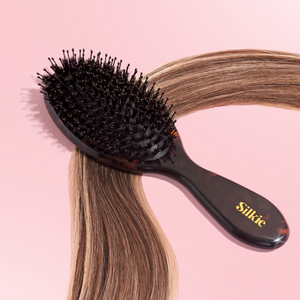
Silkie's hair brush is designed to reduce pulling and friction, helping strands stay aligned and manageable after brushing.
Small Daily Stressors Create Big Changes
Hair texture rarely changes because of one major event.
Instead, it changes due to:
- Repeated friction
- Constant movement
- Environmental exposure
- Daily styling habits
These small stressors accumulate from morning to night, gradually altering how hair looks and feels.
Creating a Routine That Supports Consistent Texture
The best way to maintain smoother hair throughout the day is to reduce unnecessary stress wherever possible.
This includes:
- Using gentle hair accessories
- Minimizing excessive manipulation
- Choosing low-friction sleep surfaces
- Using detangling tools designed to reduce pulling
Silkie's silk scrunchies, mulberry silk pillowcases, and gentle hair brush work together to help reduce many of the factors that contribute to daily texture changes.
Keep Your Hair Smoother From Morning to Night With Silkie
While some texture changes are natural, many are influenced by everyday friction, tension, and handling. By reducing these stressors, you can help your hair stay smoother, more manageable, and healthier-looking throughout the day.
Silkie's collection of silk scrunchies, mulberry silk pillowcases, and gentle hair tools is designed to support a lower-stress haircare routine from the moment you wake up until you go to sleep.
Explore the full collection at www.shopsilkie.com and discover how small changes can make a noticeable difference in your hair every day.
SHOP OUR SILKIE PRODUCTS
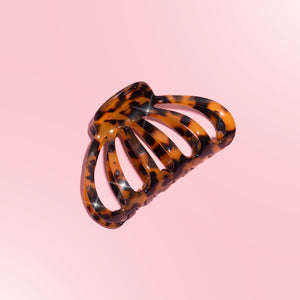
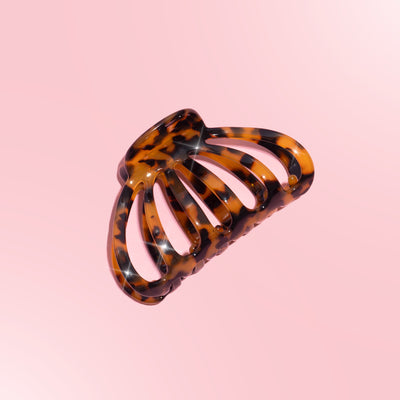
The Acetate Resin Butterfly Claw Clip in Tortoiseshell
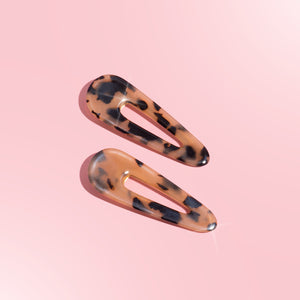
The Hair Slides
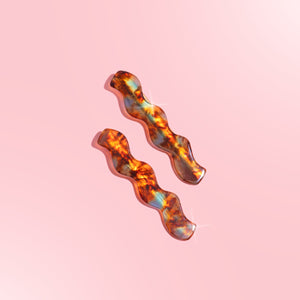
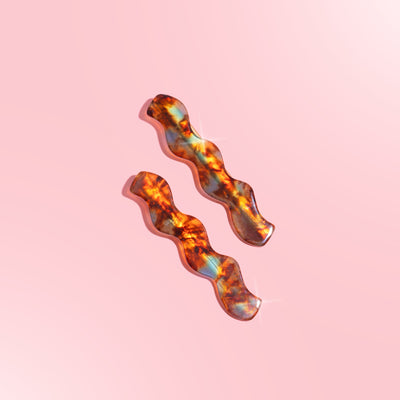
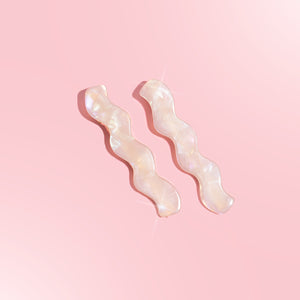
The Wave Hair Slides

Individual Silkie scrunchie (Colour may vary)
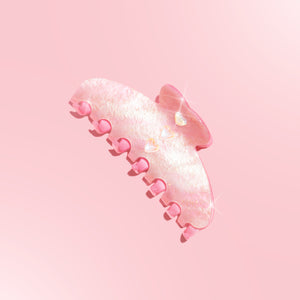
Love Valentine's Acetate Hair Clip
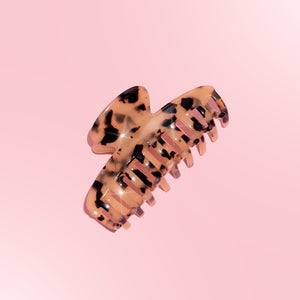
The Classic Claw Clip

The Creaseless Hair Slides

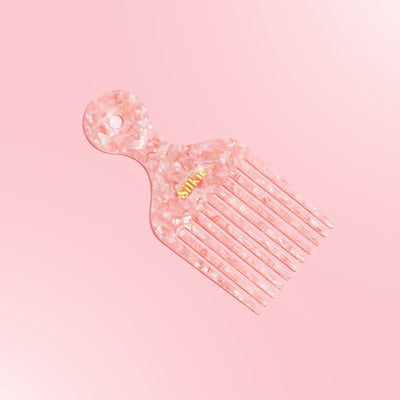
The Detangling Comb

Glow Drops Perfumed Hair Oil