






































Why Your Hair Feels Rougher in the Morning (and How to Fix It)
You go to bed with soft, manageable hair — then wake up to dryness, frizz, and a rough texture. It’s a common frustration, and it’s not random. What your hair goes through overnight plays a major role in how it feels the next day. The good news: once you understand the cause, it’s easy to fix.
What Happens to Your Hair While You Sleep
Your hair doesn’t stay still overnight. Every toss and turn creates movement, and that movement creates friction.
At the same time:
- Hair rubs against your pillow
- Strands tangle with each other
- Natural moisture slowly escapes
- Certain areas get compressed for hours
By morning, these small effects add up — leaving your hair feeling rough, uneven, and harder to manage.
The Real Culprit: Cuticle Disruption
The outer layer of your hair (the cuticle) determines how smooth your hair feels.
When the cuticle lies flat:
Hair feels soft, smooth, and reflective.
When the cuticle is disturbed:
Hair feels rough, frizzy, and dull.
Overnight friction is one of the biggest reasons the cuticle lifts. Rough surfaces drag against your hair, disrupting its natural alignment.
Why Cotton Makes It Worse
Traditional pillowcases are often made from cotton — a material that isn’t hair-friendly.
Cotton tends to:
- Create resistance against hair
- Absorb moisture from strands
- Increase tangling as you move
This combination leaves hair drier and rougher by morning, especially at the ends where strands are already more fragile.
Moisture Loss = Rough Texture
Hydration is what keeps hair flexible and smooth.
Overnight, hair naturally loses some moisture. But when it rests on absorbent fabrics, that loss increases.
Dry hair leads to:
- A coarse, rough feel
- More visible frizz
- Reduced shine
- Increased tangling
Keeping moisture in your hair overnight is key to maintaining softness.
Compression and Shape Distortion
If you sleep on one side or tie your hair tightly, certain sections stay pressed for hours.
This can create:
- Flattened areas
- Uneven texture
- Creases that feel rough to the touch
Hair needs low tension and freedom of movement to maintain its natural smoothness.
How to Fix Rough Morning Hair
The solution isn’t more styling — it’s better overnight protection.
Switch to a Silk Pillowcase
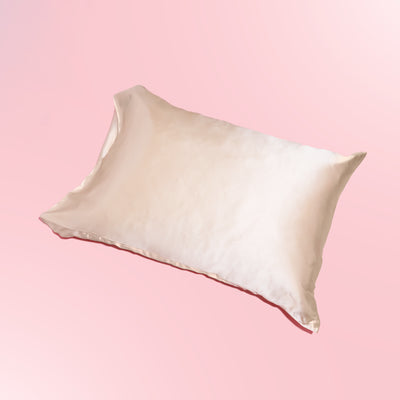
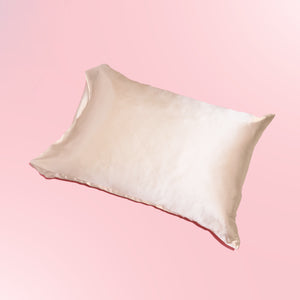
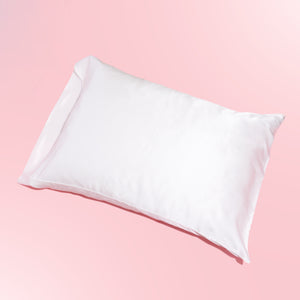
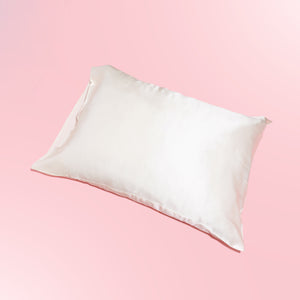
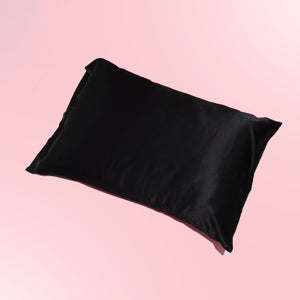
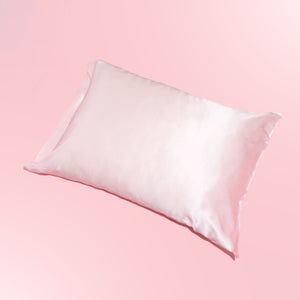
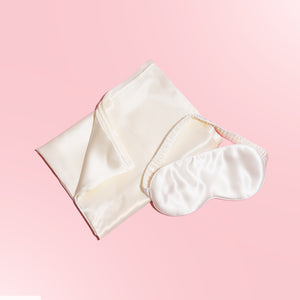
Silk creates a smooth, low-friction surface that allows hair to glide instead of drag. This helps maintain the cuticle and reduces morning roughness.
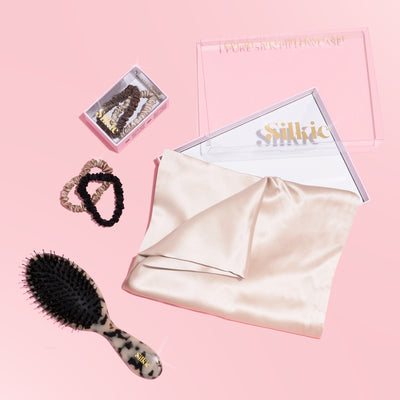
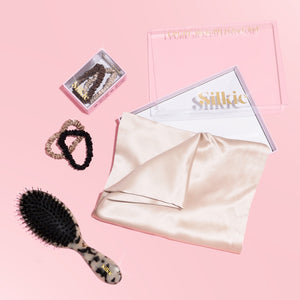
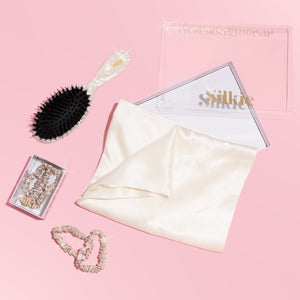
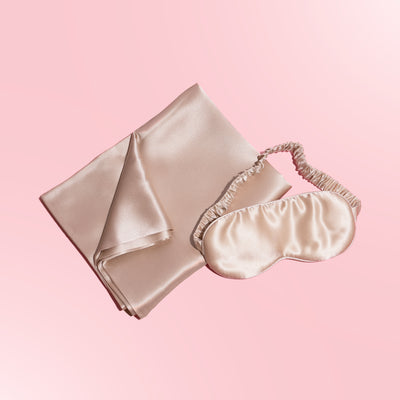
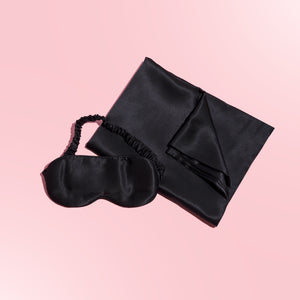
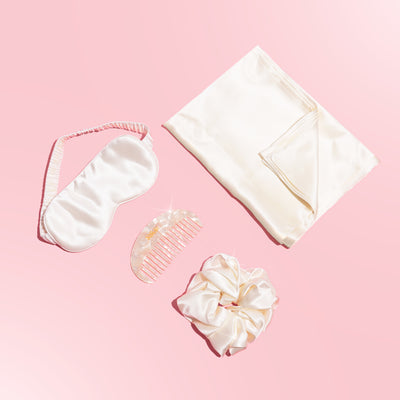
Silkie’s mulberry silk pillowcases are designed to support smoother, softer hair by minimizing overnight friction and moisture loss.
Secure Hair Gently
Loose styles help prevent tangling without creating stress.
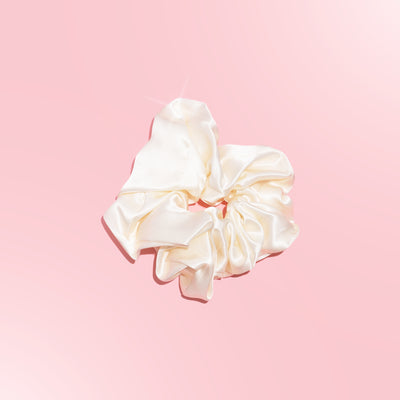
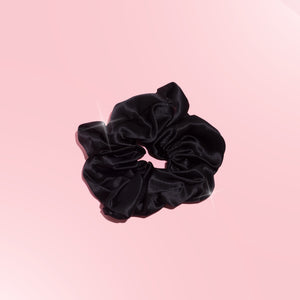
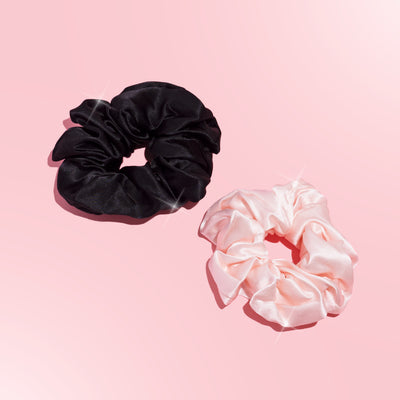
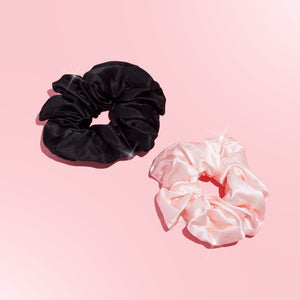
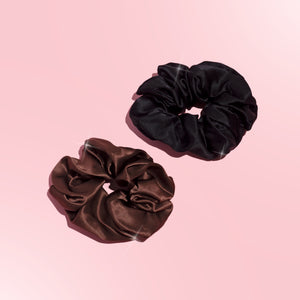
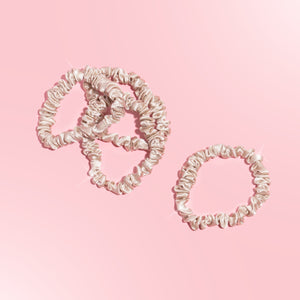
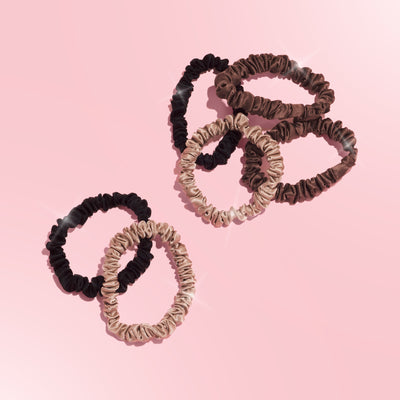
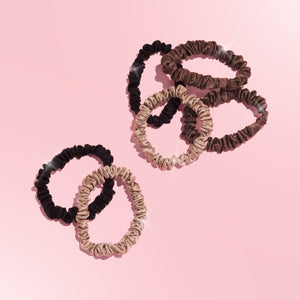
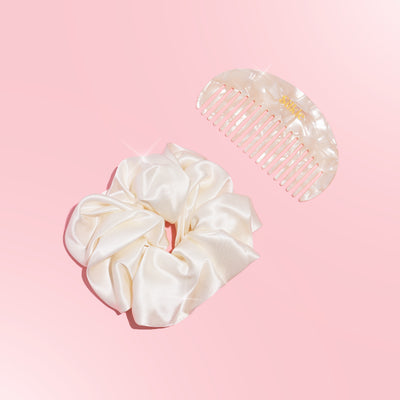
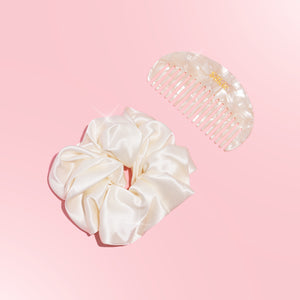
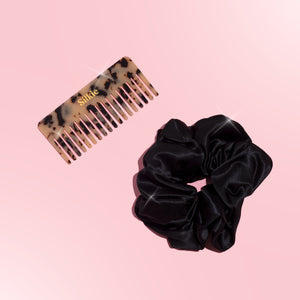
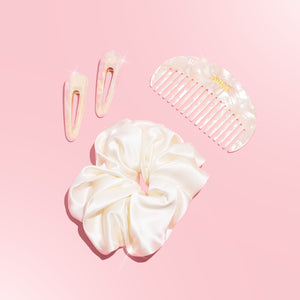
A low ponytail or soft braid held with a silk scrunchie keeps hair controlled while avoiding tension.
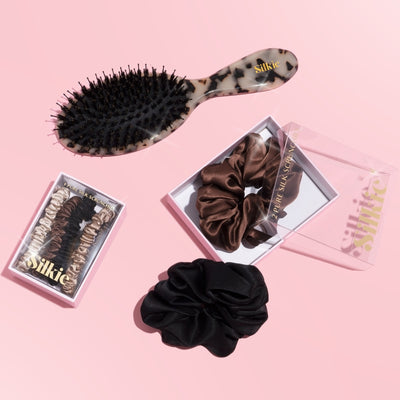
Silkie’s silk scrunchies reduce pulling and prevent harsh creases.
Detangle Before Bed
Knots don’t disappear overnight — they tighten.
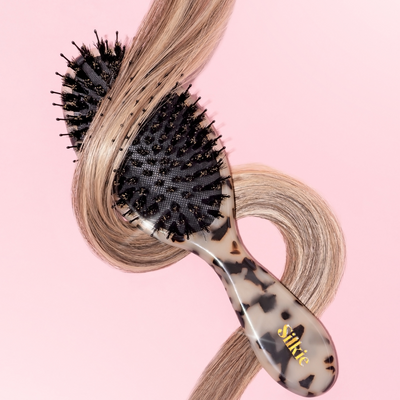
Gently brushing your hair before sleep helps align strands and prevents unnecessary friction.
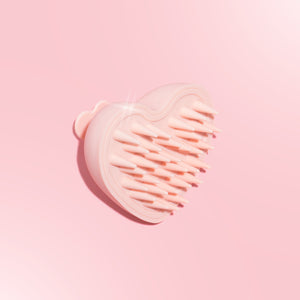
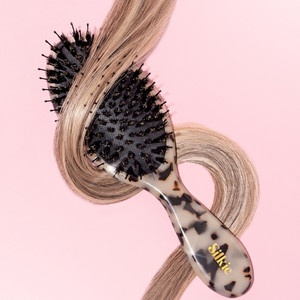
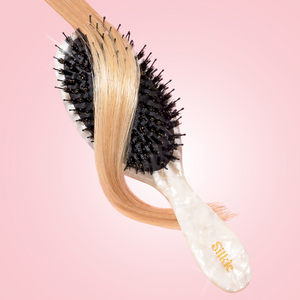
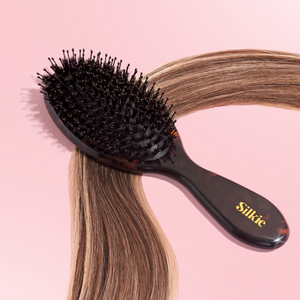
Silkie’s hair brush is designed to glide through hair while minimizing breakage.
Keep It Light and Simple
Heavy products aren’t necessary. A small amount of lightweight hydration can help maintain softness without buildup.
The Difference You’ll Notice
When friction and moisture loss are reduced, hair behaves differently.
You’ll start to notice:
- Softer texture in the morning
- Fewer tangles
- Less frizz
- Easier styling
It’s not about doing more — it’s about removing what’s causing damage.
Better Nights, Better Hair
Morning hair reflects what happens the night before. By creating a smoother, lower-stress environment for your hair while you sleep, you set yourself up for better results without extra effort.
Elevate Your Routine With Silkie
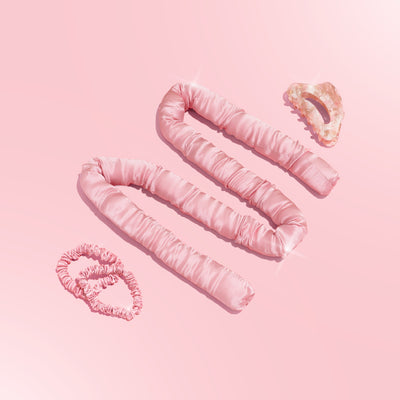
Silkie’s silk pillowcases, scrunchies, and hair tools are designed to reduce friction, preserve moisture, and support healthier hair habits. Small upgrades to your nighttime routine can make a lasting difference in how your hair looks and feels.
Explore the full collection at www.shopsilkie.com and experience smoother mornings, naturally.