








Why Your Haircare Routine Should Change With Your Hair
Your hair does not stay exactly the same throughout your life.
It grows, changes in texture, experiences different weather conditions and goes through different styling habits. Even your daily schedule can influence how your hair behaves.
Because of this, a routine that worked perfectly in the past may eventually feel less effective.
This does not mean you need to constantly replace your products or completely change how you care for your hair. It simply means that your routine should have enough flexibility to respond when your hair changes.
Learning to notice those changes can help you understand what your hair needs at different stages.
Your Hair Changes as It Grows
Hair length can have a bigger effect on your routine than you might expect.
Shorter hair may be quick to wash, dry and style, while longer hair often needs more time and attention through the lengths and ends.
As your hair grows, the ends have also been exposed to everyday brushing, washing, styling and environmental conditions for longer.
You may therefore notice more tangling, dryness or difficulty styling through the ends.
If you have recently grown your hair longer, your routine may need to place more attention on those areas rather than treating your hair exactly as you did when it was shorter.
Your Natural Texture Can Become More Noticeable
Your hair's natural texture can influence what type of care feels most comfortable.
Straight, wavy and curly hair all have different patterns and can respond differently to brushing, styling and products.
As your hair becomes longer or you change the way you style it, your natural texture may become more noticeable.
Instead of trying to make your hair behave exactly as it did before, consider whether your routine is working with its natural pattern.
For example, someone with naturally wavy hair may find that excessive brushing disrupts the shape, while someone with straight hair may prefer a different approach to maintaining smoothness and movement.
Your routine should make room for those differences.
Your Hair Can React to Seasonal Changes
The environment around you can affect how your hair feels.
Humidity may cause some hair types to become puffier or less defined, while dry conditions can make the hair feel rougher.
Wind can also create tangles, especially when your hair is long or naturally textured.
This means you may find yourself needing different styling approaches at different times of the year.
During humid periods, you might prefer hairstyles that keep your hair organised. In drier conditions, you may pay more attention to conditioning and protecting the lengths.
Your haircare routine does not have to remain identical throughout the year.
Your Lifestyle Can Change Your Hair Needs
Your everyday activities can also influence your hair.
If you spend more time outdoors, exercise more frequently, travel often or have started wearing your hair up more regularly, you may notice changes in how your hair behaves.
A new job or schedule can also affect how much time you have for washing and styling.
Instead of forcing your old routine into a completely different lifestyle, consider how your current habits affect your hair.
If you have less time in the morning, overnight styling or simple hairstyles may make more sense. If you are outdoors more often, you may need to think more about protecting and managing your hair throughout the day.
Colouring and Chemical Treatments Can Change Your Routine
Hair that has been coloured or chemically treated may require different care from untreated hair.
You may notice changes in softness, texture, manageability or how your hair responds to styling.
This does not mean that coloured or treated hair cannot be healthy looking. It simply means you may need to pay closer attention to how it feels and how it responds to your usual products.
Conditioning, gentle brushing and careful styling can become particularly important when your hair has undergone changes.
Your Styling Habits May Change Too
The way you style your hair can change over time.
Perhaps you used to wear your hair naturally but have recently started using heat tools more often. Maybe you have moved from loose hairstyles to regular ponytails or buns.
These changes can affect how your hair feels.
If you start styling more frequently, pay attention to how your hair responds. You may need to be more mindful about heat, brushing and how tightly you secure your hair.
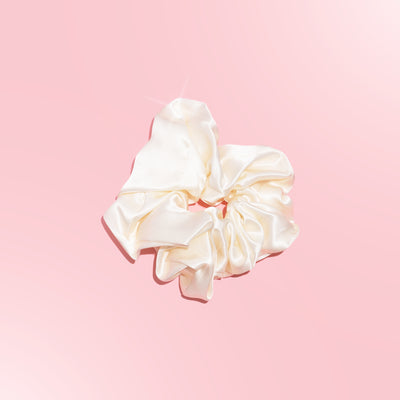
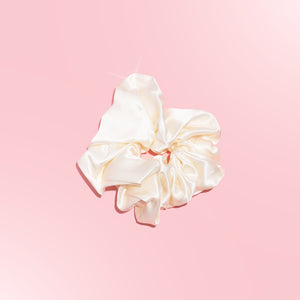
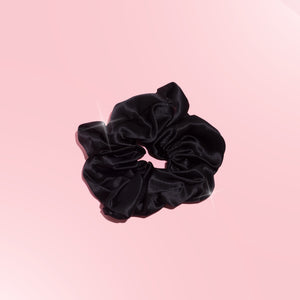
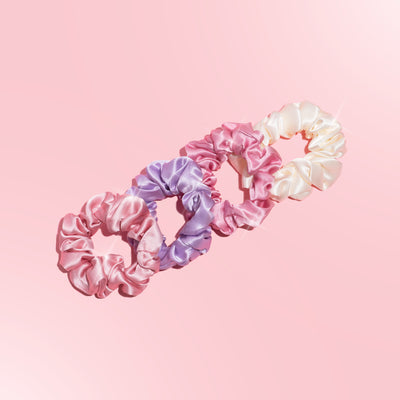
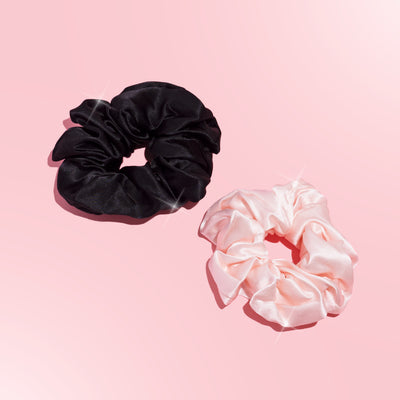
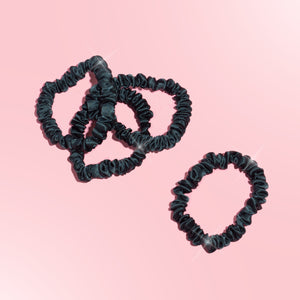
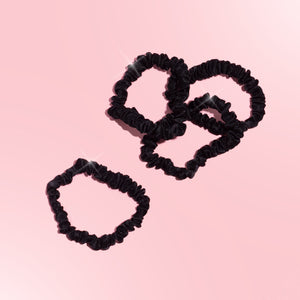
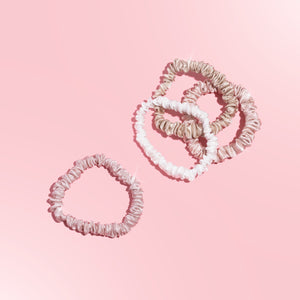
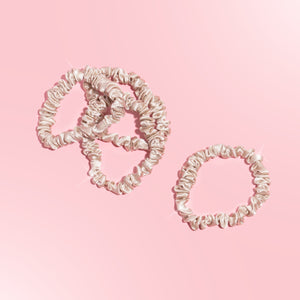
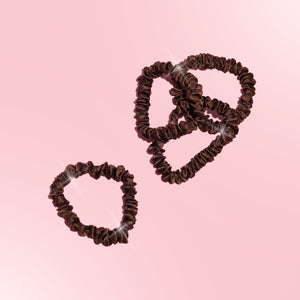
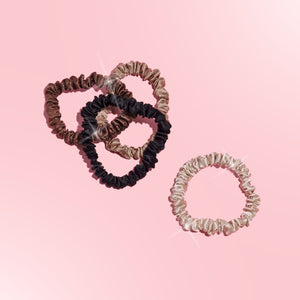
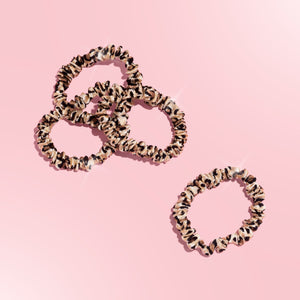
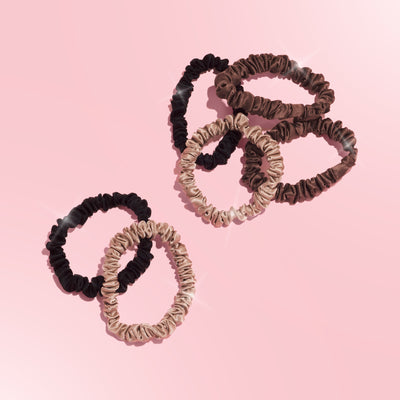
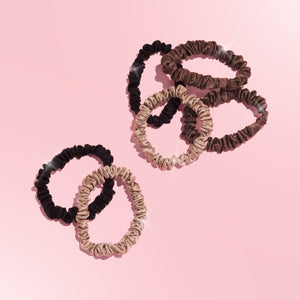
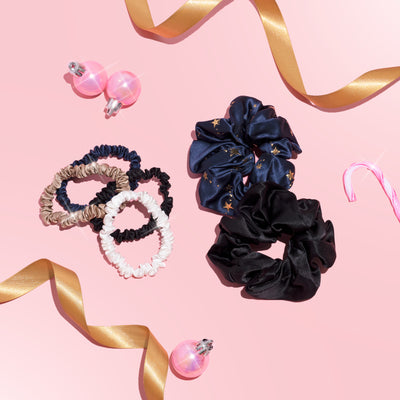
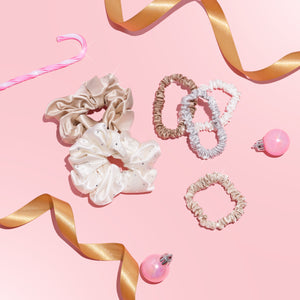
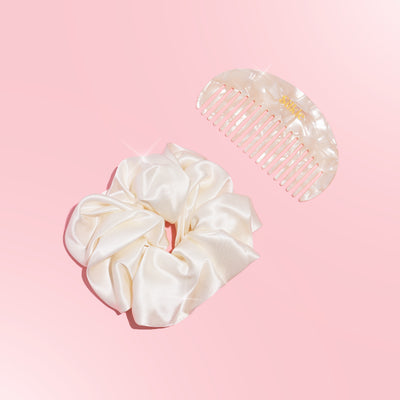
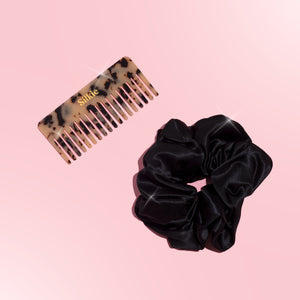
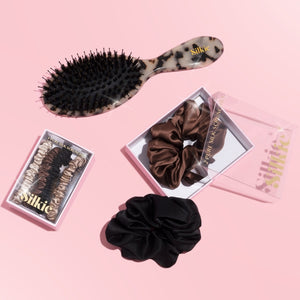
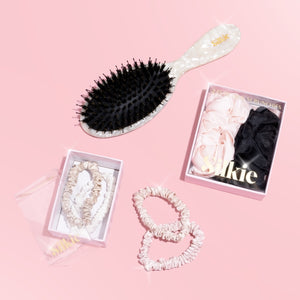
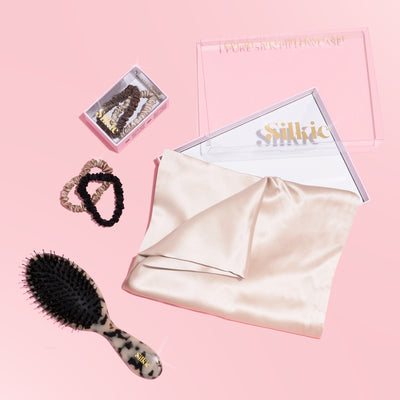
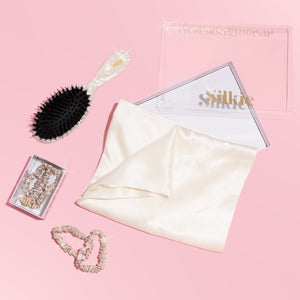
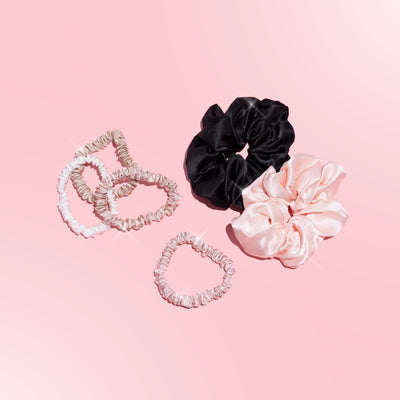
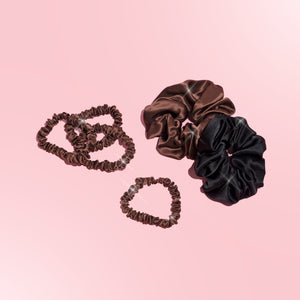
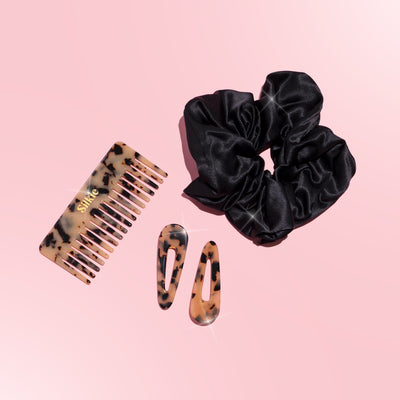
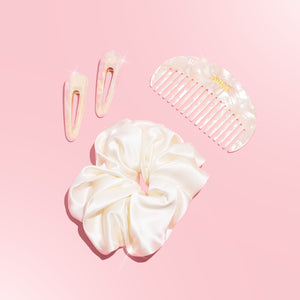
Silkie's 100% Mulberry Silk Scrunchies can be used for everyday ponytails, buns and other hairstyles when you want a softer accessory option.
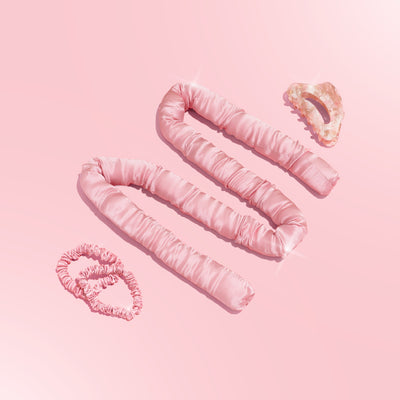
For nights when you want to style your hair without heated tools, the Sleep Silk Curling Set can also be incorporated into your routine.
Your Hair's Needs Can Differ From Your Scalp's
It is also important to remember that your scalp and your lengths may not need exactly the same type of attention.
Your scalp is where your hair grows, while the lengths and ends are older and have experienced more daily wear.
You may therefore find that your roots become oily while your ends feel dry, or that your scalp feels comfortable while the lengths need more conditioning.
This is one reason why applying every product in the same way across your entire head may not always be necessary.
Pay attention to different areas rather than treating your hair as though it has one uniform need.
Your Routine Should Reflect What You Notice
Your hair can give you useful clues when something has changed.
If it suddenly becomes harder to brush, consider what has changed recently.
If it feels flatter, look at your styling habits and product use.
If the ends feel rougher, give them more attention.
If your natural texture is becoming more noticeable, consider whether your current styling techniques are working with it.
These observations can help you make small, purposeful adjustments instead of changing everything at once.
You Do Not Need a Completely New Routine
Changing your haircare routine does not mean replacing every product you own.
Often, a few adjustments are enough.
You might change how frequently you wash your hair, where you apply conditioner, how you brush your lengths or which hairstyle you choose for everyday wear.
You can also adjust your routine according to the day.
Your hair may need more attention after a day outdoors, while another day may only require gentle brushing and a comfortable hairstyle.
Flexibility allows your routine to keep working even as your hair and lifestyle change.
Your Haircare Tools Can Change With Your Needs
The tools you use can also become more or less useful as your hair changes.
Longer hair may benefit from a brush that makes detangling and smoothing easier. Naturally textured hair may require a different approach to brushing and styling.
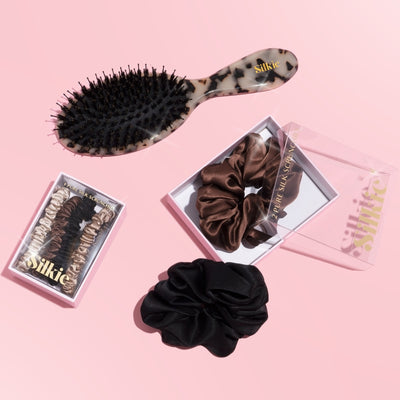
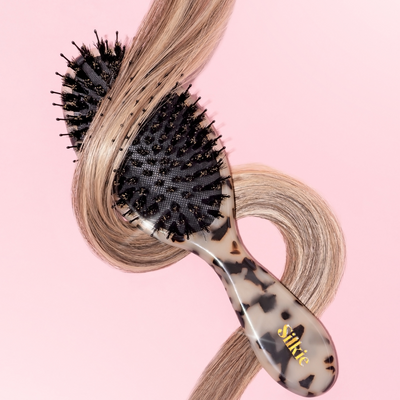
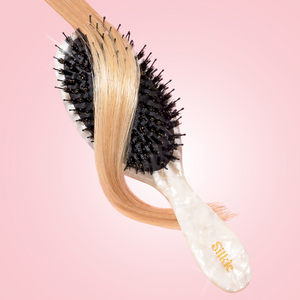
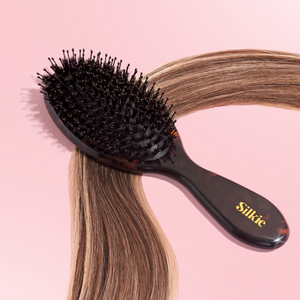
Silkie's Ultimate Smoothing Brush can be incorporated into an everyday routine when you want to brush, smooth and style your hair.
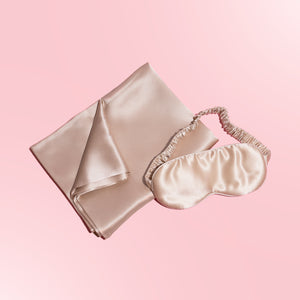
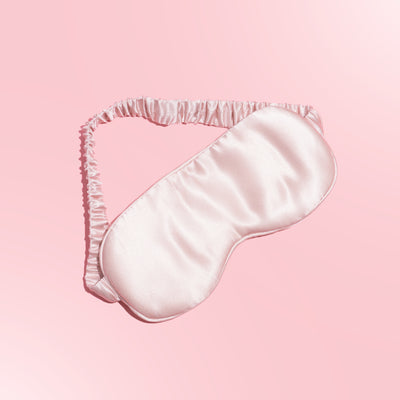
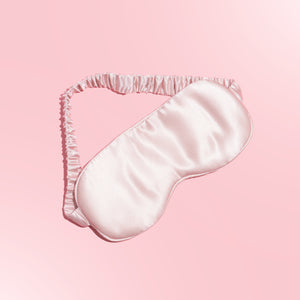
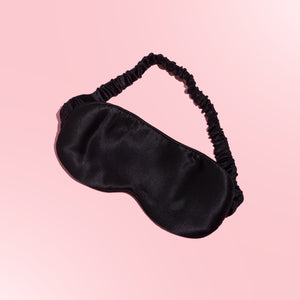
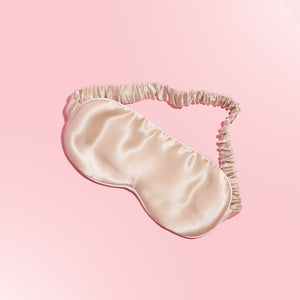
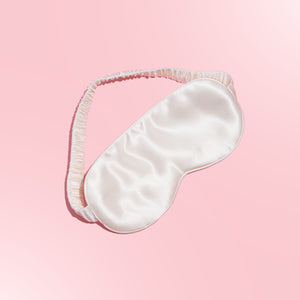
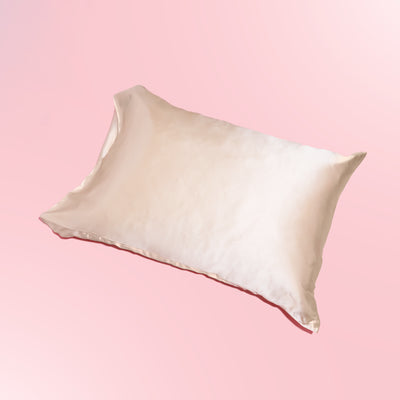
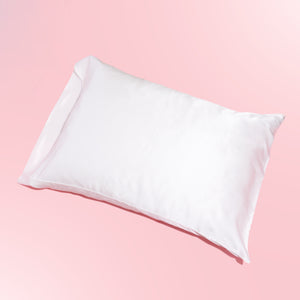
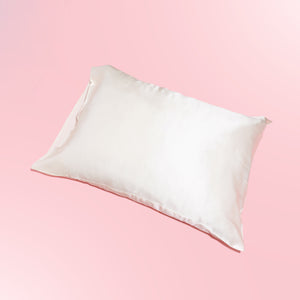
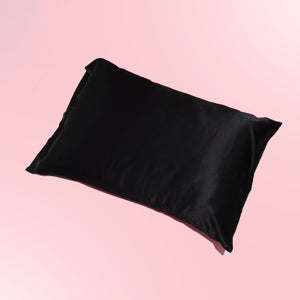
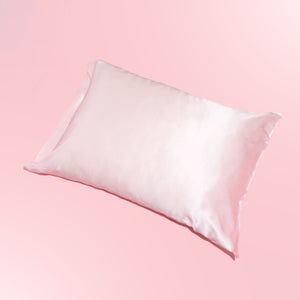
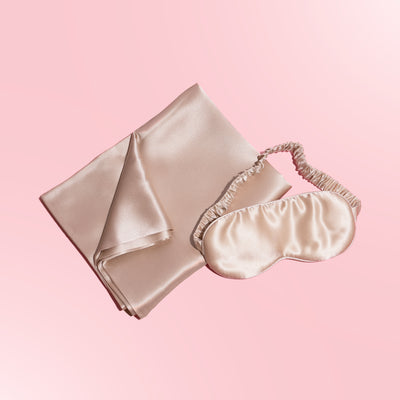
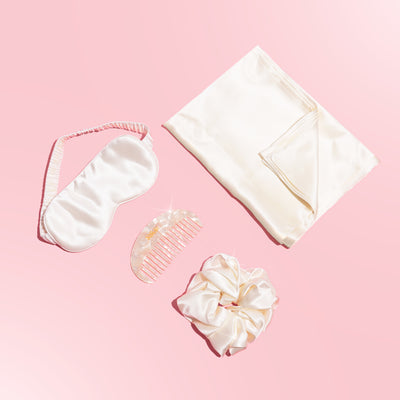
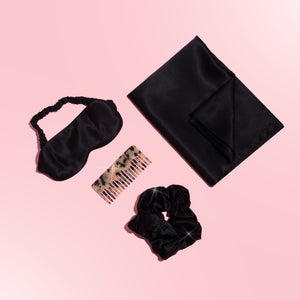
Your nighttime setup can change too. A Dreamy Mulberry Silk Pillow Case provides a smooth surface for your hair while you sleep, while a Luxe Sleep Mask can complement a more comfortable nighttime routine.
The right tools are not necessarily the ones that promise to do everything. They are the ones that suit what your hair currently needs.
Give Yourself Permission to Adjust
It is easy to become attached to a routine that once worked well.
You may know exactly which products you like, how you style your hair and how often you wash it.
But when your hair changes, continuing the same routine simply because it is familiar may not give you the same results.
Allow yourself to adjust.
Your hair can look and feel different as it grows, as the seasons change and as your lifestyle evolves. Changing your routine in response is not a sign that your previous routine was wrong.
It simply means your hair needs something different now.
Good Haircare Is Responsive
There is no single routine that your hair has to follow forever.
The most useful haircare routine is one that can adapt.
Pay attention to your texture, length, ends, scalp, styling habits and environment. Notice what makes your hair feel comfortable and manageable, then adjust your habits when those needs change.
You do not need to constantly search for something new. You simply need to stay aware of what your hair is telling you.
At Silkie, you can find everyday haircare and styling essentials designed to support different stages of your haircare journey, from silk accessories and sleep essentials to gentle brushes and heat free styling options.
Explore the collection at www.shopsilkie.com.
SHOP OUR SILKIE PRODUCTS
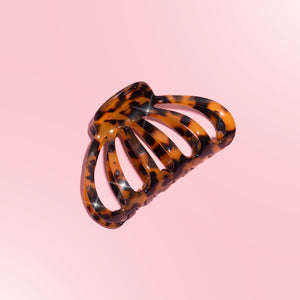
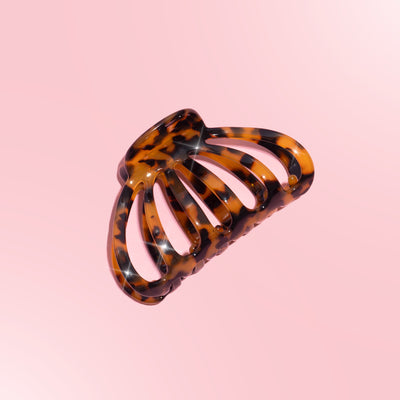
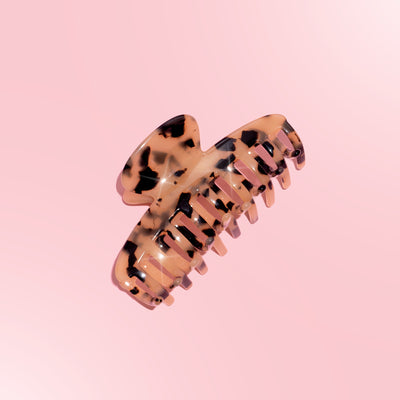
The Acetate Resin Butterfly Claw Clip in Tortoiseshell
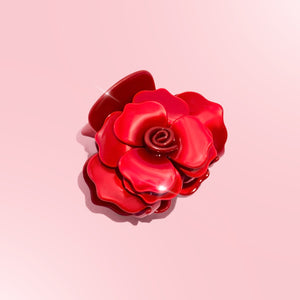
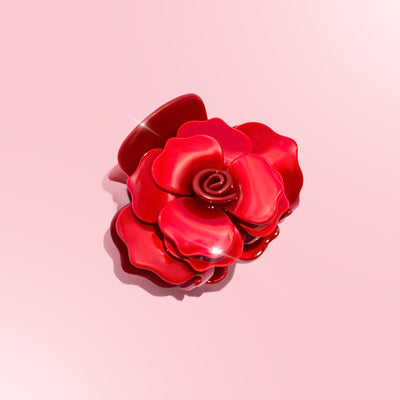
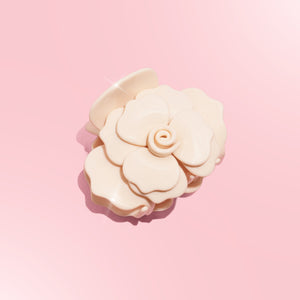
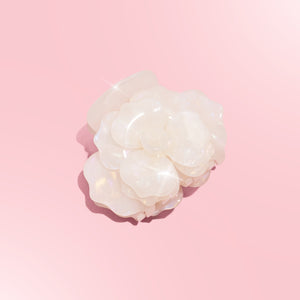
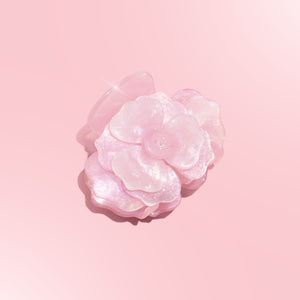
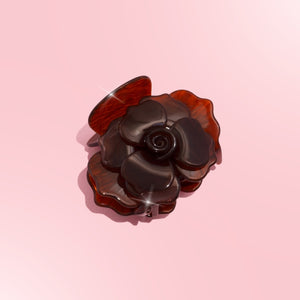
The Camellia Claw Clip
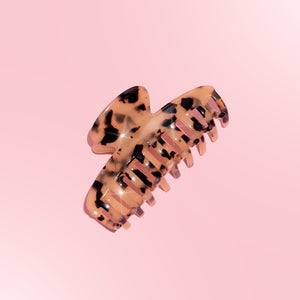
The Classic Claw Clip

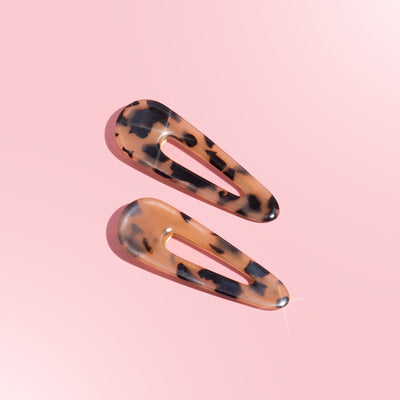
The Creaseless Hair Slides

The Detangling Comb
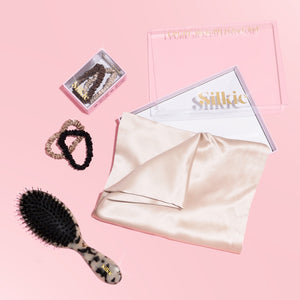
The Dream & Shine Set
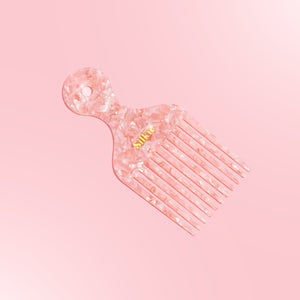
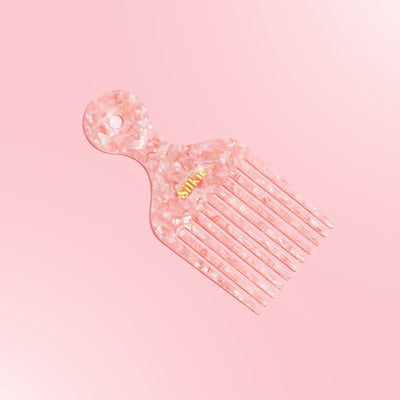
The Hair Pick
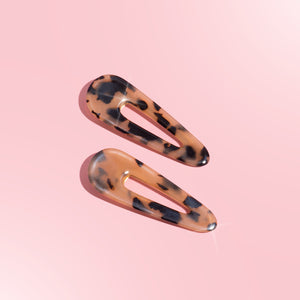
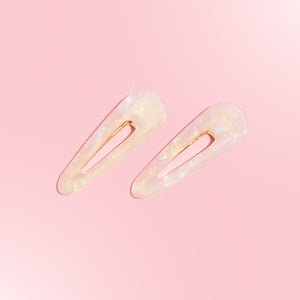
The Hair Slides
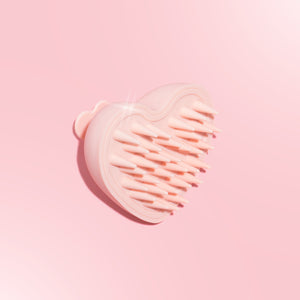
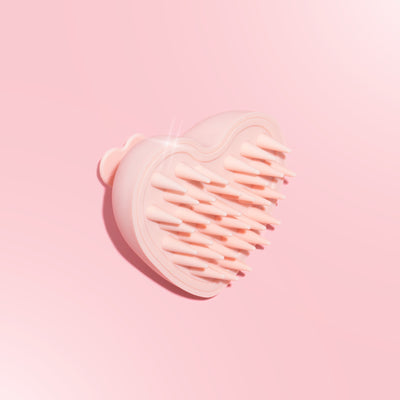
The Scalp Massaging Brush

The Signature Set
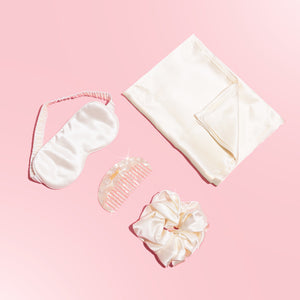
The Silkie Experience Set
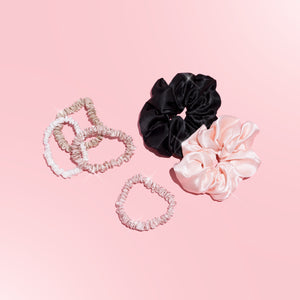
The Silkie Starter Set
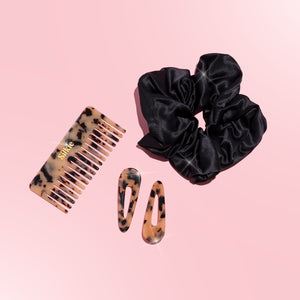
The Silkie Styling Set