







How Fabric Choice Impacts Frizz, Breakage, and Moisture Loss
Haircare doesn’t stop at products and styling. The fabrics your hair touches every day—especially while you sleep—play a powerful role in frizz, breakage, and moisture retention. Choosing the wrong fabric can undo even the best routine, while the right one quietly protects your hair around the clock.
Why Fabric Is a Hidden Haircare Factor
Your hair is constantly in contact with fabric:
-
Pillowcases
-
Hair wraps and scarves
-
Towels
-
Clothing collars and hoods
Each contact creates friction. Over time, that friction affects the hair cuticle, moisture balance, and overall strand strength. Fabric choice determines whether that contact protects or damages your hair.
Friction: The Root of Frizz and Breakage
Hair strands are covered in overlapping cuticles. When these cuticles stay smooth and flat, hair looks shiny and feels soft. When they’re lifted or scraped, frizz and breakage follow.
Rough or absorbent fabrics:
-
Pull at the cuticle
-
Create micro-tears along the hair shaft
-
Increase tangling
-
Cause snap breakage during detangling
Friction doesn’t cause instant damage—it creates cumulative damage that shows up over time as thinning ends and chronic frizz.
How Cotton Contributes to Hair Damage
Cotton is one of the most common fabrics in daily use—and one of the harshest on hair.
Cotton:
-
Absorbs natural oils and moisture
-
Creates resistance when hair moves
-
Roughens the cuticle surface
-
Increases dryness and brittleness
This is why hair often feels frizzier and drier in the morning after sleeping on cotton pillowcases, even when moisturized the night before.
Satin: Smoother, But Not Always Protective
Satin is often recommended as a hair-friendly alternative, but satin refers to a weave—not a fiber. Many satin fabrics are synthetic.
While satin:
-
Reduces friction compared to cotton
-
Feels smoother to the touch
It may still:
-
Generate static
-
Trap heat
-
Pull moisture from hair
-
Lose smoothness over time
Satin can help, but it doesn’t fully address moisture loss or long-term cuticle protection.
Silk: The Gold Standard for Fabric Protection
Pure mulberry silk offers a naturally smooth, breathable surface that works with the hair rather than against it.
Silk helps:
-
Minimize friction and tangling
-
Preserve moisture inside the hair shaft
-
Keep cuticles smooth and aligned
-
Reduce breakage and frizz
Because silk doesn’t aggressively absorb oils, hair stays hydrated longer—meaning fewer products and better results.
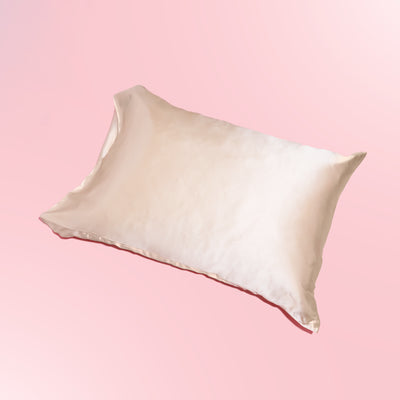
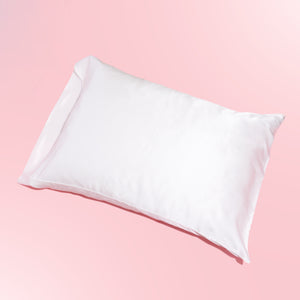
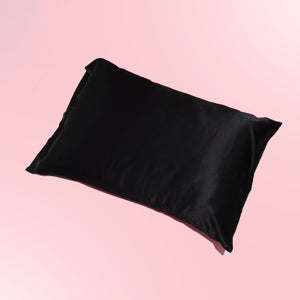
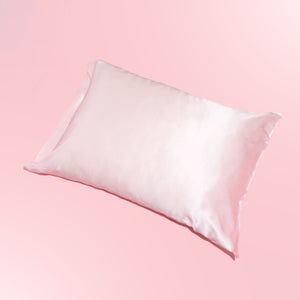
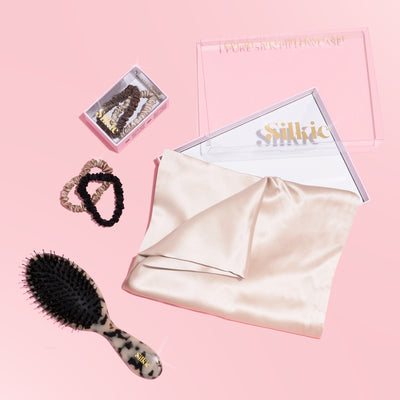
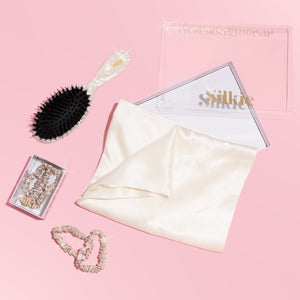
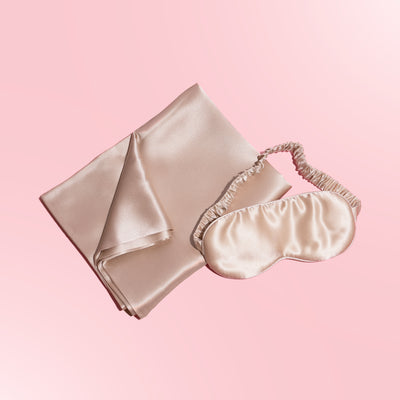
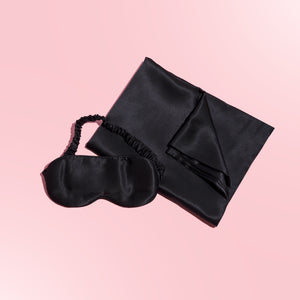
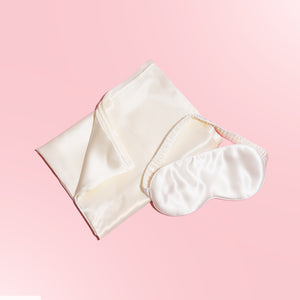
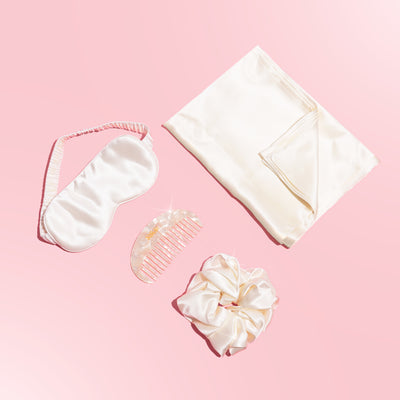
Silkie’s Pure Mulberry Silk Pillowcases are designed specifically to protect hair during sleep, when friction damage is most likely to occur.
Discover more at www.shopsilkie.com
Moisture Loss Starts with Fabric, Not Products
Many women chase hydration through masks, oils, and serums—yet lose moisture nightly due to fabric choice.
Moisture loss happens when:
-
Absorbent fabrics wick oils from strands
-
Friction lifts cuticles, allowing water to escape
-
Heat buildup dries out hair fibers
Silk helps lock in moisture by maintaining cuticle integrity, making every product you use more effective.
Why Frizz Is Often a Fabric Problem
Frizz isn’t just about humidity—it’s about surface disruption.
When cuticles are roughened by fabric friction:
-
Hair swells unevenly
-
Strands lose alignment
-
Texture becomes unpredictable
Switching to silk often reduces frizz without changing products, because the hair surface remains smooth overnight.
Nighttime: Where Fabric Choice Matters Most
You spend 6–8 hours in contact with your pillowcase every night. That’s more time than any brush, product, or styling tool touches your hair.
A fabric upgrade at night:
-
Prevents cumulative damage
-
Reduces morning detangling stress
-
Maintains softness and shine
-
Supports hair elasticity and strength
This makes silk one of the most impactful, low-effort changes you can make.
The Silkie Approach to Fabric and Hair Health
At Silkie, fabric isn’t an afterthought—it’s foundational.
By using:
-
Ethical, long-fiber mulberry silk
-
Thoughtfully designed hair tools
-
A low-friction, protection-first philosophy
Silkie helps women prevent damage instead of constantly repairing it.
Explore hair-protective silk essentials at www.shopsilkie.com
Final Thoughts
Fabric choice quietly shapes your hair’s health every single day. Rough, absorbent fabrics increase frizz, breakage, and moisture loss—while silk preserves hydration, smoothness, and strength. If you want healthier hair without adding steps to your routine, start by upgrading the surfaces your hair touches most.
SHOP OUR SILKIE PRODUCTS
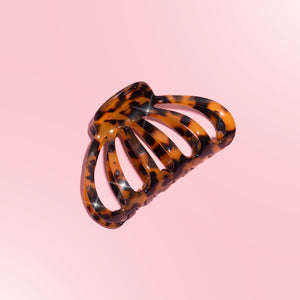
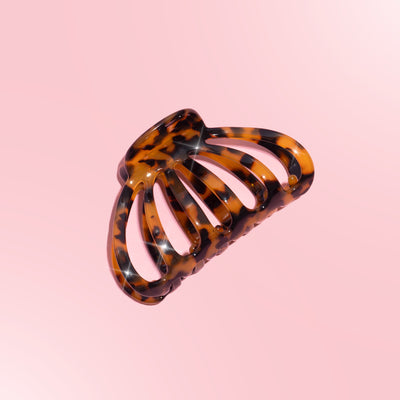
The Acetate Resin Butterfly Claw Clip in Tortoiseshell
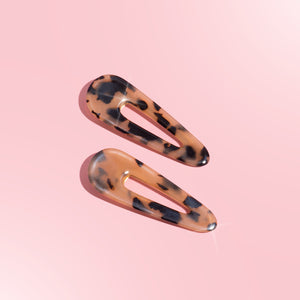
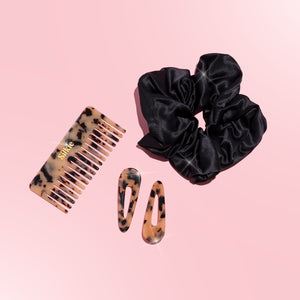
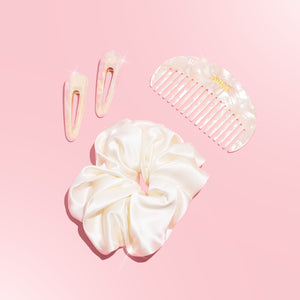
The Hair Slides

Individual Silkie scrunchie (Colour may vary)
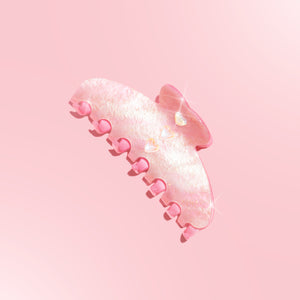
Love Valentine's Acetate Hair Clip
Limited Edition Moonstone Comb
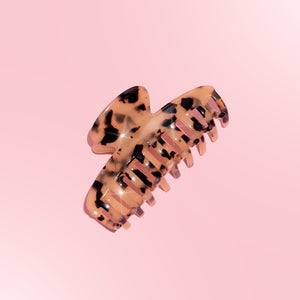
The Classic Claw Clip

The Detangling Comb
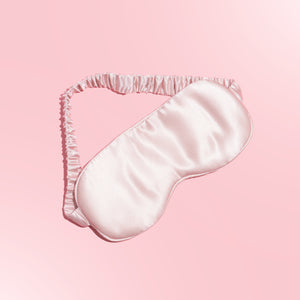
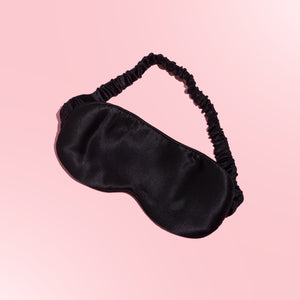
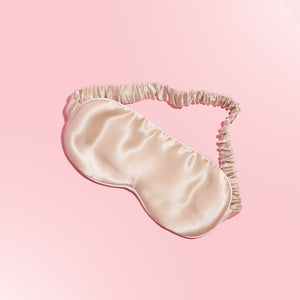
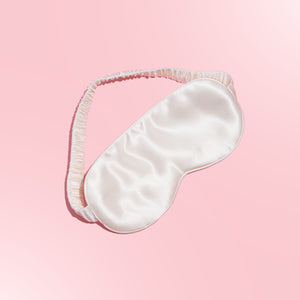
Pure Silk Luxury Eye Mask
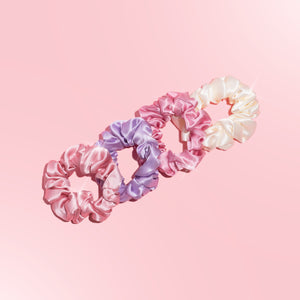
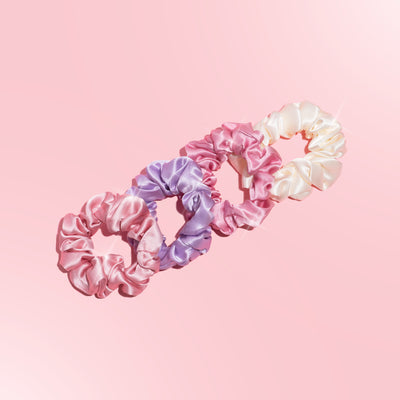
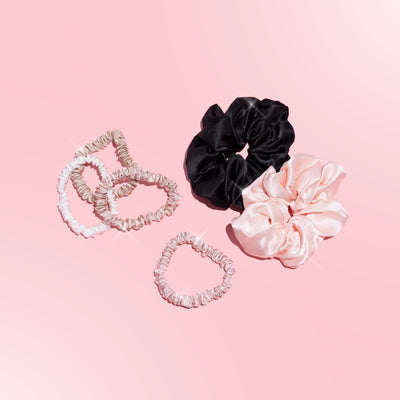
Pure Silk Pastel Scrunchies (Set of 4)
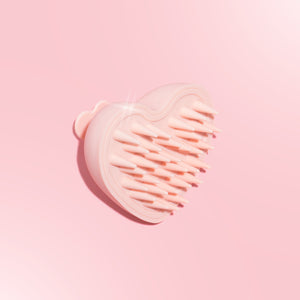
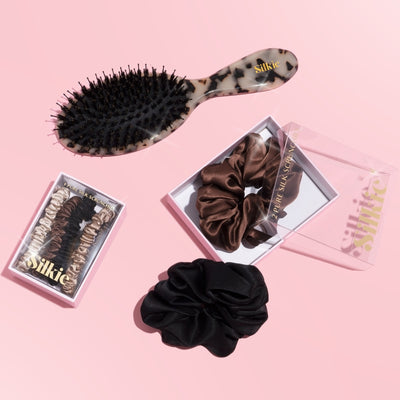
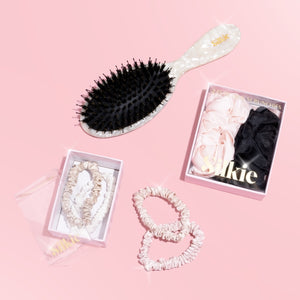
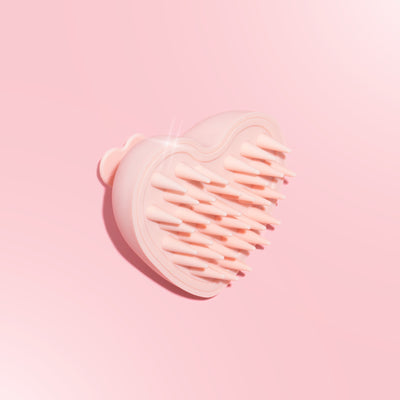
The Scalp Massaging Brush
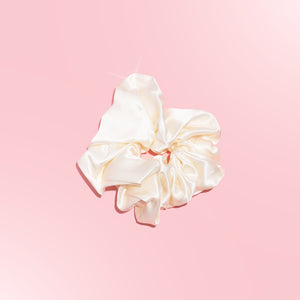
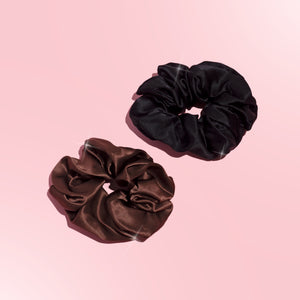
Pure Silk Deluxe Scrunchie
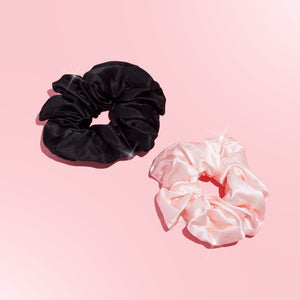
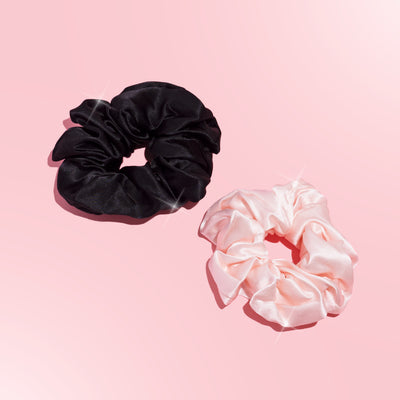
Pure Silk Scrunchies (Set of 2)
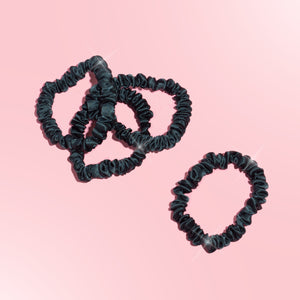
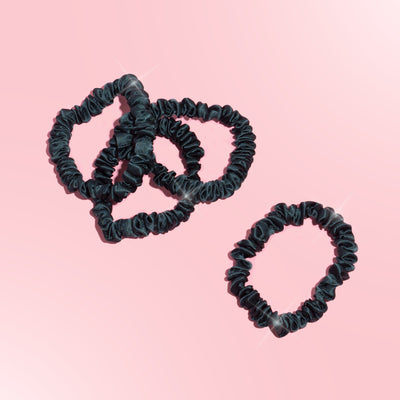
Pure Silk Skinny Scrunchies (Set of 4)
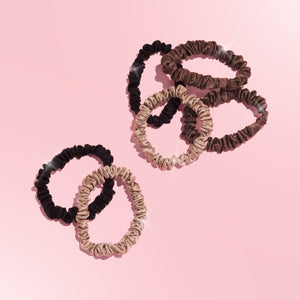
Pure Silk Skinny Scrunchies - Set of 6
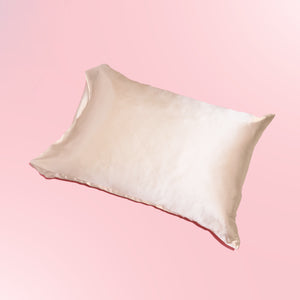
Pure Silk Pillowcase
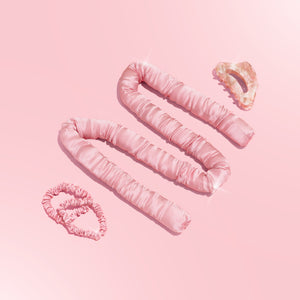
Pure Silk Heatless Curler Set
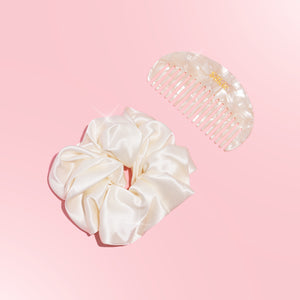
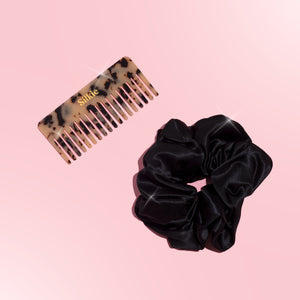
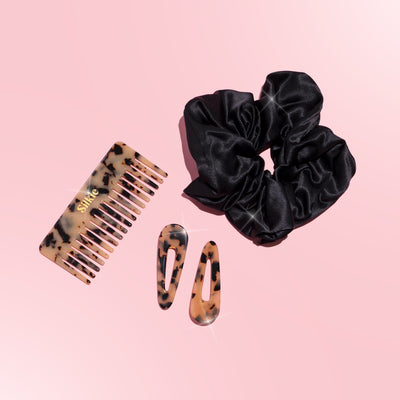
Silkie Styling Duo – Acetate Comb & Deluxe Scrunchie