How Hair Knots Form and the Best Way to Handle Them

Hair knots don’t appear randomly—they form through a combination of friction, movement, dryness, and strand interaction. Once knots develop, the way you handle them determines whether your hair stays intact or suffers breakage. Understanding how knots form and how to safely remove them can significantly improve hair health and reduce daily damage.


How Hair Knots Actually Form

A hair knot is created when strands twist, wrap, or loop around each other and become locked in place.

This usually happens due to:

  • Strand-to-strand friction
  • Loose shed hairs tangling into healthy strands
  • Dry or rough cuticles catching on each other
  • Movement during sleep or daily activity

Once a few strands interlock, they often attract more hair, making the knot tighter over time.


Friction Is the Main Trigger

Friction is the primary cause of knot formation.

It occurs when hair rubs against:

  • Pillowcases
  • Clothing
  • Other hair strands
  • Brushes or accessories

As friction increases, the outer cuticle becomes slightly raised, making strands more likely to catch and interlock.

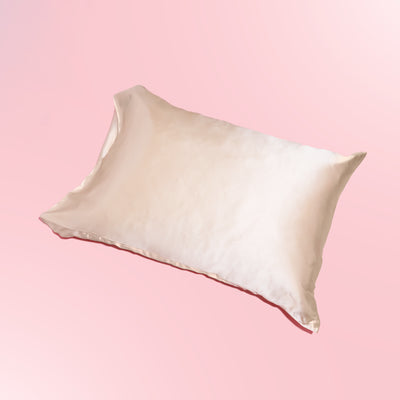
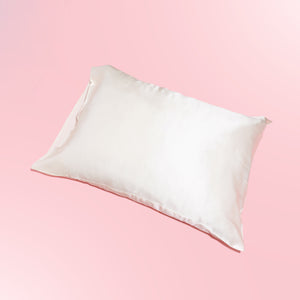
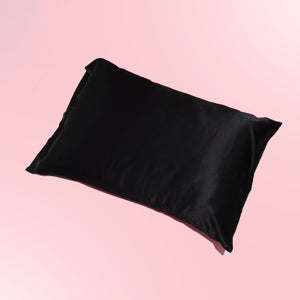
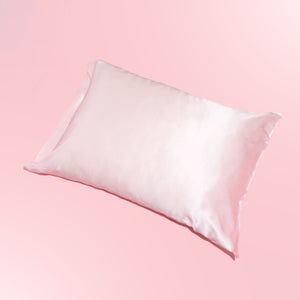
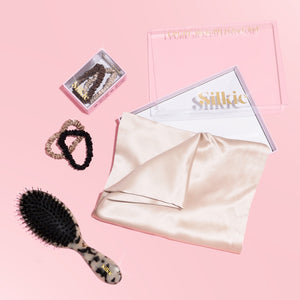
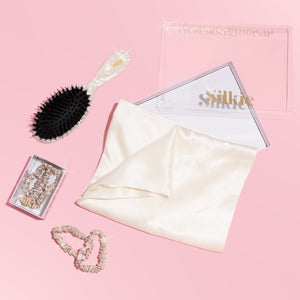
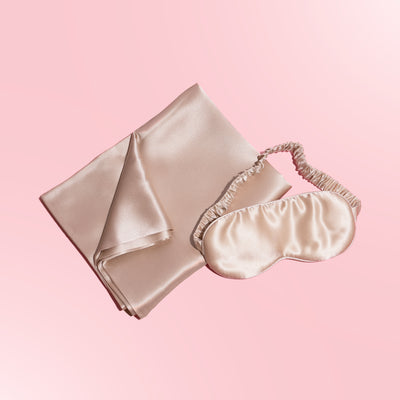
Silkie’s mulberry silk pillowcases help reduce this overnight friction, lowering the chances of knots forming while you sleep.


Why Dry Hair Knots More Easily

Dry hair has a rougher surface texture because the cuticle is less smooth.
This leads to:

  • Increased snagging between strands
  • More friction during movement
  • Faster knot formation

Moisture balance plays a key role in how easily hair tangles or stays smooth.


How Movement Creates Tangles

Hair is constantly in motion—even when you’re not styling it.

Knots often form during:

  • Sleep (tossing and turning)
  • Walking or daily movement
  • Wind exposure
  • Putting on or removing clothing

Each movement increases strand interaction, which can gradually lead to tangling.


Shed Hair Makes Knots Worse

Loose shed hairs are one of the biggest contributors to knots.

When they aren’t removed:

  • They wrap around healthy strands
  • Act like “anchors” for tangles
  • Tighten existing knots

Regular gentle detangling helps prevent shed hair buildup from turning into larger knots.


Why Knots Tighten Over Time

Once a knot forms, it doesn’t stay the same size—it often becomes tighter.

This happens because:

  • More strands get pulled into the knot
  • Movement compresses the tangled area
  • Friction continues to tighten the structure

The longer a knot stays, the harder it becomes to remove safely.


The Wrong Way to Handle Knots

Many people instinctively pull or rip through knots, but this increases damage.

Aggressive handling can cause:

  • Strand snapping
  • Split ends
  • Weakening of nearby hair
  • Increased frizz and uneven texture

Force rarely removes knots cleanly—it usually breaks the hair instead.


The Best Way to Start Detangling Knots

The safest approach is gradual detangling.

Start by:

  • Separating the knot gently with fingers
  • Loosening outer strands first
  • Working from the edges inward

This reduces concentrated tension on a single point.


Why Sectioning Makes a Difference

Handling knots in smaller sections allows for more control.

Benefits include:

  • Less pulling force required
  • Easier identification of tangled areas
  • Reduced risk of spreading the knot

Sectioning is especially important for long or textured hair.


The Role of the Right Brush

Not all brushes can safely handle knots.

Harsh tools may:

  • Catch abruptly on tangles
  • Pull too much hair at once
  • Increase breakage risk

A gentle detangling tool allows strands to move more smoothly through knots.

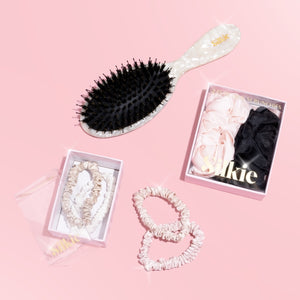
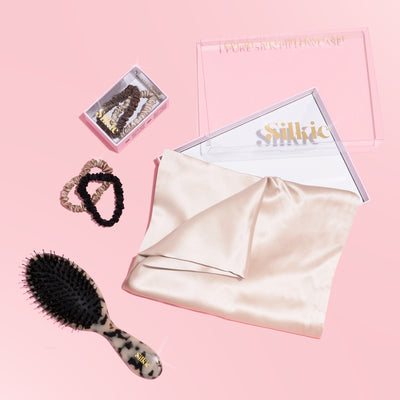
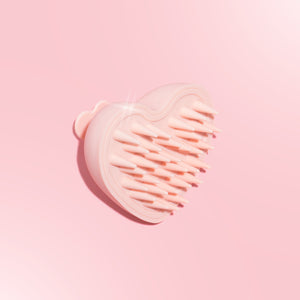
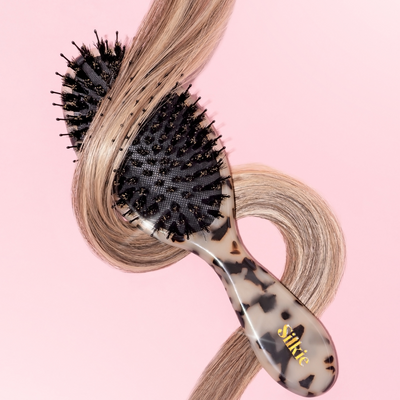
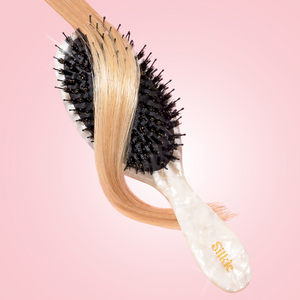
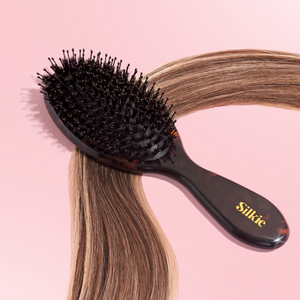
Silkie’s hair brush is designed to reduce pulling during detangling, helping hair glide through tangles more easily and minimizing breakage risk.


Why Starting From the Ends Matters

One of the most effective detangling techniques is working from the bottom up.

This helps because:

  • Ends are usually the most tangled area
  • Small knots are removed first
  • Larger knots don’t tighten further

This approach prevents unnecessary stress on the mid-lengths and roots.


Wet vs Dry Knot Handling

Knots behave differently depending on hair condition.

  • Wet hair: More elastic but fragile
  • Dry hair: Less elastic but more friction-prone

Both require gentle handling, but wet hair should be treated with extra care to avoid overstretching.


How to Prevent Knots Before They Form

Prevention is often easier than removal.

Helpful habits include:

  • Reducing overnight friction
  • Using gentle hair accessories
  • Avoiding overly tight hairstyles
  • Keeping hair smooth before bed

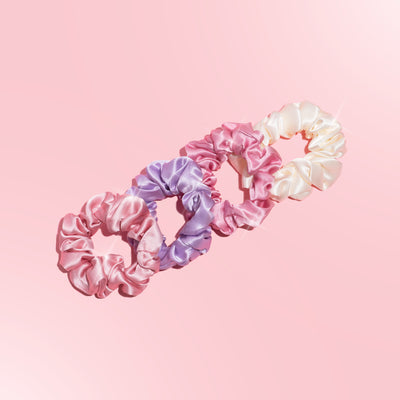
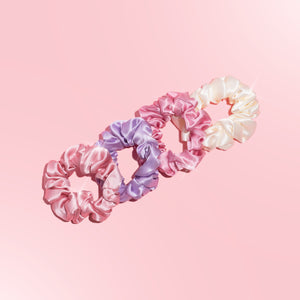
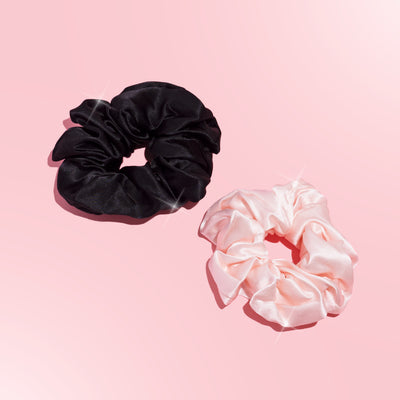
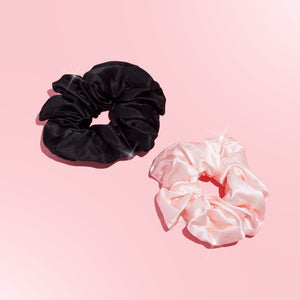
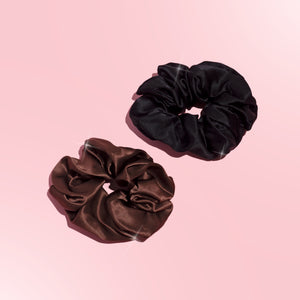
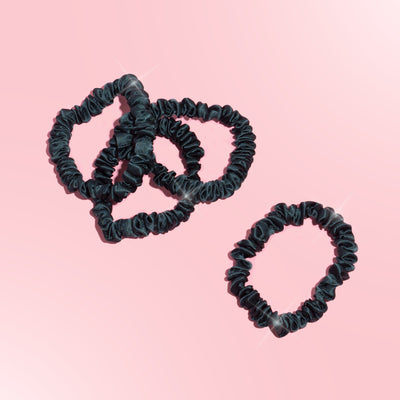
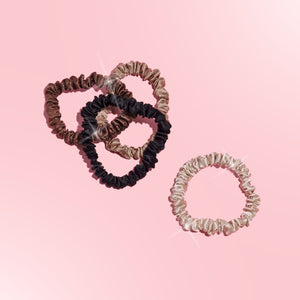
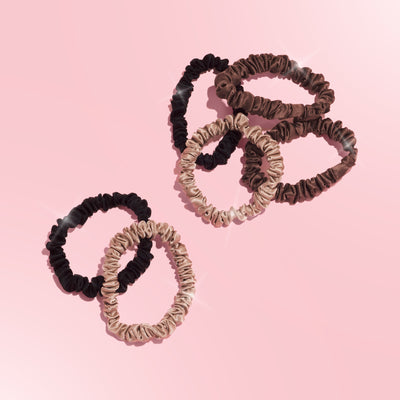
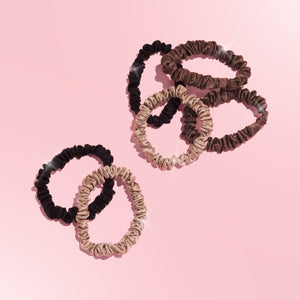
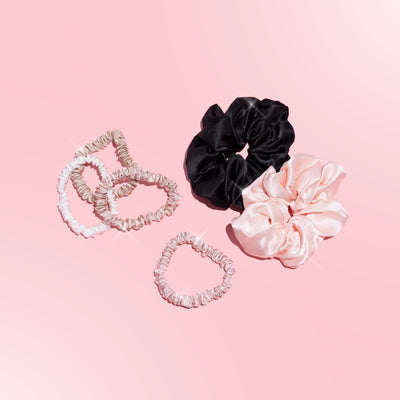
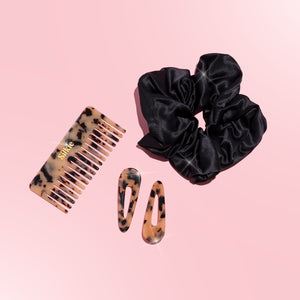
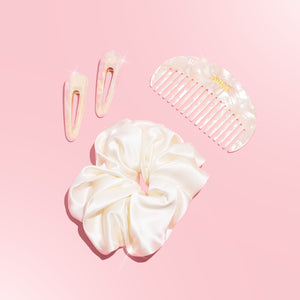
Silkie’s silk scrunchies help reduce friction from tight elastic pressure, while Silkie’s mulberry silk pillowcases reduce overnight tangling caused by movement.


Why Some Hair Types Knot More Easily

Hair texture affects knot formation.

More prone to knots:

  • Curly and coily hair (due to bends and coils)
  • Dry or damaged hair
  • Long hair with more surface contact

These hair types benefit most from gentle handling and low-friction routines.


The Importance of Patience

Removing knots safely takes time.

Rushing leads to:

  • Increased breakage
  • More hair loss during brushing
  • Higher overall stress on strands

Slow, controlled detangling always produces better results.


Build a Low-Knot Hair Routine

A routine that minimizes knots focuses on:

  • Reducing friction during sleep
  • Keeping hair moisturized
  • Gentle detangling practices
  • Using soft, low-tension accessories

Silkie’s silk scrunchies, mulberry silk pillowcases, and gentle hair brush work together to reduce knot formation and make detangling easier and safer.


Handle Knots Without Damaging Your Hair With Silkie

Hair knots are a natural part of hair behavior, but how you handle them determines your hair’s long-term condition. Gentle, intentional detangling can reduce breakage and keep hair smoother and stronger over time.

Silkie’s collection is designed to help reduce friction and tension across your routine, making knot formation less frequent and detangling less damaging.

Explore the full range at www.shopsilkie.com and give your hair a smoother, more manageable everyday experience.


SHOP OUR SILKIE PRODUCTS

The Detangling Comb

The Detangling Comb

Available in 4 colours:
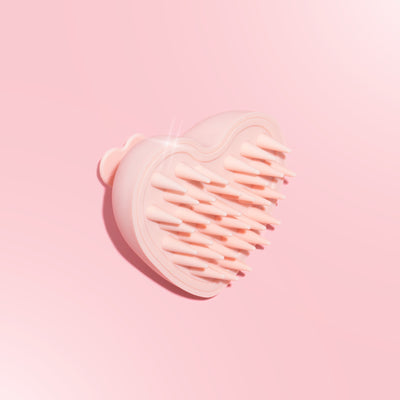
The Scalp Massaging Brush

The Scalp Massaging Brush

Available in 1 colours:
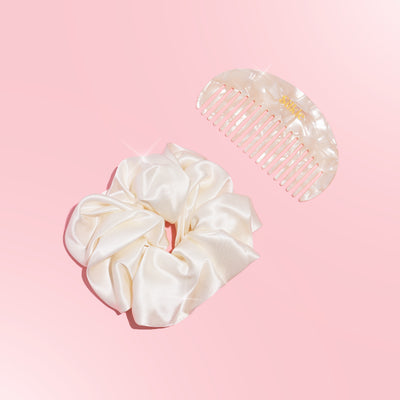
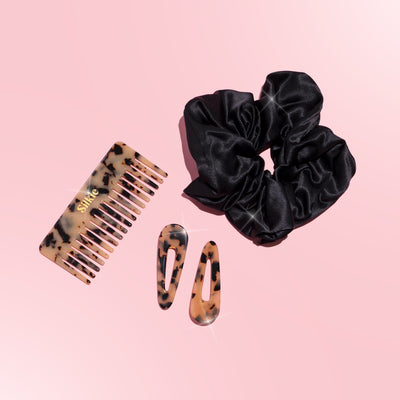
Silkie Styling Duo – Acetate Comb & Deluxe Scrunchie
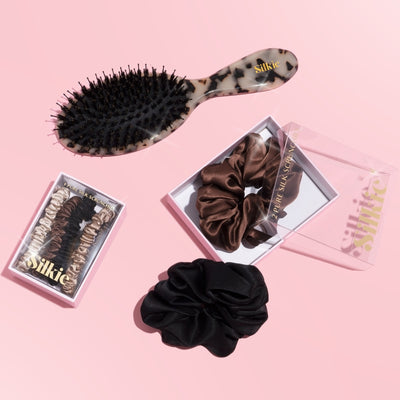
Silkie Styling Duo – Acetate Comb & Deluxe Scrunchie
Available in 2 colours:
Smoothing Essential Set

Smoothing Essential Set

Available in 2 colours:
The Dream & Shine Set

The Dream & Shine Set

Available in 2 colours:
The Signature Set

The Signature Set

Available in 3 colours:
The Silkie Experience Set

The Silkie Experience Set

Available in 2 colours:
The Silkie Styling Set

The Silkie Styling Set

Available in 2 colours:
The Ultimate Smoothing Brush

The Ultimate Smoothing Brush

Available in 3 colours:

CHECK OUT SOME OF OUR OTHER ARTICLES BELOW