
















How Switching to Silk Products Can Reduce Your Carbon Footprint
How Switching to Silk Products Can Reduce Your Carbon Footprint
When people talk about going greener, they usually think about reusable bags, metal straws, or reducing single-use plastics. But what you sleep on and what you use in your beauty routine also play a surprisingly big role in your environmental impact.
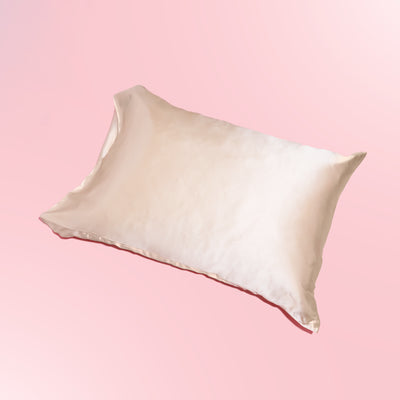
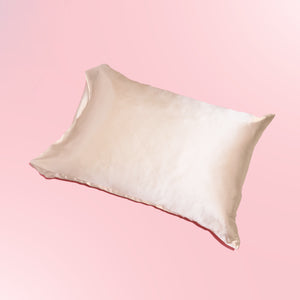
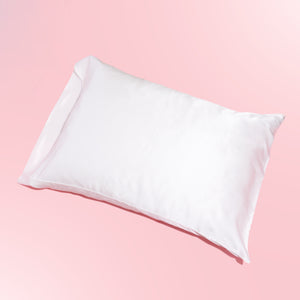
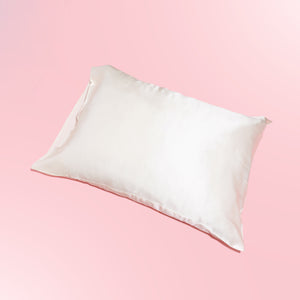
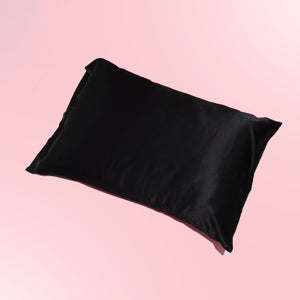
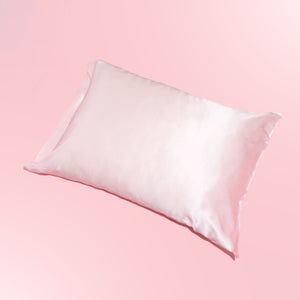
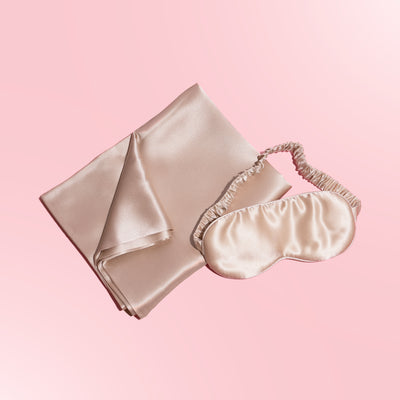
Switching from synthetic, petroleum-based materials to pure mulberry silk is one of the simplest, most effective changes you can make—both for the planet and for your hair. And it doesn’t require changing your lifestyle. It’s as easy as swapping your pillowcase.
Today, we’re breaking down why silk is naturally more sustainable, how it lowers your carbon footprint, and why Silkie makes that choice even more worthwhile.
The Problem with Synthetic Fabrics in Haircare
Most standard pillowcases are made from polyester or microfiber—materials derived from fossil fuels. Their production, processing, and disposal all contribute to environmental damage.
Why synthetic fabrics have a high carbon footprint:
-
Made from petroleum-based plastics
-
Require high heat and heavy energy during manufacturing
-
Release microplastics during every wash
-
Do not biodegrade for hundreds of years
-
Often end up in landfills
-
Need frequent replacement due to pilling, tearing, or fabric thinning
This means a single synthetic pillowcase leaves an environmental footprint long after you’re done using it.
Why Silk Is One of the Most Sustainable Fabrics You Can Choose
Silk production looks completely different from synthetic production because it's rooted in nature—not petroleum.
Silk is biodegradable
Pure mulberry silk decomposes naturally without leaving toxins behind. Unlike polyester, it returns to the earth without pollution.
Silk requires fewer resources
Compared to cotton (which needs massive amounts of water and pesticides), mulberry trees require less irrigation, fewer chemicals, and smaller land areas to thrive.
Silk production emits fewer greenhouse gases
The entire silk-making process—from feeding silkworms to weaving fabric—relies far less on energy-heavy machinery than synthetic textile production.
Silk lasts significantly longer
Its durability means fewer replacements, fewer purchases, and fewer discarded textiles—reducing waste over the long term.
This makes silk one of the rare luxury materials that is both premium and planet-friendly.
How Choosing Silk Lowers Your Personal Carbon Footprint
When you switch to silk products—especially for something you use every single day like a pillowcase—you’re reducing your environmental impact through several pathways.
1. You create less textile waste
Because silk lasts longer, you aren’t throwing away pillowcases or hair accessories every few months.
2. You avoid microplastic pollution
Every wash cycle of synthetic materials releases tiny plastic particles into waterways. Silk releases zero.
3. You reduce energy use in your routine
Silk dries faster, requires no high-heat washing, and stays clean longer. Less laundry means lower electricity and water usage.
4. You support natural fibers over petroleum-derived ones
Replacing even one fossil-fuel textile at home makes a measurable difference over time.
5. You rely on renewable resources
Mulberry trees continuously produce leaves—no mining, drilling, or heavy refinement needed.
Small changes add up, especially when the product is something you interact with for eight hours every night.
The Long-Term Sustainability of Mulberry Trees
Mulberry farming plays a major role in silk’s low-impact story.
Environmental benefits of mulberry cultivation:
-
Requires less water than cotton
-
Supports long-term soil health
-
Absorbs carbon dioxide from the atmosphere
-
Helps sustain local ecosystems and farming communities
A single mulberry tree can support generations of silkworms, making it a renewable, regenerative resource.
The Silkie Commitment: Eco-Friendly Luxury
Not all silk is created equal—but Silkie’s pure mulberry silk holds the highest grade of quality and longevity, which naturally boosts sustainability.
Why Silkie products are environmentally smarter:
-
Made from pure mulberry silk (a biodegradable natural fiber)
-
Designed for long-term durability
-
Reduce friction, which helps you use fewer hair products
-
Allow for cleaner, less frequent washes
-
Support sustainable nighttime routines
By choosing Silkie, you're choosing products that protect both your hair and the planet. Explore the collection at www.shopsilkie.com.
SHOP OUR SILK PRODUCTS

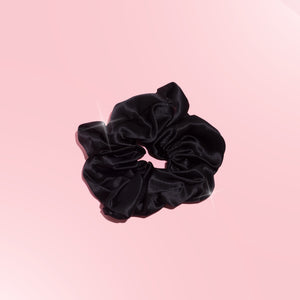
Individual Silkie scrunchie (Colour may vary)
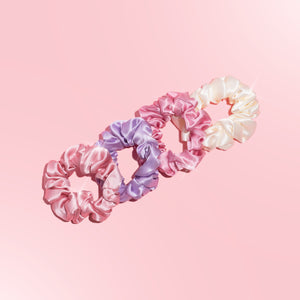
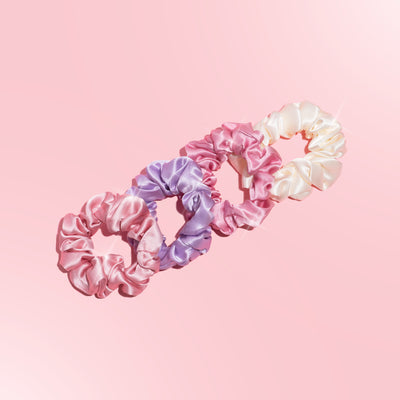
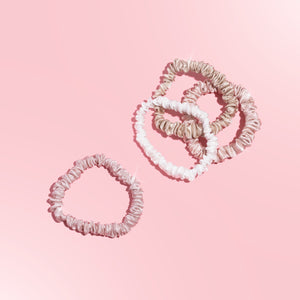
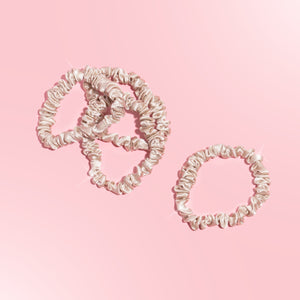
Pure Silk Pastel Scrunchies (Set of 4)
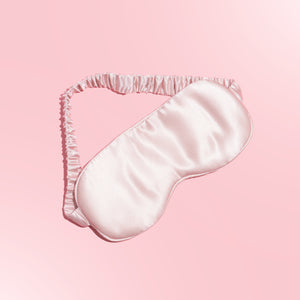
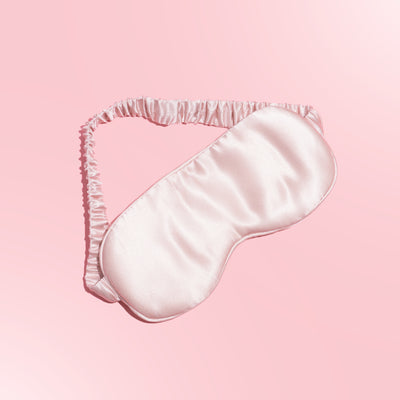
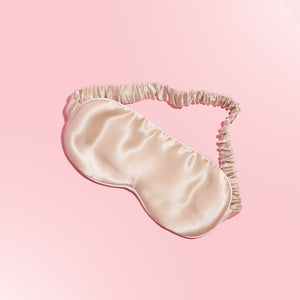
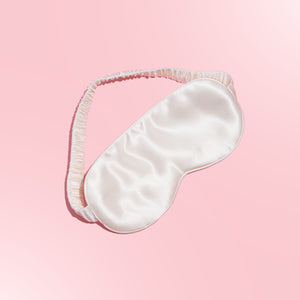
Pure Silk Luxury Eye Mask

Pure Silk Deluxe Scrunchie
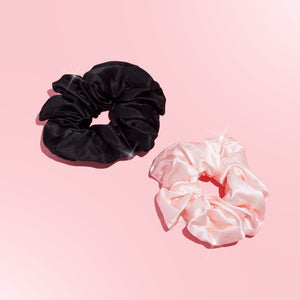
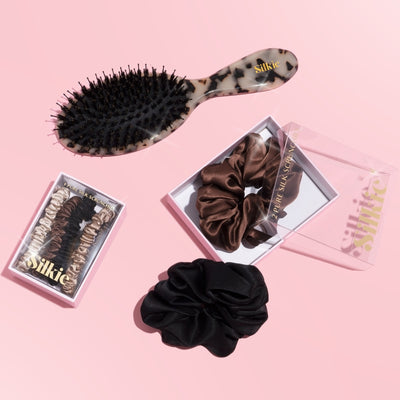
Pure Silk Scrunchies (Set of 2)
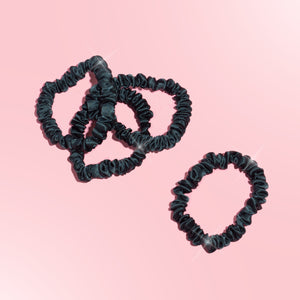
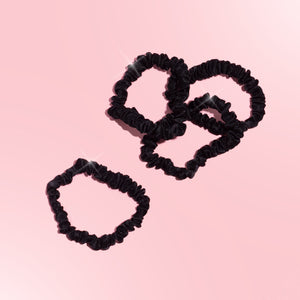
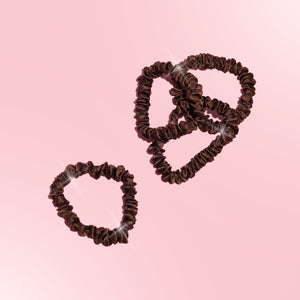
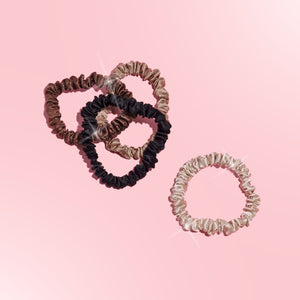
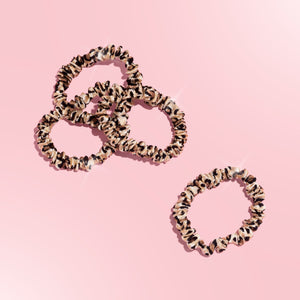
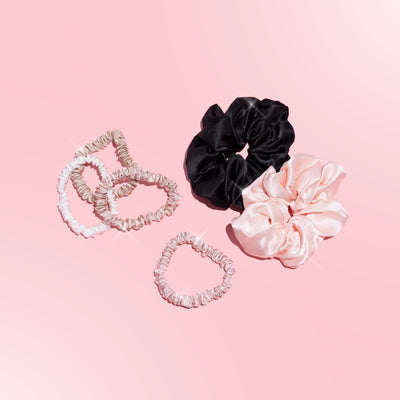
Pure Silk Skinny Scrunchies (Set of 4)
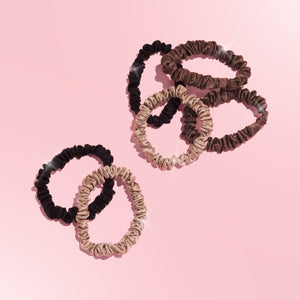
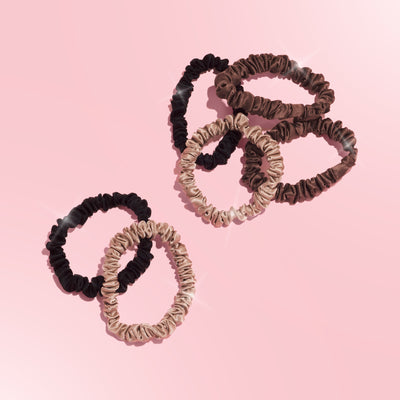
Pure Silk Skinny Scrunchies - Set of 6
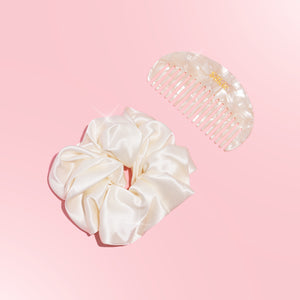
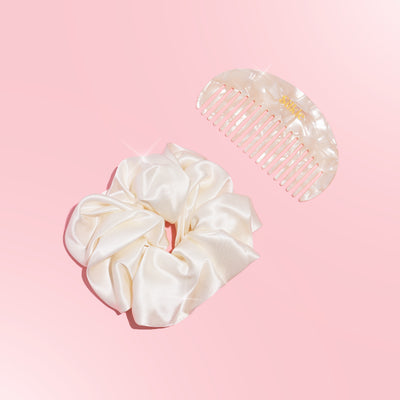
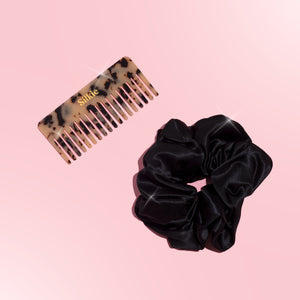
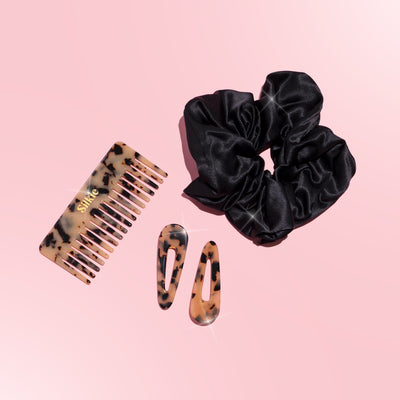
Silkie Styling Duo – Acetate Comb & Deluxe Scrunchie
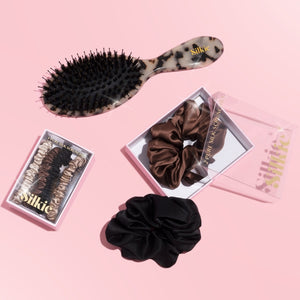
Smoothing Essential Set
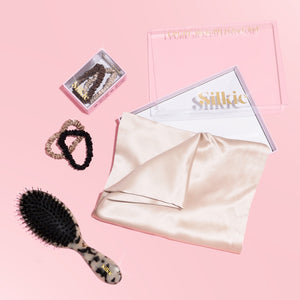
The Dream & Shine Set
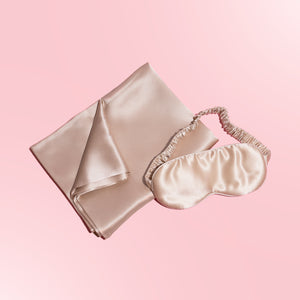
The Silkie Dreamy Sleep Set
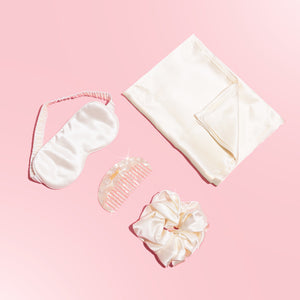
The Silkie Experience Set
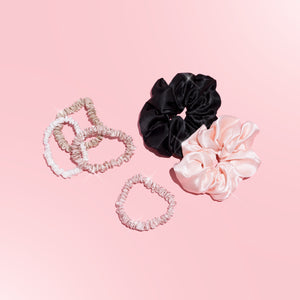
The Silkie Starter Set