





















Why Your Hair May Need Different Care From Your Scalp
Your scalp and your hair are connected, but they do not always need the same kind of care.
It can be easy to treat your hair and scalp as one thing, especially when you follow a regular washing and styling routine. However, the scalp is skin, while the lengths and ends of your hair are made from strands that cannot repair themselves in the same way living skin can. Because of this, the products, techniques and attention they need can be quite different.
Understanding this difference can help you build a more balanced haircare routine. Instead of treating every part of your hair the same way, you can pay attention to what your scalp needs while giving your lengths the care they need to stay manageable, smooth and comfortable.
Your Scalp Has Different Needs
Your scalp is where your hair grows, so keeping it clean and comfortable is an important part of your routine.
Unlike the lengths of your hair, your scalp naturally produces oils. These oils can help keep the skin comfortable, but they can also build up alongside sweat, styling products and other residue. This is one reason cleansing is mainly focused around the scalp rather than the ends.
When washing your hair, concentrate your shampoo around the scalp and roots. Gently massage it through the area rather than aggressively scrubbing. You usually do not need to rub the lengths together, as the shampoo and water running through them during rinsing can be enough to cleanse them.
This approach can help you cleanse the area that needs it without putting unnecessary friction on the lengths.
Your Hair Lengths Need Protection
The hair growing from your scalp is no longer living tissue. Once the strand has grown beyond the scalp, it can be affected by brushing, heat, styling, weather, friction and repeated handling.
This is why the lengths often benefit from a different approach.
Rather than focusing on cleansing, the lengths generally need help staying smooth and manageable. Conditioner can be applied through the mid lengths and ends, where the hair may feel drier or more difficult to manage.
You can also consider how you handle your hair throughout the day. Brushing gently, avoiding unnecessary pulling and choosing comfortable hairstyles can all help reduce everyday stress on the strands.
Conditioner Does Not Need to Go Everywhere
One of the easiest ways to separate scalp care from hair care is to think about where you place your products.
Shampoo is generally focused around the scalp, while conditioner is usually more useful through the lengths and ends.
Applying a rich conditioner directly to the scalp may leave some hair feeling heavier than you would like, particularly if your roots become oily quickly. At the same time, avoiding conditioner on the lengths may leave the ends feeling dry or harder to detangle.
Finding the right placement can make a noticeable difference to how your hair feels after washing.
You may also find that different parts of your hair need different amounts of product. Your roots may feel fresh with very little product, while your ends may appreciate more attention.
Your Ends Often Need the Most Gentle Handling
The further your hair is from the scalp, the older that section of hair is likely to be.
Your ends have experienced more brushing, styling, washing, environmental exposure and friction than the newer hair closer to your roots. This is one reason they can feel different from the rest of your hair.
When brushing, start where the hair is easiest to manage and work through tangles gradually. Avoid pulling through knots from the roots down, as this can place unnecessary tension on the lengths.
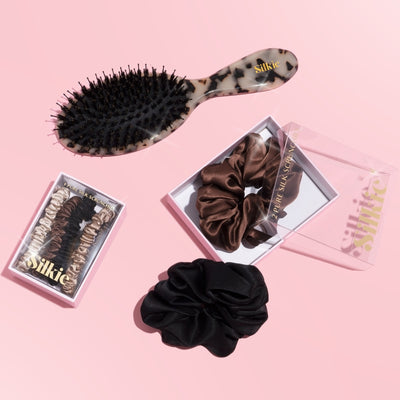
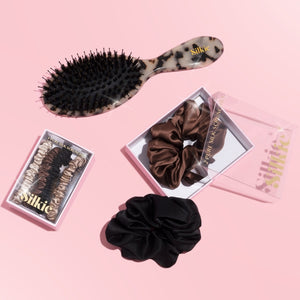
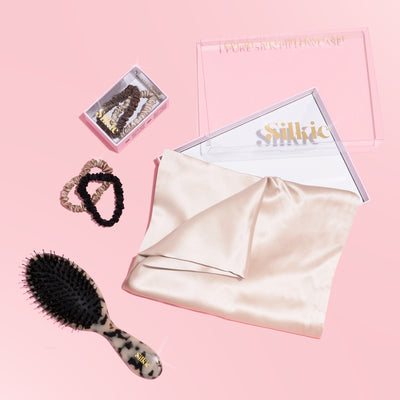
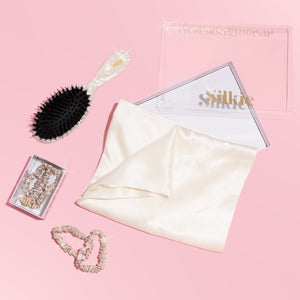
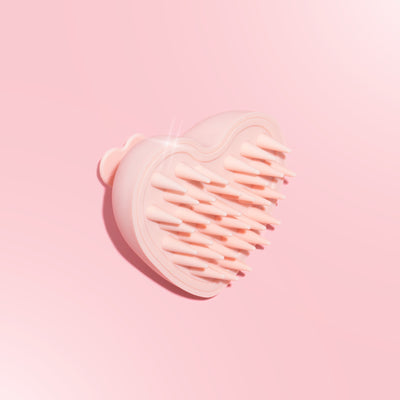
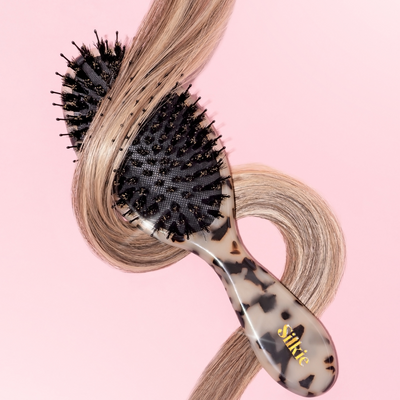
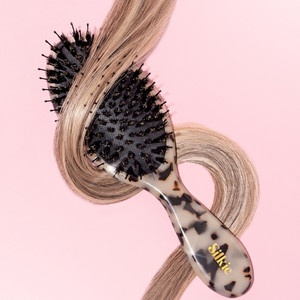
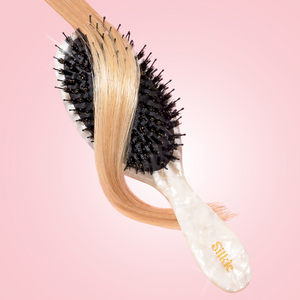
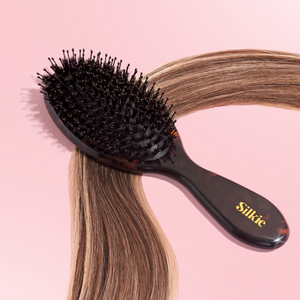
A gentle brush, such as the Silkie Ultimate Smoothing Brush, can become part of a careful detangling routine. The goal is not to brush more often, but to handle your hair with more intention when you do.
Product Placement Can Change How Your Hair Feels
Your scalp and lengths can also respond differently to styling products.
Products designed to add moisture, smoothness or hold may be useful on the lengths, but applying too much near the roots can sometimes make the hair feel heavy or coated.
If your roots are becoming flat while your ends still feel dry, this may be a sign that your hair needs a more targeted approach.
Instead of applying the same product evenly from root to tip, consider where you actually need it. A small amount through the ends may be enough, while your roots may need nothing at all.
This can also make your styling routine feel more balanced without constantly adding more products.
Your Scalp and Hair Can Have Different Responses
It is possible for your scalp to feel oily while your lengths feel dry.
It is also possible for your scalp to feel comfortable while your ends become tangled or rough.
These differences do not necessarily mean your routine is failing. They simply show that different parts of your hair have different needs.
This is particularly noticeable if you have long hair, textured hair or hair that has been coloured or regularly styled. Your scalp may behave one way while your lengths respond differently to the same routine.
Pay attention to both rather than judging your entire hair routine based on one area.
Brushing Should Consider Your Lengths
Brushing is another area where scalp and hair care overlap, but the focus should still be on gentle handling.
Your scalp may benefit from comfortable brushing and massage, while your lengths need careful detangling to avoid unnecessary pulling.
Start with the ends when working through tangles and gradually move upwards. If your hair is particularly prone to knots, take your time rather than trying to brush through everything in one movement.
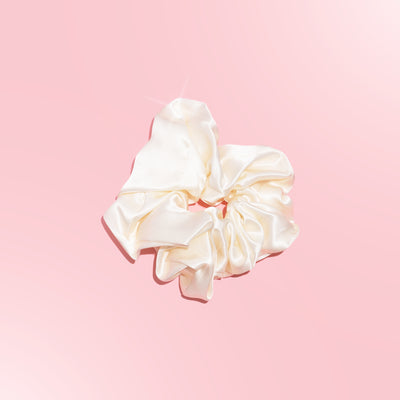
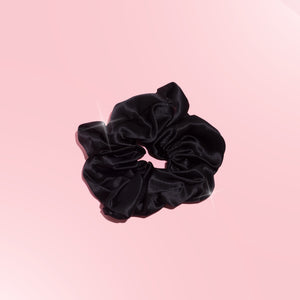
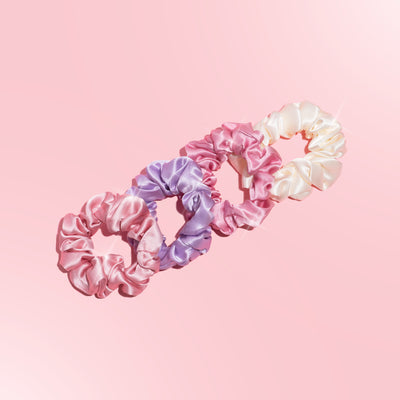
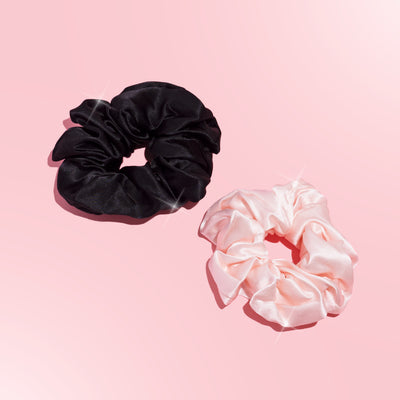
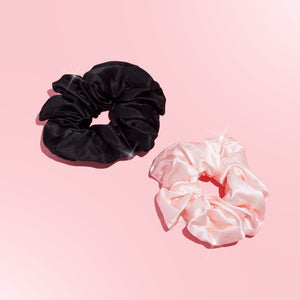
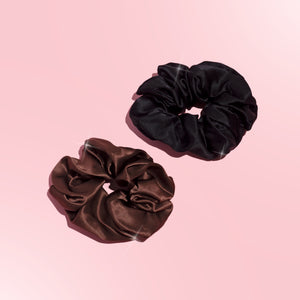
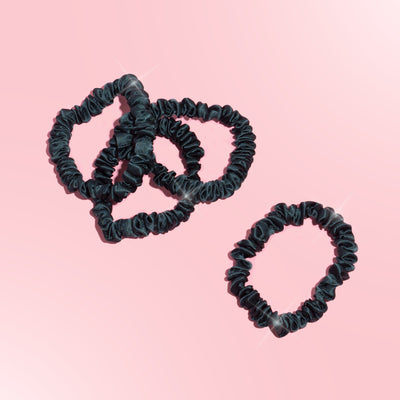
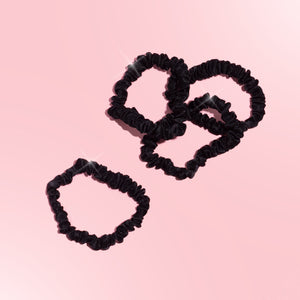
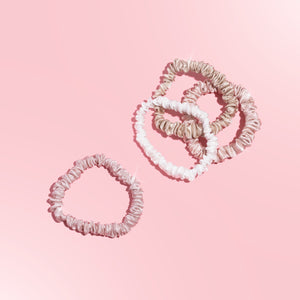
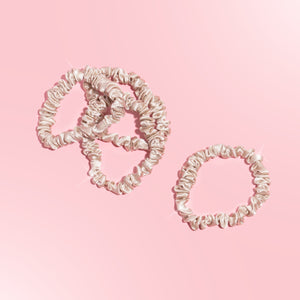
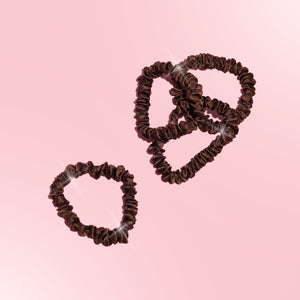
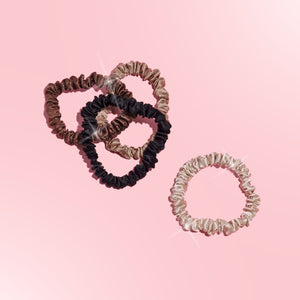
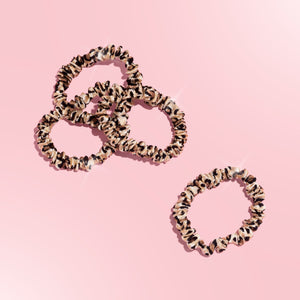
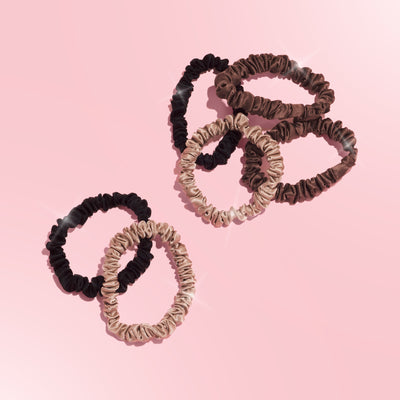
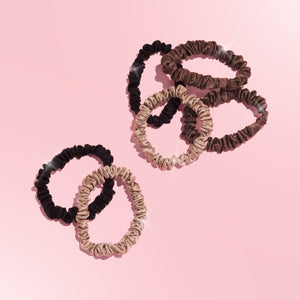
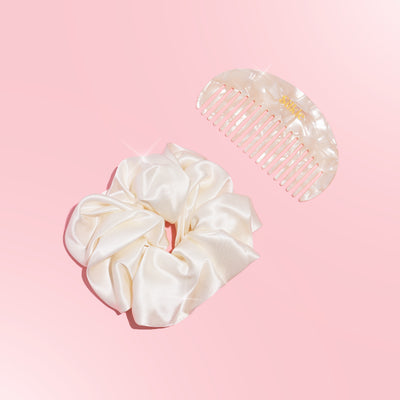
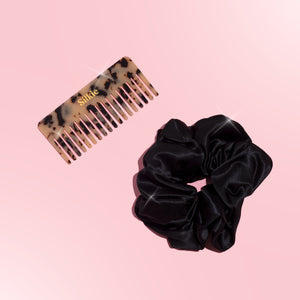
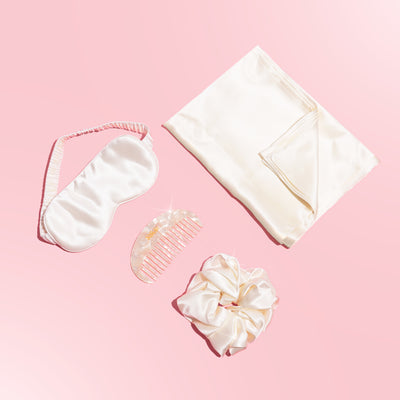
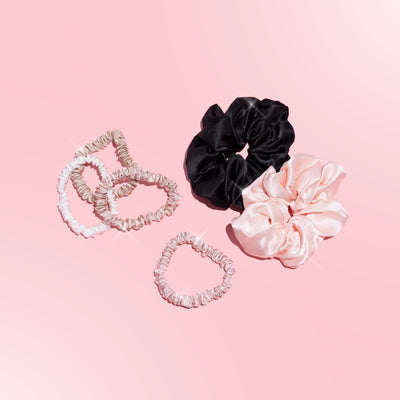
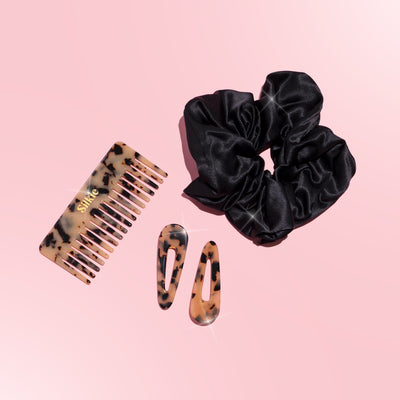
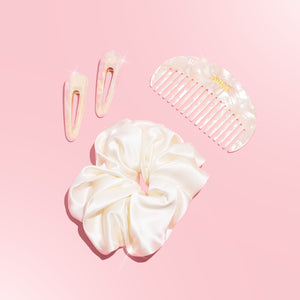
Your choice of hair accessories can also make a difference. A soft silk scrunchie, such as the Skinny Silks 100% Mulberry Silk Scrunchies from Silkie, can be useful when putting your hair up without relying on a tight traditional elastic.
Night Time Care Matters Too
Your scalp and hair continue to experience friction while you sleep.
Your hair may move against your pillow, become tangled or be held in the same position for several hours. If your hair is long, it can also become caught underneath you while you sleep.
Creating a comfortable night time routine can help you manage this.
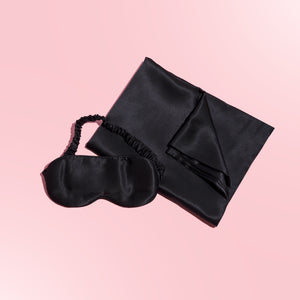
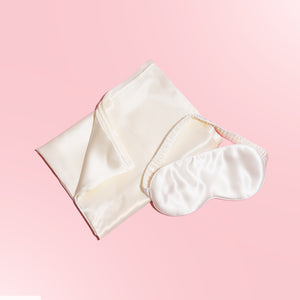
You might loosely tie your hair using a soft scrunchie, gently brush it before bed or use a silk pillowcase to create a smoother sleeping surface.
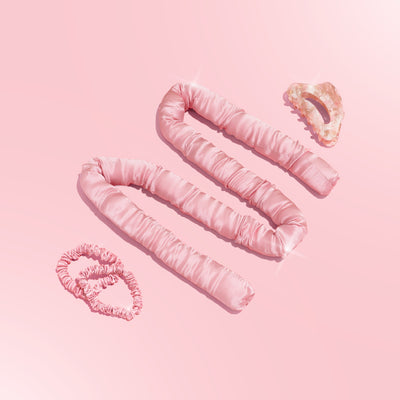
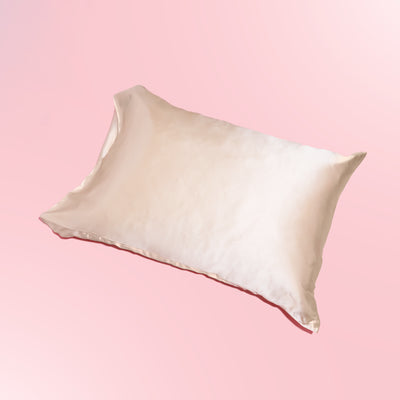
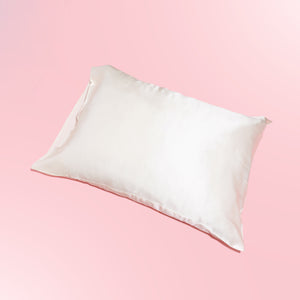
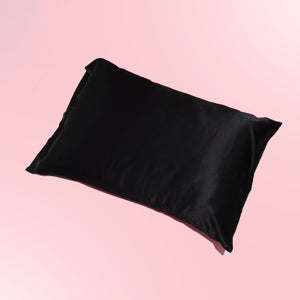
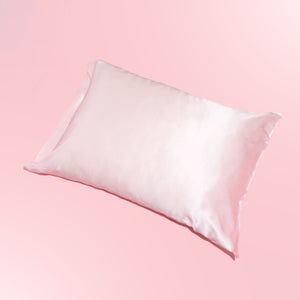
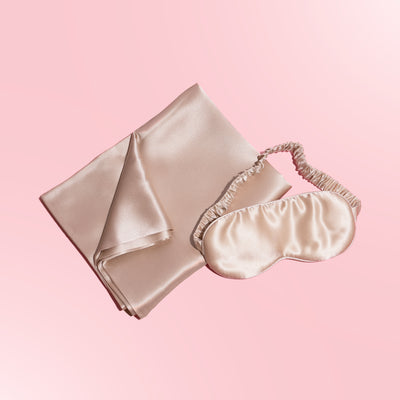
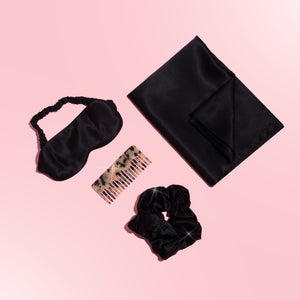
The Silkie Dreamy Mulberry Silk Pillow Case can be incorporated into a night time routine alongside other gentle habits. You can also use the Silkie Sleep Silk Curling Set when you want to create curls overnight without relying on heat styling.
The goal is not to create a complicated night time routine. It is simply about being mindful of how your hair is being handled for several hours while you sleep.
Scalp Care Does Not Replace Length Care
It is easy to focus heavily on the scalp because it is where your haircare routine begins. However, caring for your scalp does not automatically take care of the lengths.
You can have a well cared for scalp while still experiencing dry ends, tangles, breakage from excessive handling or difficulty maintaining your hairstyle.
This is why your routine should consider both areas.
Your scalp may need cleansing and comfortable massage, while your lengths may need conditioning, careful brushing and protection from unnecessary friction.
Neither area needs to receive all of your attention. They simply need the right kind of attention.
Learn to Read Different Parts of Your Hair
One of the most useful haircare habits is learning to notice differences throughout your hair.
Ask yourself how your scalp feels after washing. Does it feel comfortable and fresh, or does it feel weighed down?
Then look at your lengths. Do they feel soft and manageable, or are the ends dry and difficult to detangle?
You may also notice that your hair behaves differently depending on the season, your styling habits, how often you wash it and how long your hair has become.
These observations can help you adjust your routine without completely changing everything at once.
Your scalp and hair do not have to receive identical care to work well together. In fact, understanding their differences can make your routine more effective and easier to manage.
Healthy looking hair is not only about what you put on it. It is also about where you apply products, how you handle the strands and how well your routine responds to what your hair actually needs.
At Silkie, we believe everyday haircare can be both thoughtful and practical. From silk accessories and sleep essentials to brushes designed for gentle styling, explore the collection at www.shopsilkie.com and find pieces that fit naturally into your routine.