How to Reduce Breakage During Your Daily Brushing Routine
Brushing your hair is meant to detangle and smooth—not cause snapping, split ends, or unnecessary shedding. But if your brush routine is too rough, too fast, or done on unprepared hair, it can become one of the biggest sources of daily breakage. The good news is that small adjustments in technique and tools can dramatically reduce damage over time.
Why Brushing Can Cause Breakage
Hair breakage during brushing happens when strands are forced to stretch beyond their limit or snag against resistance.
This usually occurs due to:
- Knots and tangles not being removed gently
- Brushing too quickly through resistant areas
- Using tools that grip or pull harshly
- Starting from the roots instead of the ends
Each snag creates localized stress, and weaker strands are the first to snap.
Always Start From the Ends, Not the Roots
One of the simplest ways to reduce breakage is changing brushing direction.
Instead of:
- Starting at the scalp and pulling downward
Try:
- Starting at the ends and slowly working upward
This method reduces tension buildup and allows knots to be removed gradually rather than forced through.
Detangle in Sections for Less Stress
Brushing large sections of hair at once increases resistance.
Instead, divide hair into smaller sections:
- Easier to manage knots
- Less pulling force required
- More control over pressure
- Reduced snapping during brushing
Sectioning is especially helpful for long, thick, or textured hair.
Never Brush Fully Dry, Highly Tangled Hair
Dry, tangled hair creates maximum resistance.
Brushing it in this state can lead to:
- Excess pulling
- Cuticle damage
- Increased breakage
Instead, ensure hair is:
- Lightly detangled with fingers first
- Smoothed before brushing
- Worked through gradually
Reducing initial resistance makes brushing significantly safer.
The Importance of Using a Gentle Brush
Not all brushes interact with hair the same way.
Harsh brushes often:
- Pull too aggressively on knots
- Create friction at contact points
- Snap weaker strands during detangling
A gentle brush allows strands to glide more easily, reducing mechanical stress.
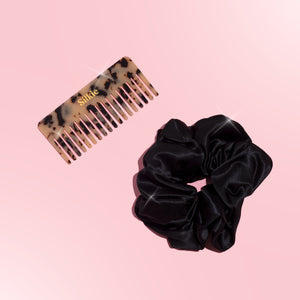
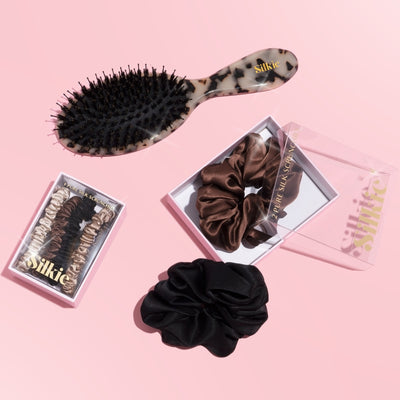
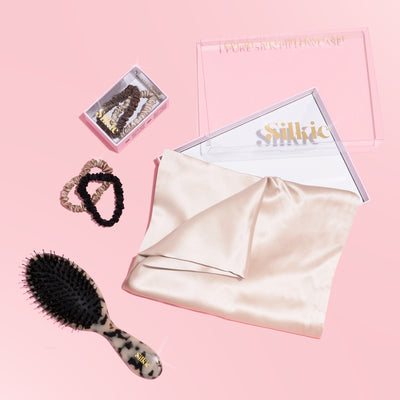
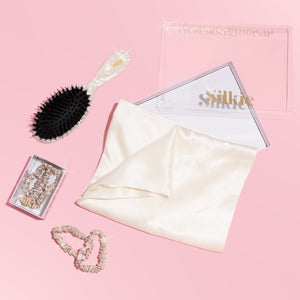
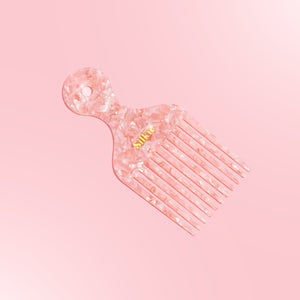
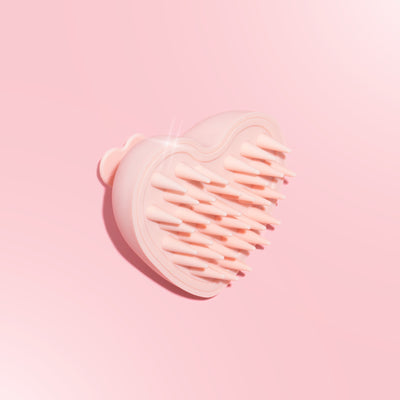
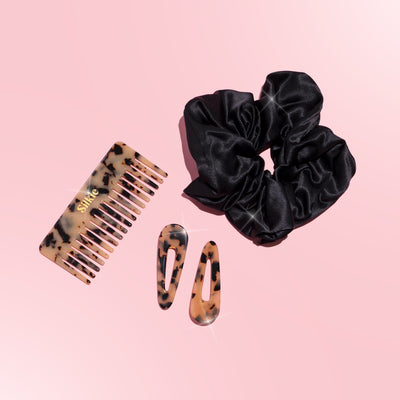
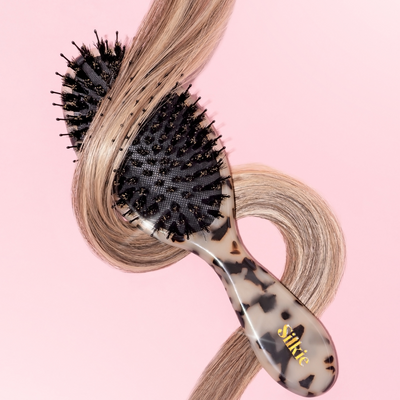
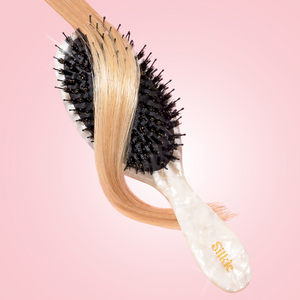
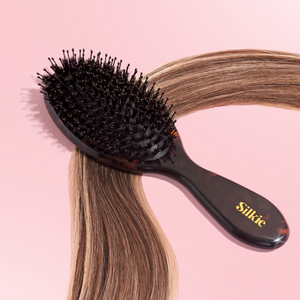
Silkie’s hair brush is designed to reduce pulling during detangling, helping minimize breakage by allowing smoother movement through knots rather than forcing them apart.
Brushing Too Fast Increases Damage
Speed is one of the biggest hidden causes of breakage.
Fast brushing leads to:
- Missed knots being pulled through
- Sudden tension on strands
- Less control over resistance points
Slow, controlled strokes allow you to feel resistance and adjust pressure before damage occurs.
Watch for Hidden Friction Points
Breakage often happens at areas where friction is concentrated.
Common friction zones include:
- Behind the ears
- Nape of the neck
- Mid-length tangles
- Ends that rub against clothing
These areas need extra care during brushing to prevent snapping.
The Role of Pre-Brushing Preparation
Brushing becomes much easier when hair is prepared properly.
Before brushing:
- Gently separate strands with fingers
- Remove large knots carefully
- Ensure hair isn’t tightly compressed from styles
Less initial resistance means less force is needed during brushing.
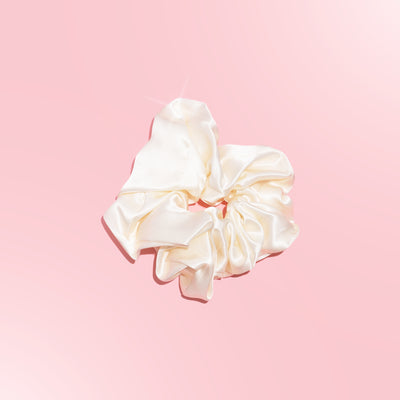
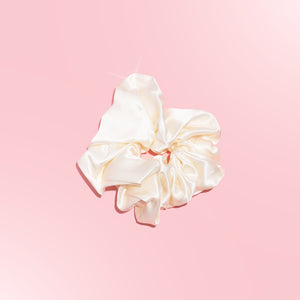
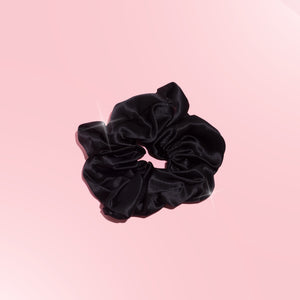
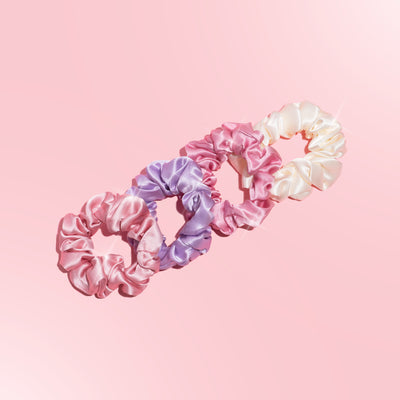
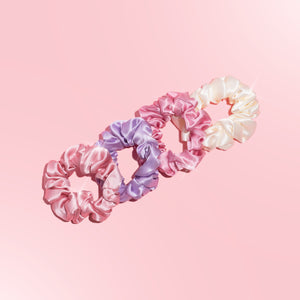
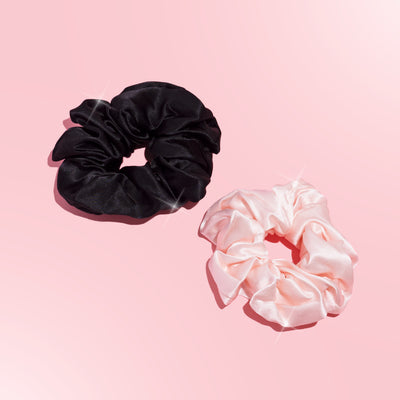
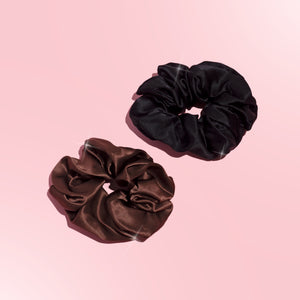
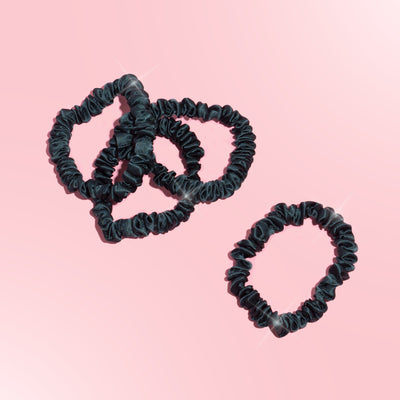
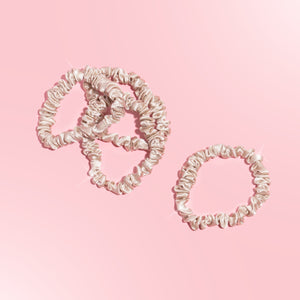
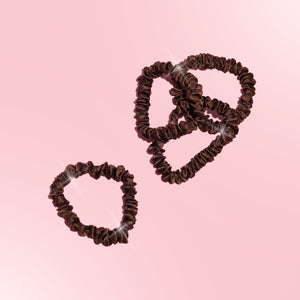
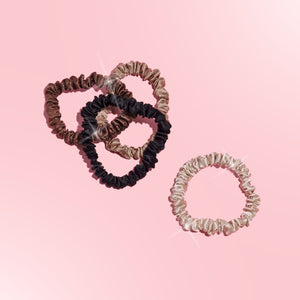
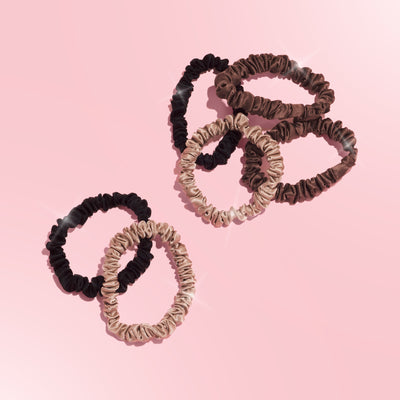
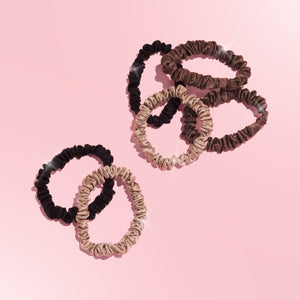
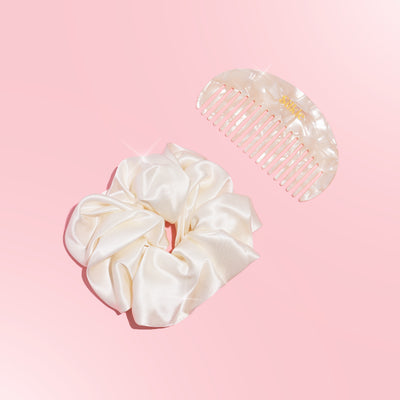
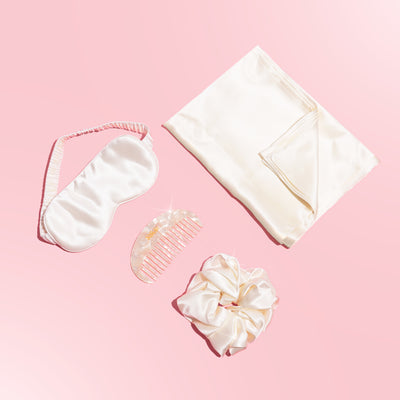
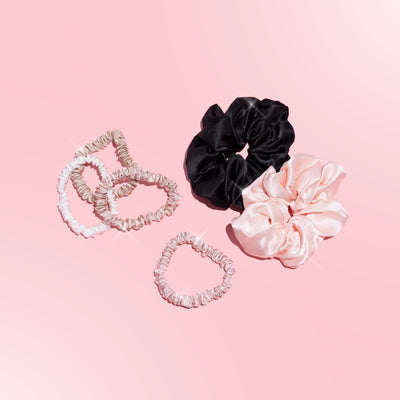
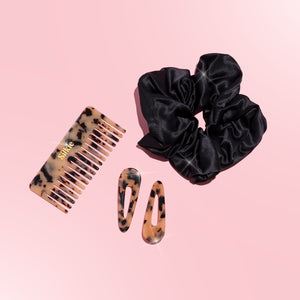
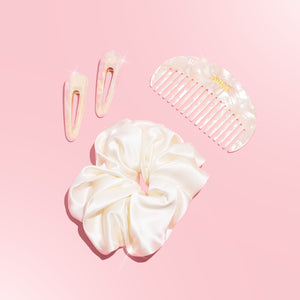
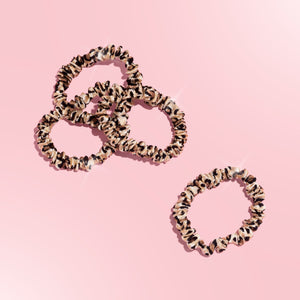
Silkie’s silk scrunchies help reduce overnight tangling and compression, making morning brushing easier and less damaging.
Why Wet Hair Needs Extra Care
Wet hair is more elastic and fragile.
When brushing wet hair:
- Use gentle strokes
- Avoid pulling aggressively
- Work in small sections
Improper brushing while wet can stretch strands too far, increasing breakage risk.
Avoid Repeated Brushing Over the Same Area
Brushing the same section repeatedly can:
- Weaken already smoothed strands
- Create unnecessary friction
- Lead to over-manipulation
Once a section is detangled, move on rather than going over it repeatedly.
Reduce Breakage by Controlling Tension
Breakage often happens when tension is applied unevenly.
To reduce it:
- Hold hair gently above the knot while brushing
- Support strands with your hand
- Avoid pulling downward without control
This stabilizes the hair and reduces strain on the roots.
Why Consistency Matters More Than Occasional Care
Even if you use good techniques occasionally, daily habits determine long-term results.
Consistent gentle brushing:
- Preserves strand strength
- Reduces split ends
- Improves overall smoothness
- Minimizes long-term breakage
Hair responds more to repetition than isolated care moments.
Build a Low-Breakage Brushing Routine
A healthier brushing routine includes:
- Starting from the ends
- Using a gentle brush
- Working in sections
- Detangling slowly
- Preparing hair beforehand
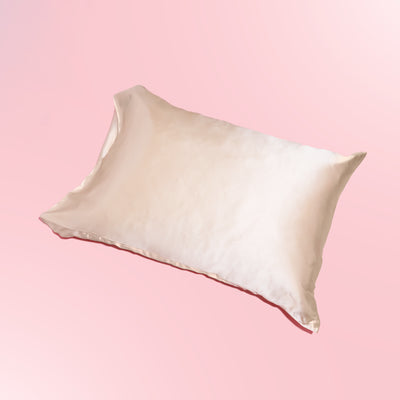
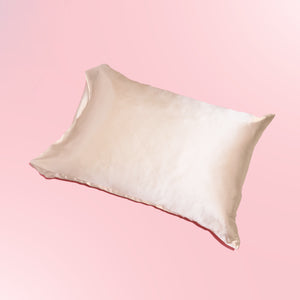
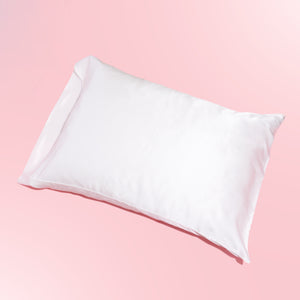
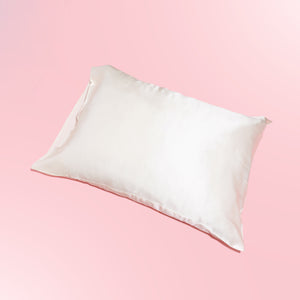
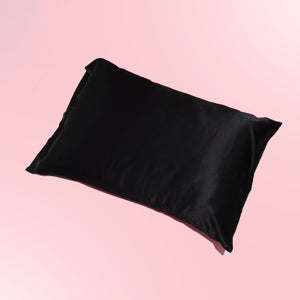
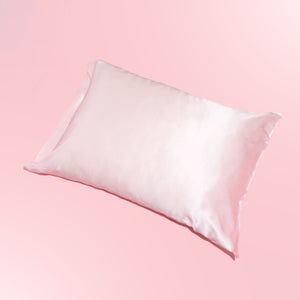
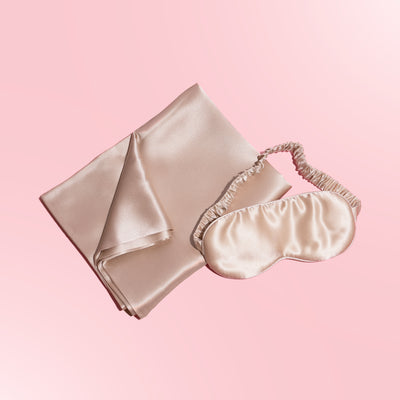
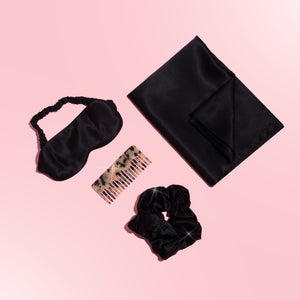
Silkie’s hair brush, silk scrunchies, and mulberry silk pillowcases all support this routine by reducing tangles, friction, and resistance before brushing even begins.
Protect Your Hair Every Time You Brush With Silkie
Brushing doesn’t have to be a source of damage. With the right technique and tools, it can become one of the most beneficial steps in your haircare routine.
Silkie’s collection of silk scrunchies, mulberry silk pillowcases, and gentle hair brushes is designed to reduce breakage and make everyday brushing smoother, easier, and more protective.
Explore the full collection at www.shopsilkie.com and turn your brushing routine into a moment of care, not damage.