










The Hidden Damage Caused by Tight Hairstyles
Slick buns, tight ponytails, and pulled-back styles may look polished, but beneath the surface they can quietly compromise hair health. The damage they cause often goes unnoticed — until it becomes difficult to reverse.
Why Tension Is One of Hair’s Biggest Stressors
Hair is strongest when it’s left to move naturally. Tight hairstyles place constant tension on the scalp and hair shaft, forcing strands to stretch beyond their comfort zone for hours at a time.
Over time, this tension weakens hair at its most vulnerable points — especially around the hairline, temples, and nape.
What Really Happens to Hair Under Tension
When hair is pulled tightly:
-
The hair shaft stretches repeatedly
-
Cuticles lift and remain stressed
-
Weak points form along the strand
-
Breakage occurs closer to the root
Unlike heat or chemical damage, tension damage often affects new growth, which can make hair appear thinner even when length remains the same.
Traction Damage Is Often Misdiagnosed
Many people assume thinning edges or breakage are caused by hormones or genetics. In reality, daily styling habits play a major role.
Signs of tension-related damage include:
-
Short, broken hairs around the hairline
-
Tenderness or soreness after removing styles
-
Headaches linked to tight updos
-
Reduced density in high-tension areas
This form of damage doesn’t happen overnight. It accumulates quietly through repetition.
Tight Styles and Moisture Loss
Tension doesn’t just affect the root — it also disrupts moisture balance.
Pulled hair experiences:
-
Increased friction at stress points
-
Reduced oil distribution along the strand
-
Faster moisture evaporation
This leads to dryness, frizz, and brittleness, even if the hair appears sleek while styled.
The Role of Hair Accessories
Not all damage comes from the style itself. Accessories matter.
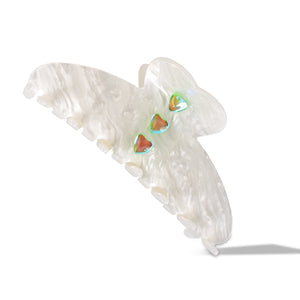
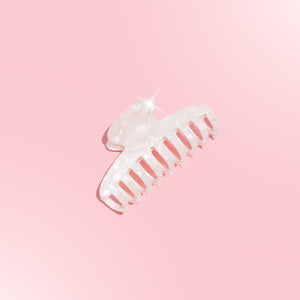
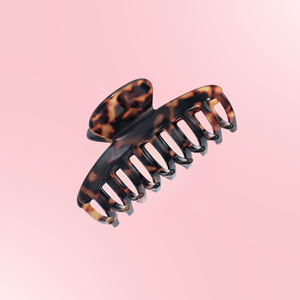
Elastic bands, metal components, and rigid plastics increase:
-
Localized pressure
-
Snagging during removal
-
Friction along the cuticle
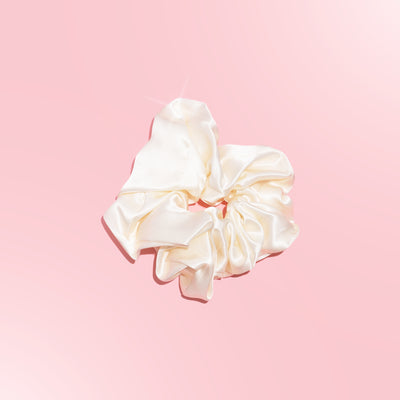
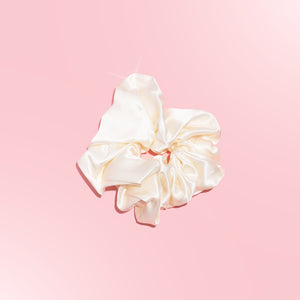
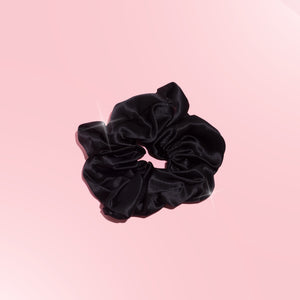
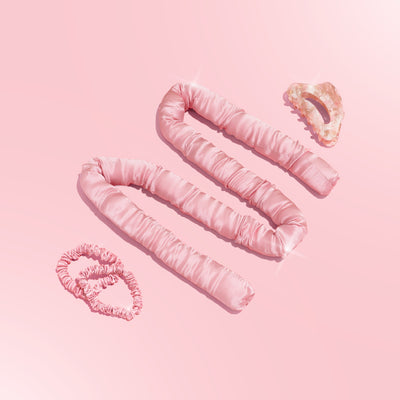
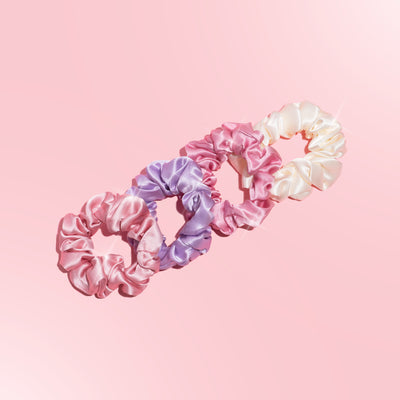
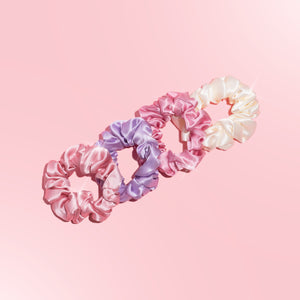
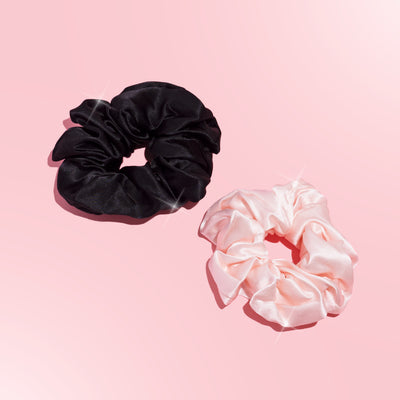
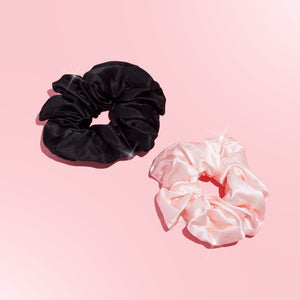
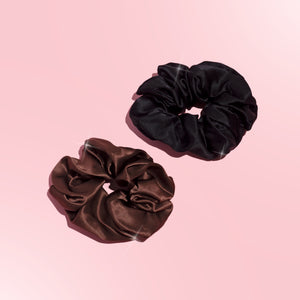
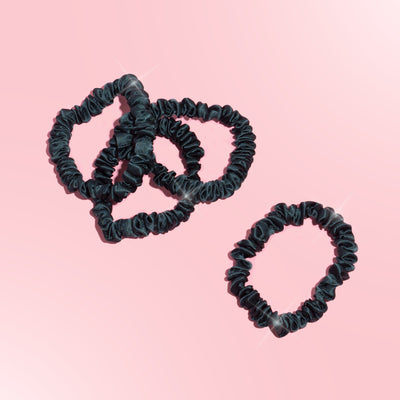
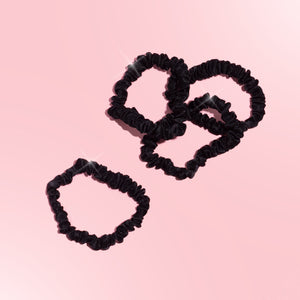
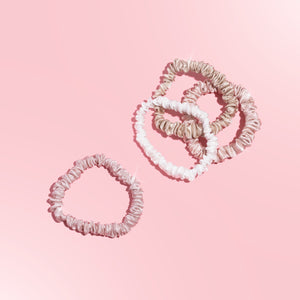
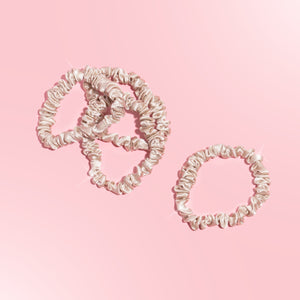
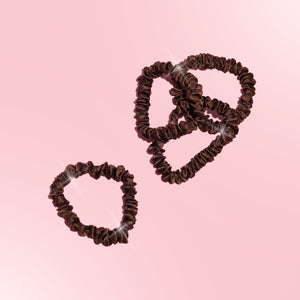
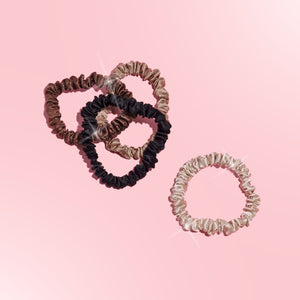
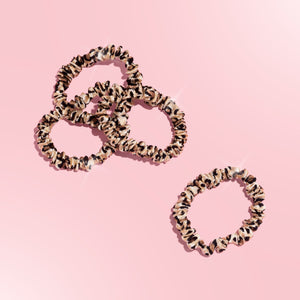
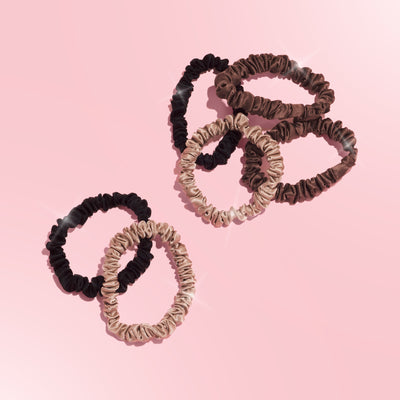
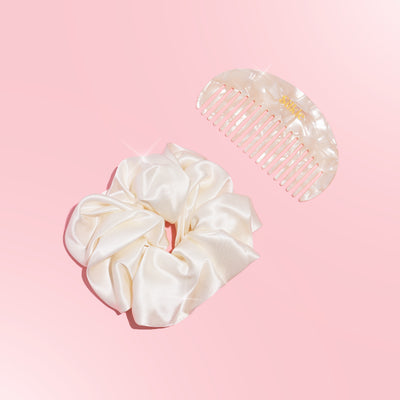
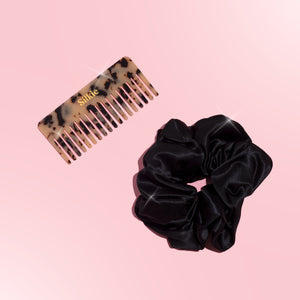
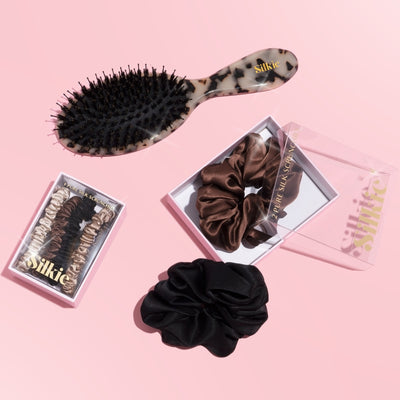
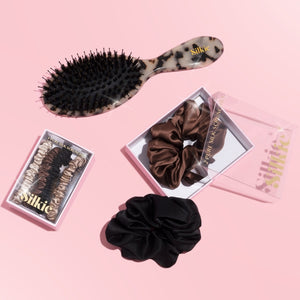
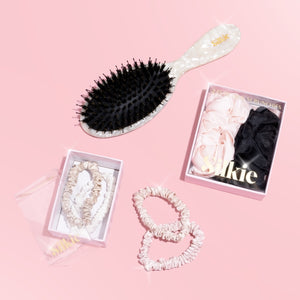
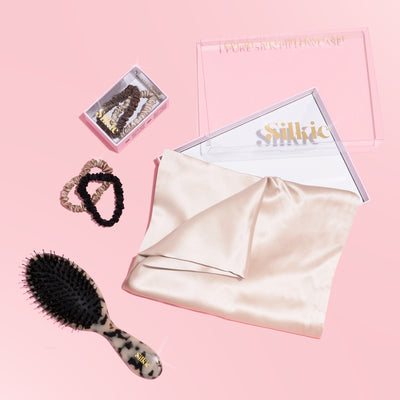
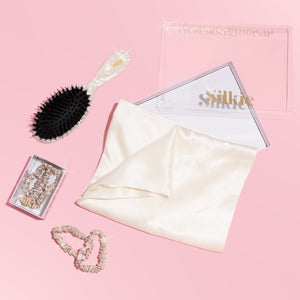
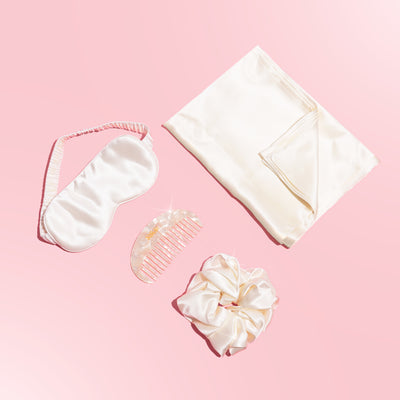
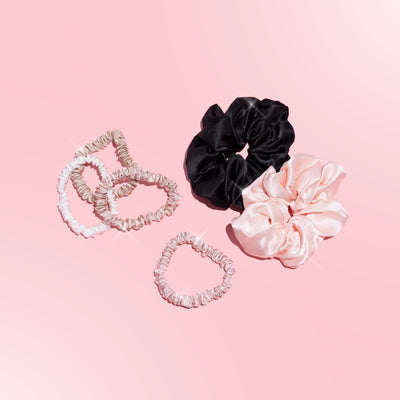
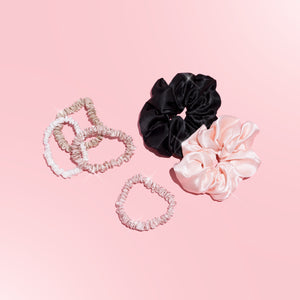
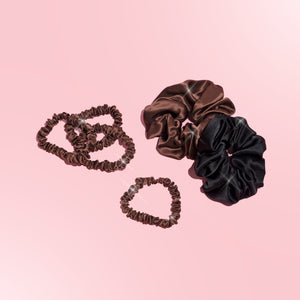
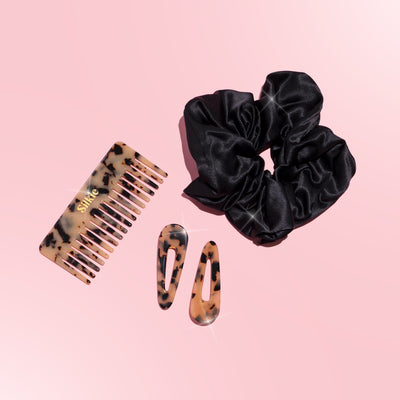
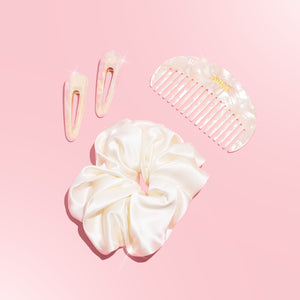
Switching to gentler accessories — such as silk scrunchies — helps distribute tension more evenly and reduces unnecessary stress.
Silkie’s silk scrunchies are designed to secure hair without gripping or pulling, making them a safer option for everyday styling.
Protective Styling Without the Pull
Protective styles should protect — not punish.
Healthier alternatives include:
-
Looser ponytails that change placement
-
Soft braids instead of tight plaits
-
Low buns secured with smooth accessories
-
Rotating styles to avoid repeated stress
The goal is balance: structure without strain.
Nighttime Recovery Matters
Hair that’s been under tension all day needs relief at night.
Sleeping with hair still tightly secured increases:
-
Scalp stress
-
Friction at breakage-prone areas
-
Strain on fragile new growth
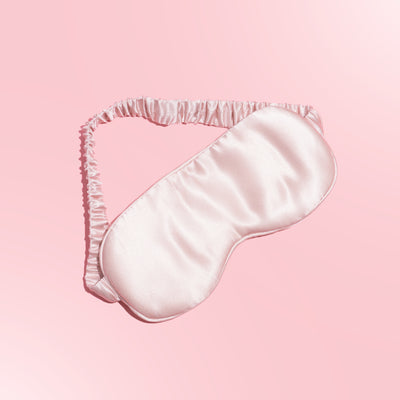
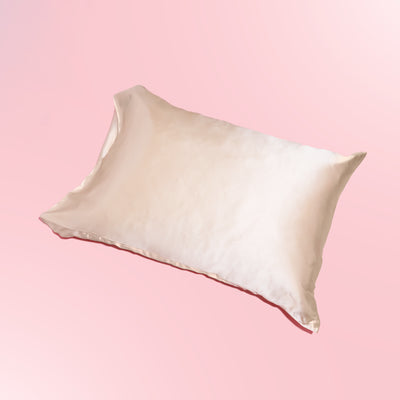
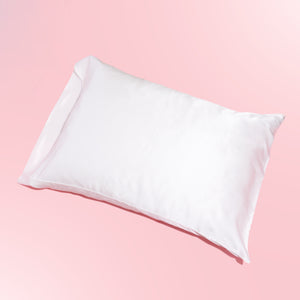
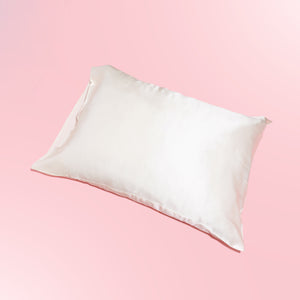
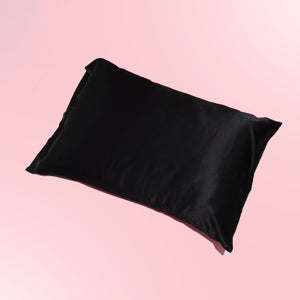
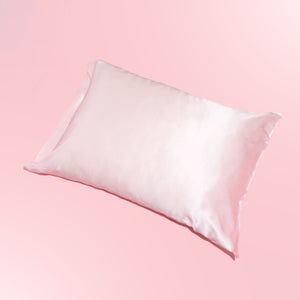
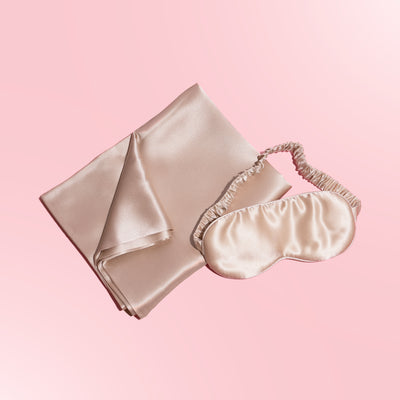
Loosening styles before bed and using smooth sleep surfaces, like silk pillowcases, allows hair and scalp to reset.
Styling for Longevity, Not Just Appearance
Modern haircare is shifting away from styles that demand endurance and toward choices that support longevity.
When tension is reduced:
-
Hair density is preserved
-
Edges remain fuller
-
Styling becomes more forgiving over time
Intentional styling doesn’t mean giving up polished looks. It means choosing methods that respect hair’s limits.
Rethinking Everyday Hairstyles
If your go-to styles rely on tightness to look good, it may be time to reassess.
Hair thrives when it’s supported — not strained. By opting for gentler accessories and loosening your approach to styling, you protect not just your look today, but the health of your hair long-term.
To explore hair accessories designed to minimize tension and reduce daily damage, visit www.shopsilkie.com.