







The Role of Touch: How Over-Handling Weakens Hair
Running fingers through your hair, constant adjusting, and habitual styling may feel harmless — even soothing. But over time, excessive handling becomes one of the most underestimated causes of hair weakness and breakage.
Why Hair Isn’t Designed for Constant Contact
Hair is a delicate fiber. While it’s flexible, it’s not meant to be touched, pulled, or repositioned throughout the day.
Every interaction introduces:
-
Friction
-
Tension
-
Oil transfer
-
Mechanical stress
Unlike skin, hair doesn’t regenerate or heal from repeated handling.
The Science Behind Over-Handling
Each strand of hair is protected by cuticles that lie flat when undisturbed. Frequent touch causes these cuticles to lift and shift.
When this happens repeatedly:
-
The hair surface becomes rough
-
Moisture escapes more easily
-
Strands weaken at stress points
-
Breakage increases
Over time, hair loses resilience — even without heat or chemicals.
How Oils and Residue Play a Role
Hands carry natural oils, skincare residue, and environmental particles. Transferring these to hair can disrupt balance.
This leads to:
-
Product buildup in unintended areas
-
Weighed-down roots and dry ends
-
More frequent washing, which adds further stress
The cycle becomes self-perpetuating.
Stress Touching and Styling Habits
Many people touch their hair more during:
-
Stress or anxiety
-
Focused work
-
Social settings
-
Idle moments
These unconscious habits add up. The more hair is handled, the more fragile it becomes — especially around the front and crown.
Tools Can Reduce the Need for Touch
When hair feels smooth, detangled, and comfortable, there’s less urge to adjust it.
Using gentle tools that glide rather than pull helps reduce repeated handling. This includes:
-
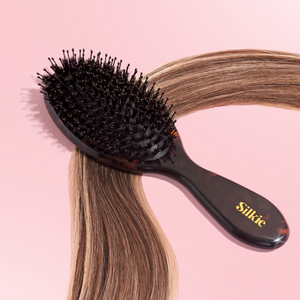
Smooth, well-designed brushes
-
Non-snapping combs
-
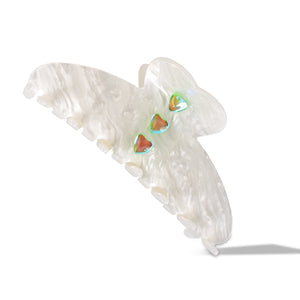
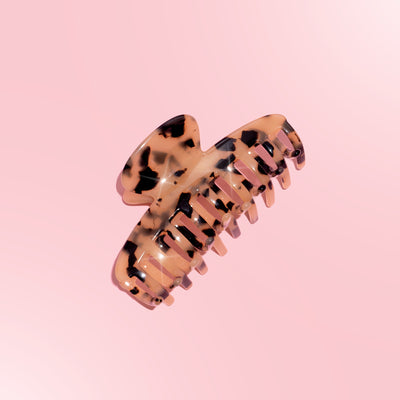
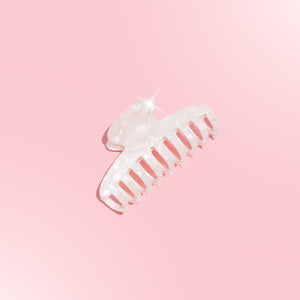
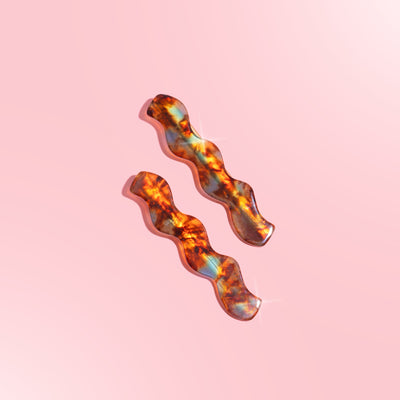
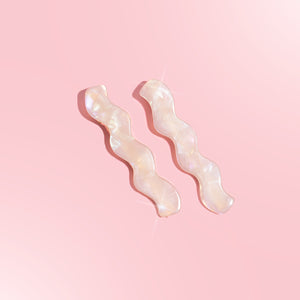
Accessories that hold without slipping
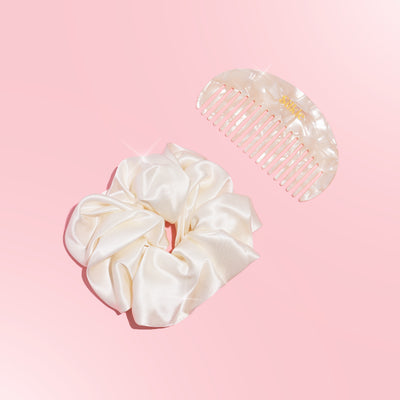
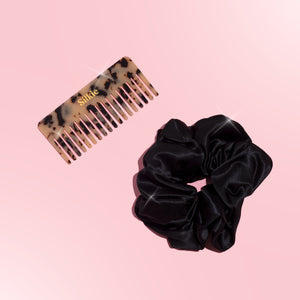
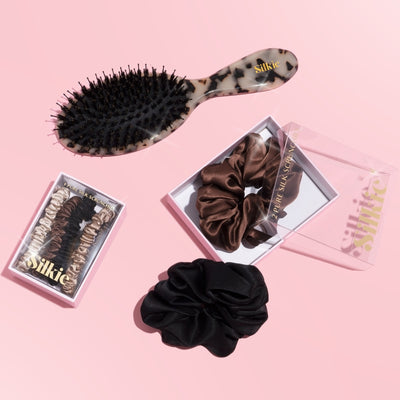
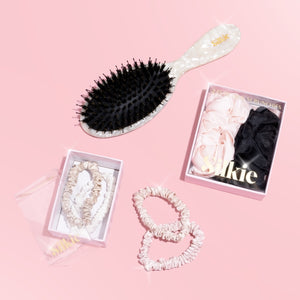
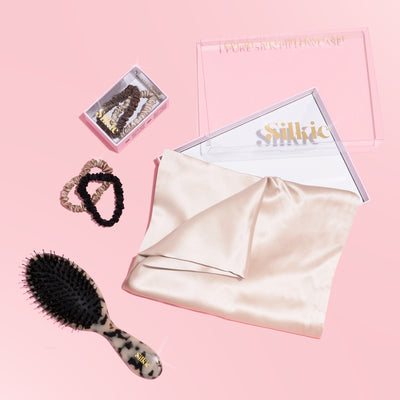
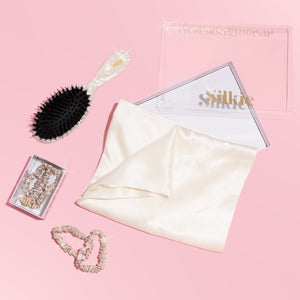
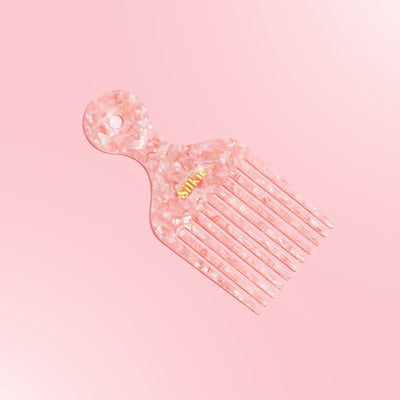
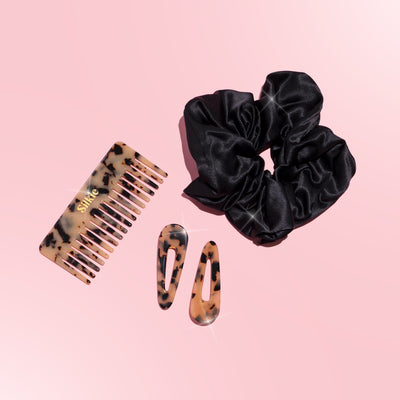
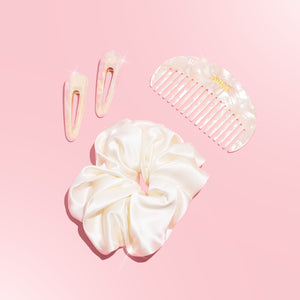
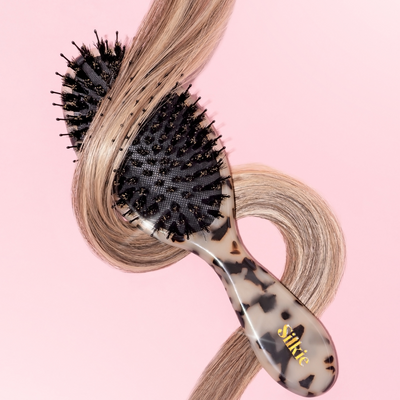
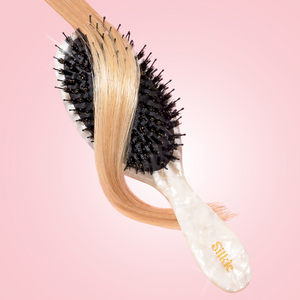
Silkie’s hair tools are designed to minimize tugging and help hair stay in place, reducing the need for constant adjustment.
Why Friction Is the Real Issue
Touch itself isn’t the only problem — friction is.
Each pass of fingers or tools creates micro-friction that slowly degrades the cuticle. This is especially damaging on dry or textured hair, where friction is naturally higher.
Creating a Low-Interference Routine
Healthier hair thrives with fewer interruptions.
Simple changes include:
-
Styling once, then leaving hair alone
-
Choosing accessories that don’t require readjustment
-
Detangling gently and intentionally
-
Avoiding dry brushing throughout the day
These habits protect hair without adding steps.
Letting Hair Rest
Just like skin benefits from minimal disruption, hair performs best when it’s allowed to rest.
When over-handling is reduced:
-
Breakage slows
-
Texture improves
-
Hair feels stronger over time
This is one of the most overlooked principles of long-term hair care.
Rethinking Hair Interaction
Touch feels instinctive, but restraint is protective.
By reducing unnecessary handling and choosing tools designed to support hair rather than stress it, you create space for hair to maintain its natural strength.
To explore hair tools designed for gentle, low-interference styling, visit www.shopsilkie.com.
SHOP OUR SILKIE PRODUCTS
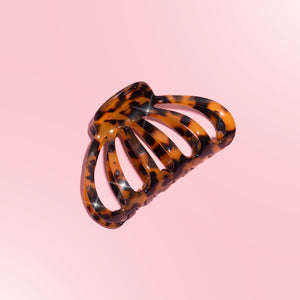
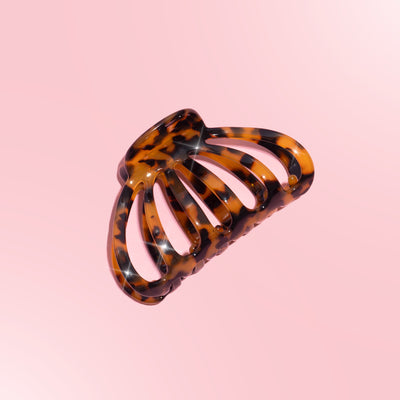
The Acetate Resin Butterfly Claw Clip in Tortoiseshell
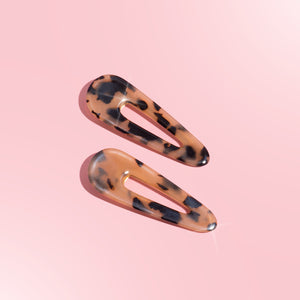
The Hair Slides
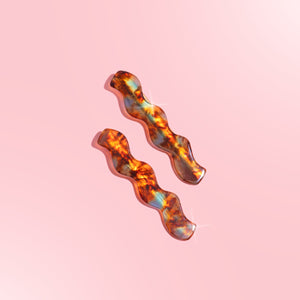
The Wave Hair Slides
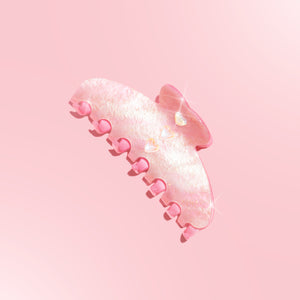
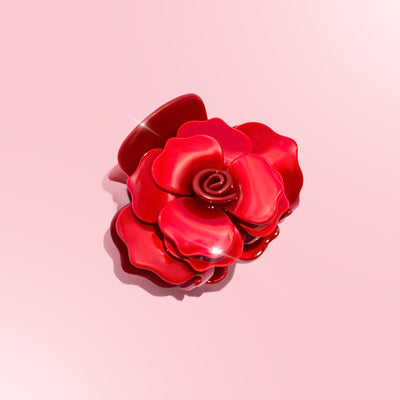
Love Valentine's Acetate Hair Clip

The Detangling Comb
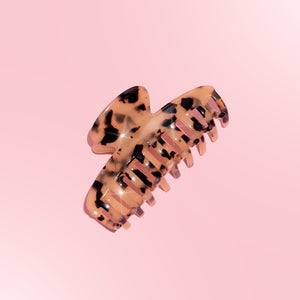
The Classic Claw Clip
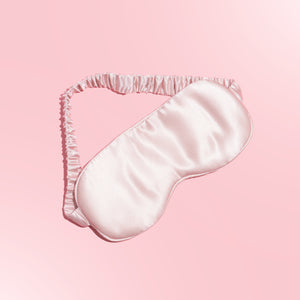
Pure Silk Luxury Eye Mask
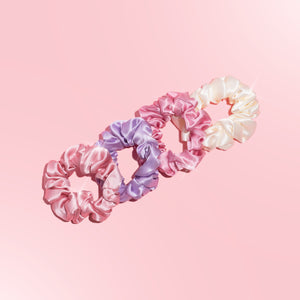
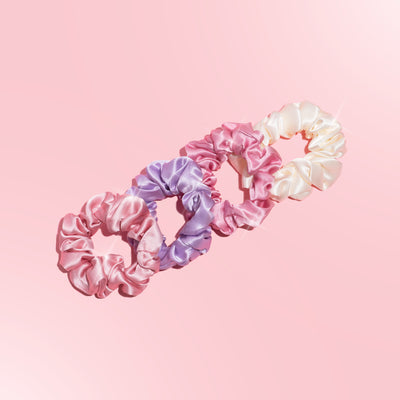
Pure Silk Pastel Scrunchies (Set of 4)
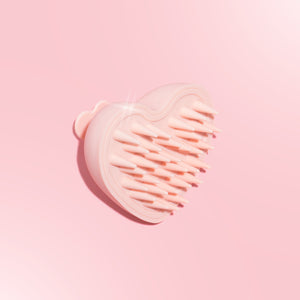
The Scalp Massaging Brush
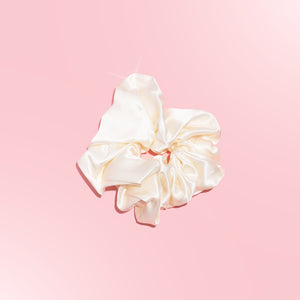
Pure Silk Deluxe Scrunchie
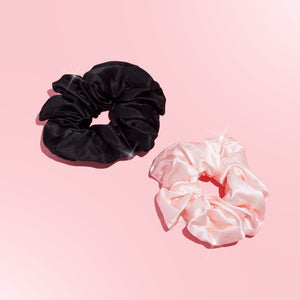
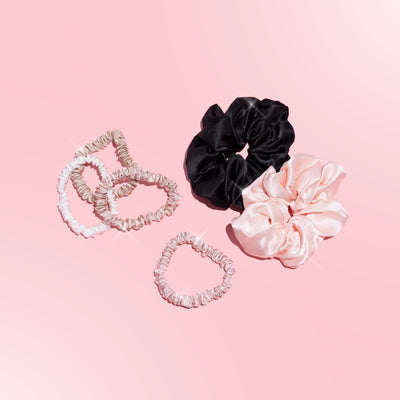
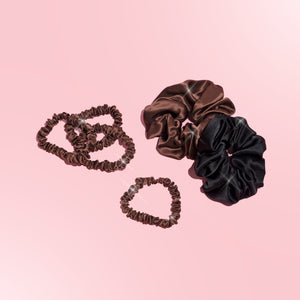
Pure Silk Scrunchies (Set of 2)
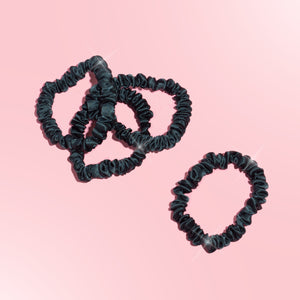
Pure Silk Skinny Scrunchies (Set of 4)
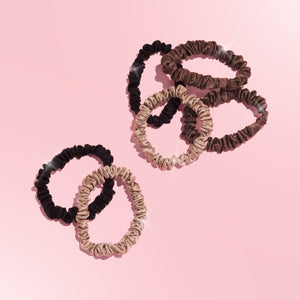
Pure Silk Skinny Scrunchies - Set of 6
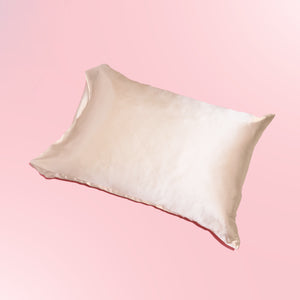
Pure Silk Pillowcase
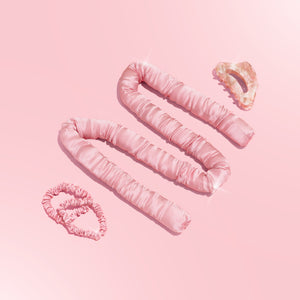
Pure Silk Heatless Curler Set
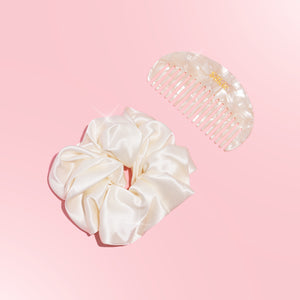
Silkie Styling Duo – Acetate Comb & Deluxe Scrunchie
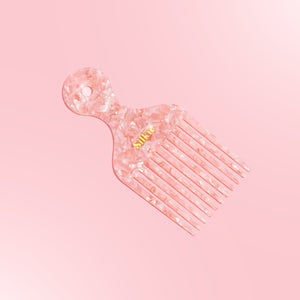
The Hair Pick
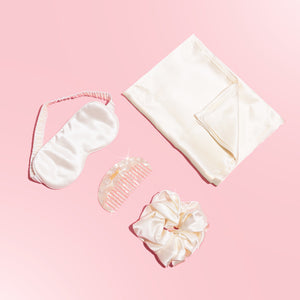
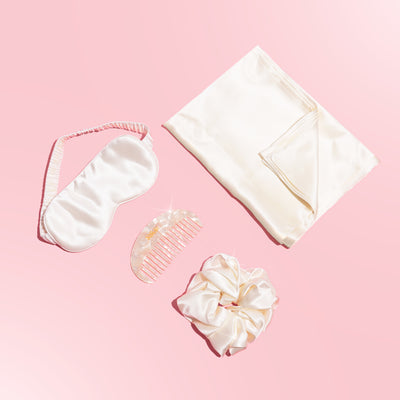
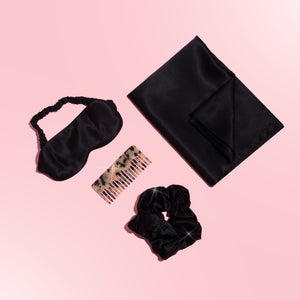
The Silkie Experience Set
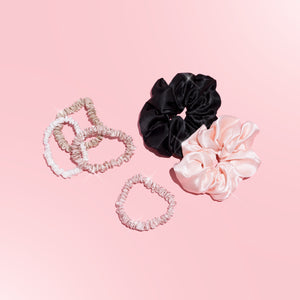
The Silkie Starter Set
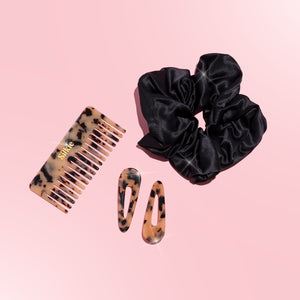
The Silkie Styling Set
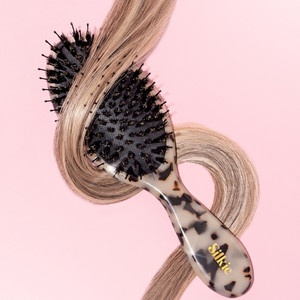
The Ultimate Smoothing Brush
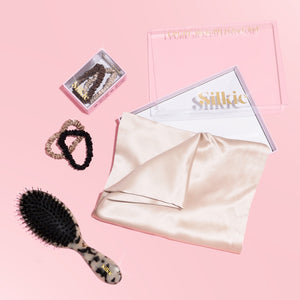
The Dream & Shine Set