










Understanding Mechanical Damage vs. Chemical Damage
Not all hair damage is the same. While chemical damage often gets the most attention, mechanical damage is just as common — and often more frequent. Understanding the difference helps you protect your hair more effectively and build a routine that prevents long-term breakage.
What Is Mechanical Damage?
Mechanical damage happens when physical stress weakens the hair shaft. It’s caused by repeated friction, tension, or pulling.
Common causes include:
-
Tight ponytails or buns
-
Rough brushing or detangling
-
Friction from pillowcases or clothing
-
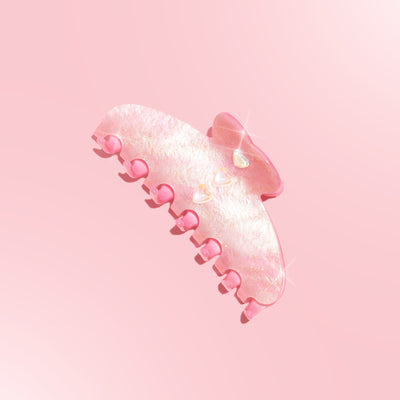
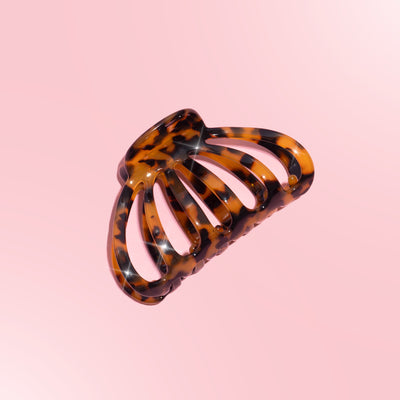
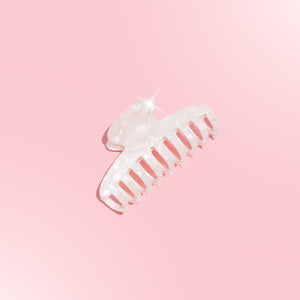
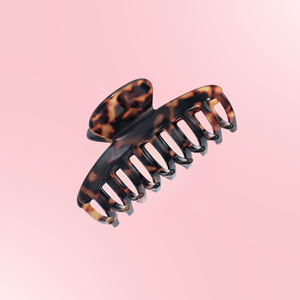
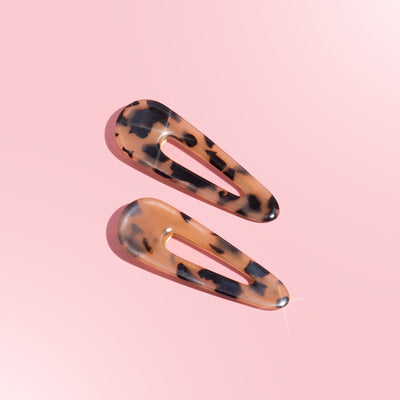
Harsh elastics and clips
This type of damage builds gradually through daily habits.
Signs of Mechanical Damage
Mechanical damage often appears as:
-
Split ends
-
Frizz and rough texture
-
Breakage at stress points
-
Uneven length
Because it develops slowly, many people don’t notice it until thinning or snapping becomes visible.
What Is Chemical Damage?
Chemical damage occurs when the internal structure of the hair strand is altered by chemical processes.
Common causes include:
-
Hair coloring or bleaching
-
Relaxers and perms
-
Excessive chemical treatments
These processes can weaken protein bonds inside the hair, making it more fragile.
Signs of Chemical Damage
Chemical damage may present as:
-
Extreme dryness
-
Loss of elasticity
-
Mushy or gummy texture when wet
-
Significant breakage after processing
Unlike mechanical damage, chemical damage often happens quickly.
Why Mechanical Damage Is More Common
Even if you don’t chemically treat your hair, mechanical damage happens daily. Small actions like:
-
Brushing too aggressively
-
Sleeping on rough fabrics
-
Wearing the same tight hairstyle
can slowly compromise hair strength over time.
That’s why prevention is essential.
How to Reduce Mechanical Damage
Choose Gentle Tools
-
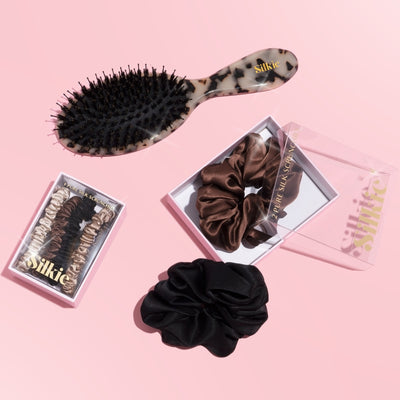
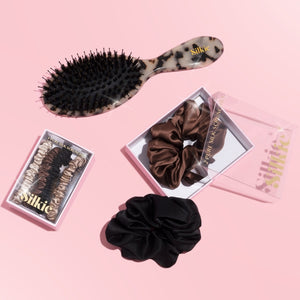
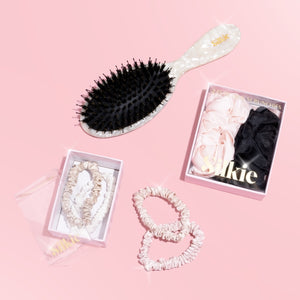
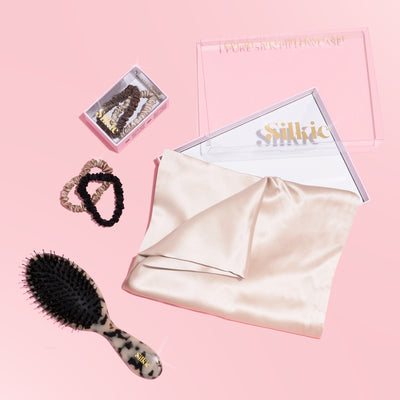
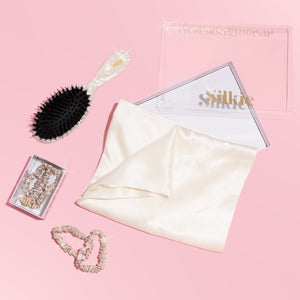
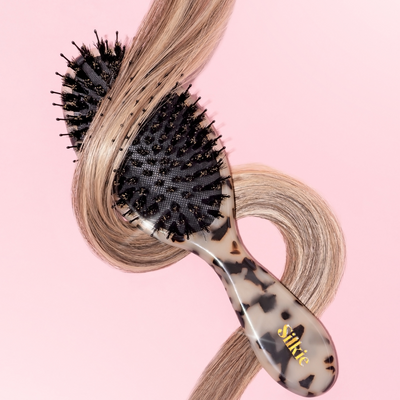
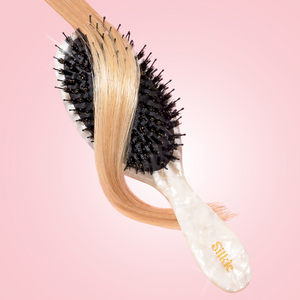
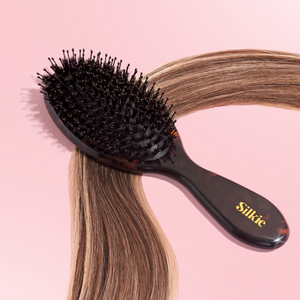
Boar bristle brushes smooth instead of scrape
-
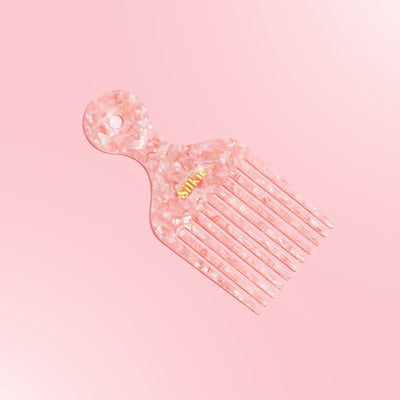
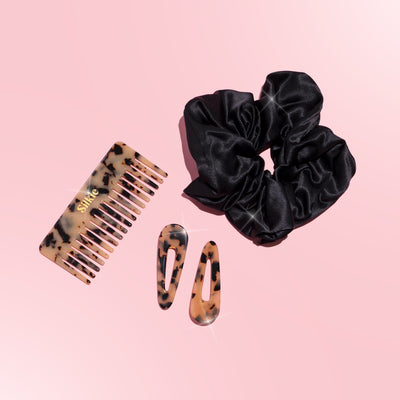
Hair texture picks detangle curls without stretching
-
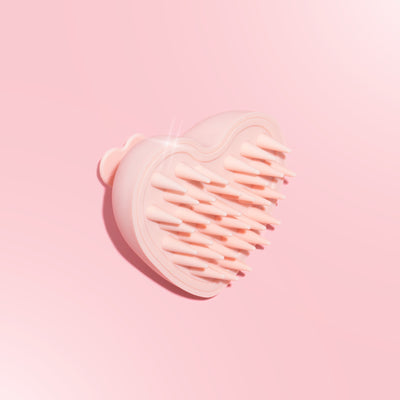
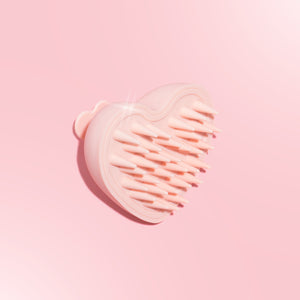
Scalp massagers stimulate without pulling
Switch to Low-Friction Accessories
-
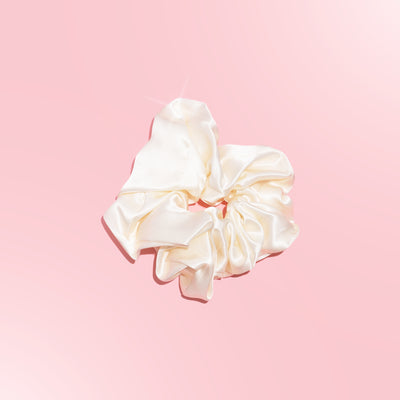
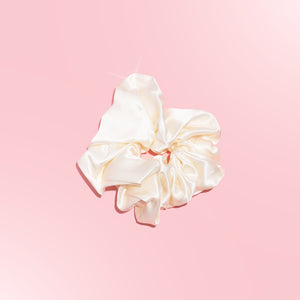
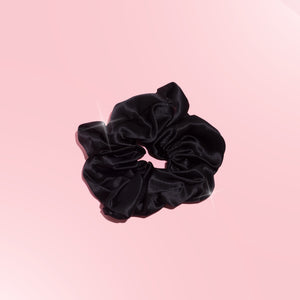
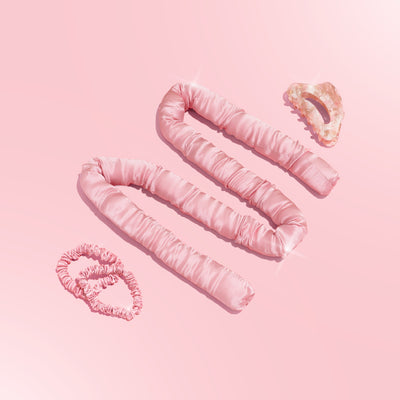
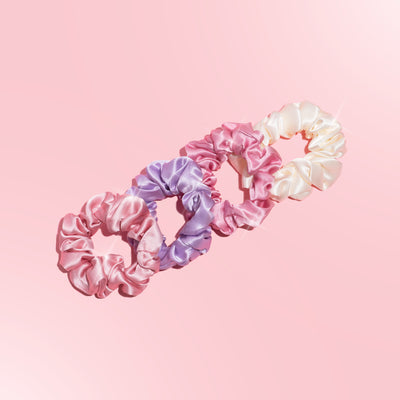
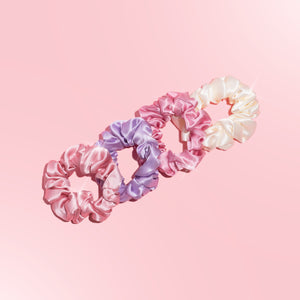
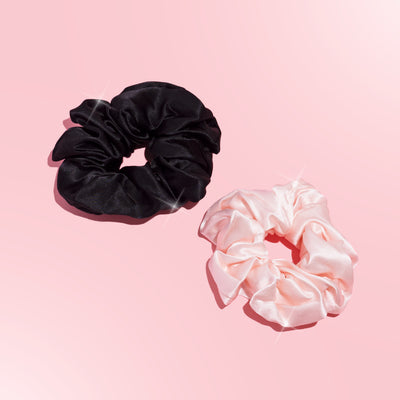
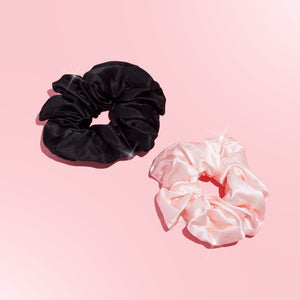
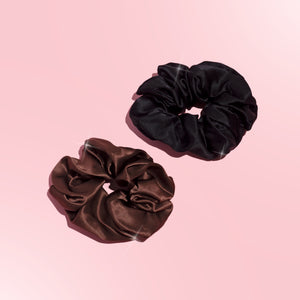
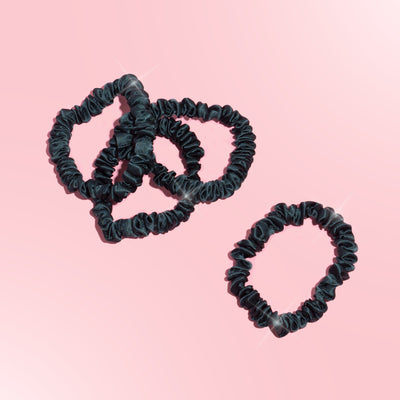
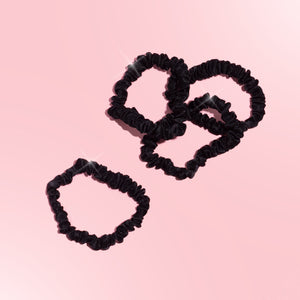
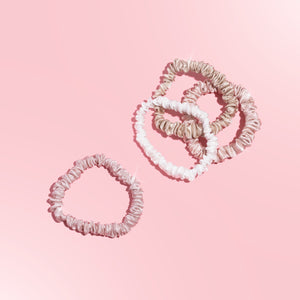
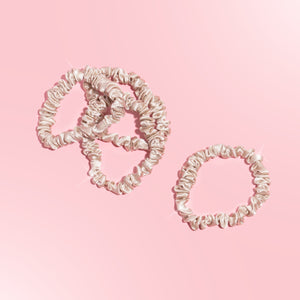
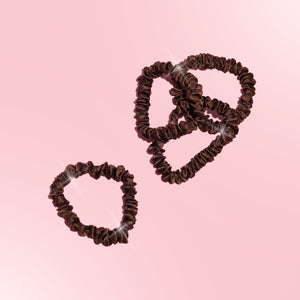
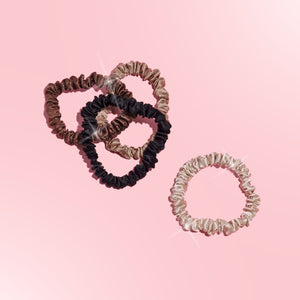
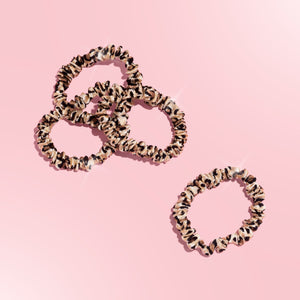
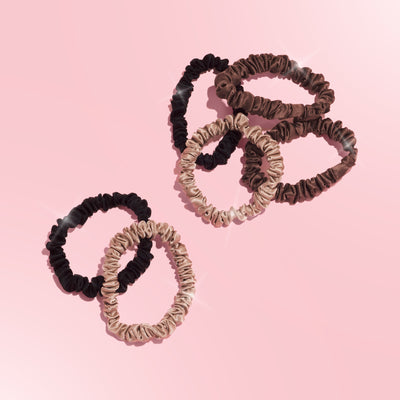
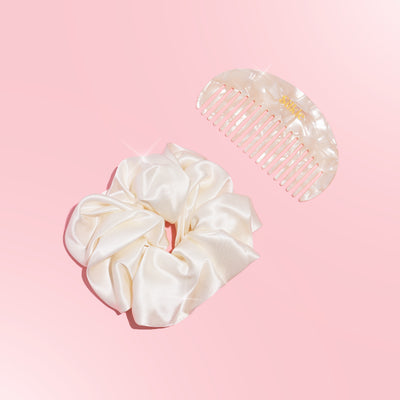
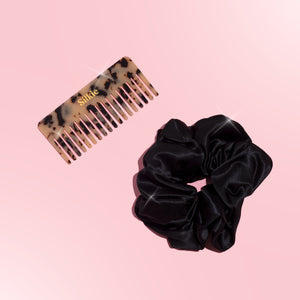
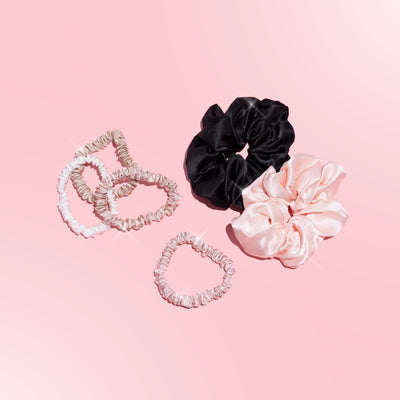
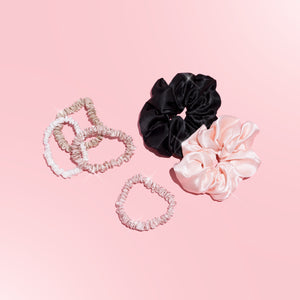
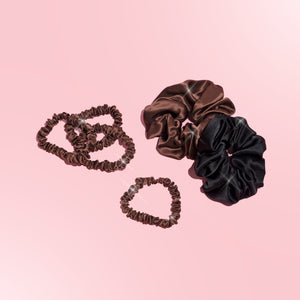
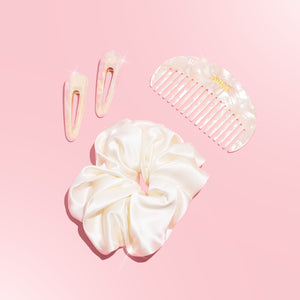
Silk scrunchies reduce tension and snapping
-
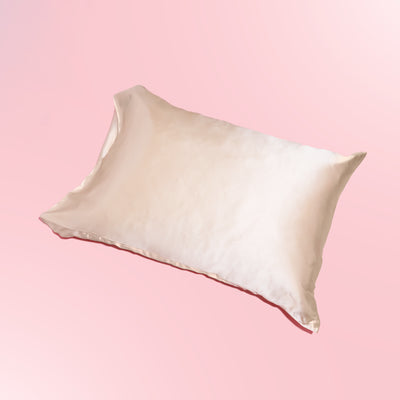
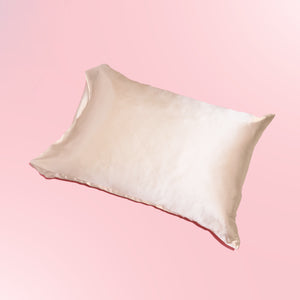
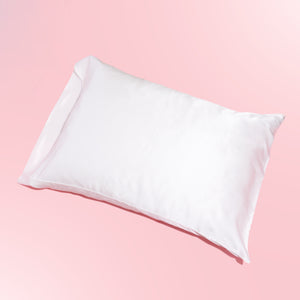
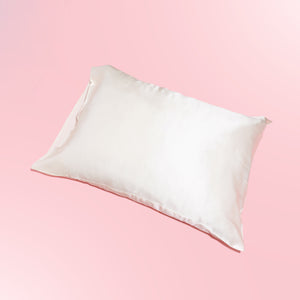
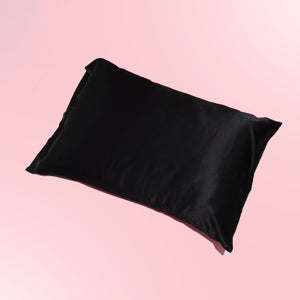
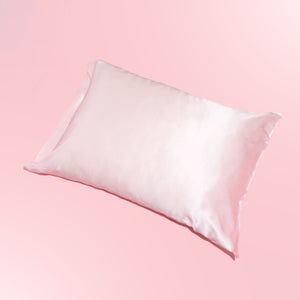
Silk pillowcases minimize overnight friction
-
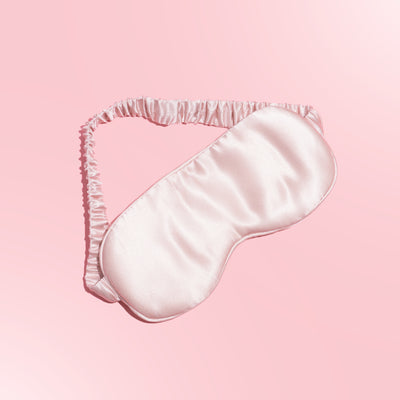
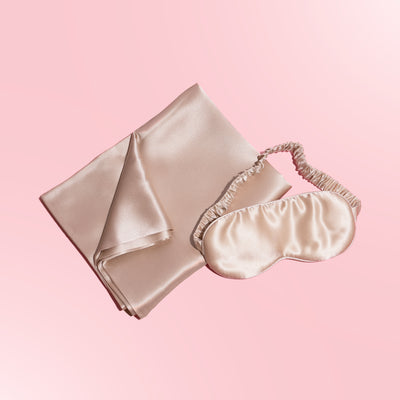
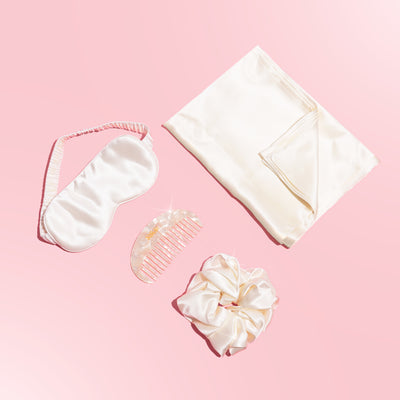
Silk sleep sets protect hair during movement
Reducing daily friction protects the outer cuticle layer.
Supporting Chemically Treated Hair
If hair has been chemically processed, it becomes more vulnerable to mechanical stress. That makes gentle accessories even more important.
Silk scrunchies and pillowcases help preserve moisture and reduce breakage in already fragile strands.
How Silkie Supports Damage Prevention
Silkie products are designed to reduce mechanical stress:
-
Silk scrunchies prevent pressure points
-
Silk pillowcases and sleep sets minimize friction
-
Brushes and texture picks support gentle detangling
When mechanical stress is reduced, even chemically treated hair has a better chance of staying strong.
Prevention Over Repair
Chemical treatments may be occasional — but mechanical stress happens every day. By minimizing friction and tension through thoughtful tools and silk accessories, you reduce the cumulative damage that weakens hair over time.
Protect Your Hair From Both Sides
Understanding the difference between mechanical and chemical damage empowers smarter choices. With protective habits and gentle accessories, you can maintain healthier, more resilient hair long-term.
Explore Silkie silk accessories and hair tools at www.shopsilkie.com.
