







What Healthy Hair Really Looks Like (Beyond Shine)
Shiny hair is often mistaken for healthy hair — but shine alone doesn’t tell the full story. True hair health is quieter, more structural, and far more revealing over time. Understanding what actually defines healthy hair helps you protect it properly, not just polish it temporarily.
Why Shine Became the Gold Standard — and Why It Falls Short
Shine is easy to sell.
Products coat the hair shaft, reflect light, and deliver instant results. But shine is often superficial. It can exist even when hair is dry, brittle, or breaking internally.
Healthy hair goes deeper than appearance.
It’s about how the strand behaves, not just how it looks in one moment.
The Real Indicators of Healthy Hair
1. Elasticity Without Snap
Healthy hair stretches slightly when pulled and returns to its original shape without breaking. This elasticity signals balanced moisture and protein levels — a key marker of structural strength.
When hair snaps easily, even if it looks glossy, it’s already compromised.
2. Consistent Thickness From Root to End
Hair that gradually thins toward the ends often signals breakage, not slow growth. Healthy hair maintains density along the length because it isn’t constantly breaking at stress points.
This kind of strength can’t be created with styling products alone — it’s preserved through low-damage daily habits.
3. Minimal Frizz Without Heavy Product
Frizz isn’t just about humidity. It’s often a sign of raised or damaged cuticles.
When the hair surface is smooth and intact, strands naturally align — even without layers of creams or oils. That smoothness comes from reduced friction over time.
4. Manageability Without Force
Healthy hair responds easily to gentle brushing and styling. It doesn’t resist, snag, or require aggressive detangling.
When hair constantly fights back, it’s often signaling internal weakness or surface damage.
Why Healthy Hair Is Built Between Styling Moments
Most people focus on what they apply to their hair.
But true hair health is shaped by what hair experiences passively:
-
How it’s brushed
-
What it’s tied with
-
What it rubs against while you sleep
These small, repeated interactions determine whether the cuticle stays intact or slowly erodes.
The Role of Friction in Long-Term Hair Health
Friction is one of the most underestimated sources of damage.
Rough brushes, tight elastics, and cotton pillowcases create micro-stress that accumulates daily. Over time, this leads to:
-
Loss of elasticity
-
Split ends
-
Thinning appearance
Reducing friction doesn’t change your style — it changes your outcome.
How Silkie Supports Real Hair Health
Silkie products are designed around preservation, not correction.
-
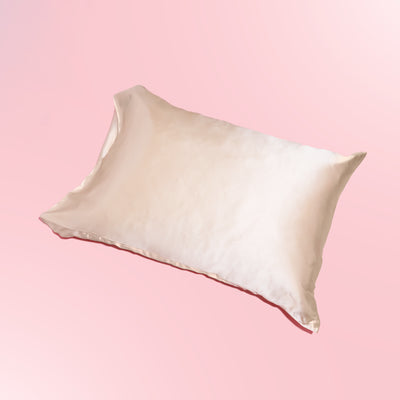
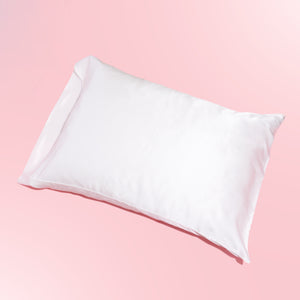
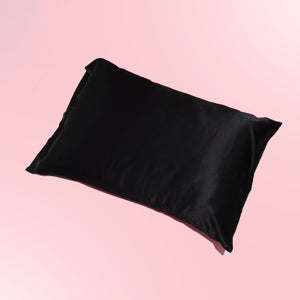
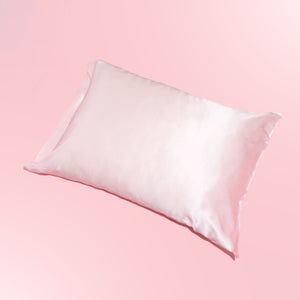
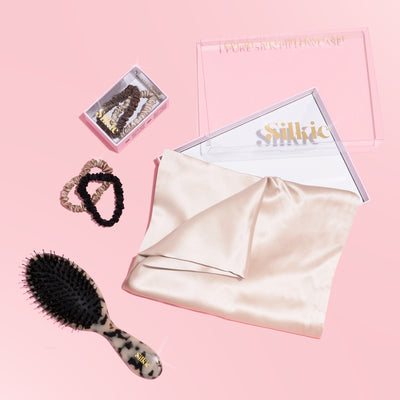
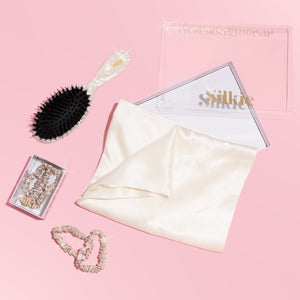
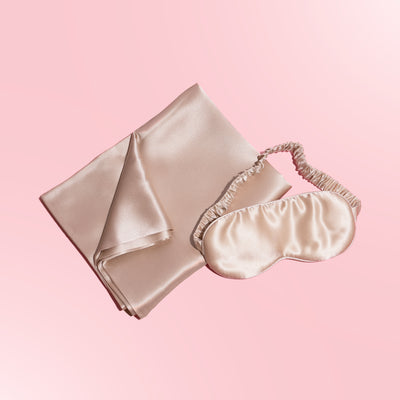
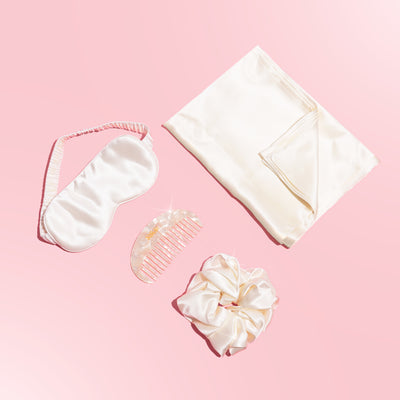
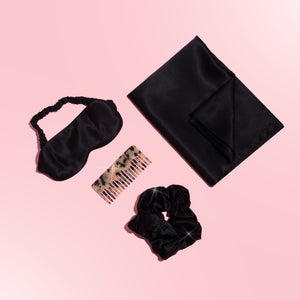
A mulberry silk pillowcase minimizes overnight friction, helping hair retain moisture and elasticity
-
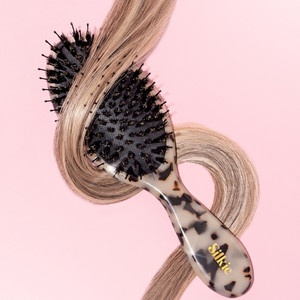
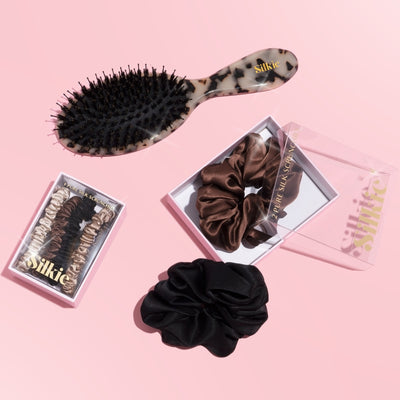
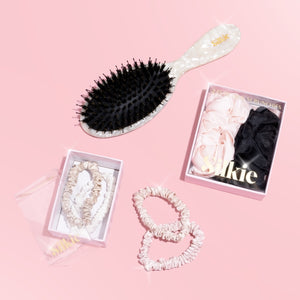
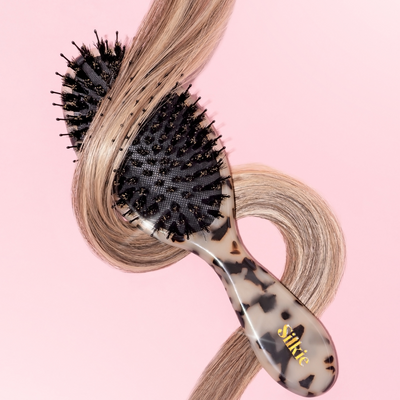
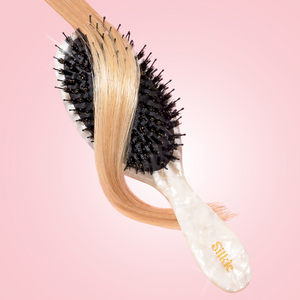
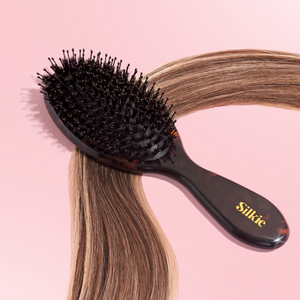
A boar bristle brush smooths the cuticle while redistributing natural oils, supporting strength and shine naturally
-
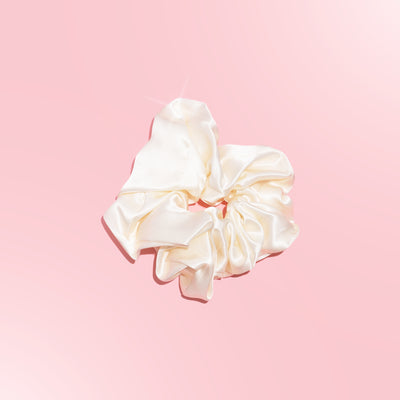
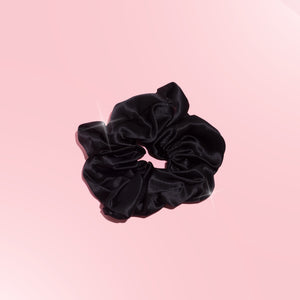
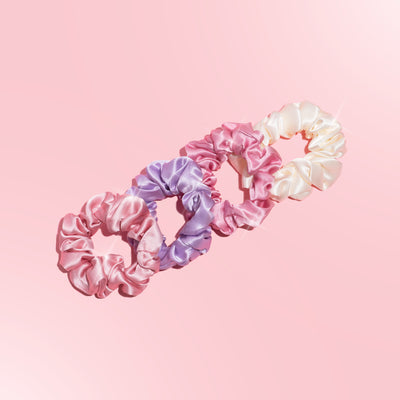
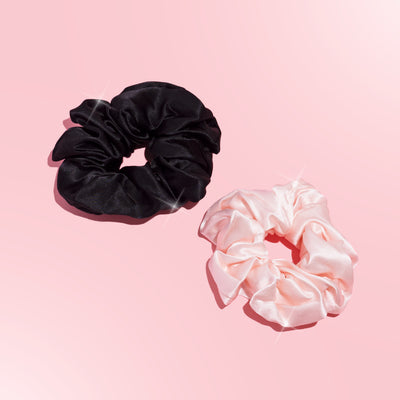
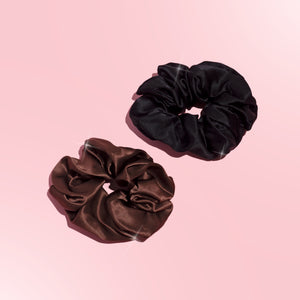
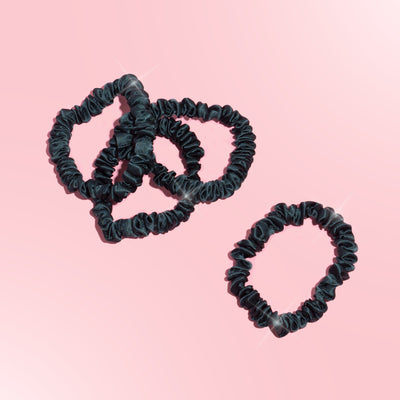
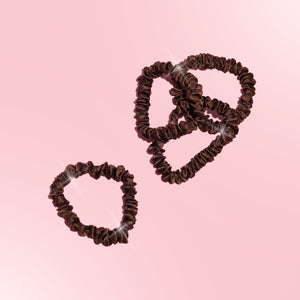
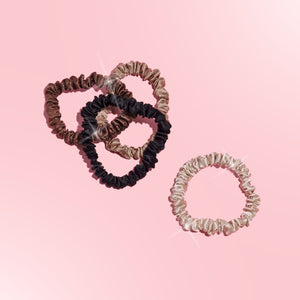
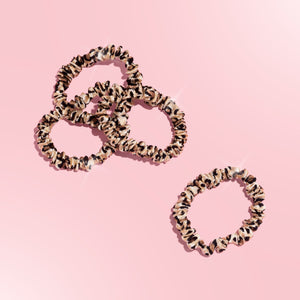
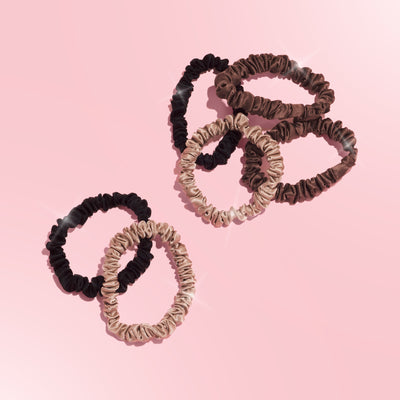
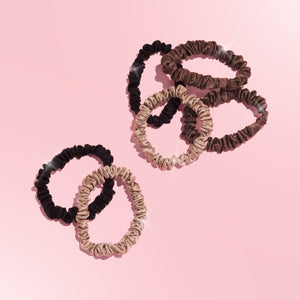
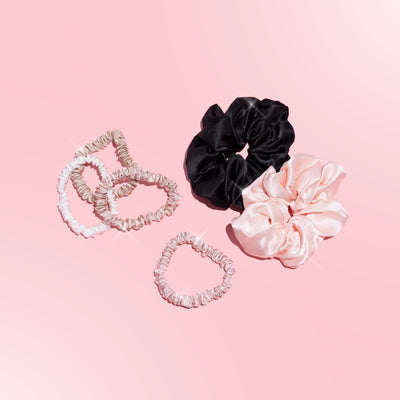
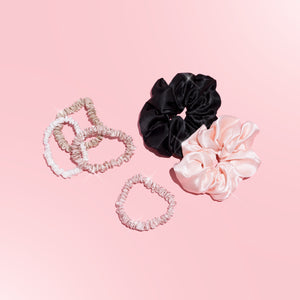
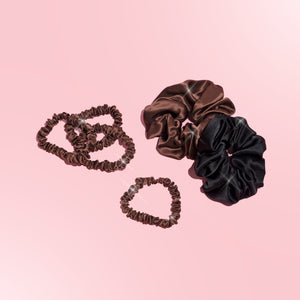
Silk scrunchies hold hair securely without creating tension or creasing
These tools don’t mask damage.
They help prevent it from forming.
Healthy Hair Ages Better
When hair is protected at the surface, it:
-
Breaks less over time
-
Retains length more easily
-
Requires fewer products to look good
This is why truly healthy hair often looks effortless. It doesn’t rely on constant intervention.
Beyond Shine Is Where Haircare Gets Honest
Shine fades by the end of the day.
Strength, elasticity, and integrity last.
When you shift your focus from surface glow to strand health, your routine naturally becomes simpler — and more effective.
That’s where intentional haircare begins.
Protect what actually matters.
Explore silk pillowcases, brushes, and hair accessories designed for long-term hair health at www.shopsilkie.com.
SHOP OUR SILKIE PRODUCTS
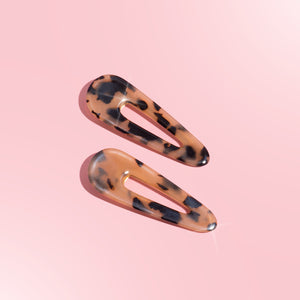
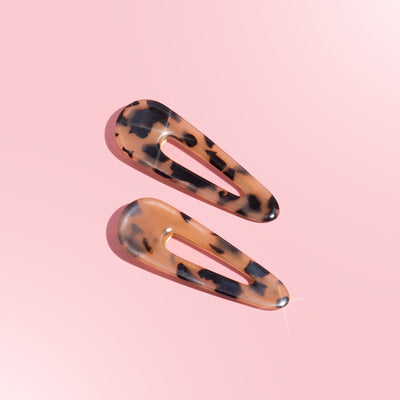
The Hair Slides
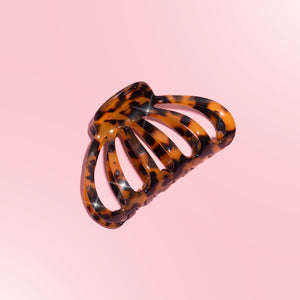
The Acetate Resin Butterfly Claw Clip in Tortoiseshell
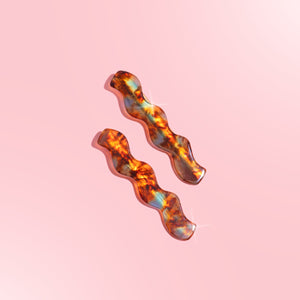
The Wave Hair Slides
Limited Edition Moonstone Comb
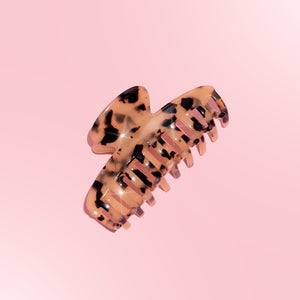
The Classic Claw Clip
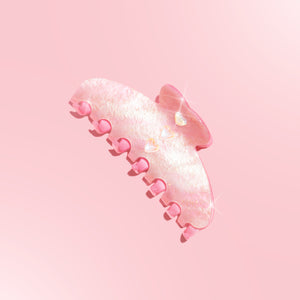
Love Valentine's Acetate Hair Clip

The Detangling Comb
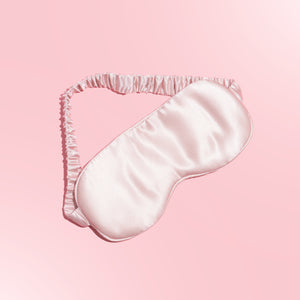
Pure Silk Luxury Eye Mask
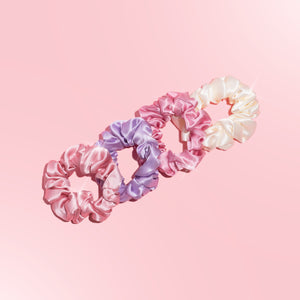
Pure Silk Pastel Scrunchies (Set of 4)
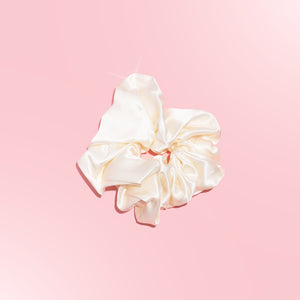
Pure Silk Deluxe Scrunchie
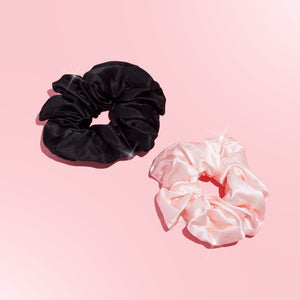
Pure Silk Scrunchies (Set of 2)
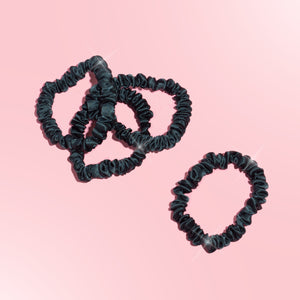
Pure Silk Skinny Scrunchies (Set of 4)
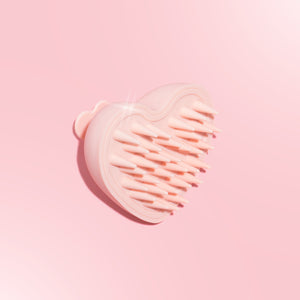
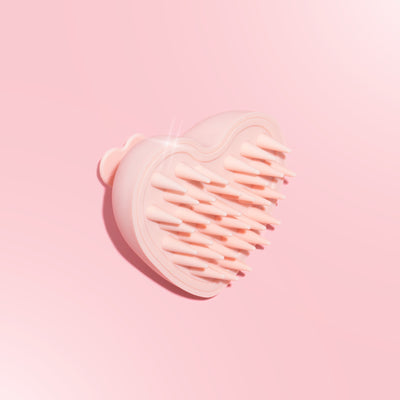
The Scalp Massaging Brush
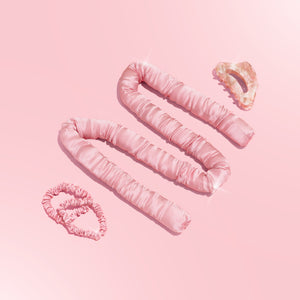
Pure Silk Heatless Curler Set
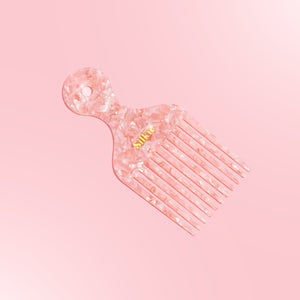
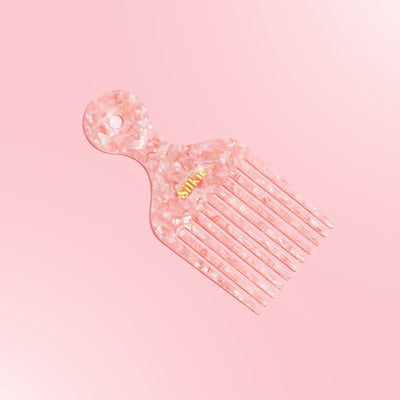
The Hair Pick
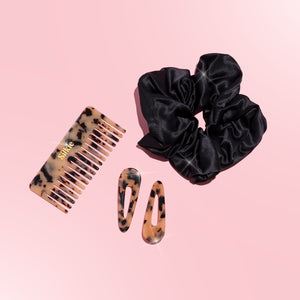
The Silkie Styling Set