

























What Your Hair Can Tell You About Its Changing Needs
Your hair can tell you a lot about what it needs, even when you are not paying close attention. Changes in texture, softness, shine, movement, and manageability can all be signs that your usual haircare routine may need a little adjustment.
Your hair does not stay exactly the same every day. As your hair grows, your lifestyle changes, and your environment shifts, its needs can change too. Learning to notice these small differences can help you create a routine that works with your hair rather than against it.
When Your Hair Starts Feeling Different
One of the easiest ways to recognise changing hair needs is to pay attention to how your hair feels.
Maybe your hair used to feel soft after washing but now feels dry or rough. Perhaps it becomes tangled more easily, feels heavier than usual, or no longer holds the style it once did. These changes do not always mean that something is wrong. They can simply be signs that your hair needs something different.
Your hair may need more moisture, gentler handling, better protection, or simply a change in how you style it.
Instead of constantly adding new products, start by noticing what your hair is already telling you.
Dryness Can Be a Sign to Slow Down
If your hair feels rough, brittle, or less flexible than usual, it may benefit from more gentle care.
Frequent heat styling, tight hairstyles, harsh brushing, and everyday friction can all contribute to hair feeling less smooth over time. This is especially noticeable around the ends, where older hair has experienced more daily wear.
Try being more mindful of how you handle your hair. Use gentle brushing techniques, avoid unnecessary pulling, and give your hair a break from styling when possible.
A softer approach can make your routine feel much easier without requiring a complete change.
When Your Hair Feels Heavy
On the other hand, hair can sometimes feel weighed down rather than dry.
If your hair feels flat, coated, or difficult to style, it may be a sign that your current routine is giving it more than it needs. Using several styling products at once can sometimes leave hair feeling heavy, particularly when products build up between washes.
Pay attention to how your hair feels after using your usual products. If it consistently feels less fresh or flexible, consider simplifying your routine and focusing on the products that your hair responds to best.
Haircare is not always about adding more. Sometimes, it is about finding the right balance.
Your Hair Can Change as It Gets Longer
As your hair grows, the ends naturally become older than the hair closer to your scalp. This means different parts of your hair can have different needs.
The roots may feel fresh and healthy while the ends feel drier or more prone to tangling. This is completely normal and is one reason why paying attention to the ends is important when caring for longer hair.
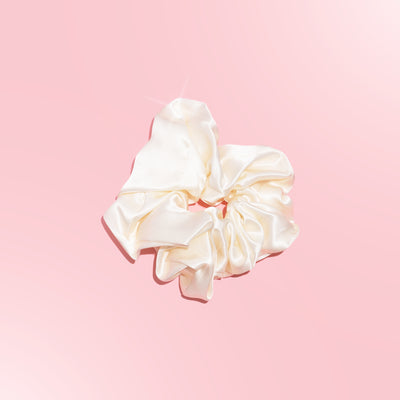
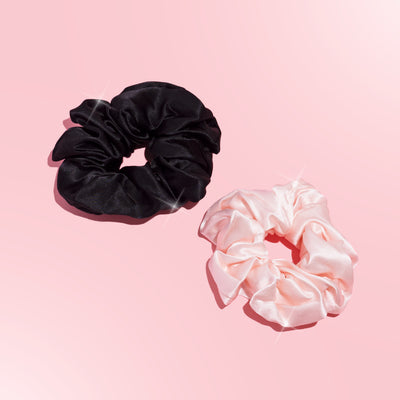
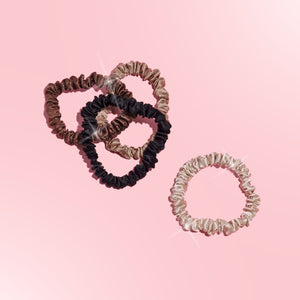
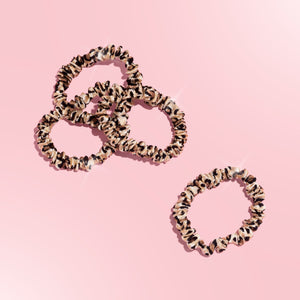
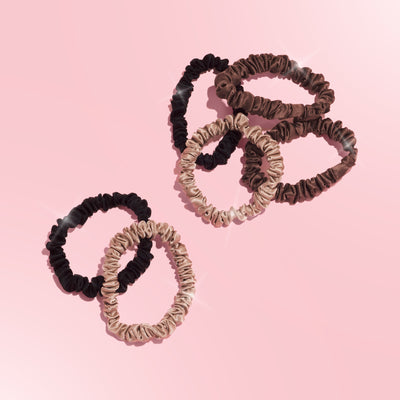
Gentle handling can help minimise unnecessary stress on the lengths. A soft scrunchie, careful brushing, and protective habits can all become useful parts of your routine.
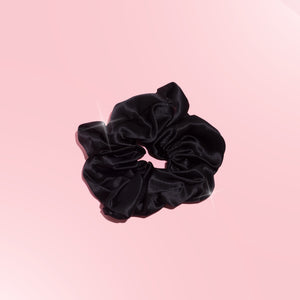
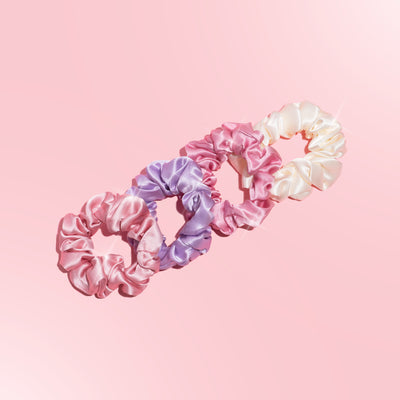
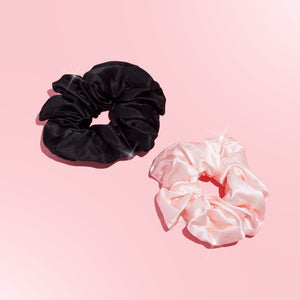
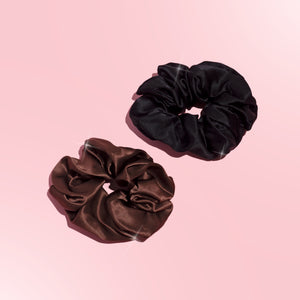
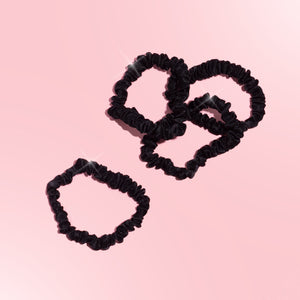
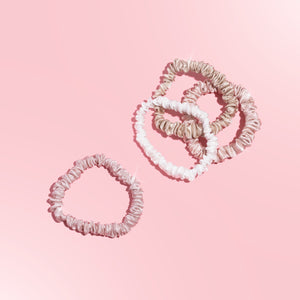
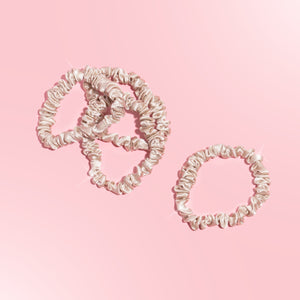
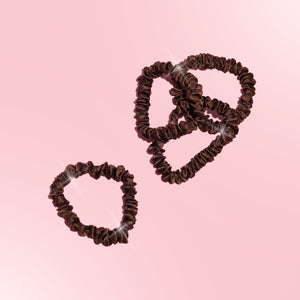
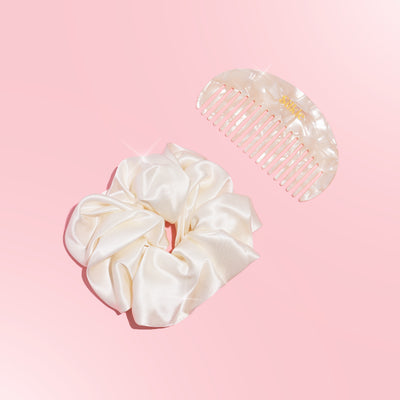
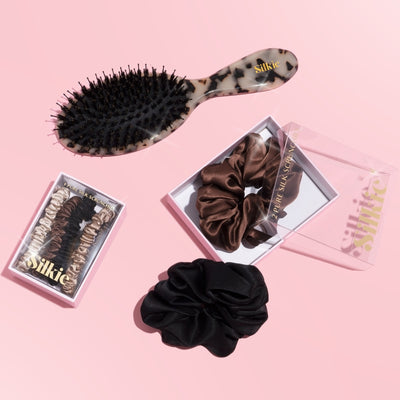
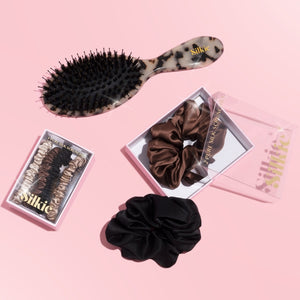
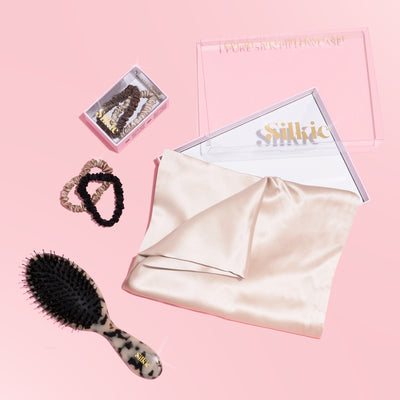
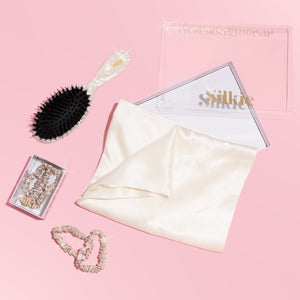
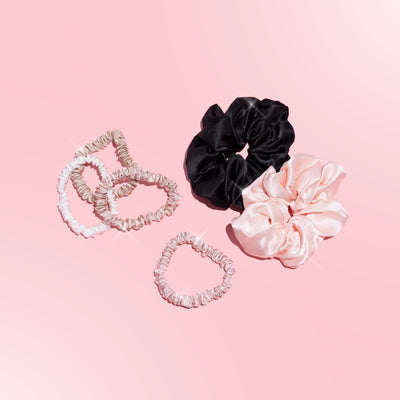
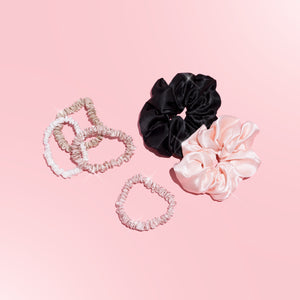
Silkie's 100% Mulberry Silk Scrunchies are a simple option for tying your hair without relying on traditional elastics that can pull or snag.
Your Hair May Need Different Care on Different Days
Your hair does not necessarily need the exact same routine every day.
After a busy day, your hair may need a gentle refresh. After exercising or spending time outdoors, you may want to cleanse it more thoroughly. On another day, your hair may simply need to be left alone and allowed to rest.
Learning to adjust your routine based on how your hair feels can make haircare more practical.
Instead of following a strict routine simply because it worked before, use your hair as a guide.
Pay Attention to How Your Hair Responds
One of the best ways to understand your hair is to notice how it responds to the things you already do.
Does it feel softer after conditioning? Does it become easier to manage after using a certain brush? Does it stay smoother when you avoid tight hairstyles? Does it feel better when you reduce heat styling?
These small observations can help you understand what works for your hair.
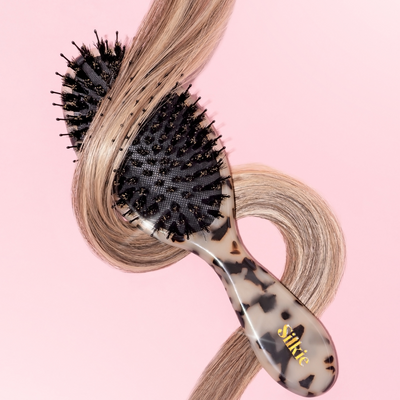
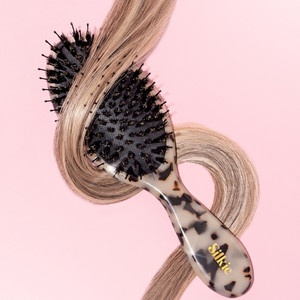
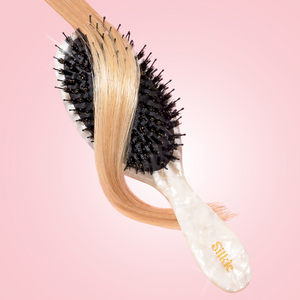
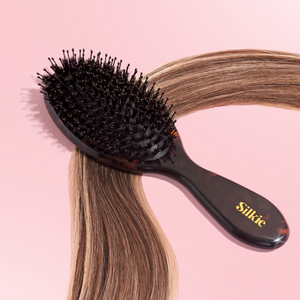
For example, if brushing leaves your hair feeling rough or causes unnecessary pulling, changing your brushing technique or choosing a gentler brush may make a difference. A tool such as the Silkie Ultimate Smoothing Brush can be incorporated into a careful brushing routine when you want to focus on smoother, more controlled styling.
Your Routine Should Grow With Your Hair
Your haircare routine does not need to stay exactly the same forever.
As your hair grows, your styling habits change, and your lifestyle develops, your routine may need to change with it. What worked when your hair was shorter may not work in exactly the same way when it becomes longer.
This does not mean you need an entirely new collection of products. Small adjustments can often be enough.
You might change how often you wash your hair, spend more time caring for your ends, switch to gentler accessories, or become more careful about how you brush.
The goal is not to have a perfect routine. It is to have a routine that makes sense for your hair now.
Let Your Hair Guide You
Your hair often gives you small signals before you realise that your routine needs changing. A little more dryness, extra tangling, less movement, or a different texture can all be useful information.
Rather than treating these changes as problems, use them as a chance to understand your hair better.
The best haircare routine is one that pays attention to what your hair actually needs. Keep things gentle, make changes gradually, and focus on habits that help your hair feel comfortable, manageable, and cared for.
For gentle haircare essentials designed to support your everyday routine, explore Silkie at www.shopsilkie.com.