
















Why the Ends of Your Hair Often Need Different Care
When caring for your hair, it is easy to think of it as one whole thing. You shampoo it, condition it, brush it, and style it as one length. But your roots and ends have very different needs.
The ends of your hair are the oldest part of each strand. They have been exposed to washing, brushing, styling, weather, clothing, and everyday friction for much longer than the newer hair near your scalp.
Because of this, your ends can often feel drier, become tangled more easily, or look different from the rest of your hair.
Giving them a little extra attention does not mean creating a complicated routine. It simply means understanding why they behave differently and handling them accordingly.
Your Ends Are the Oldest Part of Your Hair
Hair grows from the scalp, which means the hair closest to your roots is newer than the hair at the ends.
If your hair is long, the ends may have been around for several years. During that time, they have gone through countless washes, brushing sessions, styling routines, and days spent exposed to the environment.
This naturally makes the ends more likely to show signs of everyday wear.
You may notice that your roots feel smooth while your ends feel slightly rougher. This difference is normal and is one of the main reasons the ends often benefit from more gentle care.
Natural Oils Do Not Always Reach the Ends Easily
Your scalp naturally produces oils that help keep the hair near your roots conditioned.
However, those oils do not always travel easily through the entire length of your hair, especially if you have longer or thicker hair.
This means the ends can sometimes feel drier than the roots.
You may notice that your scalp feels comfortable while your ends need more conditioning or feel less soft after washing.
Instead of applying heavier products everywhere, focus your conditioning care where your hair actually needs it.
The Ends Experience More Daily Friction
Your ends come into contact with more things throughout the day.
They can rub against your clothing, shoulders, scarves, bags, car seats, and bedding. If you have long hair, the ends may also become caught under straps or pressed against surfaces as you move.
This repeated friction can contribute to tangling and make the ends feel less smooth.
Being aware of these small sources of friction can help you handle your hair more gently.
You can also choose hairstyles that keep the ends protected when you know you will be wearing clothing or carrying something that may catch on your hair.
Brushing Can Affect the Ends
The ends are often where tangles begin.
When hair becomes tangled, it can be tempting to start brushing from the roots and pull the brush all the way through. This can place unnecessary pressure on the tangled sections.
Instead, begin at the ends and gradually work your way upwards.
This gives you more control over the tangles and allows you to work through them gradually.
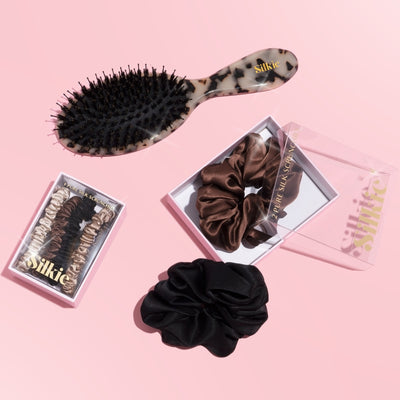
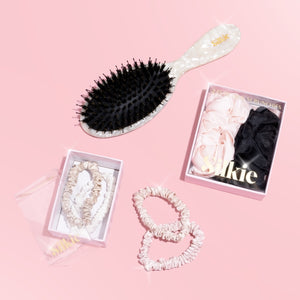
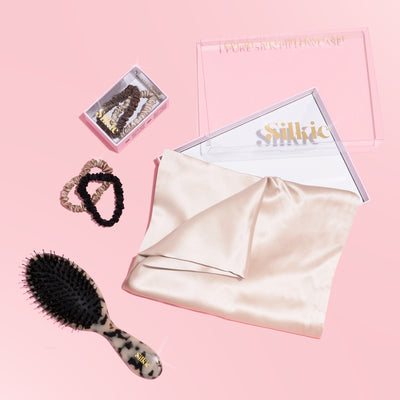
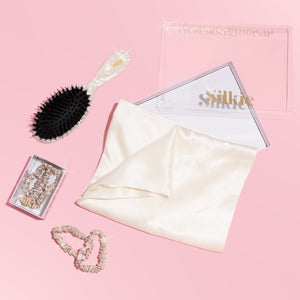
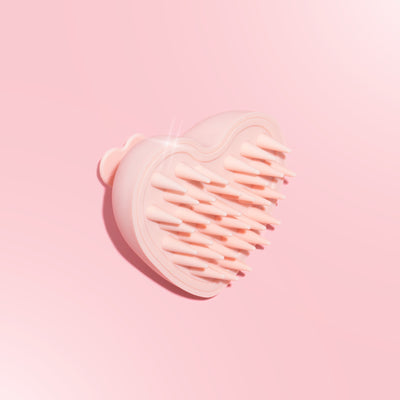
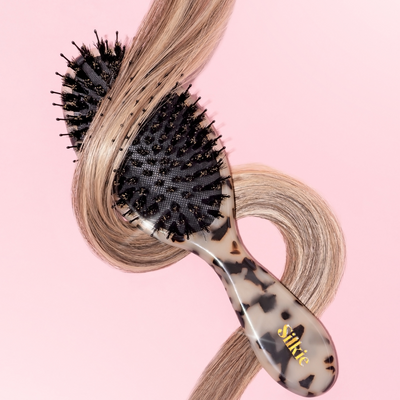
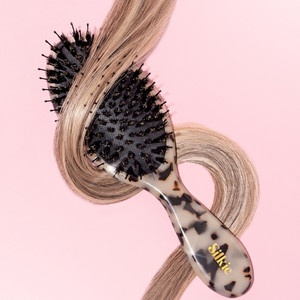
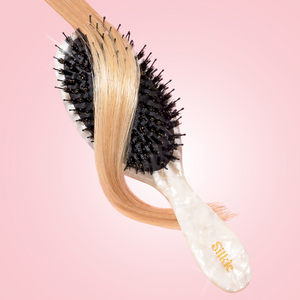
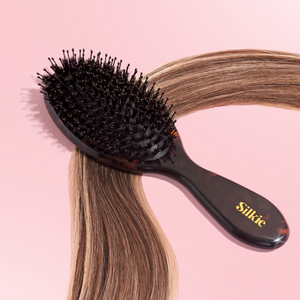
The Silkie Ultimate Smoothing Brush can be incorporated into a gentle brushing routine to help smooth the lengths while you carefully work through any areas that need attention.
Taking a little more time with the ends can make brushing feel much easier.
Your Ends Can Be More Sensitive to Styling
Heat tools, colouring, chemical treatments, and repeated styling can all affect the hair over time.
Because the ends are older, they have generally experienced more of these processes than the newer growth near your scalp.
You may therefore notice that the ends respond differently when you straighten, curl, or style your hair.
If you use heat regularly, pay attention to how your ends feel afterwards. If they become noticeably dry or rough, consider reducing how often you use heated tools or trying heat free styling methods.
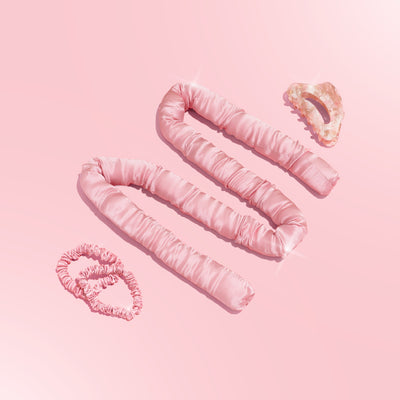
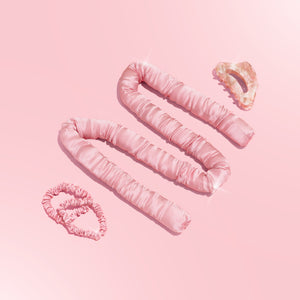
The Silkie Sleep Silk Curling Set can be a useful option when you want to create curls without relying on heated styling tools.
Conditioner Can Be More Important for the Lengths
When washing your hair, your scalp and lengths do not necessarily need the same treatment.
Shampoo is generally focused around cleansing the scalp, while conditioner can be particularly useful through the lengths and ends.
Applying conditioner mainly where your hair feels dry or needs more manageability can help you avoid making the roots feel unnecessarily heavy.
Take time to work the conditioner through the lengths, especially the ends, and rinse thoroughly.
You do not need to use an excessive amount. The right amount depends on your hair's length, thickness, and texture.
The Ends May Need More Gentle Handling
Wet hair can be more difficult to manage, especially when it is tangled.
Rather than pulling through knots or aggressively rubbing the hair with a towel, handle the lengths gently.
After washing, carefully squeeze out excess water instead of roughing up the hair. When detangling, start at the ends and work upwards.
Small habits like these can make a difference because the ends already experience plenty of daily wear.
Gentle handling does not need to take much extra time. It simply means being more intentional with how you treat your hair.
Tight Hairstyles Can Put Pressure on the Ends
The way you tie your hair can also affect the ends.
A tight ponytail or bun can place repeated pressure on the same sections of hair. When you remove the accessory, you may also notice bends or tangles around the lengths.
Alternating between different hairstyles can help avoid repeatedly stressing the same areas.
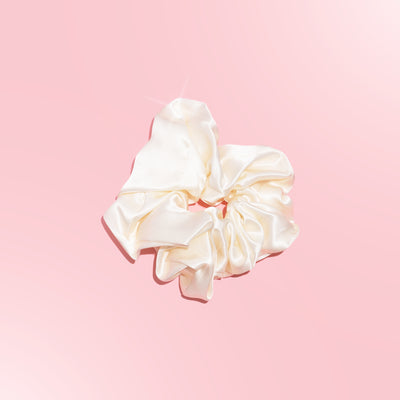
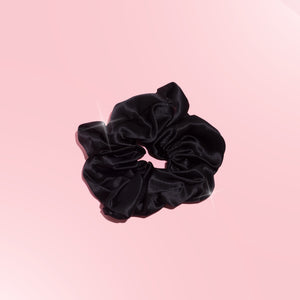
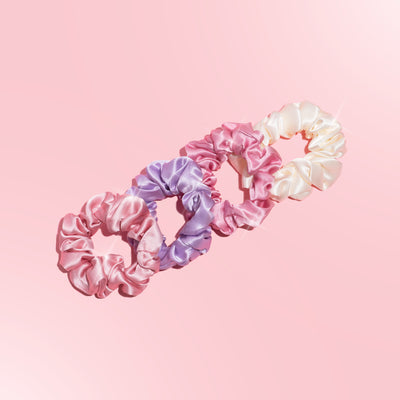
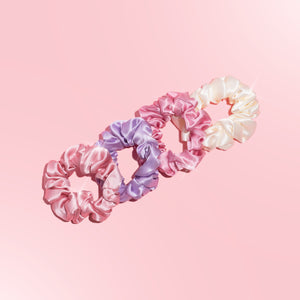
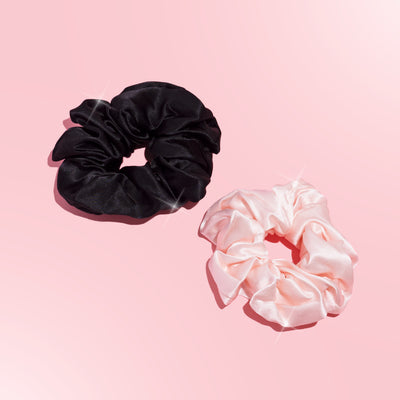
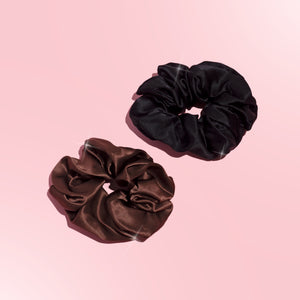
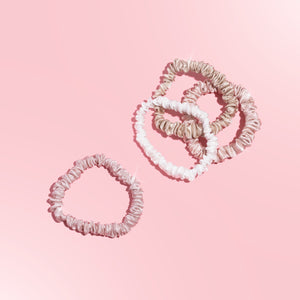
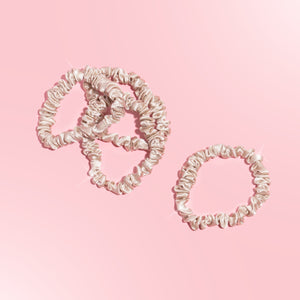
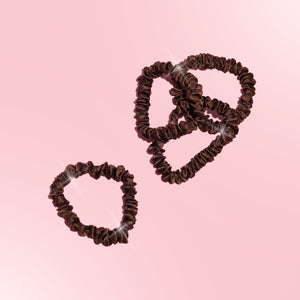
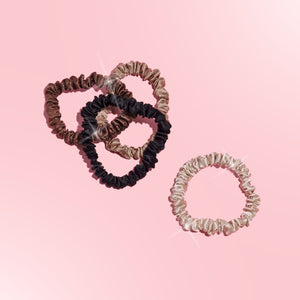
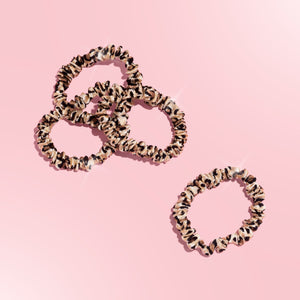
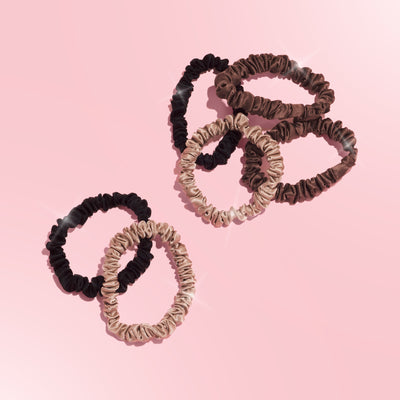
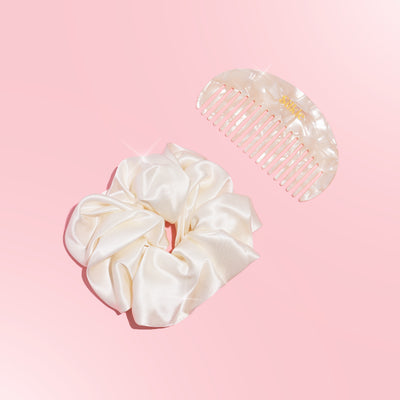
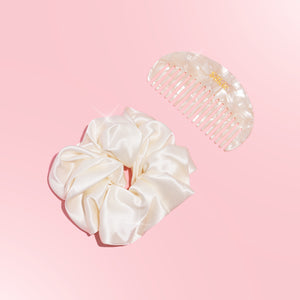
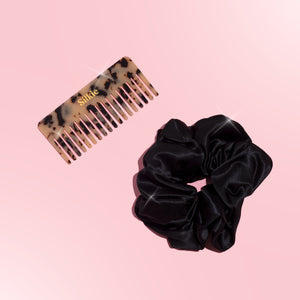
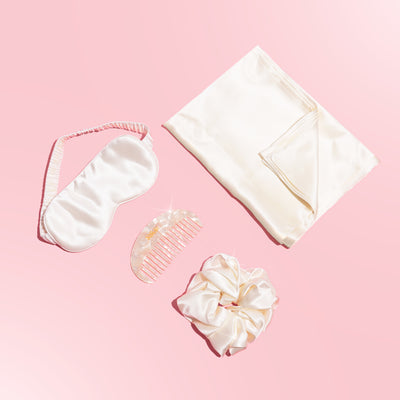
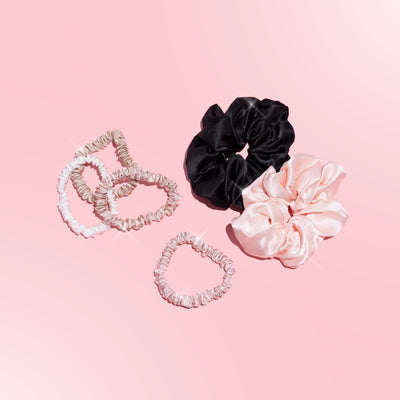
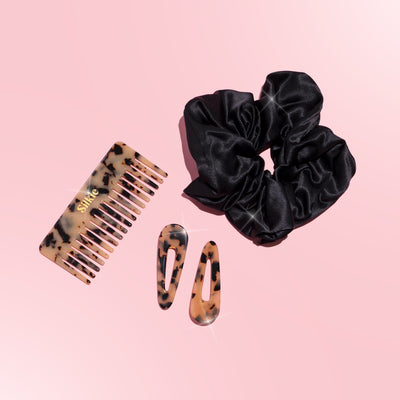
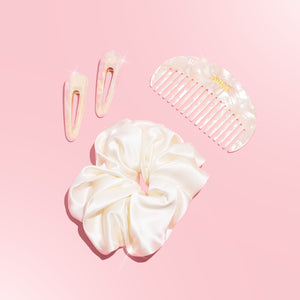
Silkie's 100% Mulberry Silk Scrunchies can be used to create loose ponytails, relaxed buns, and other everyday styles.
Choosing a comfortable way to secure your hair can make a difference, especially if you wear your hair tied up for several hours at a time.
Your Sleeping Habits Matter Too
Your hair continues to experience friction while you sleep.
As you move during the night, your ends can rub against your pillow and become tangled underneath you.
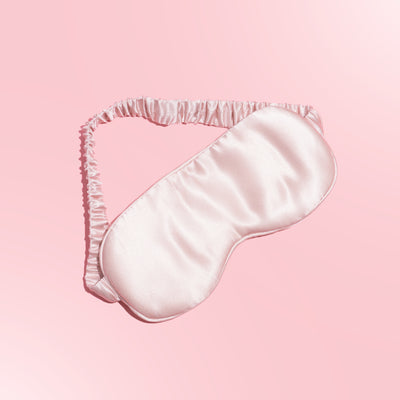
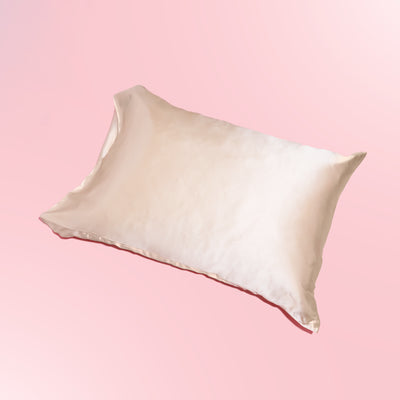
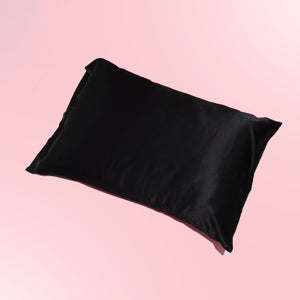
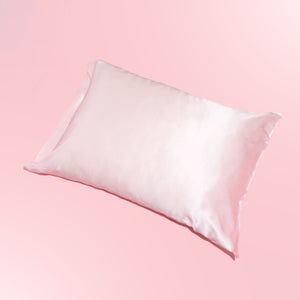
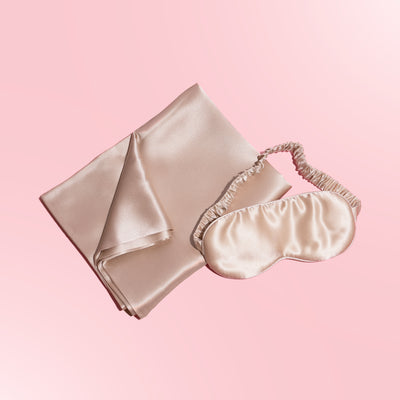
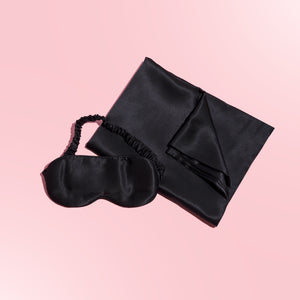
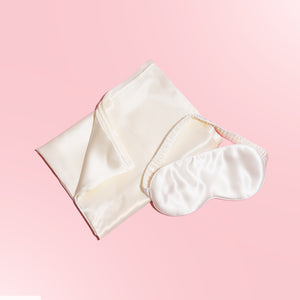
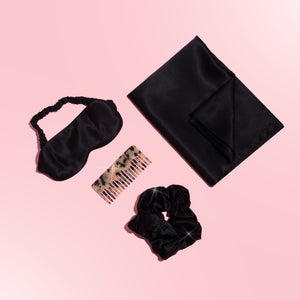
A Dreamy Mulberry Silk Pillow Case can be a useful addition to a night time haircare routine. Its smooth surface provides a comfortable sleeping surface and can complement other gentle hair habits.
You can also loosely secure longer hair before bed if you find that it becomes tangled while you sleep.
For those who enjoy overnight styling, the Silkie Sleep Silk Curling Set can also help you create curls without heat while you rest.
The Ends May Look Different From the Rest of Your Hair
Because the ends have experienced more wear, they may not always have the same appearance as the rest of your hair.
They may look slightly less shiny, feel rougher, or have more visible texture.
This does not automatically mean your hair is unhealthy.
It simply means the ends have had more time to experience everyday exposure.
Pay attention to changes rather than comparing your ends with your roots. Your goal is not necessarily to make every section feel identical, but to keep the lengths manageable and comfortable.
Avoid Overloading the Ends With Product
When the ends feel dry, you might instinctively add more oil, serum, cream, or leave in conditioner.
While these products can be useful, applying too much can leave the ends feeling heavy or coated.
Start with a small amount and see how your hair responds.
If your ends feel soft and manageable, there may be no need to keep adding product throughout the day.
Finding the right balance can help you care for dryness without creating another problem.
Protect Your Ends During Everyday Activities
Some of the most useful haircare habits happen outside your usual routine.
If you are wearing a backpack or shoulder bag, notice whether your hair gets caught underneath the straps. If you are wearing a scarf or high collar, check whether your ends are rubbing against the fabric.
When exercising, you may prefer to secure longer hair comfortably so it does not repeatedly rub against your clothing.
These small adjustments can help reduce unnecessary handling and friction throughout the day.
Regular Trims Can Help You Manage Your Ends
Haircare is not only about products and styling.
If your ends have become very difficult to manage, a trim can help remove sections that are no longer easy to work with.
You do not have to cut off a large amount of length to care for your ends. The amount you trim is a personal choice based on your hair goals and how your ends currently feel.
Regular trims can also help you maintain the shape of your hairstyle as your hair grows.
Pay Attention to What Your Ends Are Telling You
Your ends can give you useful information about how your hair is responding to your routine.
If they constantly feel dry, think about your washing, conditioning, heat styling, and everyday handling habits.
If they tangle easily, consider your brushing technique, hairstyles, and sources of friction.
If they feel coated or heavy, look at how much product you are using.
You do not need to change everything at once. Simply noticing patterns can help you understand what your ends need.
Give Your Ends the Extra Attention They Deserve
Your roots and ends are part of the same head of hair, but they have not had the same experience.
The ends have been exposed to more washing, styling, friction, weather, and everyday handling. That is why they often need more careful attention.
Gentle brushing, thoughtful conditioning, comfortable hairstyles, and suitable night time care can all support easier management.
You do not need a complicated routine to look after your ends. Small, consistent habits can make everyday haircare feel much more manageable.
Most importantly, remember that your ends do not have to behave exactly like your roots.
They are older, more exposed, and naturally more likely to need extra care. Once you understand that difference, it becomes easier to work with your hair rather than expecting every section to respond in the same way.
For thoughtful haircare and everyday styling essentials designed to support your hair from root to tip, explore Silkie at www.shopsilkie.com.