







How Daily Hairstyles Impact Hair Health Over Time
The hairstyles you choose every day do more than change your look—they quietly shape your hair’s long-term health. Repeated tension, friction, and styling patterns can gradually influence breakage, thinning, frizz, and overall manageability. While one hairstyle won’t make a big difference, consistent daily habits absolutely can.
Why Hairstyles Have a Long-Term Effect on Hair
Hair is sensitive to repeated mechanical stress.
Every time you style your hair, you introduce:
- Tension on the roots
- Pressure along the hair shaft
- Friction between strands and accessories
- Repeated stress on the same areas
Over time, these small forces accumulate and begin to affect hair strength and texture.
Tight Hairstyles and Constant Tension
Hairstyles that pull tightly on the hair may look sleek, but they create ongoing stress.
Common tight styles include:
- High ponytails
- Tight buns
- Slick-back styles
- Firm braids
When worn regularly, these can lead to:
- Breakage around the hairline
- Weakening of strands at the root
- Headache-level scalp tension
- Long-term thinning in high-stress areas
Even if the style feels “normal,” the hair is still under constant load.
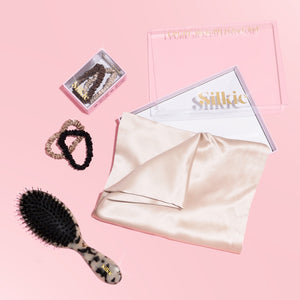
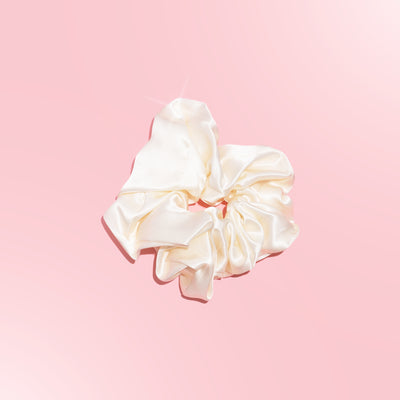
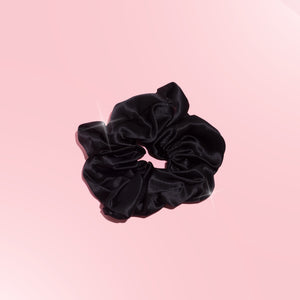
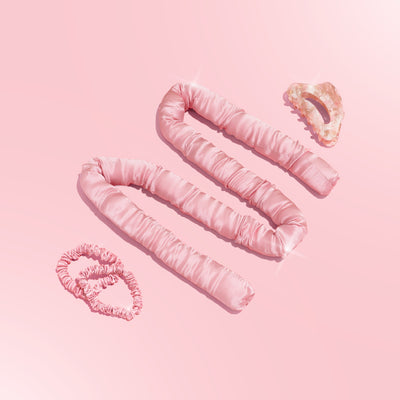
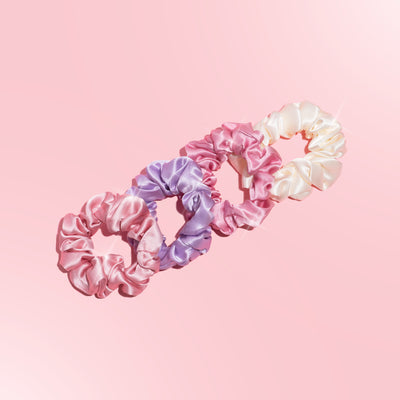
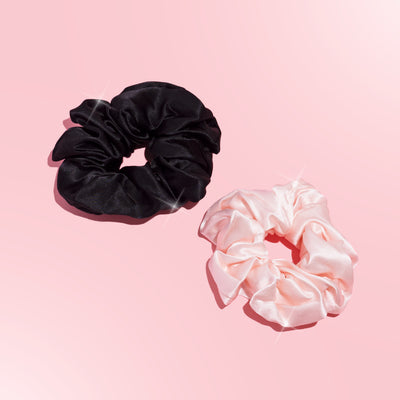
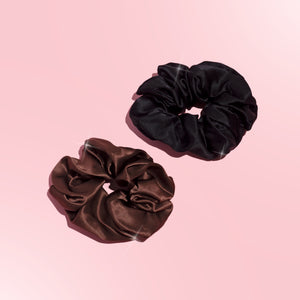
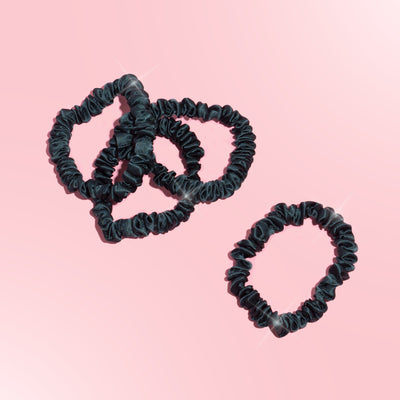
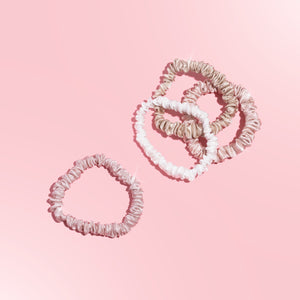
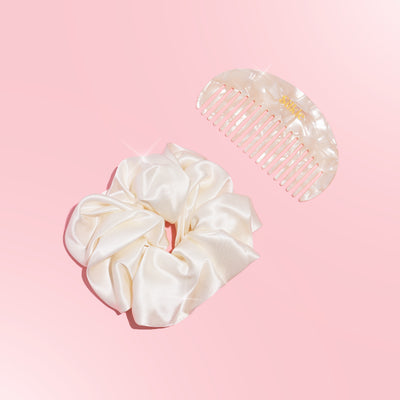
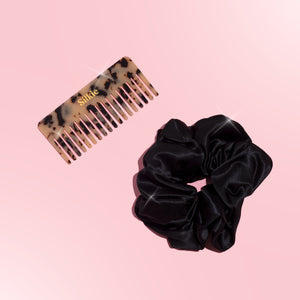
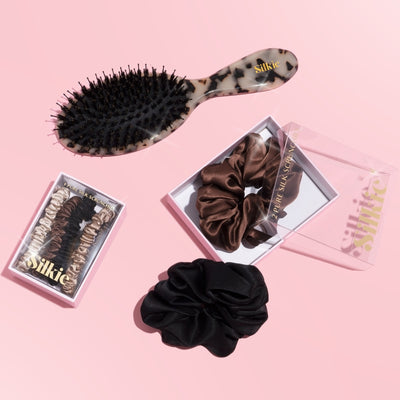
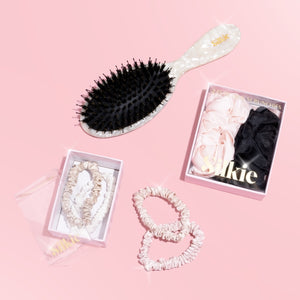
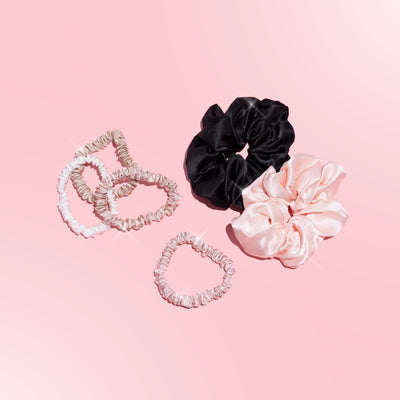
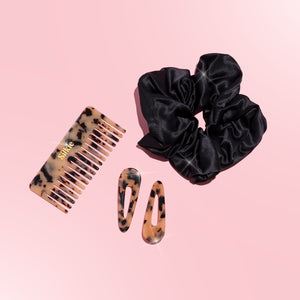
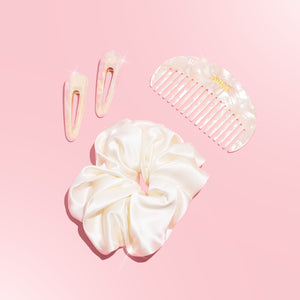
Silkie’s silk scrunchies help reduce this tension by distributing pressure more evenly compared to traditional elastics, making everyday styling gentler on the hair.
Repeated Stress on the Same Areas
One of the most overlooked issues is repetition.
If you always tie your hair:
- In the same spot
- With the same tightness
- Using the same type of elastic
You create localized stress points.
Over time, these areas become more prone to:
- Breakage
- Weakness
- Thinning
- Reduced elasticity
Hair health is not only about what you do—it’s about where you do it repeatedly.
Friction From Hairstyles Over Time
Hairstyles also create friction between:
- Strands rubbing against each other
- Hair and accessories
- Hair and clothing
This can lead to:
- Cuticle wear
- Frizz buildup
- Increased tangling
- Loss of smoothness
Even protective styles can cause friction if they’re too tight or poorly secured.
How Loose Styles Support Healthier Hair
Looser hairstyles allow hair to move more naturally, reducing stress buildup.
Examples include:
- Loose braids
- Low buns
- Soft ponytails
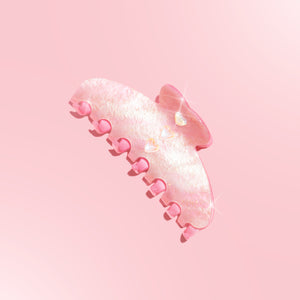
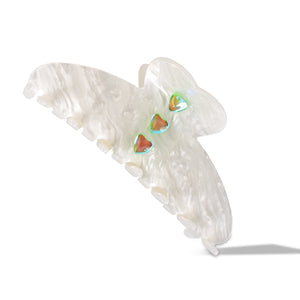
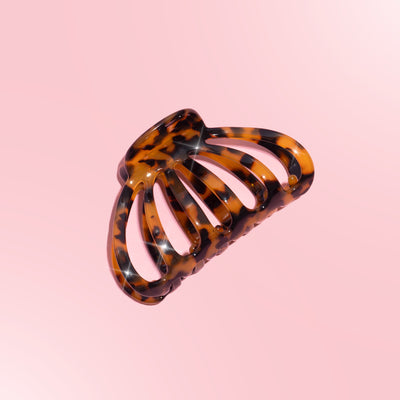
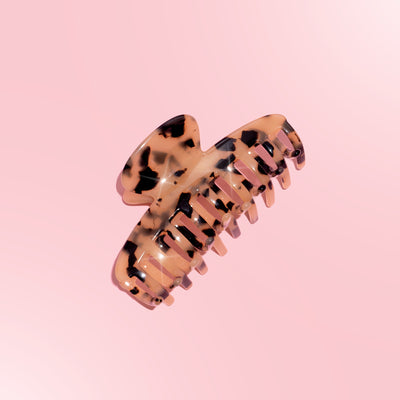
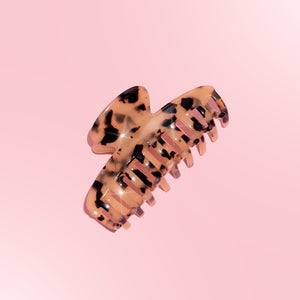
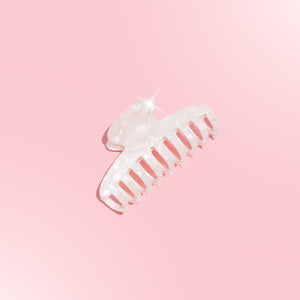
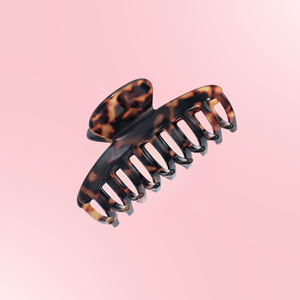
- Claw clip styles
These reduce tension while still keeping hair controlled and out of the way.
Silkie’s silk scrunchies are especially useful here because they secure hair without the harsh pulling associated with standard elastics.
The Hidden Damage From Everyday “Convenience Styling”
Many daily hairstyles are chosen for speed and practicality, such as:
- Quick ponytails
- Tight clips used all day
- Reusing the same tie repeatedly
While convenient, these habits often create low-level but constant stress on the hair.
This is where damage builds silently over time.
Why Hairline Damage Happens First
The hairline is often the first area to show stress from hairstyles.
This is because:
- It experiences the most tension
- Strands are finer and more fragile
- Styles pull directly from this area
Over time, you may notice:
- Short broken hairs
- Receding edges
- Increased sensitivity
Reducing tension here is one of the most important preventive steps.
How Hairstyles Affect Curl Patterns
For curly and coily hair, daily styling can directly influence definition.
Tight or repetitive styling can:
- Stretch curls out of shape
- Disrupt natural curl clumps
- Increase frizz when released
- Change how curls form over time
Gentler styling helps preserve natural texture between wash days.
Why Switching Accessories Makes a Difference
Not all hair tools interact with hair the same way.
Traditional elastics:
- Create tight pressure points
- Increase breakage risk
- Leave dents and marks
Silk-based accessories, like Silkie’s silk scrunchies, reduce these effects by:
- Distributing tension more evenly
- Minimizing pulling at a single point
- Allowing more flexible hold
This small change can significantly reduce long-term stress.
The Role of Consistency in Hair Changes
Hair doesn’t react to one hairstyle—it reacts to repeated habits.
Over time, daily styling choices influence:
- Strength retention
- Overall smoothness
- Breakage patterns
- Ease of detangling
Even small improvements in daily styling can lead to noticeable differences over months.
Building a Lower-Stress Styling Routine
Healthier hair doesn’t require giving up styling—it requires adjusting how it’s done.
A lower-stress routine includes:
- Alternating hairstyle positions
- Avoiding overly tight styles
- Using gentler accessories
- Reducing repeated tension points
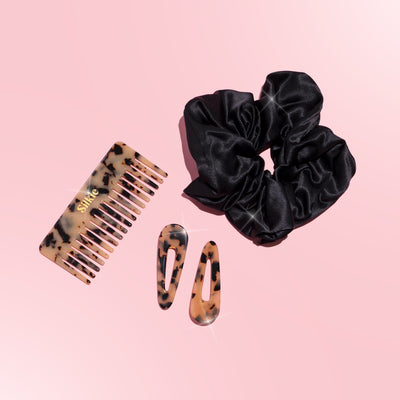
Silkie’s silk scrunchies and gentle hair tools support this approach by reducing unnecessary strain during everyday styling.
Why Small Styling Changes Matter Long-Term
Hair damage from styling is rarely immediate. It builds gradually through repetition.
Reducing stress in daily hairstyles can help:
- Improve length retention
- Reduce breakage
- Maintain smoother texture
- Preserve natural volume and movement
The benefits come from consistency, not perfection.
Create Healthier Styling Habits With Silkie
Daily hairstyles play a bigger role in hair health than most people realize. By reducing tension, friction, and repetitive stress, you can protect your hair while still enjoying versatile styling.
Silkie’s silk scrunchies and gentle hair tools are designed to make everyday styling softer, safer, and more sustainable for long-term hair health.
Explore the full collection at www.shopsilkie.com and upgrade the way you style your hair every day.
SHOP OUR SILKIE PRODUCTS

Individual Silkie scrunchie (Colour may vary)
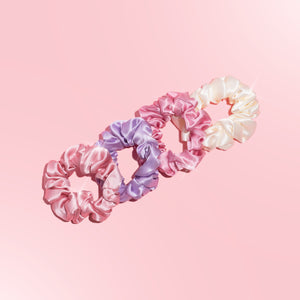
Pure Silk Pastel Scrunchies (Set of 4)
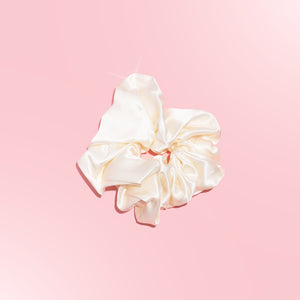
Pure Silk Deluxe Scrunchie
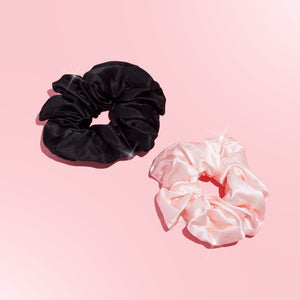
Pure Silk Scrunchies (Set of 2)
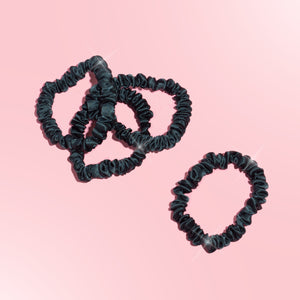
Pure Silk Skinny Scrunchies (Set of 4)
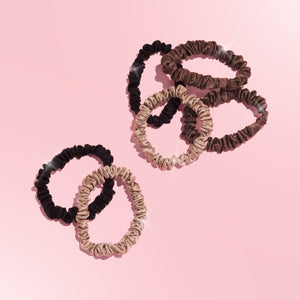
Pure Silk Skinny Scrunchies - Set of 6
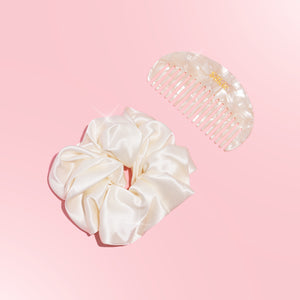
Silkie Styling Duo – Acetate Comb & Deluxe Scrunchie
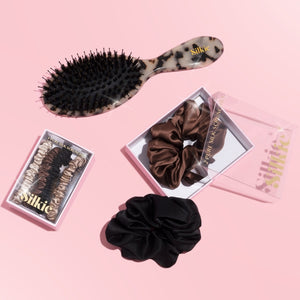
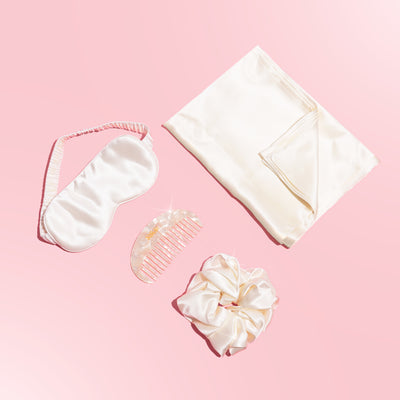
Smoothing Essential Set