













How Hair Porosity Can Influence Your Daily Hair Routine
Not all hair responds to products, moisture, and styling in the same way. One factor that can influence your haircare routine is porosity, or how easily your hair absorbs and holds onto moisture. Understanding whether your hair is low, medium, or high porosity can help you make more thoughtful choices about products, washing, detangling, and daily care. While porosity isn't the only thing that determines what your hair needs, knowing how your hair behaves can help you create a routine that's easier to maintain.
What Is Hair Porosity?
Hair porosity refers to how easily your hair takes in and retains moisture.
It's generally described in three categories:
- Low porosity: Hair tends to resist absorbing moisture and may take longer to become fully saturated.
- Medium porosity: Hair typically absorbs and retains moisture relatively well.
- High porosity: Hair tends to absorb moisture quickly but may also lose it more easily.
Porosity can be influenced by your natural hair structure as well as things like chemical processing and heat exposure.
Why Porosity Matters in Your Routine
Understanding how your hair behaves can help you avoid using the same routine simply because it works for someone else.
For example, low-porosity hair may become weighed down by too many heavy products, while high-porosity hair may benefit from routines that focus more on moisture retention and protecting the hair's surface.
Your routine should respond to what your hair actually needs rather than following a one-size-fits-all approach.
Low-Porosity Hair May Need a Lighter Approach
Low-porosity hair can sometimes feel like products sit on the surface instead of absorbing easily.
If this sounds familiar, consider:
- Using lighter products
- Avoiding excessive product layering
- Cleansing regularly enough to prevent buildup
- Giving products time to work rather than repeatedly adding more
The goal is to keep hair moisturized without leaving it feeling heavy or coated.
Medium-Porosity Hair Is Often Easier to Balance
Medium-porosity hair generally absorbs and retains moisture without requiring as much adjustment.
A balanced routine may include:
- Regular cleansing
- Appropriate conditioning
- Gentle detangling
- Heat protection when styling
- Consistent overnight care
The key is maintaining what works rather than constantly changing your routine.
High-Porosity Hair Benefits From Protection
High-porosity hair can lose moisture more easily, particularly when the hair's outer layer has been affected by chemical processing, heat, or environmental stress.
Gentle habits can help protect the hair from additional wear.
Consider:
- Limiting excessive heat
- Avoiding unnecessary manipulation
- Detangling carefully
- Using conditioning products suited to your hair
- Reducing friction during sleep
Protective habits are especially important when you're trying to retain moisture and length.
Detangling Should Be Gentle Regardless of Porosity
No matter your hair's porosity, aggressive brushing can create unnecessary mechanical stress.
Instead:
- Divide your hair into sections.
- Start at the ends.
- Work gradually toward the roots.
- Avoid forcing through difficult knots.
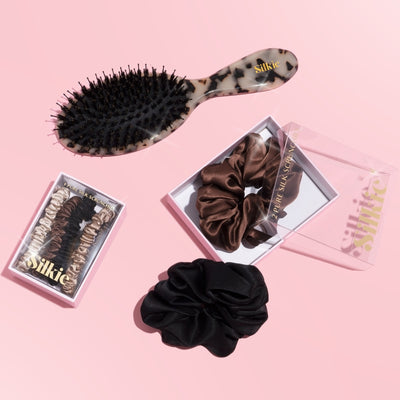
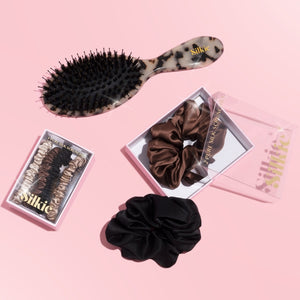
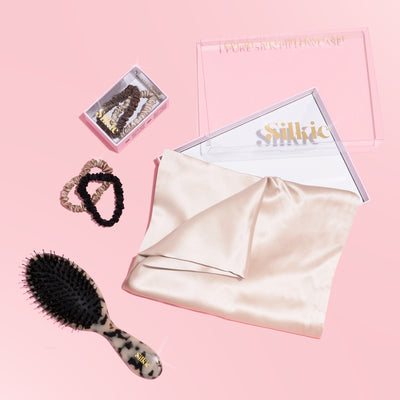
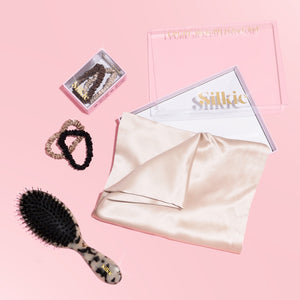
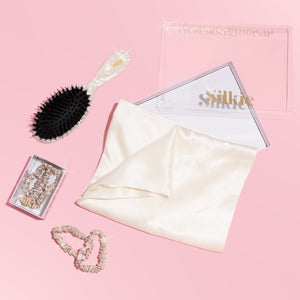
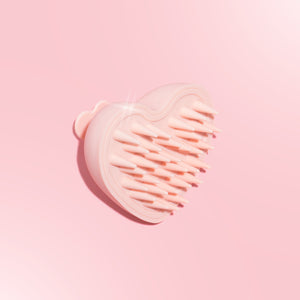
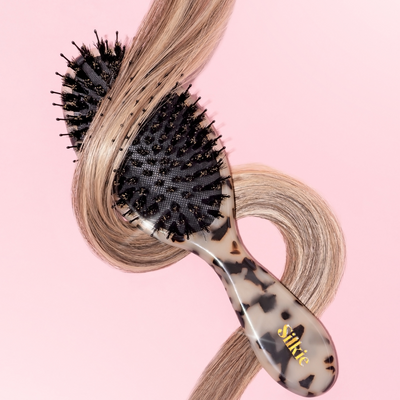
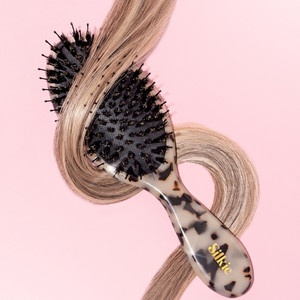
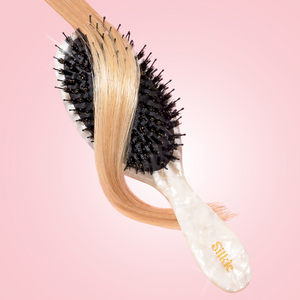
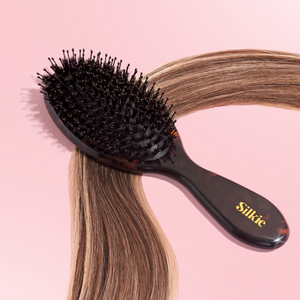
Silkie's hair brush is designed for gentle daily detangling, helping minimize unnecessary pulling while making your routine easier to manage.
Your Hair's Texture Matters Too
Porosity doesn't exist in isolation.
Your hair's texture and pattern also influence how you should care for it.
Straight, wavy, curly, and coily hair can all have different porosity levels, meaning two people with the same hair texture may still need different routines.
Pay attention to how your hair responds rather than relying solely on a porosity category.
Reduce Friction as Part of Your Routine
Regardless of porosity, minimizing unnecessary friction can help support healthier-looking hair.
Your strands experience friction from:
- Pillowcases
- Towels
- Clothing
- Brushes
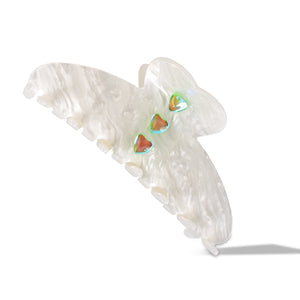
- Hair accessories
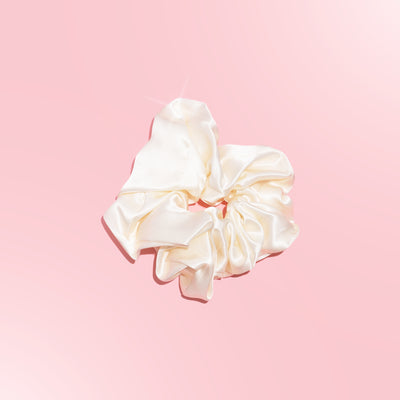
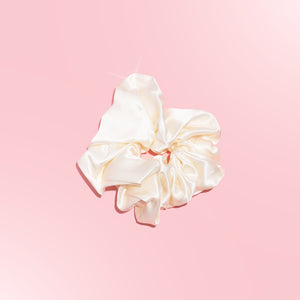
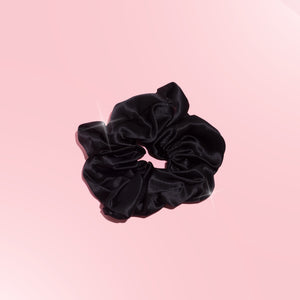
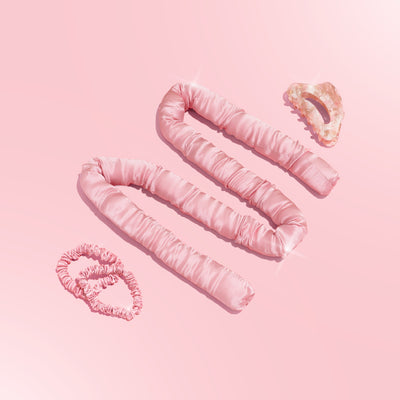
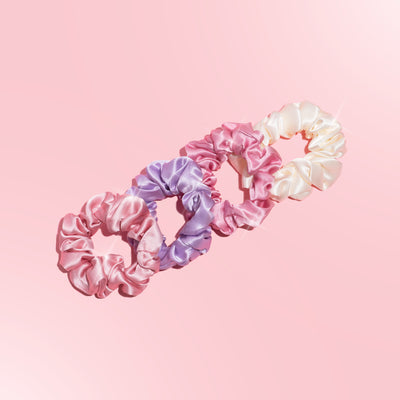
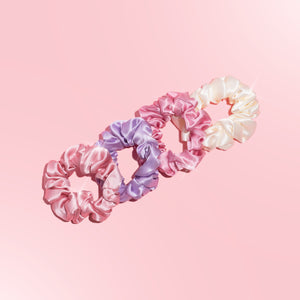
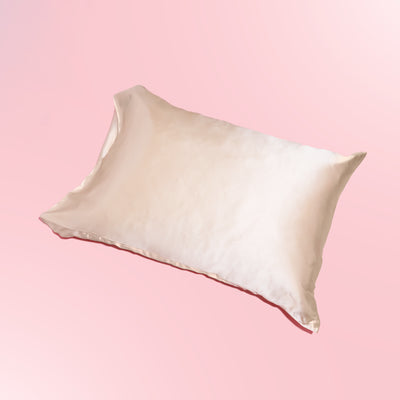
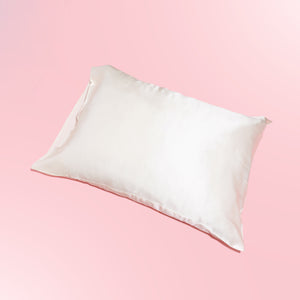
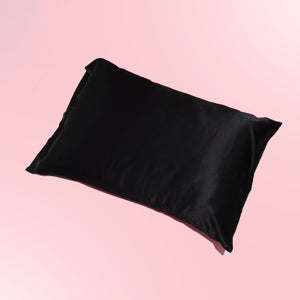
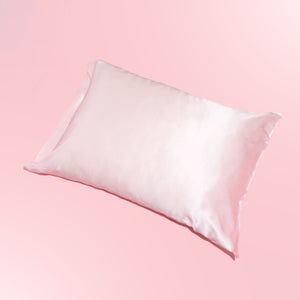
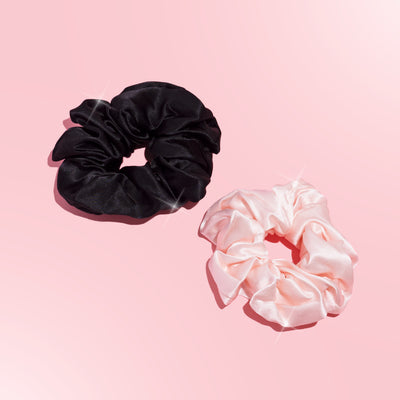
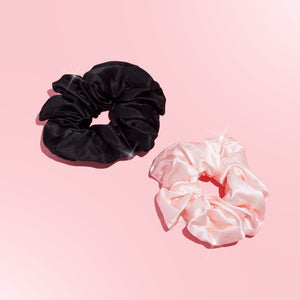
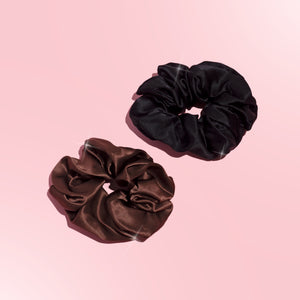
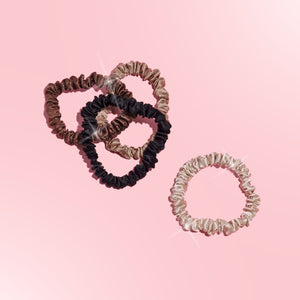
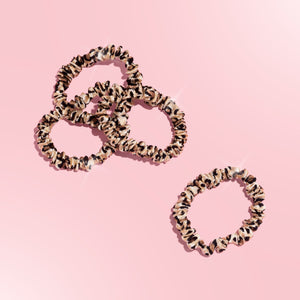
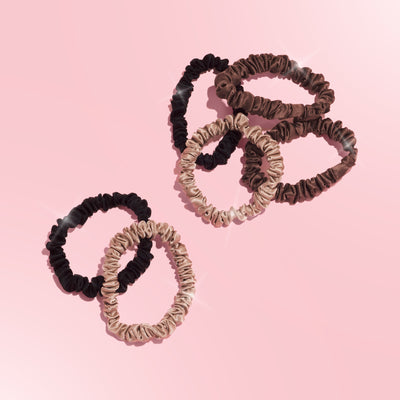
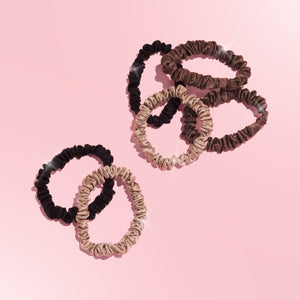
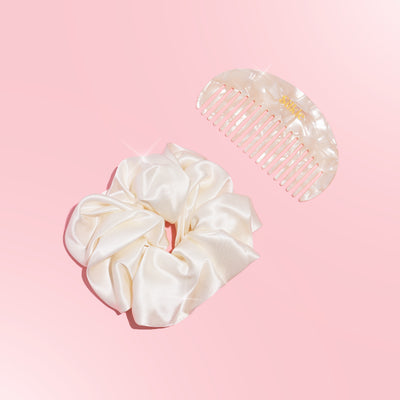
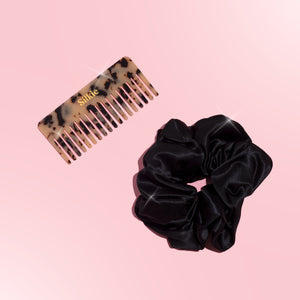
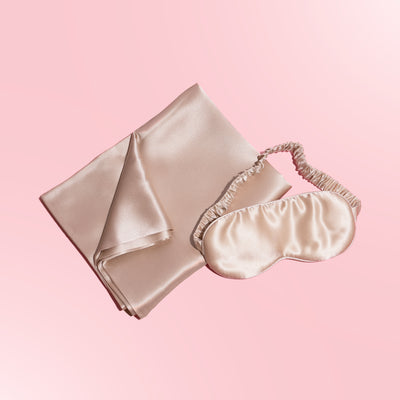
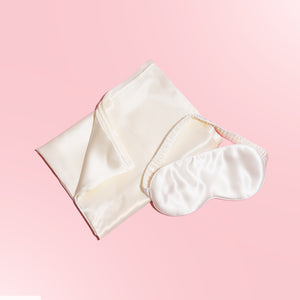
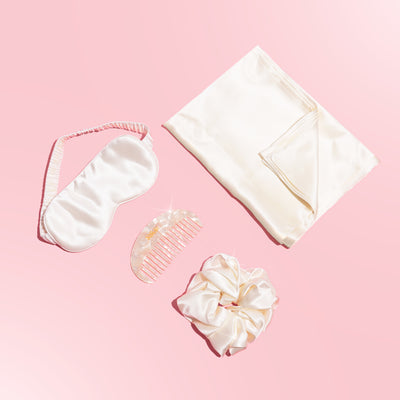
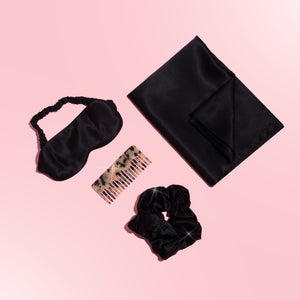
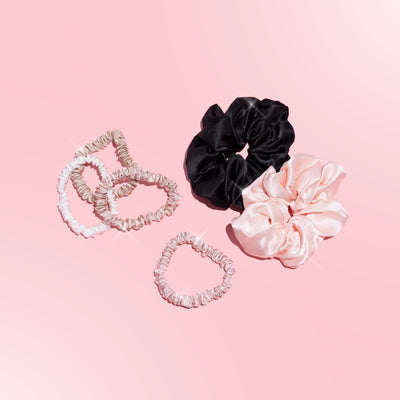
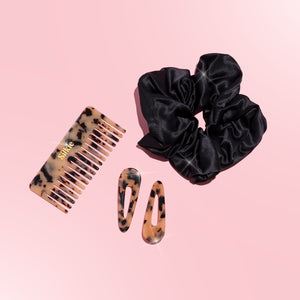
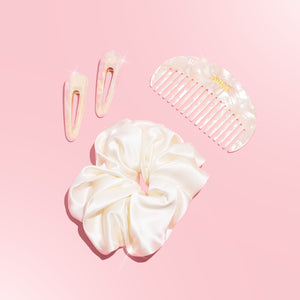
Silkie's mulberry silk pillowcases provide a smooth sleeping surface that helps reduce overnight friction, while silk scrunchies offer a softer way to secure your hair throughout the day.
Be Careful With Product Buildup
Porosity can influence how your hair responds to products, but buildup can affect every hair type.
If your hair starts feeling:
- Heavy
- Coated
- Dull
- Difficult to style
it may be worth reassessing how much product you're using and whether your cleansing routine is effectively removing buildup.
More product isn't always the answer.
Don't Let a Porosity Test Define Your Entire Routine
Hair porosity can be useful as a general guide, but it shouldn't dictate every decision you make.
Your hair's condition can change depending on:
- Weather
- Styling habits
- Chemical treatments
- Heat exposure
- Product use
- Washing frequency
Instead of following a strict formula, use porosity as one piece of information when figuring out what works best for your hair.
Build a Routine Around Your Hair's Needs
The most effective haircare routine is one that responds to your individual hair.
Start by paying attention to how your strands behave. Notice whether they become weighed down easily, lose moisture quickly, tangle frequently, or respond well to certain products and techniques.
Then make small adjustments rather than completely changing your routine at once.
Make Your Routine More Hair-Friendly With Silkie
Understanding hair porosity can help you make smarter choices about moisture, products, and daily care. But regardless of where your hair falls on the porosity spectrum, gentle handling and reduced friction remain valuable parts of a healthy routine.
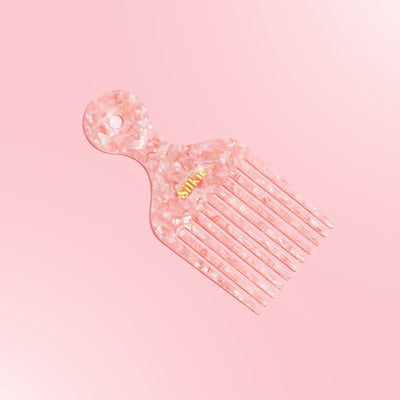
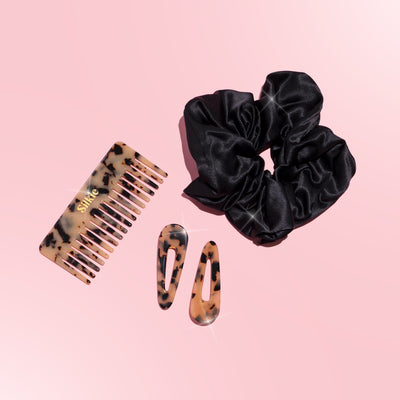
Silkie's collection of gentle hair brushes, mulberry silk pillowcases, silk scrunchies, and texture picks is designed to support your hair through everyday brushing, styling, and overnight care.
Explore the full collection at www.shopsilkie.com and build a routine that works with your hair's unique needs.