







How Reducing Surface Friction Can Improve Hair Manageability
Hair manageability isn’t only about products or styling techniques — it’s heavily influenced by the surfaces your hair interacts with every day. From pillowcases to clothing and even furniture, surface friction plays a major role in how smooth, tangled, or frizzy your hair feels. Reducing this friction can make hair easier to detangle, style, and maintain with far less effort.
What Surface Friction Does to Hair
Surface friction happens when hair rubs against any material.
Over time, this causes:
- Raised and roughened cuticles
- Increased tangling between strands
- Frizz and flyaways
- Loss of smooth alignment
Even small amounts of friction repeated throughout the day can significantly affect how your hair behaves.
Why Manageability Depends on Hair Smoothness
Hair becomes harder to manage when the outer cuticle layer is disrupted.
When friction increases:
- Strands don’t glide past each other easily
- Knots form more frequently
- Brushing takes more effort and causes more breakage
- Styling becomes less predictable
In short, the rougher the surface, the harder the hair is to control.
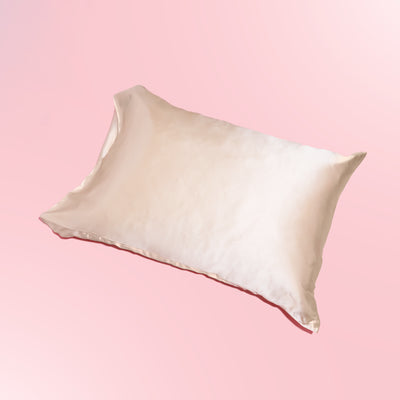
Your Pillowcase Is the Biggest Overnight Factor
One of the most influential sources of surface friction is your pillowcase.
During sleep, hair is:
- Continuously moving
- Pressed against fabric for hours
- Exposed to repeated rubbing and tension
This can lead to morning tangles, frizz, and flattened texture.
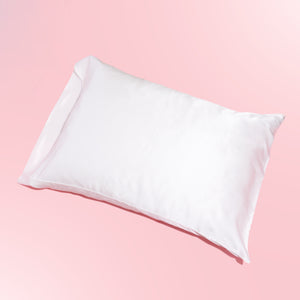
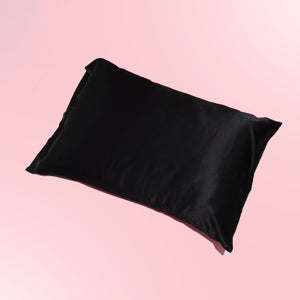
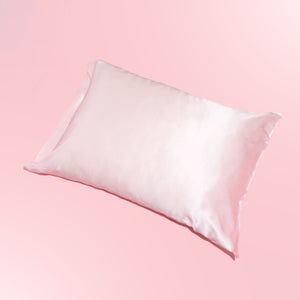
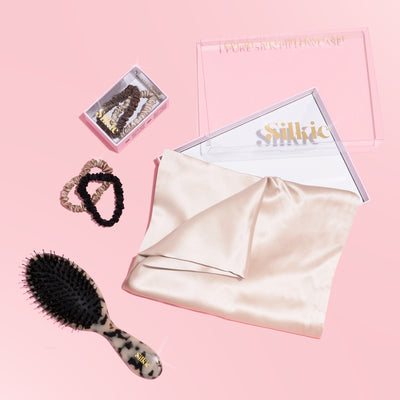
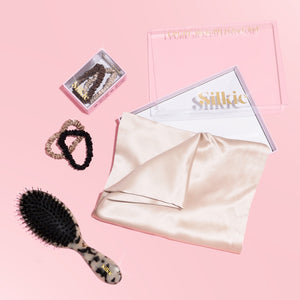
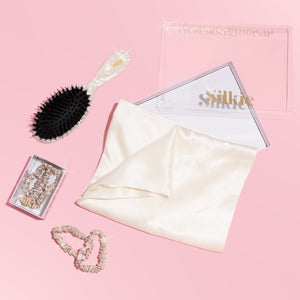
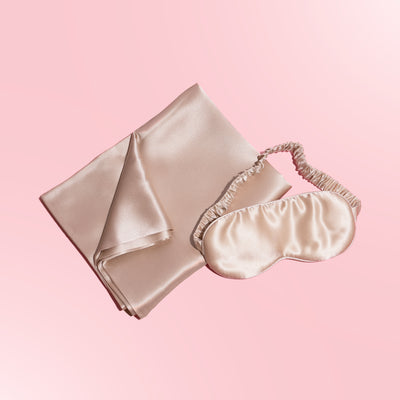
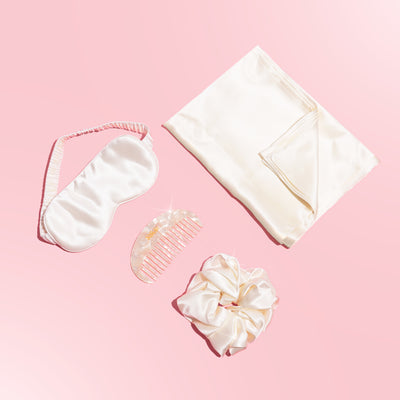
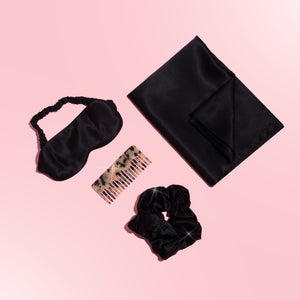
Silkie’s mulberry silk pillowcases from Silkie help reduce this friction by providing a smoother surface that allows hair to glide instead of catch while you sleep.
Clothing Creates Constant Low-Level Friction
Even when you’re not actively styling your hair, it is constantly interacting with clothing.
Common friction points include:
- Collars and necklines
- Sweaters and hoodies
- Scarves and jackets
This repeated contact slowly roughens the hair surface, making it less smooth and more prone to tangling throughout the day.
How Friction Leads to Tangles and Knots
Tangles form when strands lose alignment and begin catching on each other.
Surface friction contributes by:
- Lifting the cuticle layer
- Increasing roughness between strands
- Causing hair to snag during movement
Once tangles form, detangling requires more force, which increases the risk of breakage.
Why Friction Makes Styling More Difficult
Hair that experiences high surface friction tends to be:
- Harder to smooth into styles
- Less responsive to brushing
- More prone to puffiness and frizz
- Less consistent in shape and hold
This is why even simple hairstyles can feel more difficult on certain days.
The Role of Hair Accessories in Reducing Friction
Hair accessories can either reduce or increase surface stress depending on their material.
Traditional elastics often:
- Grip tightly against the hair
- Create pressure points
- Increase localized friction
In contrast, silk-based accessories help minimize stress on contact points.
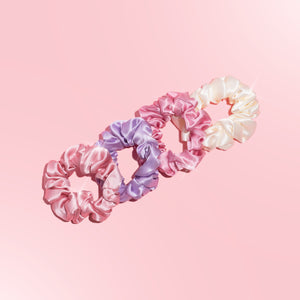
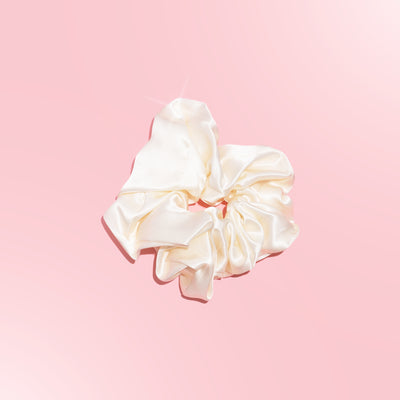
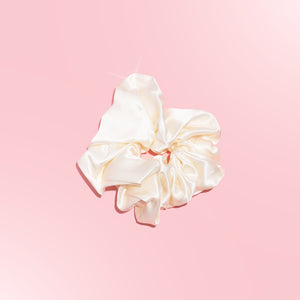
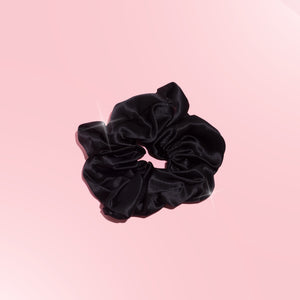
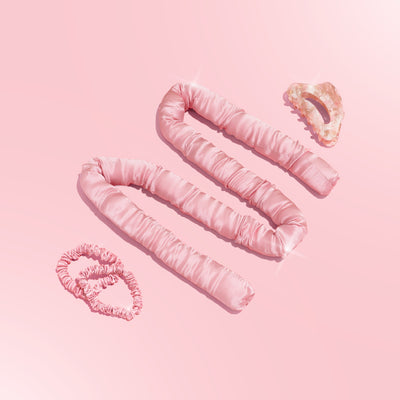
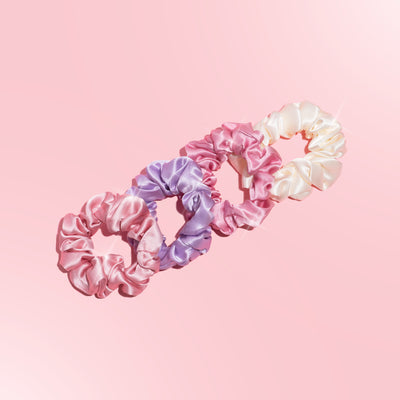
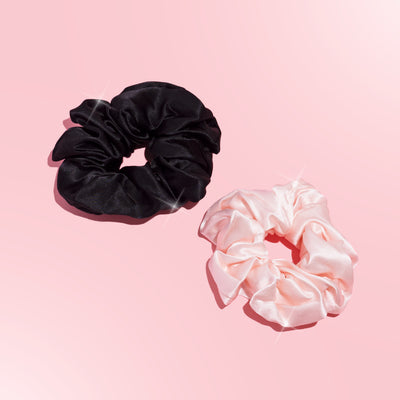
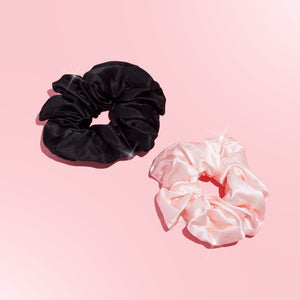
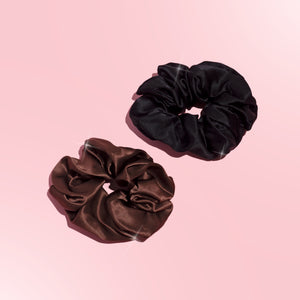
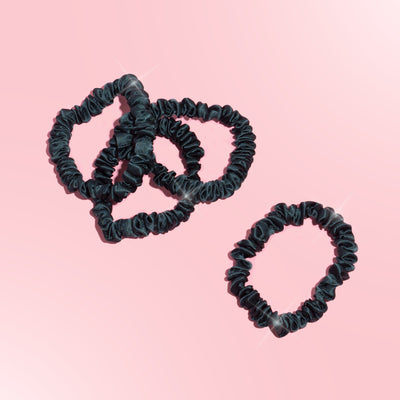
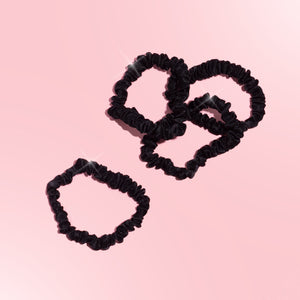
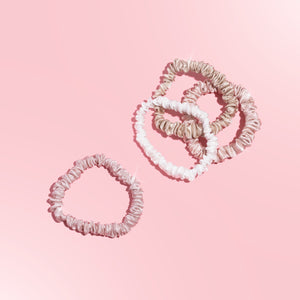
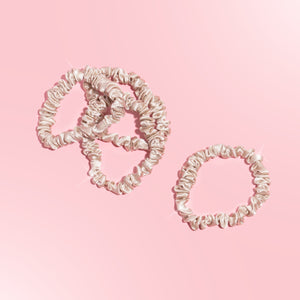
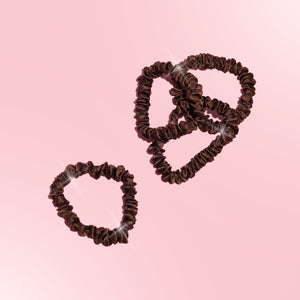
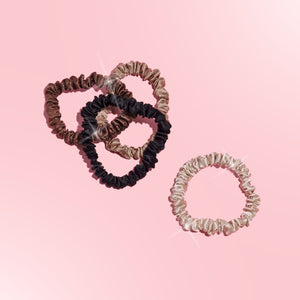
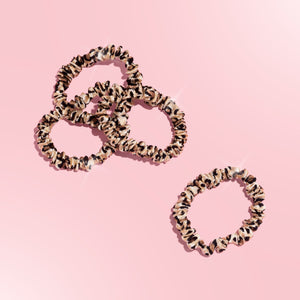
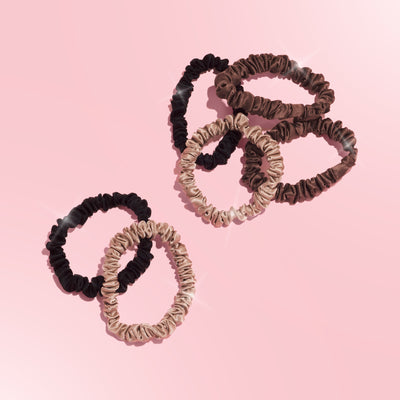
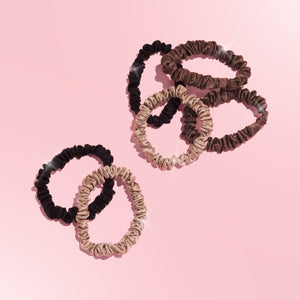
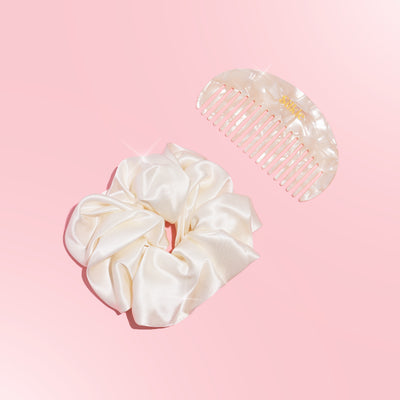
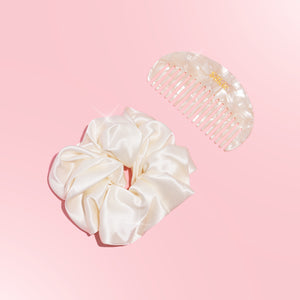
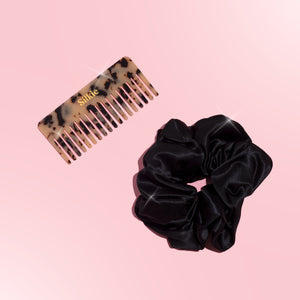
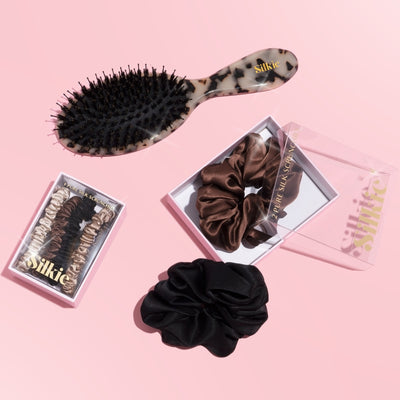
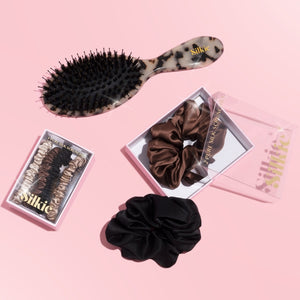
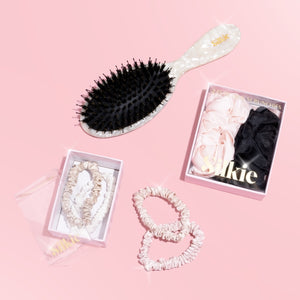
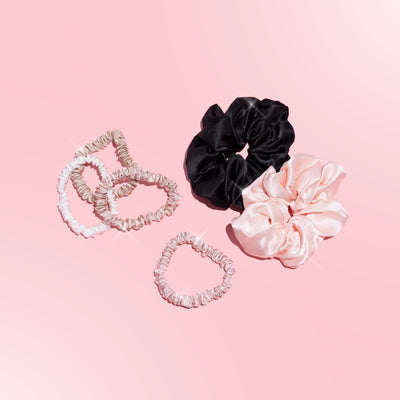
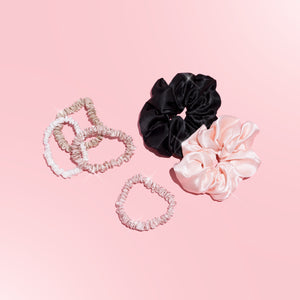
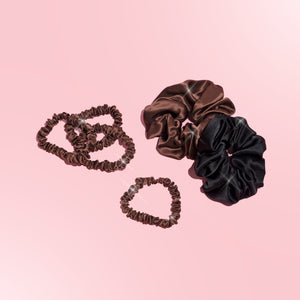
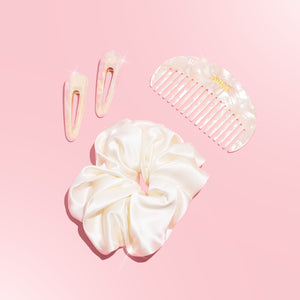
Silkie’s silk scrunchies from Silkie are designed to reduce pulling and friction while still securing hair comfortably, making daily styling gentler and more manageable.
Brushing and Friction: The Hidden Connection
Detangling is one of the most friction-heavy parts of any hair routine.
Harsh brushing can:
- Drag against raised cuticles
- Increase breakage
- Worsen existing tangles
A gentler approach reduces this mechanical stress.
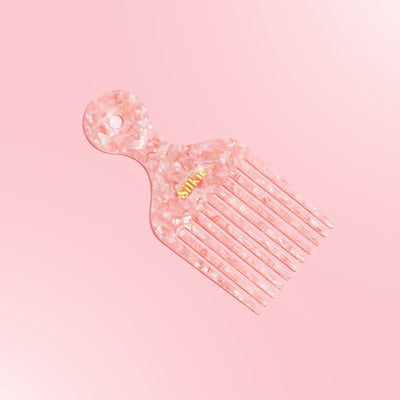
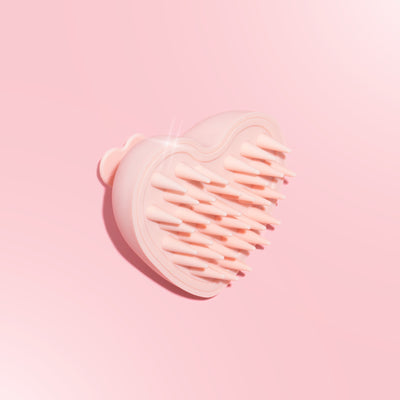
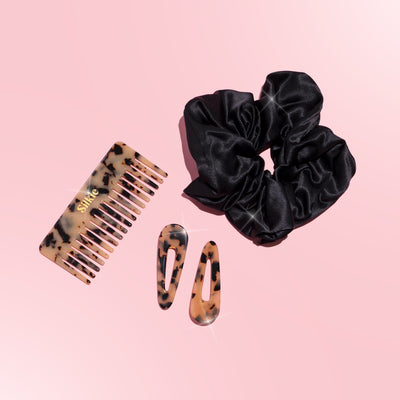
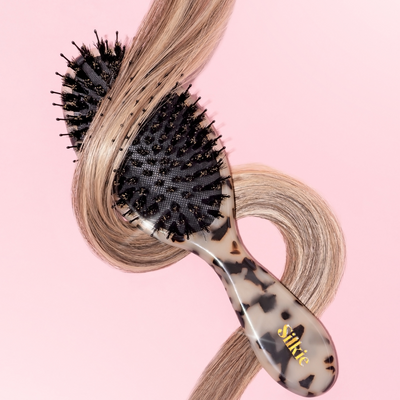
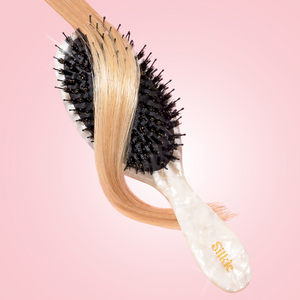
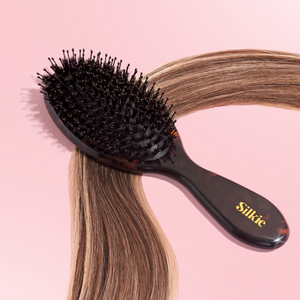
Silkie’s hair brush from Silkie is designed to help minimize pulling during detangling, supporting smoother glide through knots and reducing friction-related damage.
Why Less Friction Improves Daily Manageability
When surface friction is reduced, hair naturally becomes easier to control.
You may notice:
- Faster detangling sessions
- Less breakage during brushing
- Smoother styling results
- Reduced frizz throughout the day
This isn’t about changing your hair — it’s about reducing resistance against it.
Curly and Coily Hair Benefits Even More
Textured hair is especially sensitive to friction because of its bends and coils.
Reducing surface friction helps:
- Preserve curl clumps
- Maintain definition
- Reduce unwanted puffiness
- Improve moisture retention between wash days
Even small changes in surface contact can have a noticeable impact on curl behavior.
Building a Low-Friction Hair Routine
Improving manageability doesn’t require a full routine overhaul.
Instead, focus on reducing friction at key points:
- Sleep: use smoother pillowcases
- Styling: use gentler accessories
- Detangling: use low-pull brushes
- Daily wear: minimize harsh contact points
Silkie’s silk pillowcases, silk scrunchies, and gentle hair brush work together as a system to reduce friction across your entire routine.
Why Small Changes Create Big Improvements
Surface friction builds up slowly, but so do its benefits when reduced.
Over time, lowering friction can lead to:
- Noticeably smoother hair texture
- Easier daily maintenance
- Reduced breakage and split ends
- More predictable styling results
Consistency is what transforms hair manageability long term.
Make Your Hair Easier to Manage With Silkie
Reducing surface friction is one of the simplest yet most effective ways to improve hair manageability. By minimizing unnecessary contact stress, your hair becomes smoother, more controlled, and easier to style every day.
Silkie’s range of silk scrunchies, mulberry silk pillowcases, and gentle hair tools is designed to reduce friction at every stage of your routine.
Explore the full collection at www.shopsilkie.com and experience how smoother surfaces can lead to smoother hair.
SHOP OUR SILKIE PRODUCTS
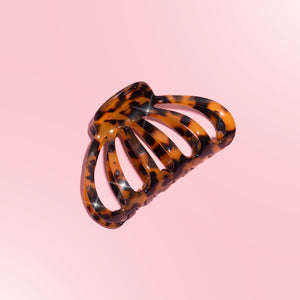
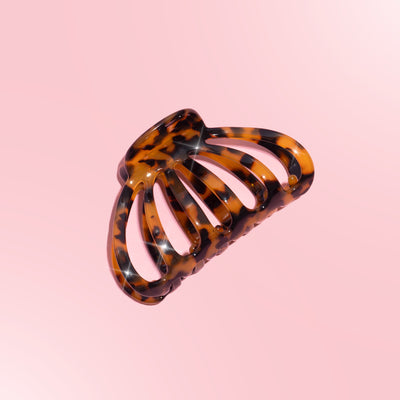
The Acetate Resin Butterfly Claw Clip in Tortoiseshell
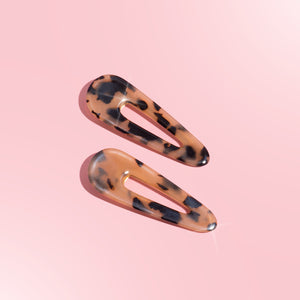
The Hair Slides
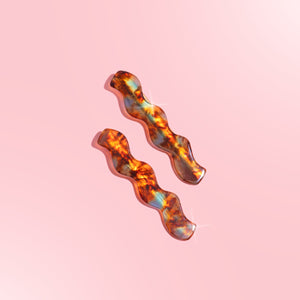
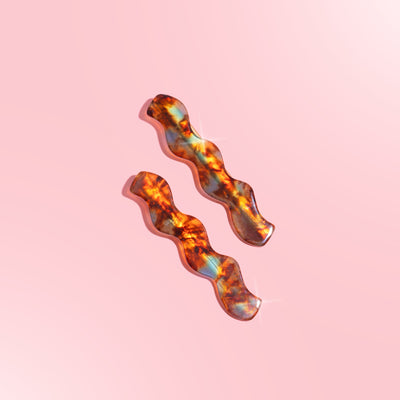
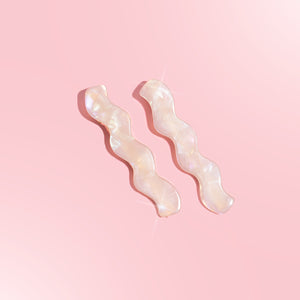
The Wave Hair Slides

Individual Silkie scrunchie (Colour may vary)
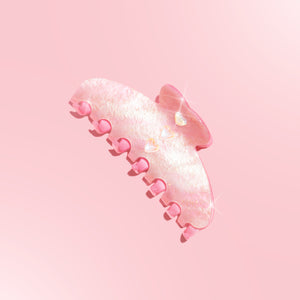
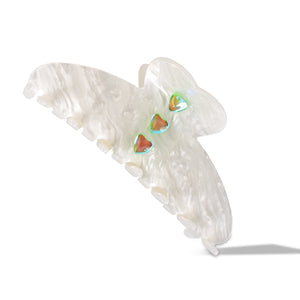
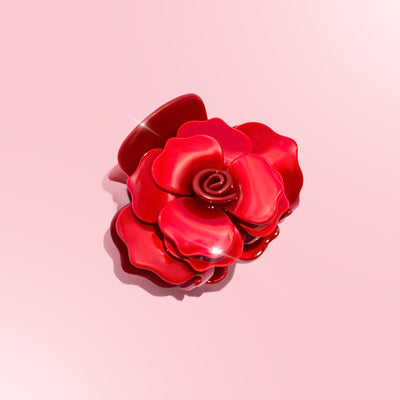
Love Valentine's Acetate Hair Clip
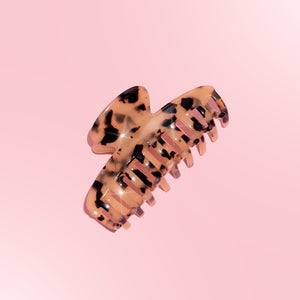
The Classic Claw Clip

The Creaseless Hair Slides

The Detangling Comb

Glow Drops Perfumed Hair Oil