














How to Care for Hair That Sits Differently on Each Side
Does one side of your hair always seem fuller, flatter or harder to style than the other? Differences in hair direction, texture and everyday habits can all influence how your hair sits. Understanding these variations can help you create a routine that works with your natural hair rather than constantly trying to make both sides look identical.
Why Does Your Hair Sit Differently on Each Side?
It is quite common for hair to behave differently on the left and right sides of your head. Even when your hair is the same length, the way it falls, curls or holds volume may not be identical.
This can be influenced by several factors, including natural growth patterns, your preferred sleeping position, styling habits and the way your hair responds to moisture.
Rather than treating these differences as a problem, it helps to understand what may be causing them.
Common Reasons One Side of Your Hair Looks Different
Your Hair Has Different Growth Directions
Hair does not always grow in the same direction across your entire scalp. One side may naturally fall towards your face, while the other sits further back or follows a different parting.
These growth patterns can affect how your hair frames your face and how easily each side holds a particular hairstyle.
You Have a Preferred Sleeping Position
If you usually sleep on one side, your hair may experience more friction and pressure on that area throughout the night. This can leave one side looking flatter, more tangled or slightly different in texture when you wake up.
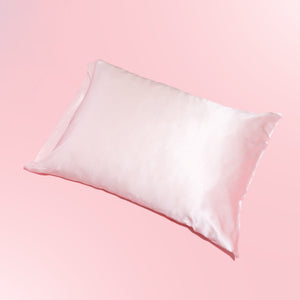
Using a smoother pillowcase may help reduce friction while you sleep, although it will not completely prevent changes caused by movement or pressure.
You Habitually Part Your Hair the Same Way
Keeping the same parting for a long time can influence how your hair naturally settles. The roots may become accustomed to falling in a particular direction, making the opposite side feel less cooperative when you try a different style.
Changing your part occasionally can help you experiment with different shapes and levels of volume.
Your Styling Technique Is Not Even
It is easy to give one side more attention than the other when brushing, blow drying or using heated tools. You might also hold your brush at a different angle or spend longer styling your preferred side.
These small differences can affect the final result, especially when you are aiming for a balanced hairstyle.
Your Hair Has Different Levels of Wear
One side may experience more friction from clothing, bags, phone use or repeated styling habits. If you regularly tuck one side behind your ear, for example, that section may develop more tangles or show signs of wear.
Over time, these habits can contribute to differences in how each side looks and feels.
How to Care for Each Side of Your Hair
Your goal does not need to be making both sides behave exactly alike. Instead, focus on giving each section the attention it needs while keeping your overall routine consistent.
Start With Gentle Detangling
Avoid brushing both sides automatically in the same way. If one side tends to knot more easily, give it extra time and work through tangles from the ends towards the roots.
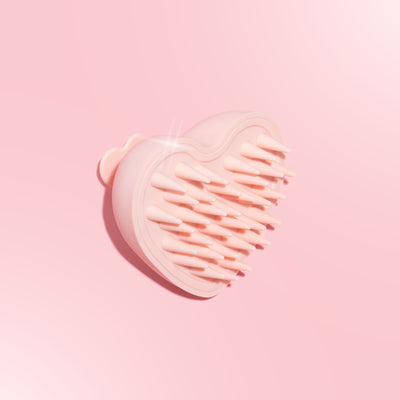
A wide tooth comb can be useful for gently separating strands, particularly when your hair is damp and more vulnerable to breakage.
Adjust Your Blow Drying Technique
If one side consistently falls flatter, pay attention to the direction in which you dry your roots. Lifting the hair slightly while drying can help create a more balanced appearance.
You can also experiment with directing each section away from your face or towards your preferred parting. The best technique will depend on your natural growth pattern and the finish you want.
Give Both Sides Equal Styling Attention
When using a curling iron, straightener or brush, try to keep your technique consistent on both sides. Pay attention to section size, styling direction and the amount of time you spend on each area.
If one side needs a little more work, adjust accordingly rather than repeatedly applying heat to both sides.
Be Mindful of Repeated Tucking
Tucking your hair behind your ear can be a convenient habit, but doing it repeatedly in the same area may contribute to tangling, creasing or tension.
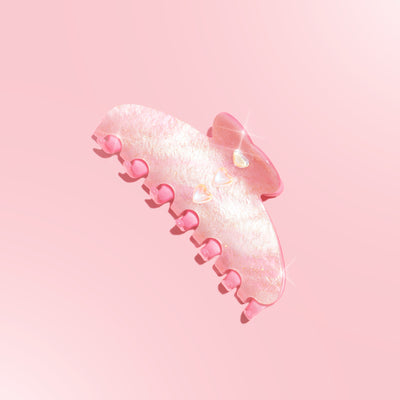
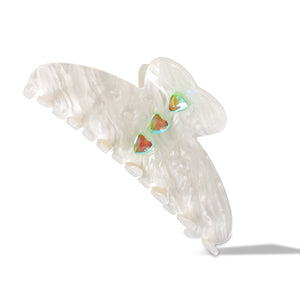
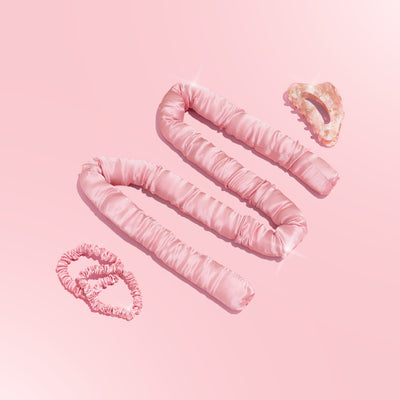
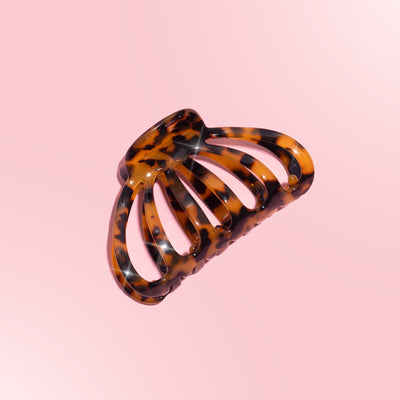
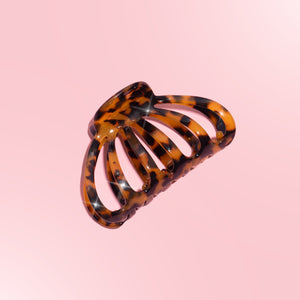
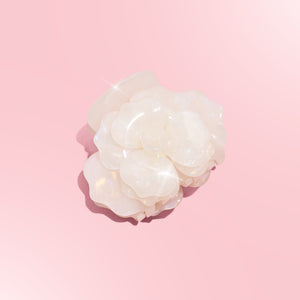
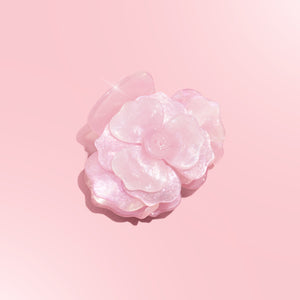
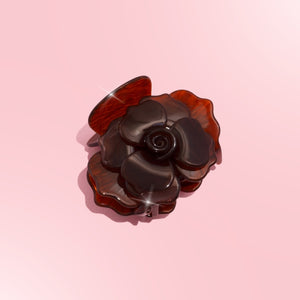
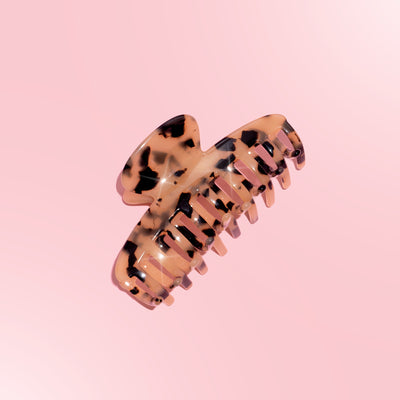
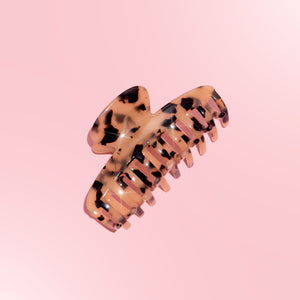
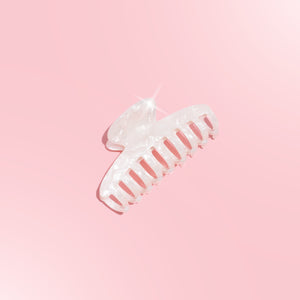
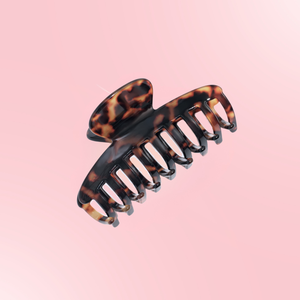
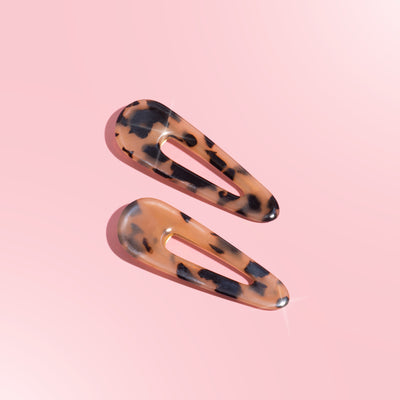
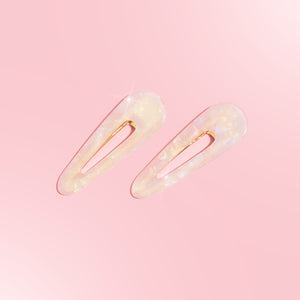
Try switching sides occasionally or using a comfortable hair clip when you want to keep your hair away from your face.
Protect Your Hair While Sleeping
If one side tends to look more flattened or tangled in the morning, consider how your hair rests against your pillow.
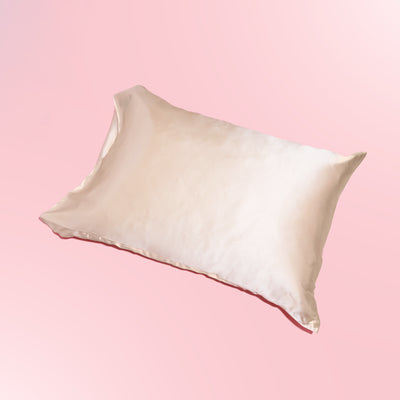
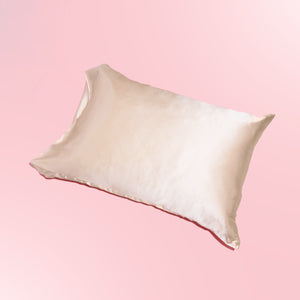
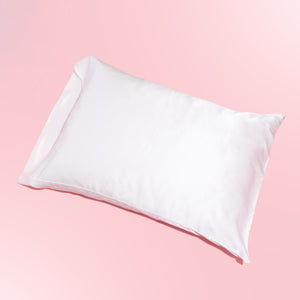
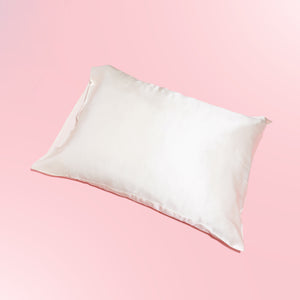
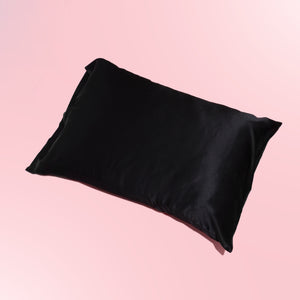
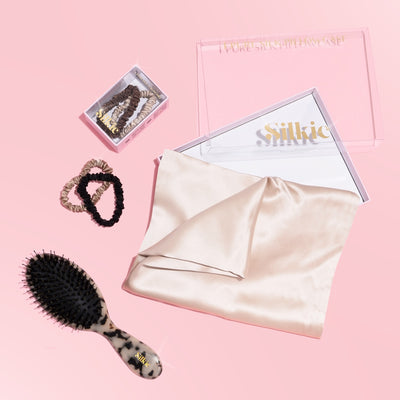
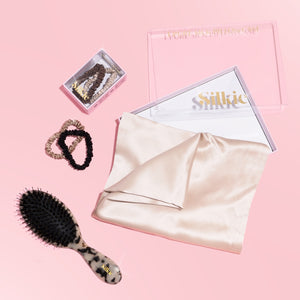
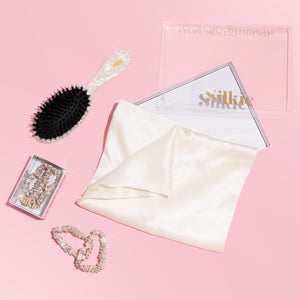
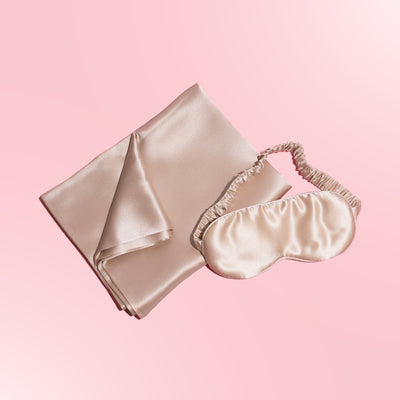
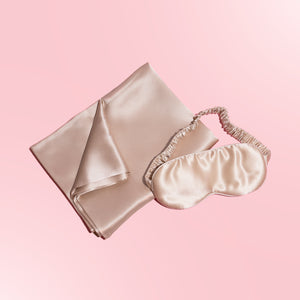
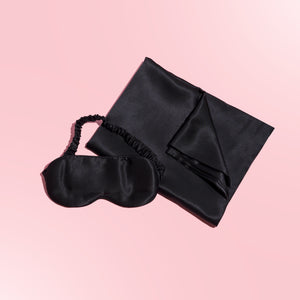
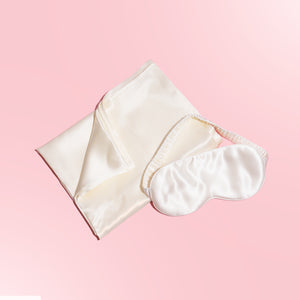
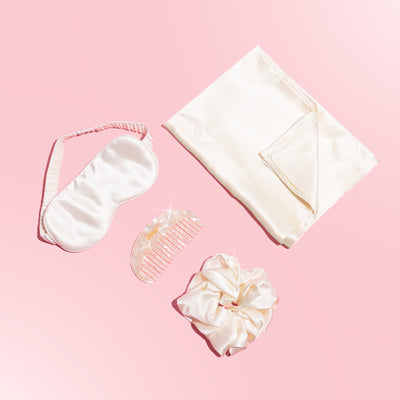
A mulberry silk pillowcase offers a smoother surface than many traditional fabrics and may help reduce friction while you sleep. Silkie's Dreamy Mulberry Silk Pillow Case is one option to include in a more considered nighttime routine.
Styling Tips for Uneven Volume and Shape
Sometimes, the difference between both sides becomes more noticeable when you style your hair. A few small adjustments can help create a more balanced finish.
For One Side That Looks Flatter
Try lifting the roots while blow drying and allowing the section to cool before brushing it into place. You can also change your part slightly to create a different distribution of volume.
Avoid adding too much product to the roots, as heavier formulas may make already flat sections look even less lifted.
For One Side That Looks Fuller
Use a brush to gently smooth the fuller side without pulling the strands tightly against your scalp. If you use styling products, apply them in small amounts and distribute them evenly.
The aim is to balance the overall shape without removing all the natural movement.
For One Side That Holds Curls Better
Hair can respond differently to curling depending on its natural direction and styling history. Try adjusting the barrel direction or section size on the side that struggles to hold its shape.
Allowing curls to cool completely before separating them may also help maintain their definition.
For One Side That Gets More Tangled
Pay attention to where the tangles form. If they appear around your shoulders, clothing or the nape of your neck, consider whether friction is contributing to the problem.
A gentle detangling routine and smoother hair accessories can help make daily handling easier.
Choosing Hair Accessories That Work With Your Hair
Hair accessories can make styling easier, but they should not force your hair into a position that feels uncomfortable.
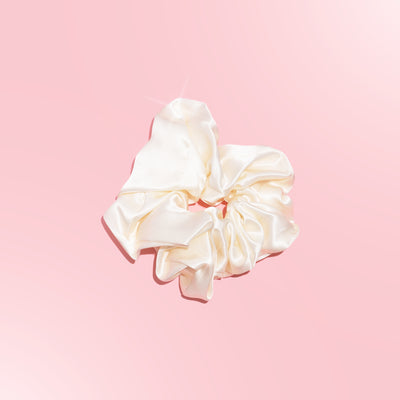
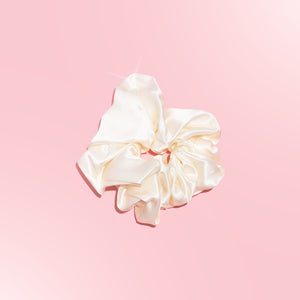
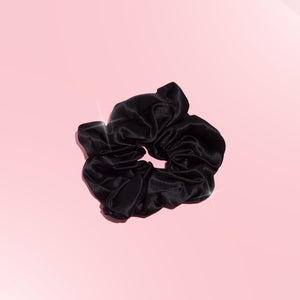
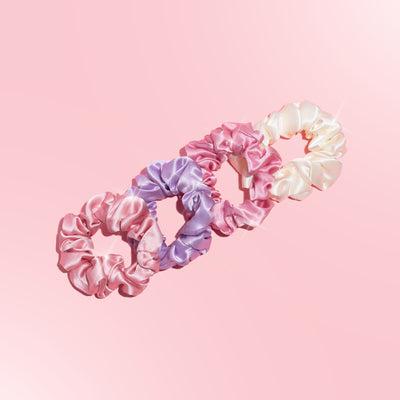
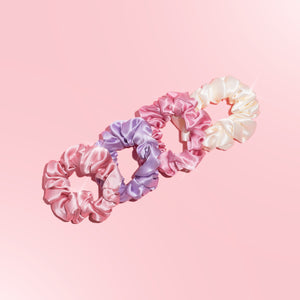
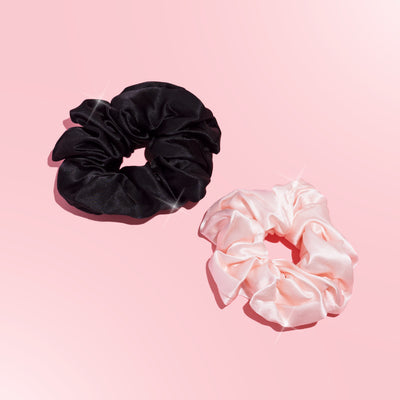
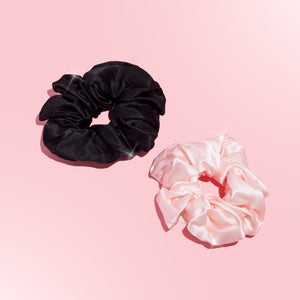
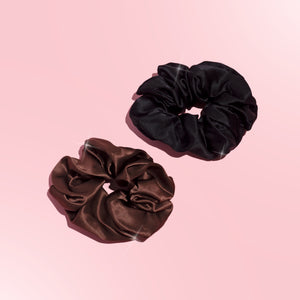
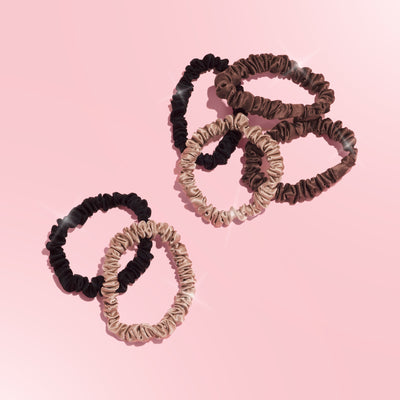
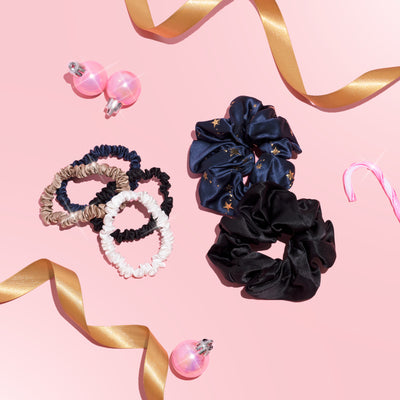
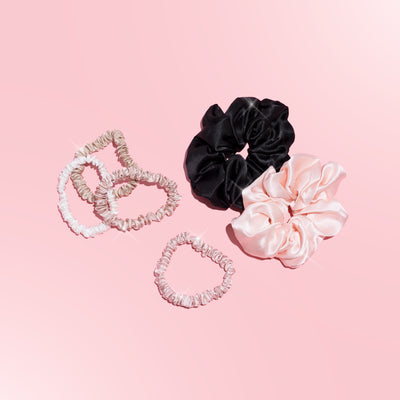
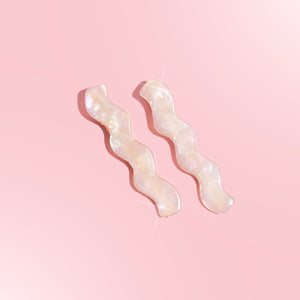
If you are securing one side away from your face, choose a clip that holds the section without pulling too tightly. For ponytails and loose styles, a soft scrunchie can provide a comfortable alternative to tight elastics.
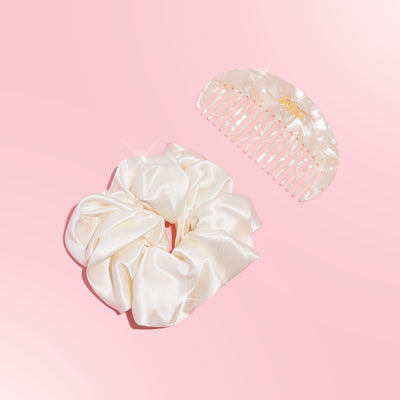
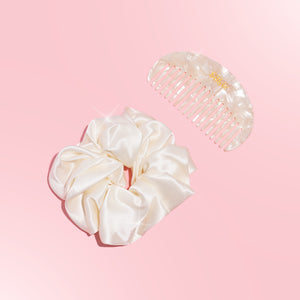
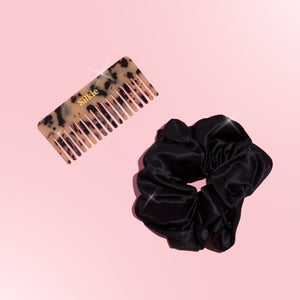
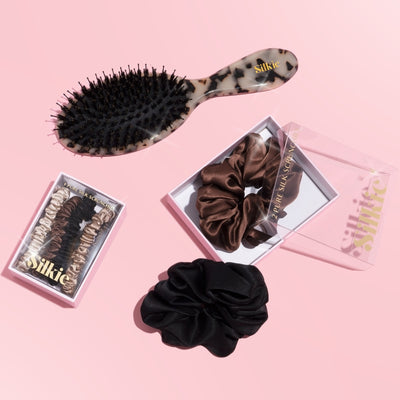
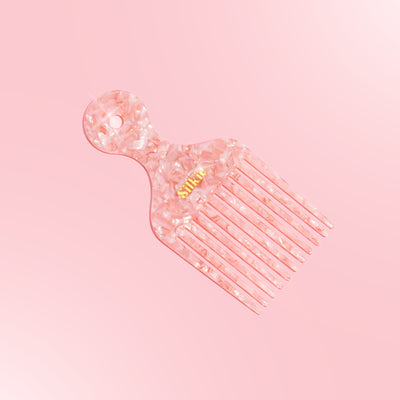
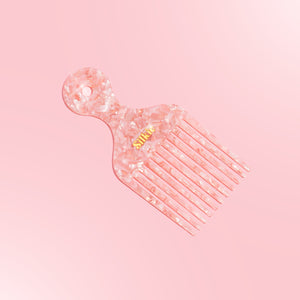
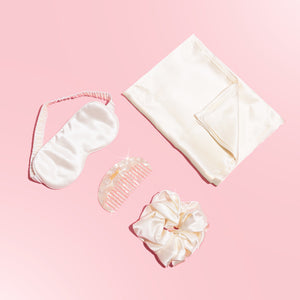
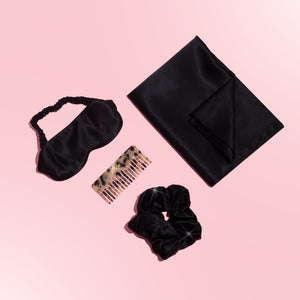
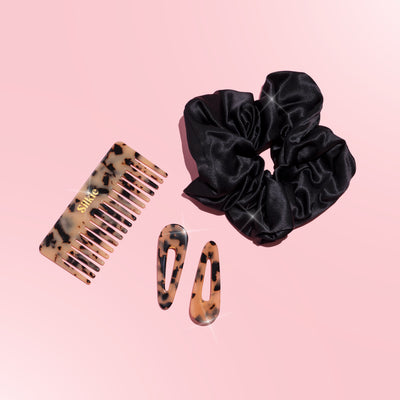
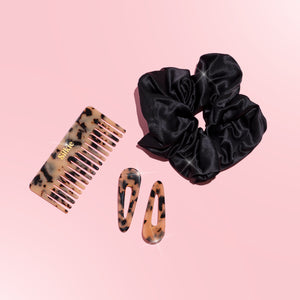
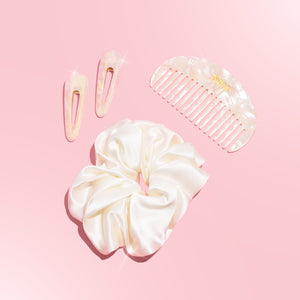
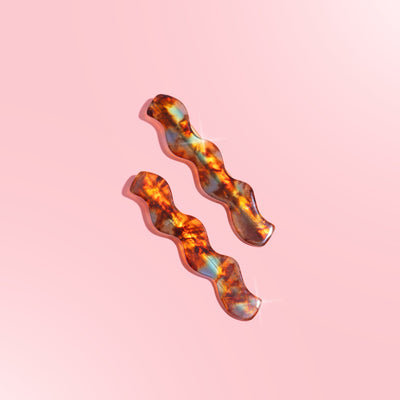
Silkie's Styling Duo, which includes an acetate comb and deluxe scrunchie, can be a practical addition to your everyday styling collection. The comb helps with sectioning and arranging your hair, while the scrunchie offers a softer way to secure it.
When Should You Pay Closer Attention to Changes?
Natural differences between both sides are usually nothing to worry about. However, if one side suddenly becomes noticeably thinner, develops unusual breakage or shows changes in scalp condition, it is worth paying attention.
Sudden or persistent changes in hair density may have causes beyond everyday styling habits. A qualified healthcare professional or dermatologist can help assess these changes.
Final Thoughts
Having hair that sits differently on each side is completely normal. Your growth patterns, sleeping position, styling habits and everyday exposure can all influence how each section behaves.
Instead of trying to make both sides look exactly the same, focus on understanding their individual needs. With gentle detangling, thoughtful styling and suitable accessories, you can create a routine that works with your hair's natural shape.
Discover more gentle haircare essentials and styling accessories at Silkie: www.shopsilkie.com.