














How to Find the Right Balance Between Cleansing and Conditioning
Cleansing and conditioning are two of the most important parts of a haircare routine, but finding the right balance between them can take some attention.
Your hair needs to be cleansed to remove sweat, oils, dirt, and product residue. At the same time, conditioning helps keep the hair feeling soft, smooth, and manageable.
The right balance is not about following a strict routine. It is about understanding how your hair responds and adjusting your habits accordingly.
Why Cleansing Matters
Throughout the day, your hair and scalp are exposed to natural oils, sweat, styling products, and environmental residue.
Cleansing helps remove this buildup and leaves the scalp and hair feeling fresh. However, how often you need to cleanse depends on your individual hair and lifestyle.
Someone with an oily scalp may prefer more frequent washing, while someone with dry or textured hair may find that washing less often works better.
There is no single schedule that suits everyone.
Why Conditioning Matters
While cleansing removes buildup, conditioning helps improve the feel of the hair afterwards.
Conditioner can help make the lengths feel softer and smoother, making them easier to brush and style.
This can be particularly useful for the mid lengths and ends, which have experienced more everyday wear than the newer hair closer to the scalp.
How much conditioner you need will depend on your hair's thickness, length, and texture.
Signs You May Be Cleansing Too Often
Your hair can sometimes tell you when your washing routine is not working well for it.
If your hair regularly feels dry, rough, brittle, or difficult to manage after washing, you may want to reconsider how frequently you are cleansing or how your hair responds to your shampoo.
Very hot water and vigorous washing can also contribute to a dry feeling.
Try being gentle when cleansing and pay attention to how your hair feels once it has dried.
Signs Your Hair May Need More Cleansing
On the other hand, hair can also feel uncomfortable when there is too much buildup.
If your roots become greasy quickly, your hair feels coated, or your scalp does not feel fresh, your current washing frequency may not be enough for your needs.
Styling products can also accumulate over time, particularly when several products are used regularly.
A thorough cleanse can help remove this residue and restore a fresher feel.
Conditioner Does Not Have to Go Everywhere
Where you apply conditioner can make a difference.
For many hair types, the lengths and ends benefit most from conditioning because these areas tend to be older and more exposed to everyday wear.
Applying a rich conditioner heavily to the roots may leave some hair types feeling flat or greasy.
Start with the areas that need the most attention and adjust based on how your hair responds.
Your Hair Type Can Change the Balance
Hair texture plays an important role in finding the right approach.
Fine hair may become weighed down by rich conditioning products, while thick or textured hair may benefit from more conditioning support.
Curly hair can also have different moisture needs from straight hair.
This is why copying someone else's washing schedule or product amount does not always produce the same result.
Your own hair is the best guide.
Be Gentle After Washing
The way you handle your hair after cleansing and conditioning is just as important as the products you use.
Wet hair can be more vulnerable to stretching and tangling, so avoid roughly rubbing or pulling through it.
Gently squeeze out excess water and carefully work through tangles from the ends upwards.
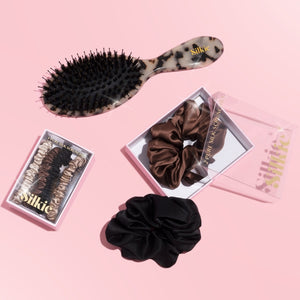
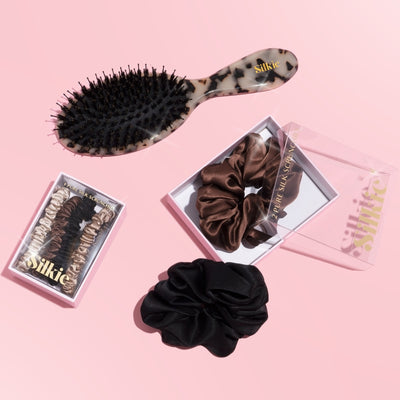
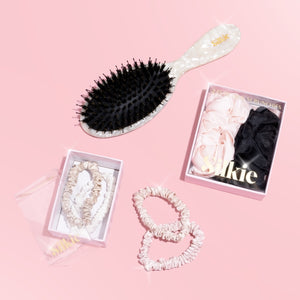
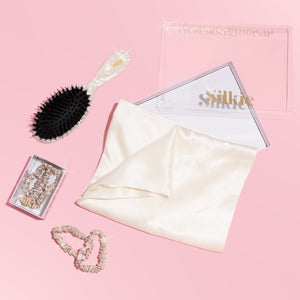
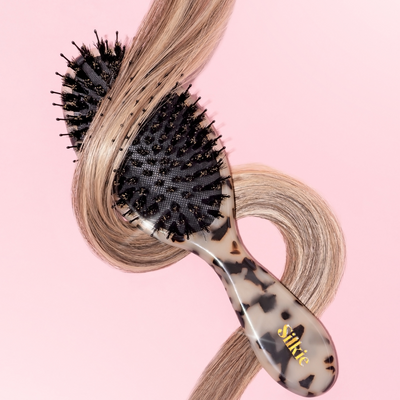
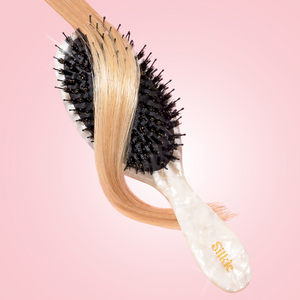
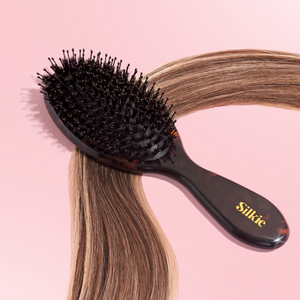
A suitable brush can also help make the process easier. Silkie's Ultimate Smoothing Brush can be used as part of a gentle styling routine once your hair is ready to be brushed.
Pay Attention to How Your Hair Feels
Your hair can give you useful clues about whether your cleansing and conditioning routine is balanced.
If it feels clean but comfortable, soft without being heavy, and easy to manage, your routine may be working well.
If it consistently feels stripped, greasy, coated, or weighed down, something may need adjusting.
These changes do not mean you need to completely change your haircare routine. Sometimes a small adjustment in washing frequency, product amount, or where you apply conditioner can make a difference.
Your Routine Can Change With Your Lifestyle
Your ideal routine may not stay the same throughout the year.
Exercise, changes in weather, styling habits, hair length, and everyday activities can all influence how often your hair needs cleansing and conditioning.
You may need to wash more frequently during particularly active periods, while your hair may need more conditioning support during times when it feels dry.
Being flexible allows your routine to work with your lifestyle instead of forcing you to follow the same schedule all the time.
Finding Your Own Balance
There is no perfect cleansing and conditioning schedule that works for every woman.
The best approach is to pay attention to your scalp, your lengths, and the way your hair feels after washing. Look for signs that it feels clean, comfortable, soft, and manageable.
With a little observation, you can find a balance that suits your hair without overcomplicating your routine.
Good haircare is not about doing more. It is about understanding what your hair needs and giving it the right care at the right time.
For gentle haircare essentials and everyday styling pieces, explore Silkie at www.shopsilkie.com.
SHOP OUR SILKIE PRODUCTS

Glow Drops Perfumed Hair Oil

Glow Drops Perfumed Hair Oil Sample

Individual Silkie scrunchie (Colour may vary)
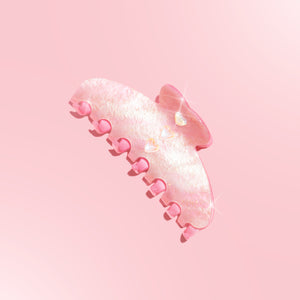
Love Valentine's Acetate Hair Clip
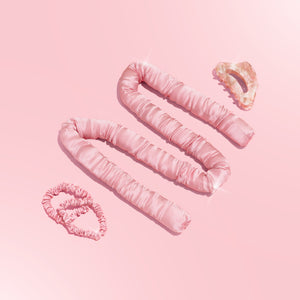
Pure Silk Heatless Curler Set
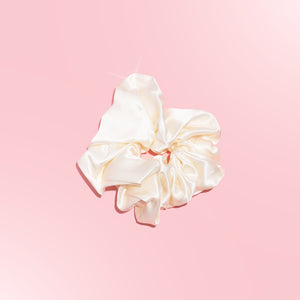
Pure Silk Deluxe Scrunchie
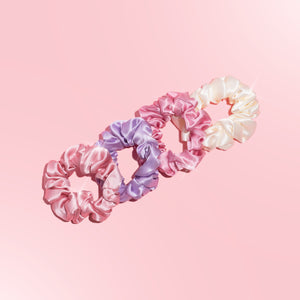
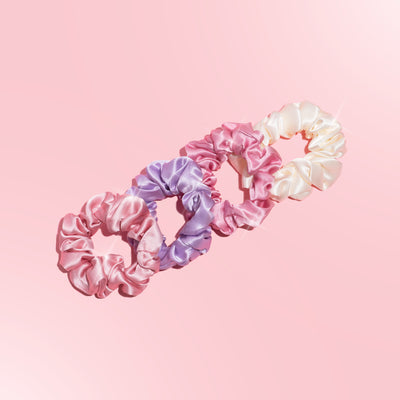
Pure Silk Pastel Scrunchies (Set of 4)
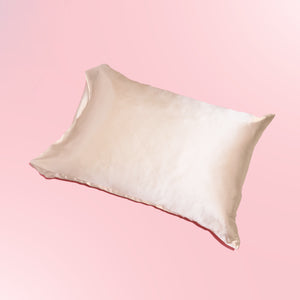
Pure Silk Pillowcase
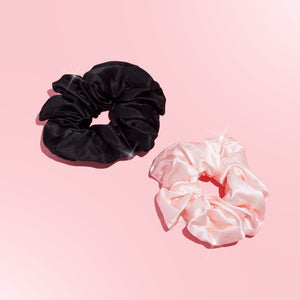
Pure Silk Scrunchies (Set of 2)
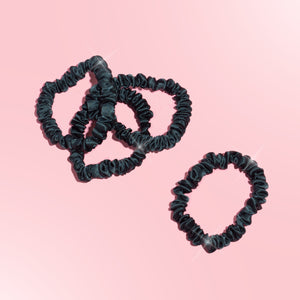
Pure Silk Skinny Scrunchies (Set of 4)
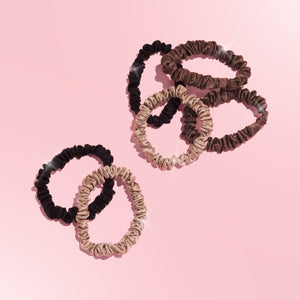
Pure Silk Skinny Scrunchies - Set of 6

Silkie Mulberry Silk Christmas Scrunchies Set
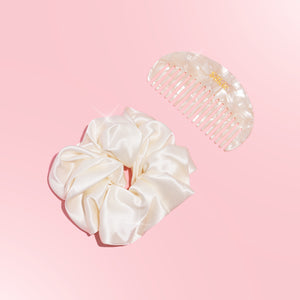
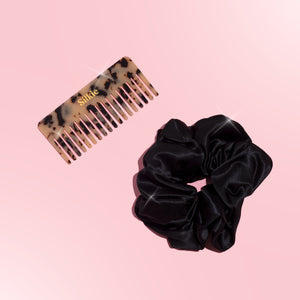
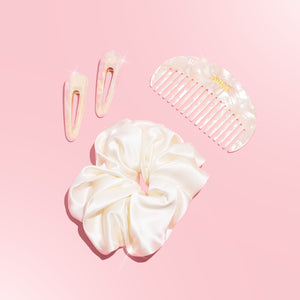
Silkie Styling Duo – Acetate Comb & Deluxe Scrunchie