












How to Know When Your Haircare Routine Is Doing Too Much
A detailed haircare routine can feel like a good thing. You may have products for cleansing, conditioning, smoothing, styling, protecting and refreshing your hair, each chosen for a specific reason.
But sometimes, even a routine created with good intentions can become too much for your hair.
Using several products does not automatically mean your hair is being cared for better. When too many steps, treatments or styling habits are involved, your hair may start behaving differently.
Learning to recognise these signs can help you understand when your routine needs a little more balance.
Your Hair No Longer Feels Like It Usually Does
One of the first signs that your routine may be doing too much is a noticeable change in how your hair feels.
Perhaps it used to feel light and soft but now feels heavy. Maybe it has lost some of its natural movement or feels different when you run your fingers through it.
A single unusual hair day does not necessarily mean there is a problem. Hair can change with weather, washing, styling and everyday activities.
However, if the same feeling keeps appearing after you follow your usual routine, it may be worth looking at the steps you are using.
Your Hair Feels Coated
Hair that feels coated can sometimes be a sign that several products are sitting on the hair at once.
This can happen when you use multiple creams, oils, serums, sprays or styling products without allowing your hair to return to its natural feel between applications.
You may notice that your hair feels smooth at first but gradually becomes heavier or less flexible.
This does not mean every product needs to be removed from your routine. Instead, pay attention to whether you are layering products because your hair genuinely needs them or because you are trying to correct an issue created by another styling step.
Your Hair Loses Its Natural Movement
Healthy looking hair does not have to be perfectly sleek or completely controlled.
Natural movement can be part of what makes your hair look healthy and full of life. If your hair starts feeling stiff, flat or unusually difficult to move, your styling routine may be contributing to it.
This can happen when several products designed to hold, smooth or define the hair are used together.
If your usual hairstyle suddenly feels rigid rather than flexible, consider whether your hair actually needs that much styling support.
You Keep Adding Products to Fix Other Products
Sometimes a routine can become complicated because one product creates a result that another product is then used to correct.
For example, you may use a rich styling cream because your hair feels dry, then add a serum because it looks dull, followed by another product because the hair feels too flat.
Eventually, it can become difficult to tell which product is actually helping.
When this happens, take a moment to look at the whole routine rather than focusing on each product individually.
Your hair may respond better when you understand the original issue instead of continuously adding another solution.
Your Hair Becomes Difficult to Style
Your routine should make styling easier, not consistently more complicated.
If your hair suddenly becomes difficult to brush, separate, shape or style, think about what has changed.
Have you introduced a new treatment? Are you using more styling products than before? Have you increased how often you use heat? Are you applying products to areas that do not usually need them?
These questions can help you identify patterns.
Hair can also become harder to manage because of environmental factors or changes in length, so look at your routine alongside the rest of your haircare habits.
Your Scalp Starts Feeling Different
Your haircare routine should also take your scalp into consideration.
Using too many products close to the scalp can affect how your hair feels between washes, particularly if the products are designed mainly for the lengths and ends.
If your scalp feels unusually oily, uncomfortable or coated after changing your routine, consider where you are applying each product.
Conditioners, oils and styling products are often better suited to the lengths and ends rather than being applied heavily at the roots.
Understanding where a product is intended to be used can make a noticeable difference.
Your Hair Needs Constant Styling to Look Good
Another sign worth noticing is when your hair seems to need several products and styling steps simply to look presentable.
It is normal to enjoy styling your hair and creating polished looks. However, if your hair no longer feels manageable without several layers of product, it may be useful to reassess your routine.
Your natural hair should still feel comfortable between styling sessions.
Giving your hair opportunities to move naturally can also help you understand its real texture and condition without relying on styling products to create the final result.
Your Hair Looks Dull Despite Using Shine Products
It can be tempting to add more shine products when your hair looks dull.
However, repeatedly adding oils or serums is not always the answer.
The appearance of your hair can be influenced by product residue, styling, environmental exposure and the condition of the hair itself.
If your hair looks less vibrant despite using several products designed to create shine, adding another one may not solve the issue.
Instead, consider the overall routine and how your hair behaves after washing and between styling days.
Your Hair Feels Better on Days When You Do Less
Pay attention to those days when your hair unexpectedly feels its best.
Maybe it feels softer after a simple wash and condition. Perhaps it has more movement when you leave it to air dry. Or maybe your hair feels more comfortable after wearing it in a loose style rather than creating a highly structured look.
These observations can be useful.
They do not mean that your entire routine is wrong. They can simply show you which types of care your hair seems to respond to most naturally.
Look at Your Styling Habits Too
Haircare is not only about the products sitting on your bathroom shelf.
Repeated brushing, frequent heat styling, tight hairstyles and constant restyling can also contribute to how your hair feels.
If you are already using several products and styling your hair frequently, consider how all these habits work together.
Choosing gentler styling options can help reduce the amount of handling your hair receives.
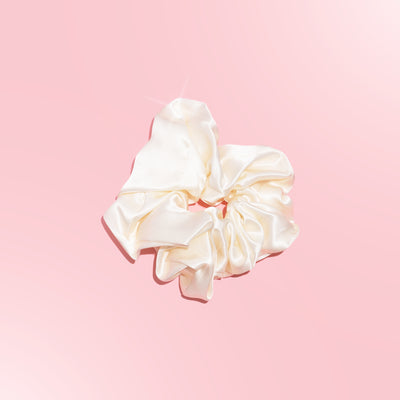
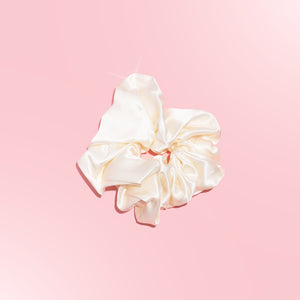
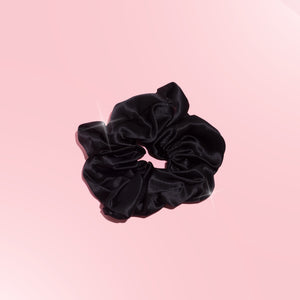
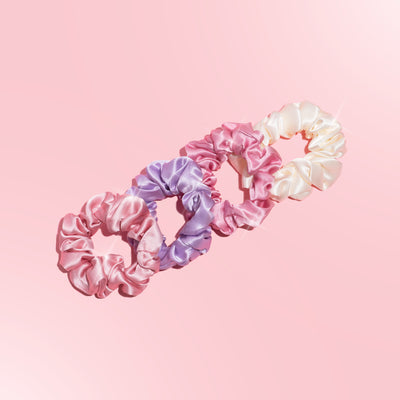
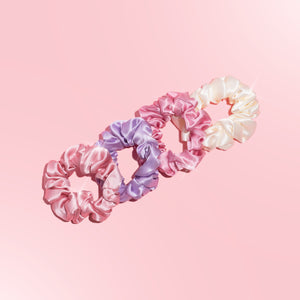
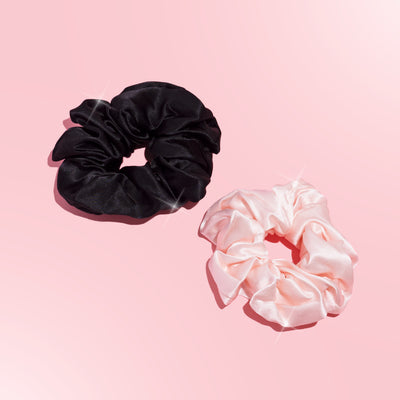
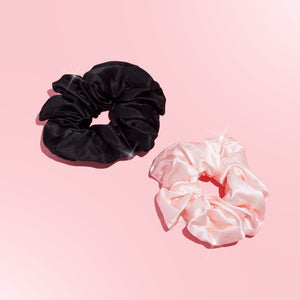
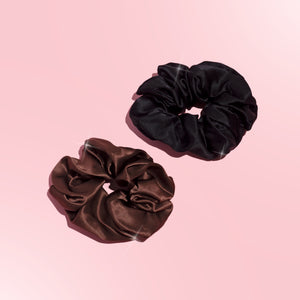
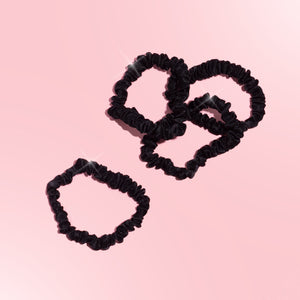
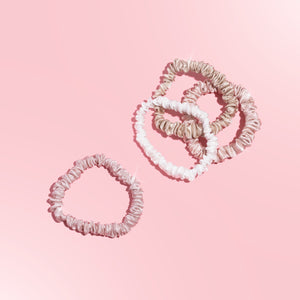
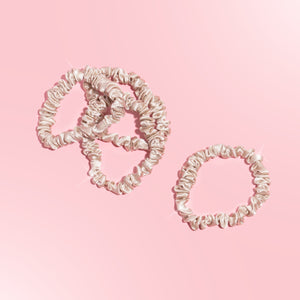
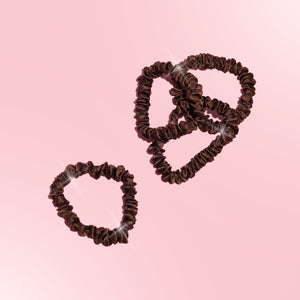
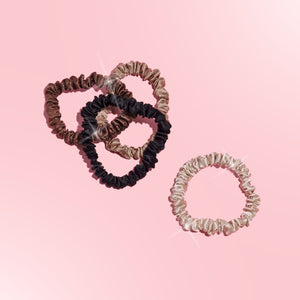
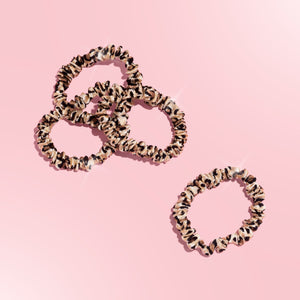
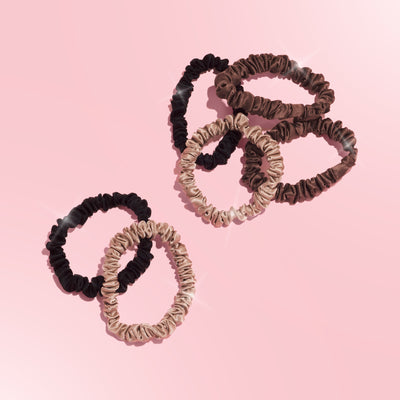
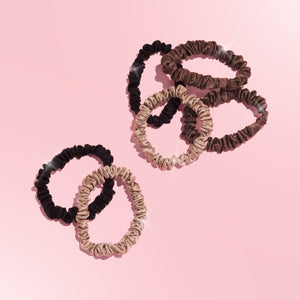
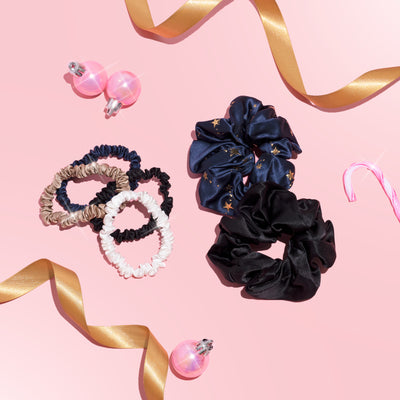
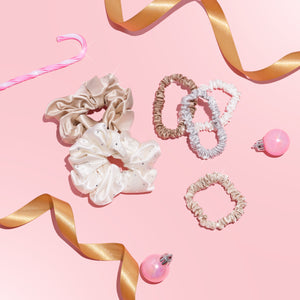
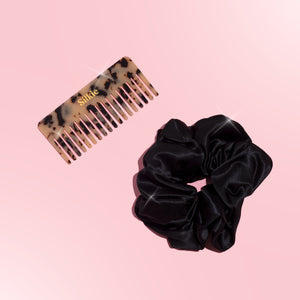
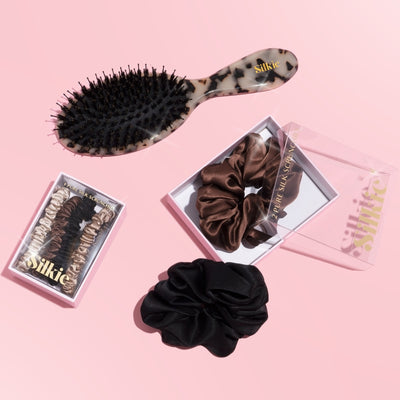
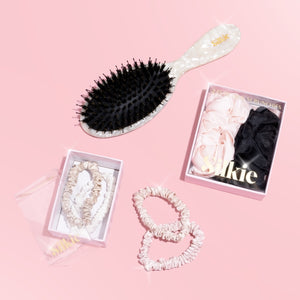
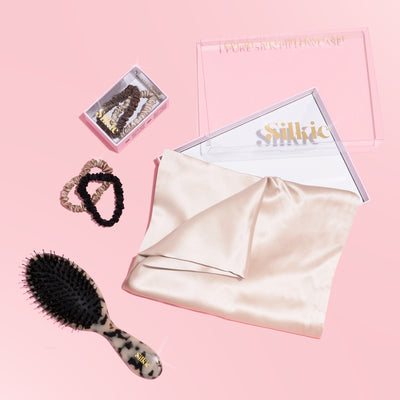
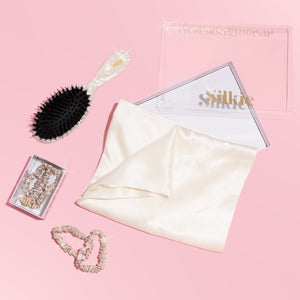
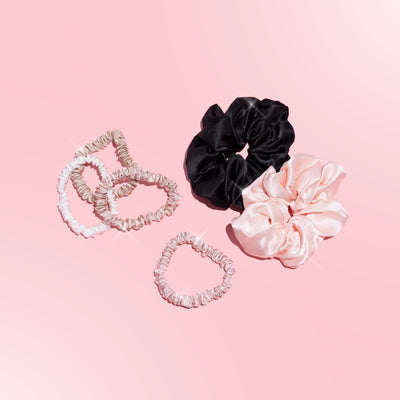
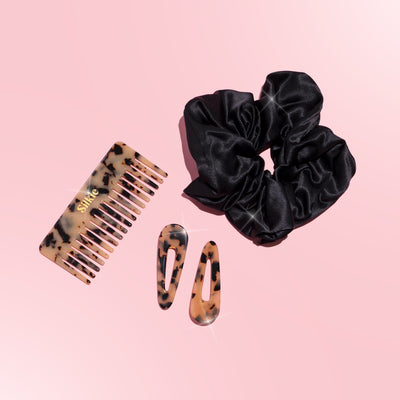
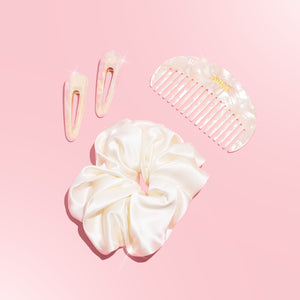
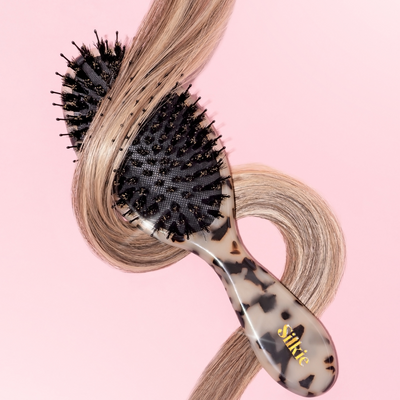
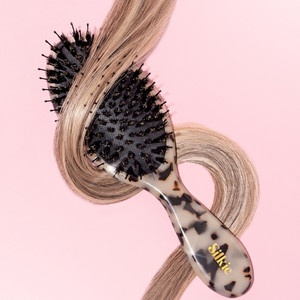
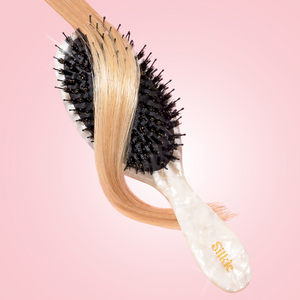
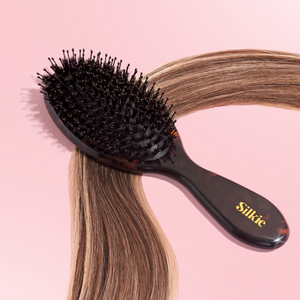
For example, Silkie's 100% Mulberry Silk Scrunchies can be used for relaxed everyday hairstyles, while the Ultimate Smoothing Brush can help you create a smoother finish when brushing and styling.
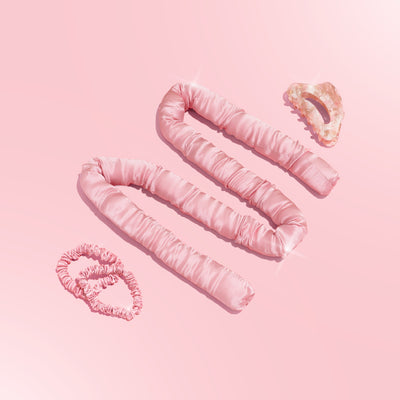
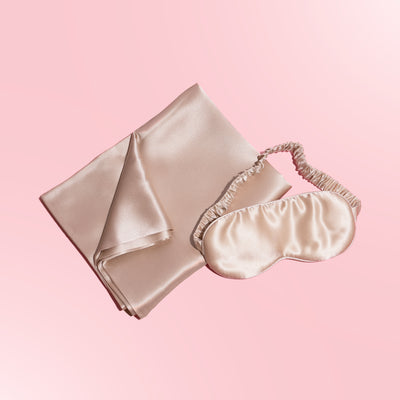
For heat free styling, Silkie's Sleep Silk Curling Set can also be used to create curls overnight without relying on heated tools.
Make Changes One at a Time
If you think your routine is doing too much, there is no need to change everything at once.
Making several changes simultaneously can make it difficult to understand what your hair responds to.
Instead, look at the products and habits you use most frequently. Consider which ones are essential, which ones are occasional and which ones may no longer be necessary for your current hair needs.
Then make one adjustment and give your hair time to respond.
This approach allows you to learn more about your hair instead of constantly changing your entire routine.
Your Routine Should Support Your Hair
A good haircare routine is not measured by how many steps it contains.
It is about how well those steps work together and how your hair feels as a result.
If your hair feels comfortable, manageable and naturally soft, you may already have a routine that works well for you.
If it regularly feels heavy, stiff, coated, difficult to style or unlike its usual self, those changes are worth paying attention to.
Your hair does not need to be managed perfectly every day. It needs care that suits its texture, lifestyle and changing needs.
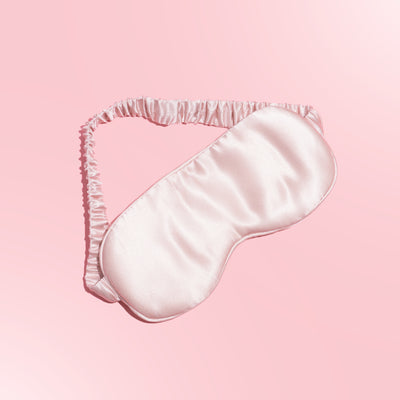
At Silkie, you can find everyday haircare and styling essentials designed to complement your routine, from silk accessories and sleep essentials to gentle brushes and heat free styling options.
Explore the collection at www.shopsilkie.com.