








How to Make Your Hair Feel Softer Without Overloading It
Soft, smooth hair does not always require more products. In fact, adding too many layers of creams, oils, masks and styling products can sometimes leave hair feeling heavy instead of soft.
The goal of softer hair is not simply to add more moisture. It is about finding the right balance between nourishment, gentle handling and the products your hair actually responds to.
Whether your hair is naturally fine, thick, straight, wavy or curly, a few thoughtful changes can help improve how it feels without leaving it weighed down.
Start With How Your Hair Feels
Before reaching for another product, pay attention to the way your hair currently feels.
Does it feel rough when you run your fingers through it? Does it tangle easily? Are the ends drier than the rest of your hair? Or does it feel coated and heavy after styling?
These differences matter because hair that feels dry does not always need another layer of product. Sometimes the issue can come from product buildup, frequent heat styling, rough brushing or environmental exposure.
Understanding what your hair is actually asking for can help you choose the right approach rather than adding something simply because your hair does not feel soft enough.
Be Thoughtful With Conditioner
Conditioner can make a noticeable difference to the softness and manageability of your hair, but the amount and placement can affect the final result.
Apply conditioner mainly through the lengths and ends, where hair often needs more attention. If your roots tend to become oily or flat, applying a rich conditioner directly to the scalp may leave your hair feeling heavier.
You do not necessarily need a large amount to achieve softer hair either. Start with enough to coat the areas that need it and adjust depending on your hair length and texture.
Allowing conditioner to sit for a short time before rinsing can also give it an opportunity to work through the hair rather than immediately washing it away.
Give Your Ends Extra Attention
The ends of your hair are the oldest part of your hair, so they can experience more brushing, styling and environmental exposure over time.
If your ends feel rough while your roots and mid lengths feel soft, focus your conditioning and protective habits on those areas instead of adding product throughout your entire head.
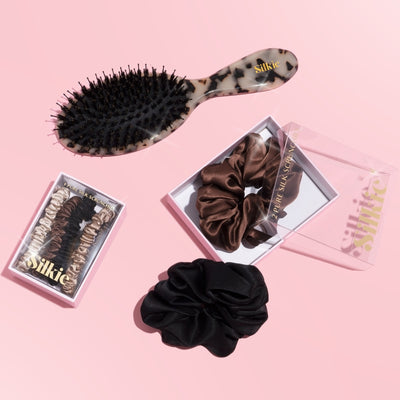
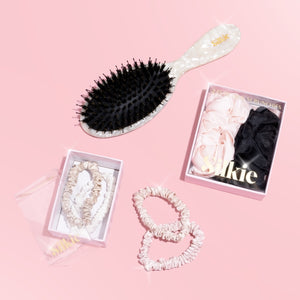
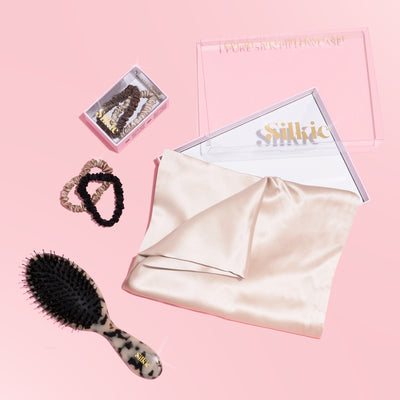
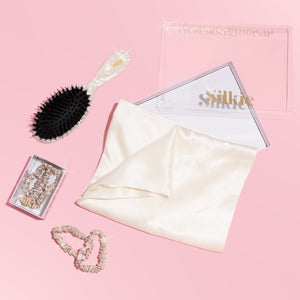
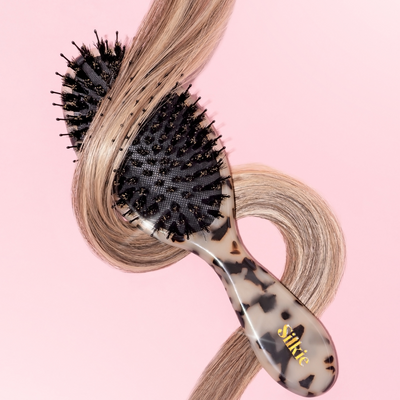
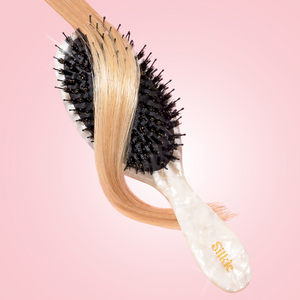
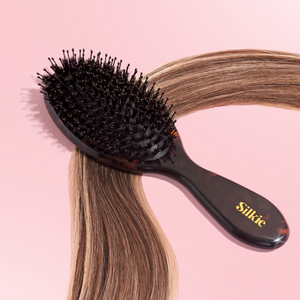
Gentle brushing can also help prevent unnecessary pulling and friction through the ends. A soft bristle brush, such as Silkie's Ultimate Smoothing Brush, can be useful when you want to smooth and style your hair while being mindful of how you handle it.
Be Careful With Oils and Serums
Oils and serums can help give hair a smoother appearance and feel, but more is not always better.
Using too much can make the hair look greasy or leave it feeling coated. This is particularly noticeable on finer hair, which can become weighed down more easily.
Try starting with a very small amount and concentrating it on the mid lengths and ends. You can always add a little more if needed, but removing excess product usually requires another wash.
The right amount should leave your hair feeling comfortable and manageable rather than covered in product.
Think About How You Dry Your Hair
The way you handle your hair after washing can also affect how soft it feels.
Wet hair is more vulnerable to stretching and breakage, so avoid aggressively rubbing it with a towel. Instead, gently squeeze out excess water and use a soft towel or suitable fabric to help dry your hair.
Try not to repeatedly twist, pull or brush through soaking wet hair unless your hair type and routine specifically call for it.
Once your hair is partially dry, use gentle movements when detangling and styling. Small changes in handling can make a difference to how your hair feels over time.
Reduce Unnecessary Friction
Hair can experience friction throughout the day and night, from clothing, towels, accessories and even your pillowcase.
Reducing some of this friction can help your hair stay smoother without requiring additional styling products.
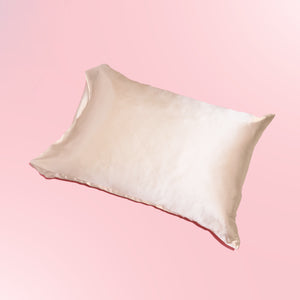
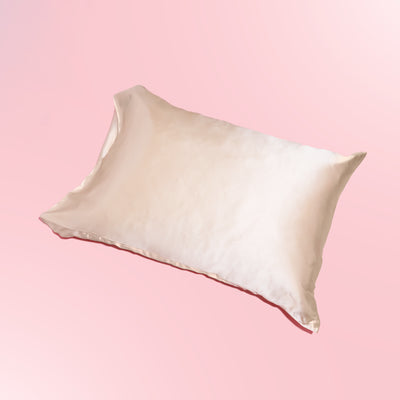
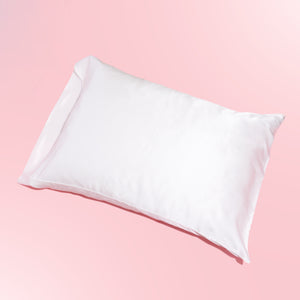
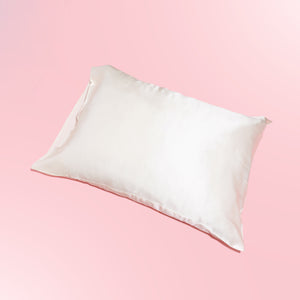
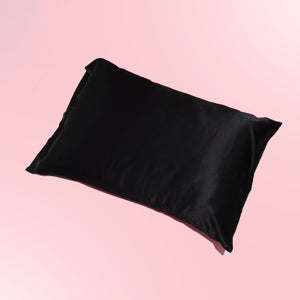
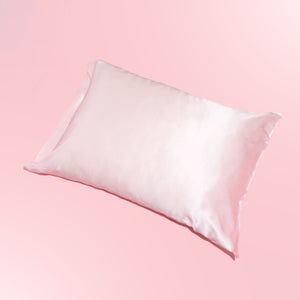
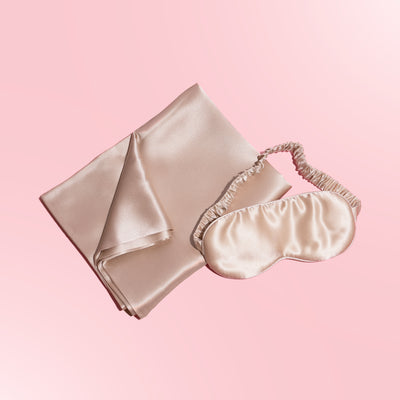
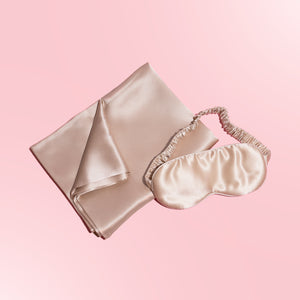
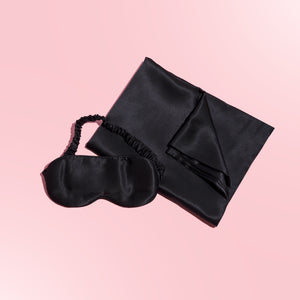
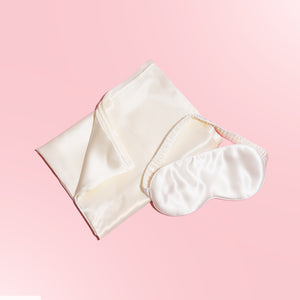
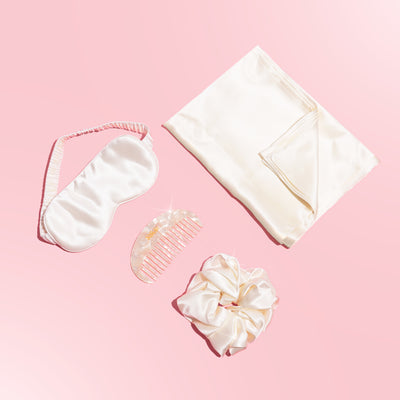
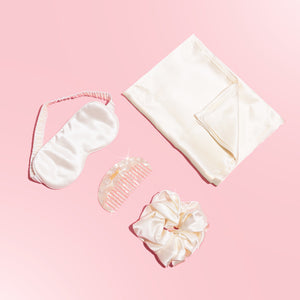
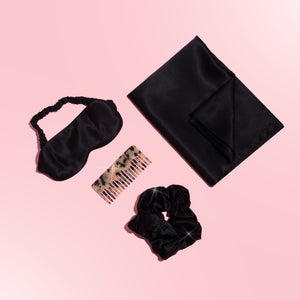
A Dreamy Mulberry Silk Pillow Case from Silkie can be a simple addition to your nighttime routine. Its smooth surface can help reduce the amount of rubbing your hair experiences while you sleep.
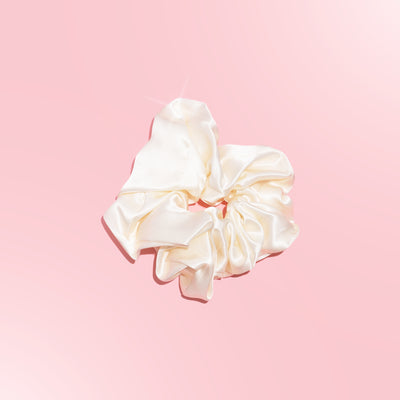
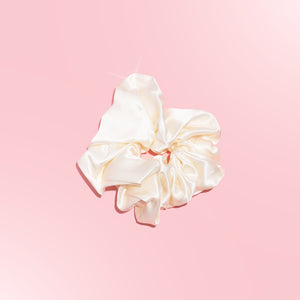
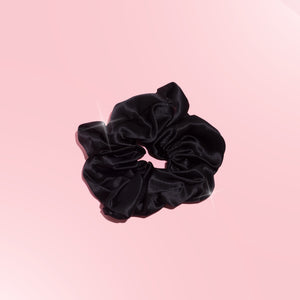
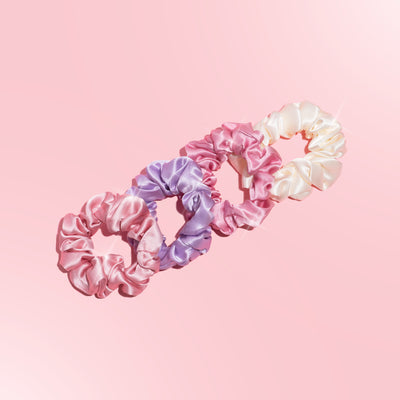
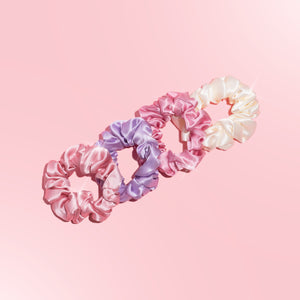
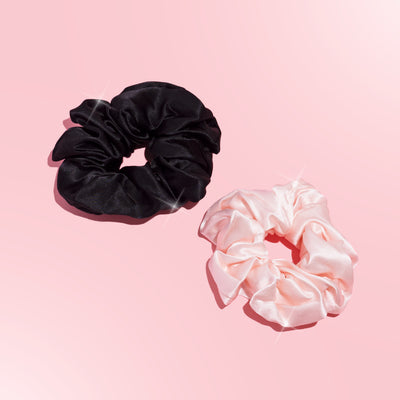
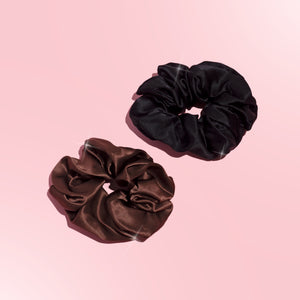
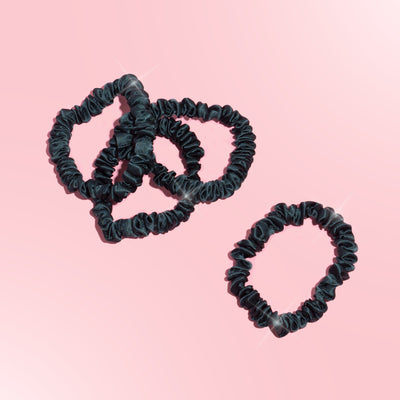
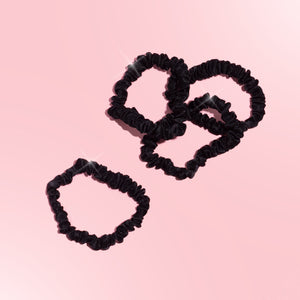
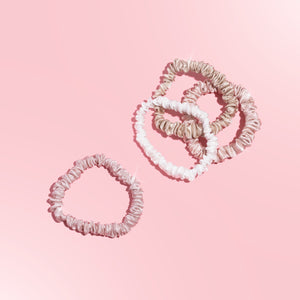
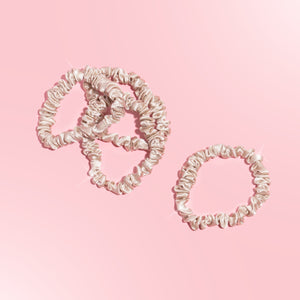
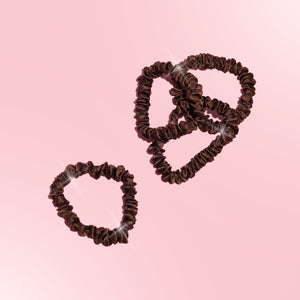
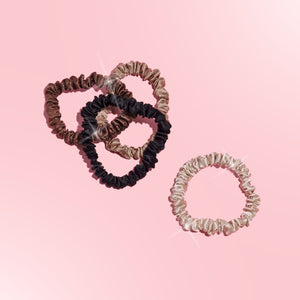
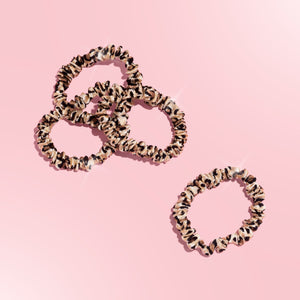
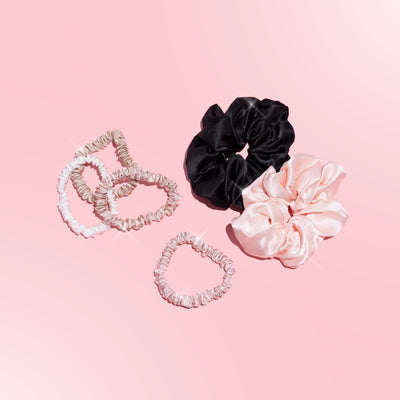
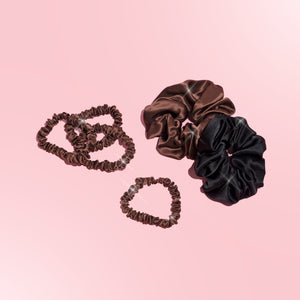
You can also consider how you tie your hair during the day. Tight or rough hair ties can create unnecessary tension and friction, while softer accessories such as Silkie's 100% Mulberry Silk Scrunchies can be a gentler option for everyday hairstyles.
Choose Styling Products Based on Your Hair
Not every hair type needs the same level of conditioning or styling support.
Fine hair may feel softer with lightweight products, while thicker or curlier hair may benefit from richer formulas. If your hair is already feeling coated, adding another heavy product may not create the softness you are looking for.
Think about the finish you want as well.
If you want movement and softness, you may not need a product designed to create a very sleek or heavily styled finish. If your main concern is dryness through the ends, focusing your product there may be more useful than applying it everywhere.
Your hair should still feel like hair rather than covered in styling product.
Give Your Hair Time Between Styling
Constantly restyling your hair can involve repeated brushing, heat, products and manipulation.
If your hair feels increasingly rough or difficult to manage, consider giving it periods where it can simply be left in its natural state.
This does not mean avoiding styling altogether. It can simply mean choosing hairstyles that require less handling on certain days.
For example, a loose ponytail secured with a soft scrunchie, a simple braid or naturally air dried hair can give your hair a break from repeated styling.
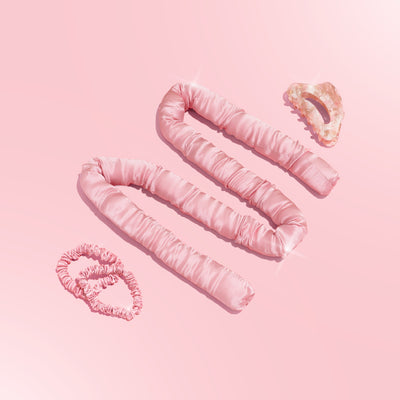
For overnight styling, Silkie's Sleep Silk Curling Set can also create curls without relying on heated styling tools, making it an option when you want to style your hair while being more mindful of heat exposure.
Do Not Confuse Softness With Heavy Moisture
One of the easiest mistakes to make is assuming that hair needs more and more moisture whenever it feels dry.
Softness is influenced by several things, including the condition of the hair, how it is handled, the products being used and how much buildup is present.
Hair can feel dry and coated at the same time. When this happens, adding another rich product may not make it feel better.
Instead, look at the bigger picture. Consider when your hair feels softest, what products you have recently used, how often you style it and how it behaves after washing.
These observations can tell you much more than simply adding another product to your shelf.
Make Gentle Haircare Part of Your Everyday Routine
Softer hair is often supported by small habits repeated consistently.
Be gentle when brushing. Pay attention to your ends. Use products according to what your hair actually needs. Avoid applying heavy products everywhere when only certain areas need them. Think about friction during sleep and styling. Give your hair opportunities to move naturally between more structured hairstyles.
None of these habits need to make your routine complicated.
The aim is simply to create an environment where your hair can feel soft, comfortable and manageable without constantly relying on layers of product.
At Silkie, the focus is on making everyday haircare feel more considered, from silk accessories and sleeping essentials to gentle styling tools. Whether you are looking for a softer way to tie your hair, protect it while you sleep or style it without excessive heat, the right tools can support your existing routine without overwhelming it.
For thoughtful haircare and everyday styling essentials, explore Silkie at www.shopsilkie.com.
SHOP OUR SILKIE PRODUCTS
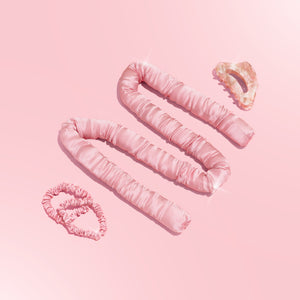
Pure Silk Heatless Curler Set
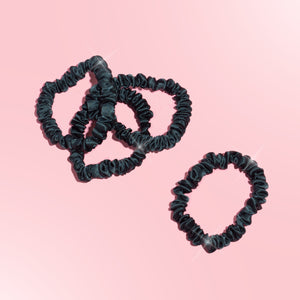
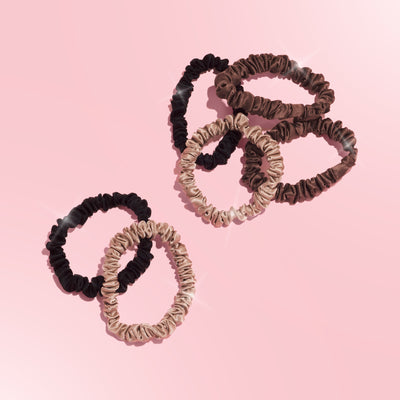
Pure Silk Skinny Scrunchies (Set of 4)
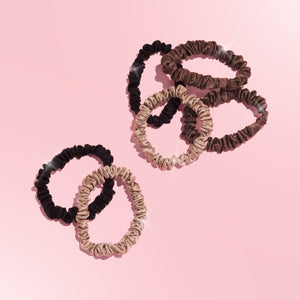
Pure Silk Skinny Scrunchies - Set of 6
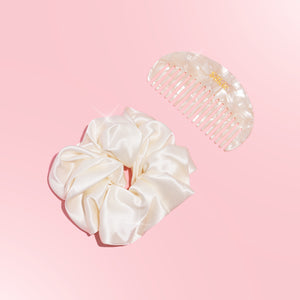
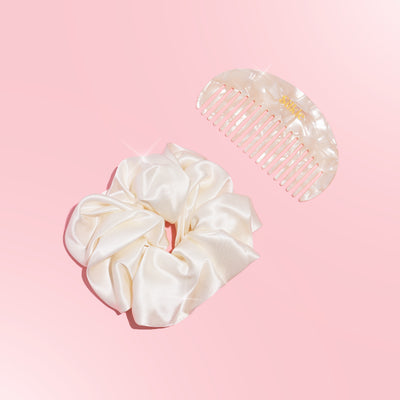
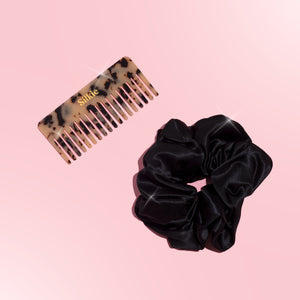
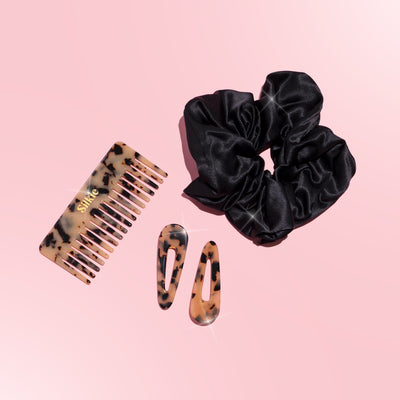
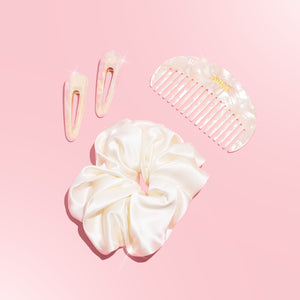
Silkie Styling Duo – Acetate Comb & Deluxe Scrunchie
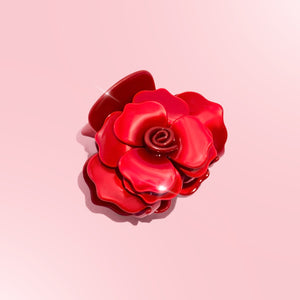
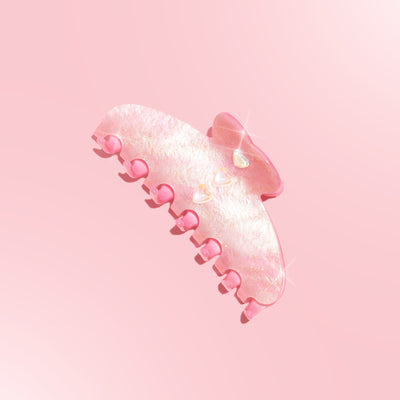
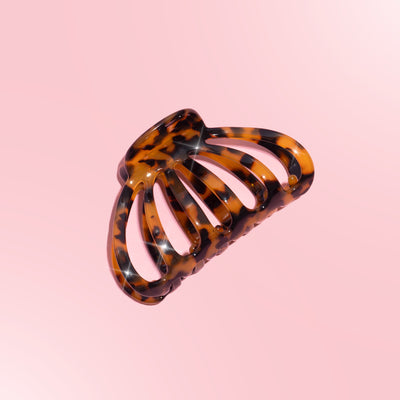
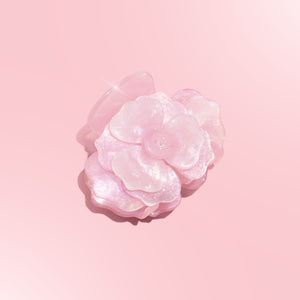
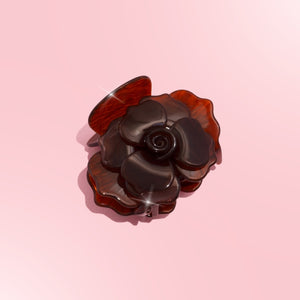
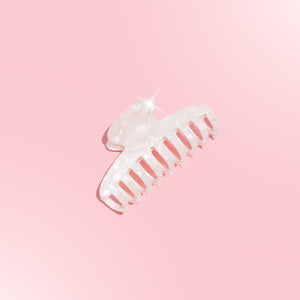
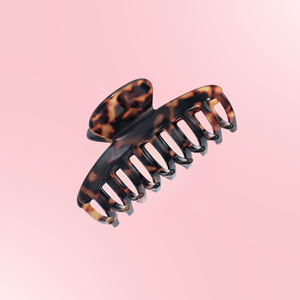
The Camellia Claw Clip
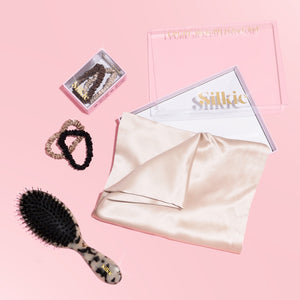
The Dream & Shine Set

The Signature Set
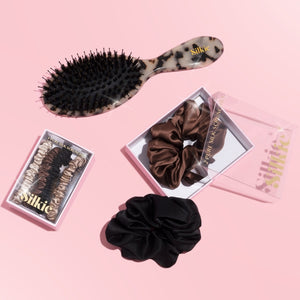
Smoothing Essential Set
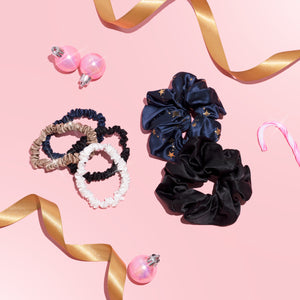
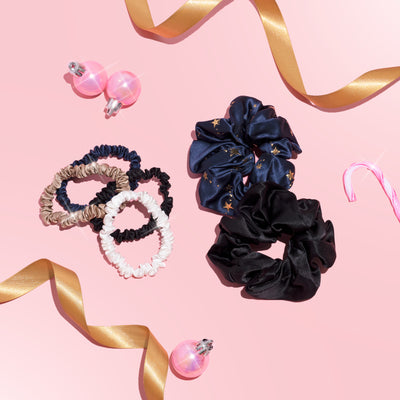
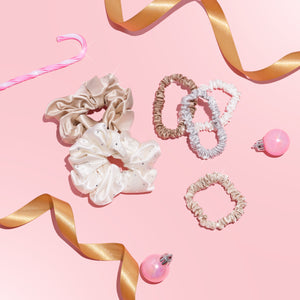
Silkie Mulberry Silk Christmas Scrunchies Set