How to Protect Your Hair From Everyday Environmental Exposure
Your hair is exposed to more than styling products and heat tools. Throughout the day, it encounters sunlight, humidity, wind, pollution, temperature changes, and friction from clothing and other surfaces. While you can't avoid every environmental factor, you can make small changes to reduce unnecessary stress on your hair. A few simple protective habits can help keep your hair feeling smoother, more manageable, and easier to care for over time.
Your Hair Faces Environmental Exposure Every Day
It's easy to think of hair damage as something that happens only after frequent heat styling or chemical treatments.
But everyday environmental exposure can also influence how your hair looks and feels.
Your hair may encounter:
- Sunlight
- Humidity
- Wind
- Rain
- Pollution
- Heat
- Dry air
- Friction from clothing and surfaces
You don't need to completely protect your hair from the outside world. Instead, focus on reducing unnecessary exposure where you can.
Sunlight Can Affect Your Hair
Spending time outdoors means your hair is exposed to UV radiation.
Extended sun exposure can contribute to dryness and changes in the appearance of the hair over time.
One of the simplest ways to reduce direct exposure is physical protection.
A hat or scarf can provide shade while also keeping your hair contained on windy days.
If you're spending several hours outside, especially during particularly sunny conditions, consider making hair protection part of your overall routine.
Humidity Can Change How Your Hair Behaves
Humidity doesn't affect every hair type in exactly the same way, but it can change how hair looks and feels.
Some people notice increased frizz, while curly and wavy hair may behave differently as moisture levels in the air change.
Instead of repeatedly brushing your hair when this happens, try working with your natural texture.
Reducing unnecessary manipulation can help prevent you from turning a temporary weather change into a longer styling session.
Wind Can Lead to Tangling
Wind is another everyday environmental factor that can make hair harder to manage.
Loose hair moves around, causing strands to rub against one another and potentially become tangled.
If you're going to be outside in windy conditions, consider a loose braid, low ponytail, or relaxed bun.
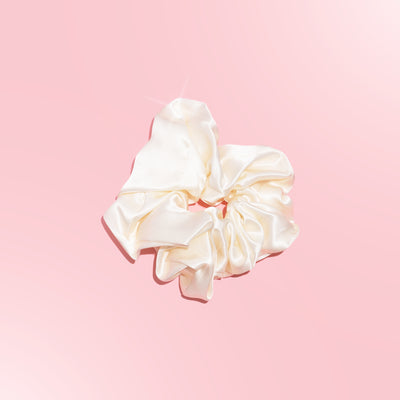
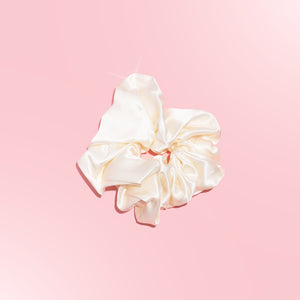
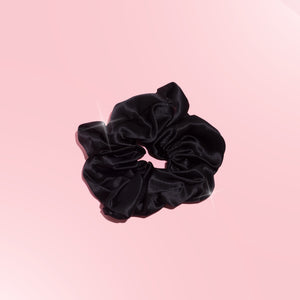
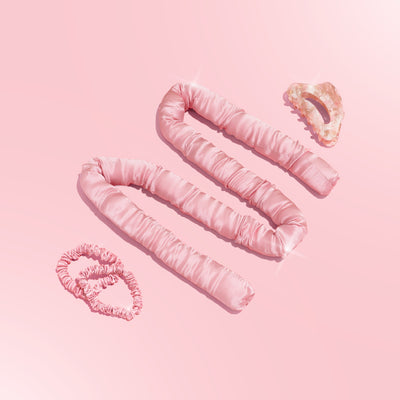
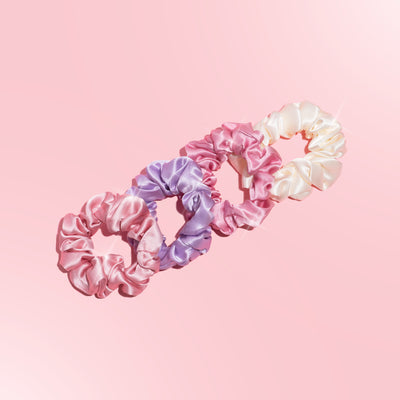
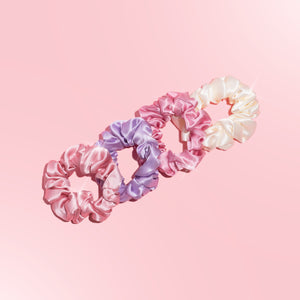
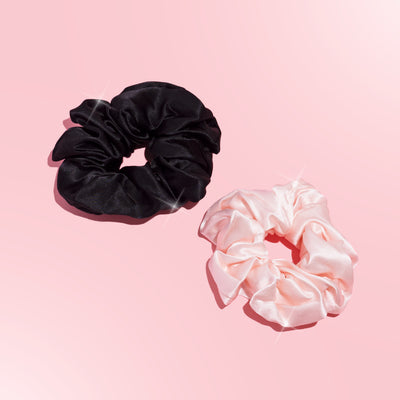
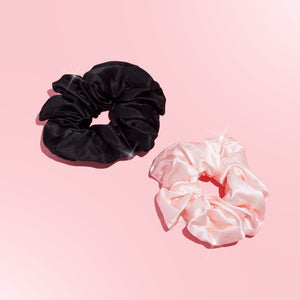
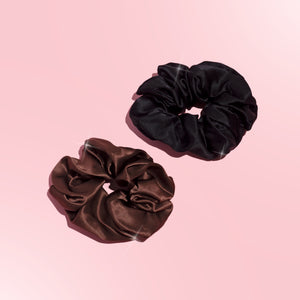
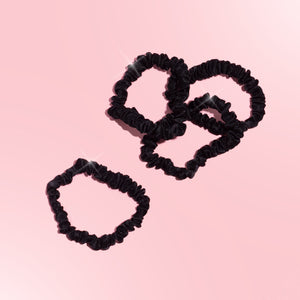
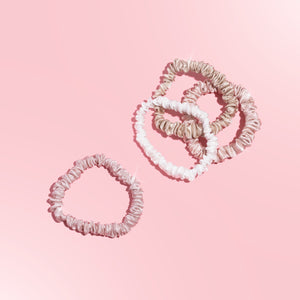
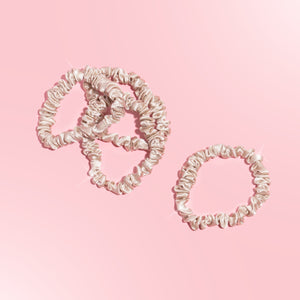
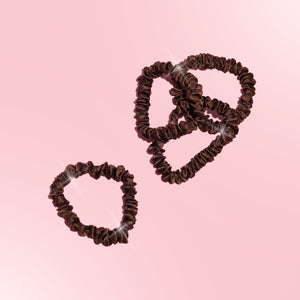
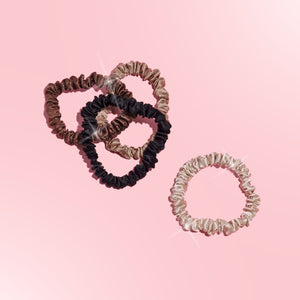
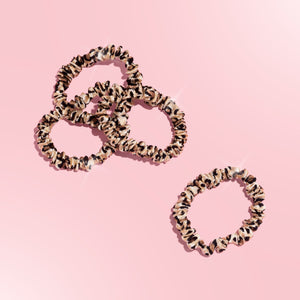
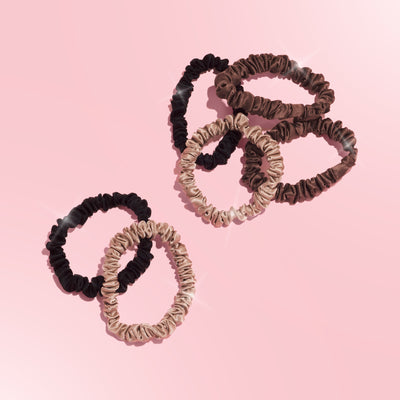
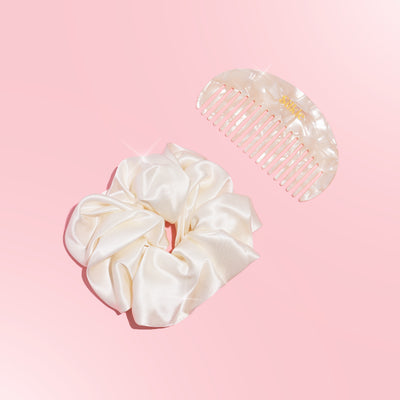
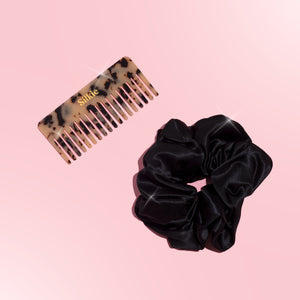
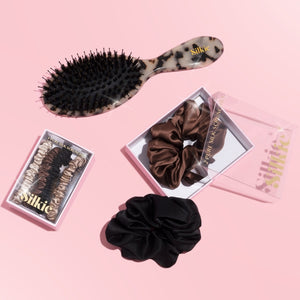
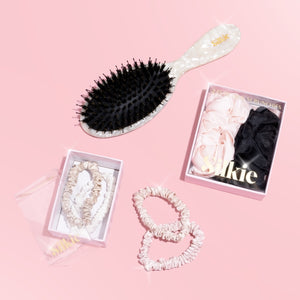
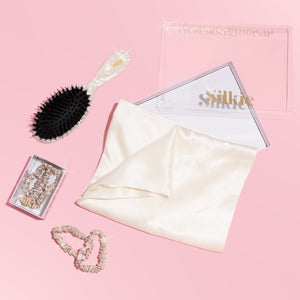
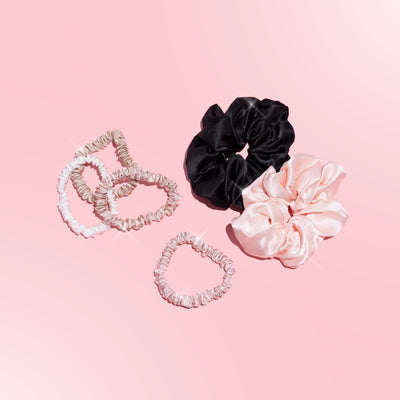
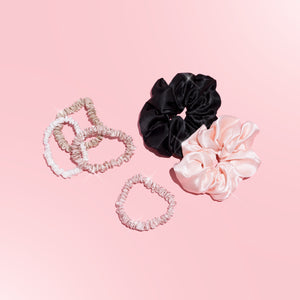
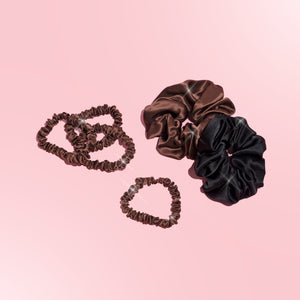
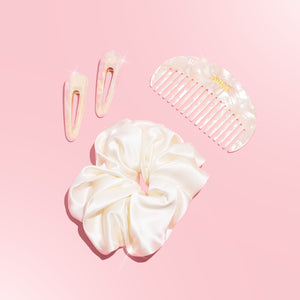
Silkie's silk scrunchies can help secure your hair comfortably while minimizing unnecessary friction.
Pollution Can Add to Product Buildup
Hair can come into contact with airborne particles throughout the day, particularly when you're spending time in busy urban environments.
While you don't need to obsess over keeping your hair completely free from environmental particles, regular cleansing can help remove accumulated residue.
Focus shampoo primarily on your scalp and allow the product to rinse through your lengths.
Avoid aggressively scrubbing your hair in an attempt to remove everything.
Heat Can Make Your Hair Feel Different
Environmental heat isn't the same as heat styling, but hot conditions can still affect your routine.
You may sweat more, spend more time outdoors, or wash your hair more frequently.
Your scalp may also become oilier than usual.
Instead of sticking rigidly to a fixed washing schedule, pay attention to what your scalp needs.
Don't Forget Your Scalp
Your scalp is exposed to the same environment as the rest of you.
Sweat, oil, styling products, and environmental residue can accumulate around the roots.
A gentle scalp massage during washing can make cleansing feel more intentional.
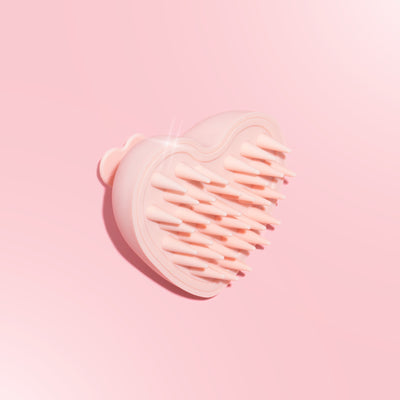
Silkie's scalp massager can be incorporated into your wash routine to gently massage the scalp while distributing your cleanser.
Keep the pressure light and avoid aggressive scratching.
Protect Your Hair From Unnecessary Friction
Environmental exposure isn't limited to weather.
Your hair also experiences friction from everyday surfaces.
Your clothing can rub against your lengths, bags can catch loose strands, and repeated contact with different materials can contribute to tangling.
When possible, choose hairstyles that keep your hair comfortably contained, especially during activities where your hair will experience a lot of movement.
Be Gentle After Being Outdoors
After spending the day outside, your hair may feel different.
It might be more tangled from wind, slightly rougher from dry conditions, or more difficult to style because of humidity.
This is not necessarily a reason to immediately reach for more products.
Start with gentle detangling.
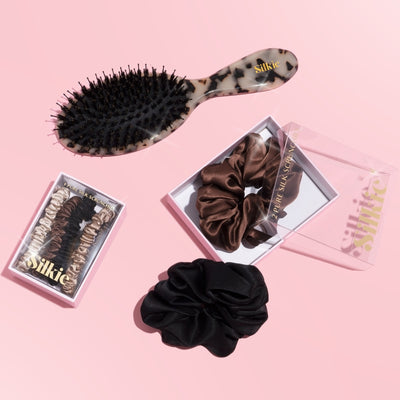
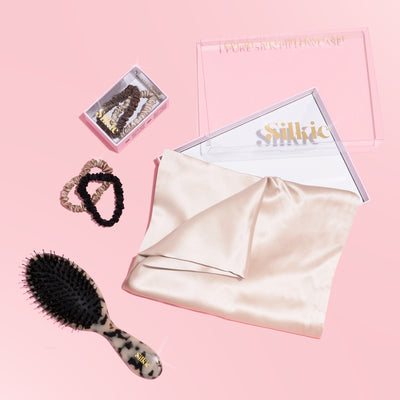
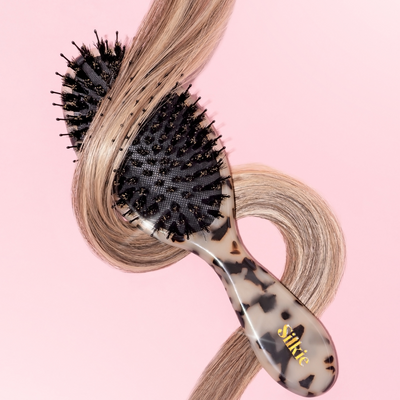
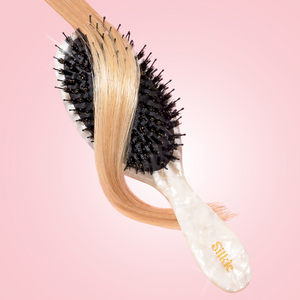
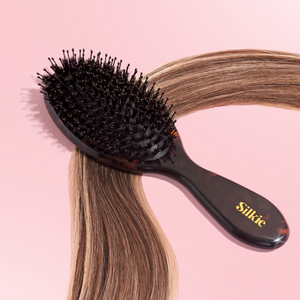
Silkie's hair brush can help you work through tangles gradually, starting at the ends and moving toward the roots.
Your Hair Needs Protection at Night Too
Once you're indoors, environmental exposure may decrease, but friction doesn't stop.
Your hair can rub against your pillow for hours while you sleep.
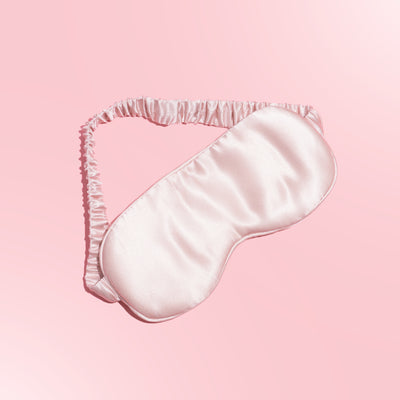
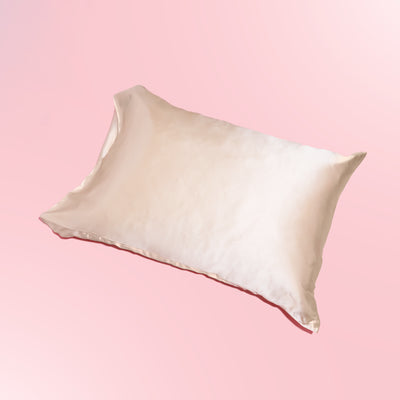
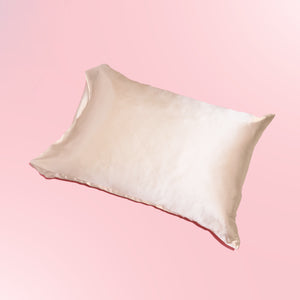
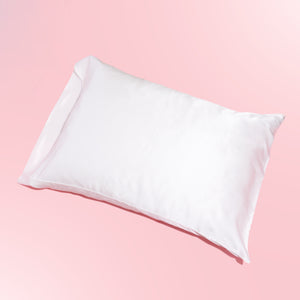
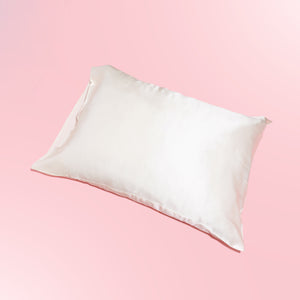
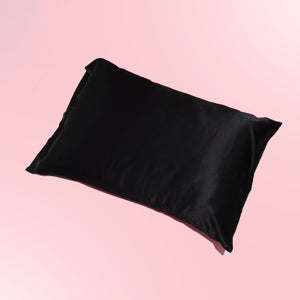
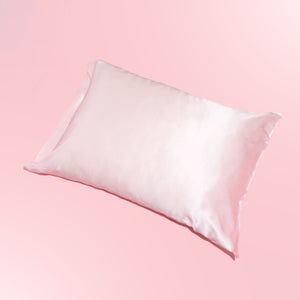
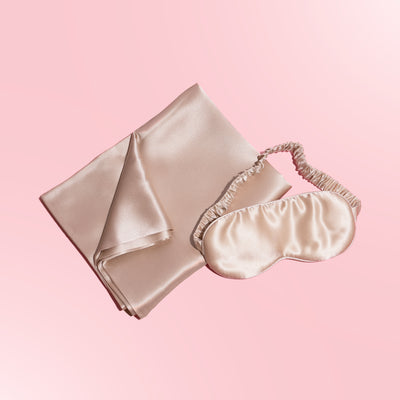
Silkie's mulberry silk pillowcases provide a smooth sleeping surface that helps reduce overnight friction.
This can help minimize unnecessary tangling after a day spent outdoors.
Use Hair Accessories That Reduce Friction
If you regularly put your hair up to protect it during the day, consider the accessories you're using.
Tight or rough elastics can create additional friction and tension.
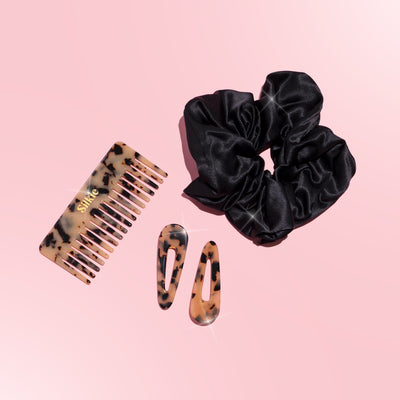
Silkie's silk scrunchies provide a softer alternative for securing your hair in relaxed styles.
A loose ponytail or bun can keep your hair controlled without requiring a tight hold.
Work With the Weather
Trying to make your hair look exactly the same every day can lead to excessive styling.
Instead, let your environment influence your hairstyle.
On humid days, embrace your natural texture.
On windy days, secure your hair loosely.
On sunny days, consider a hat.
On particularly hot days, keep your hair comfortably away from your face and neck.
Adapting your styling habits can be easier on your hair than constantly fighting environmental changes.
Focus on Prevention
You can't eliminate environmental exposure completely.
What you can do is reduce unnecessary stress through consistent habits.
Protect your hair from prolonged sun exposure, minimize friction, cleanse your scalp appropriately, detangle gently, and avoid excessive styling when the weather makes your hair harder to control.
These small choices can add up over time.
A Simple Daily Protection Routine
You don't need a complicated system to protect your hair.
Morning: Choose a hairstyle appropriate for the day's weather.
During the day: Use physical protection from prolonged sun and secure your hair in windy conditions.
After being outdoors: Gently detangle instead of aggressively brushing.
Wash day: Cleanse your scalp and condition your lengths appropriately.
Before bed: Reduce overnight friction with a smooth sleeping surface.
The goal is consistency rather than perfection.
Your Environment Doesn't Have to Control Your Hair
Environmental exposure is part of everyday life, but your haircare routine can help you manage it.
The key is to focus on the things you can control.
You can't change the humidity or stop the wind, but you can choose a gentler hairstyle, protect your hair from prolonged sun exposure, and reduce unnecessary friction.
Over time, these habits can make your hair easier to maintain.
Protect Your Hair Every Day With Silkie
Your hair encounters countless environmental factors before you even realize it. Sunlight, humidity, wind, pollution, and everyday friction can all influence how your hair looks and feels.
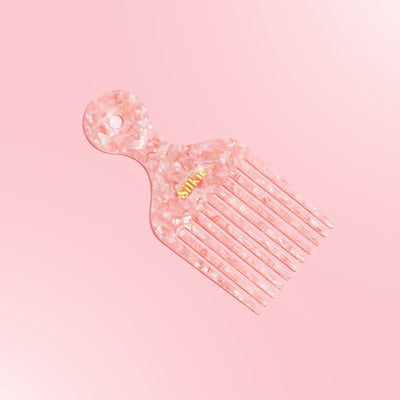
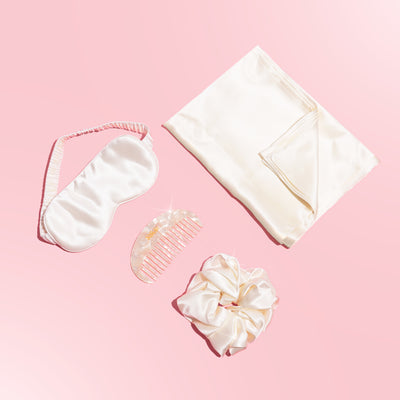
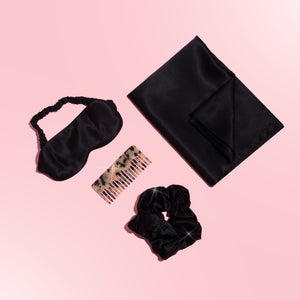
Silkie's collection of hair brushes, scalp massagers, silk scrunchies, texture picks, and mulberry silk pillowcases is designed to support gentler everyday haircare and help you minimize unnecessary manipulation.
Explore the collection at www.shopsilkie.com and build simple protective habits that work for your everyday routine.