







The Hidden Causes of Hair Friction You Encounter Daily
When people think about hair damage, they often blame heat tools, chemical treatments, or harsh products. While those can certainly contribute, one of the most overlooked causes of hair stress is friction. Every day, your hair encounters countless sources of friction that can gradually lead to frizz, tangles, roughness, and breakage. Understanding where this friction comes from is the first step toward building a healthier haircare routine.
What Is Hair Friction?
Hair friction occurs whenever your strands rub against another surface.
This can happen when hair comes into contact with:
- Fabrics
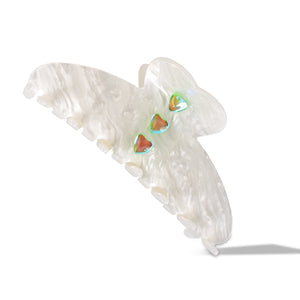
- Hair accessories
- Brushes
- Furniture
- Other strands of hair
Although friction is a normal part of daily life, excessive friction can wear down the hair cuticle over time, making hair more vulnerable to damage.
Why Friction Matters More Than You Think
The cuticle is the outer protective layer of the hair strand.
When friction repeatedly affects the cuticle, it can lead to:
- Increased roughness
- Reduced shine
- More tangles
- Greater susceptibility to breakage
- Increased frizz
Unlike temporary styling concerns, friction-related damage tends to accumulate gradually through everyday habits.
Your Pillowcase Is a Major Source of Friction
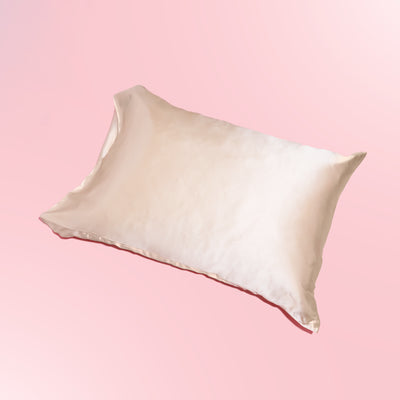
Many people spend seven to eight hours every night with their hair pressed against a pillowcase.
Throughout the night, hair experiences:
- Constant movement
- Repeated rubbing
- Pressure from sleeping positions
This extended contact can contribute to:
- Morning frizz
- Tangles
- Flattened areas
- Rougher texture
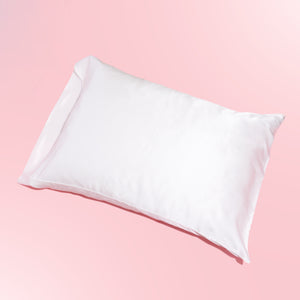
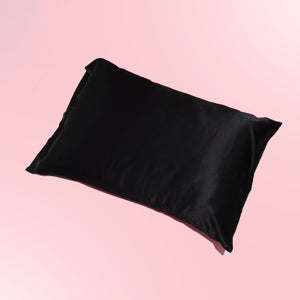
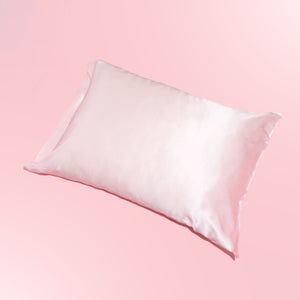
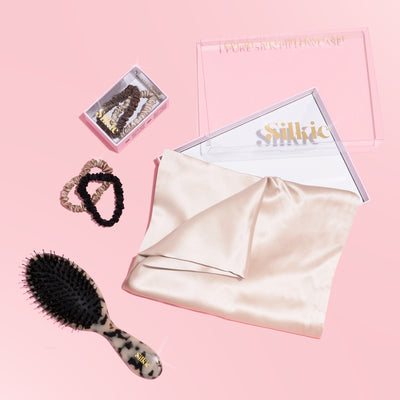
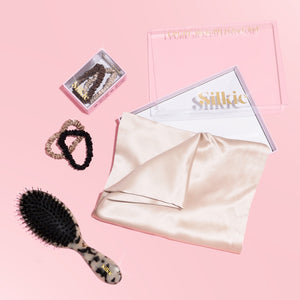
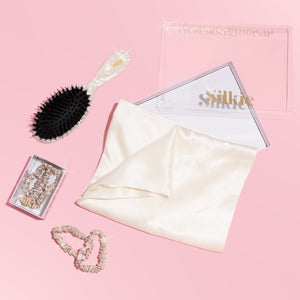
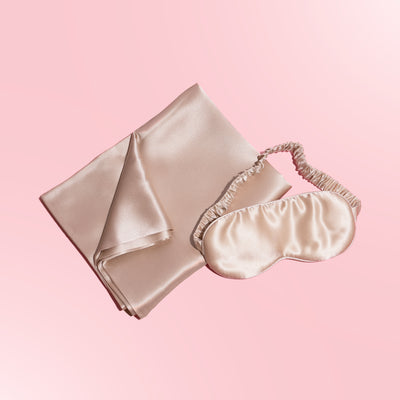
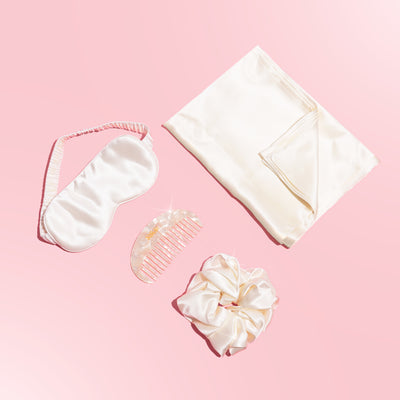
Silkie’s mulberry silk pillowcases provide a smoother surface that helps reduce the friction hair experiences during sleep.
Clothing Creates Continuous Contact
If you have medium or long hair, your clothing may be affecting your hair more than you realize.
Hair frequently rubs against:
- Sweaters
- Hoodies
- Jackets
- Scarves
- High-neck tops
This repeated contact can gradually roughen the hair surface and contribute to tangling throughout the day.
Traditional Hair Ties Can Increase Friction
Hair accessories are designed to secure hair, but not all accessories treat hair equally.
Traditional elastics can:
- Grip the hair tightly
- Create localized friction
- Pull on the same sections repeatedly
Over time, this can contribute to breakage and stress around the areas where hair is secured.
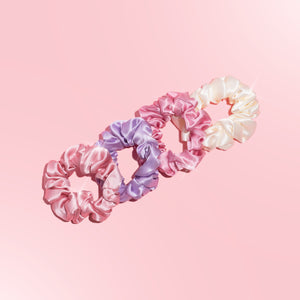
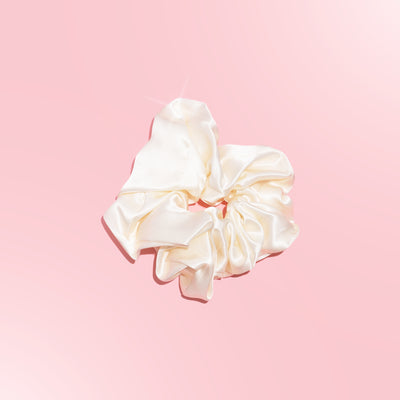
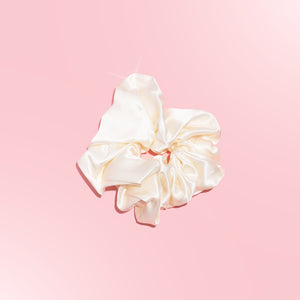
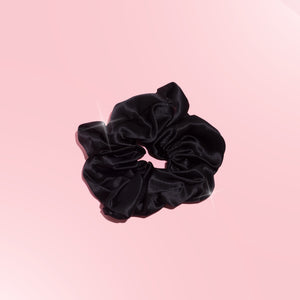
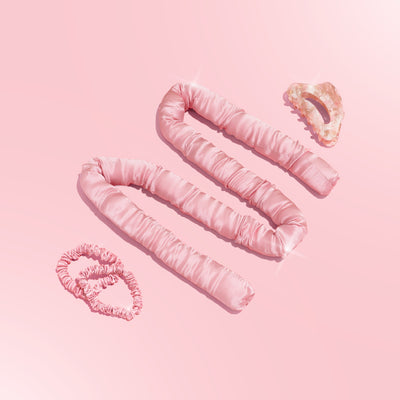
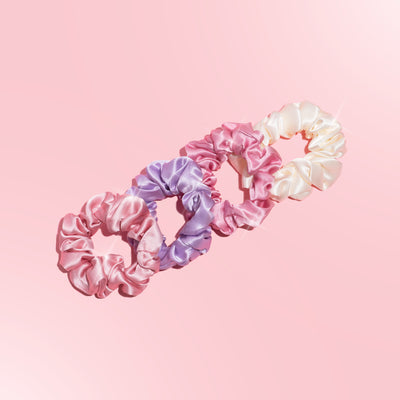
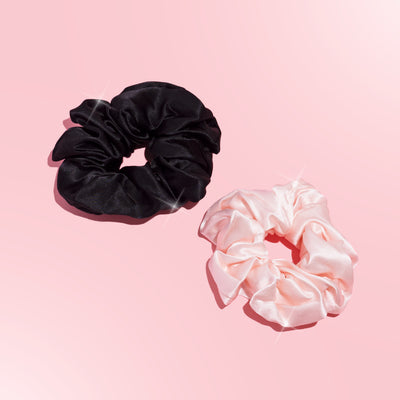
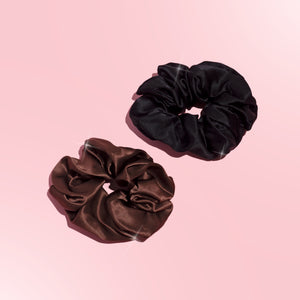
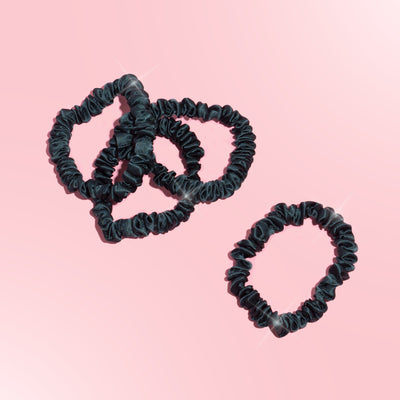
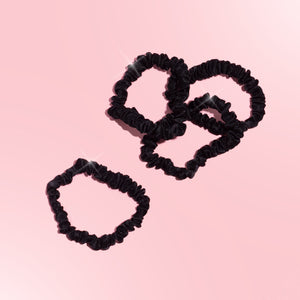
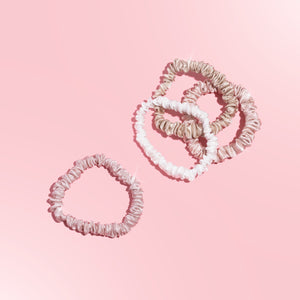
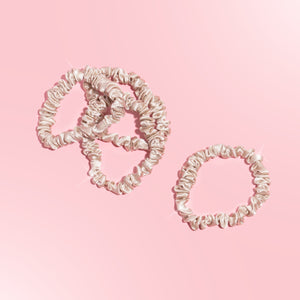
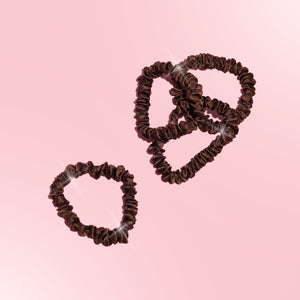
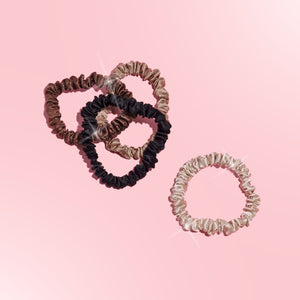
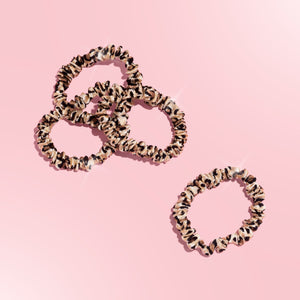
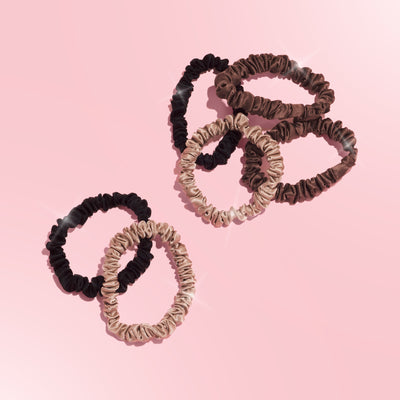
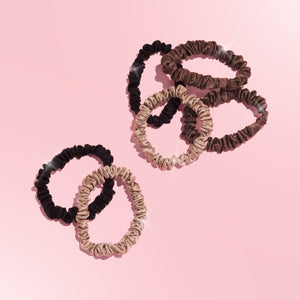
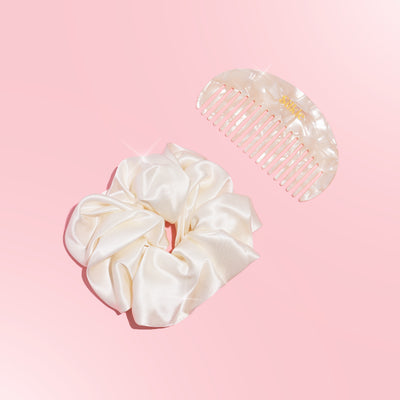
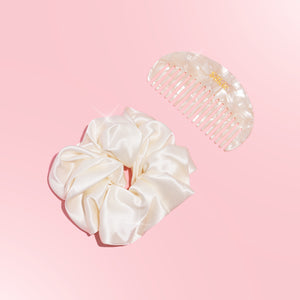
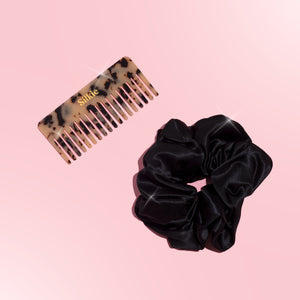
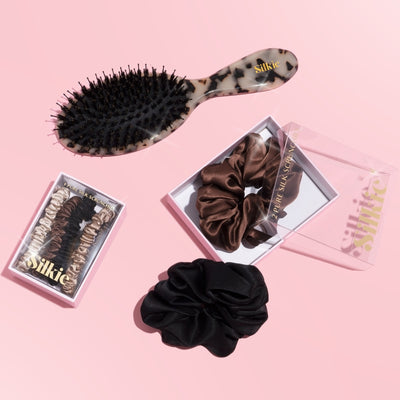
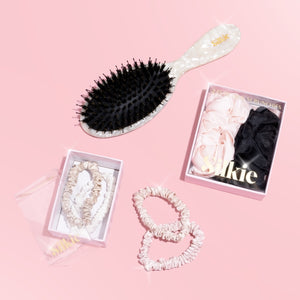
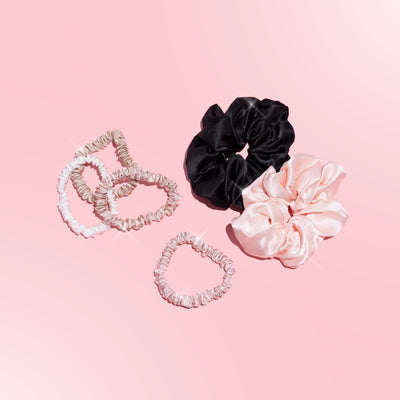
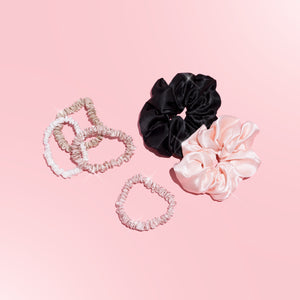
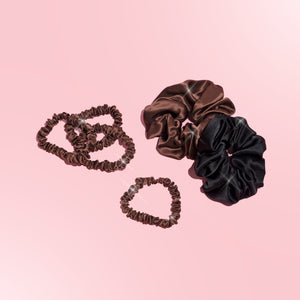
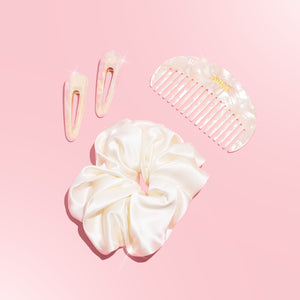
Silkie’s silk scrunchies are designed to help reduce friction and tension while keeping hairstyles comfortably in place.
Over-Brushing Can Create Unnecessary Stress
Brushing is essential for many hair types, but excessive or aggressive brushing can increase friction.
Common brushing mistakes include:
- Pulling through knots forcefully
- Brushing too frequently
- Using rough or unsuitable tools
Each pass of a brush creates contact with the hair shaft, making gentle brushing techniques especially important.
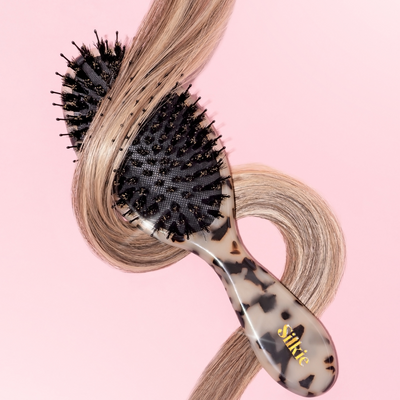
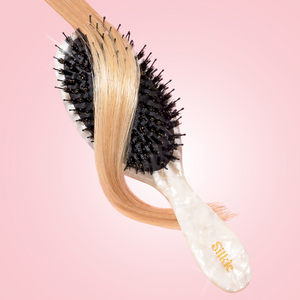
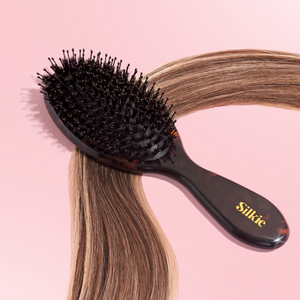
Silkie’s hair brush is designed to support smoother detangling with less pulling and resistance.
Your Furniture Plays a Bigger Role Than You Realize
Hair often spends hours resting against surfaces such as:
- Office chairs
- Sofas
- Car headrests
- Dining chairs
These contact points create repeated friction, particularly at the back of the head.
Over time, this can affect:
- Smoothness
- Volume
- Hair alignment
- Overall texture
Wind Can Create Hair Friction Too
Friction isn't always caused by physical surfaces.
Wind exposure can:
- Cause strands to rub against one another
- Create tangles
- Increase knot formation
- Disrupt curl patterns
This is one reason why hair may feel rougher after spending extended periods outdoors.
Frequent Hair Touching Adds Up
Many people touch their hair throughout the day without realizing it.
Common habits include:
- Running fingers through the hair
- Twisting strands
- Repeatedly adjusting hairstyles
- Tucking hair behind the ears
While each action seems harmless, repeated manipulation creates additional friction and disrupts the hair's natural alignment.
Curly and Coily Hair Often Experience More Friction
Textured hair naturally contains more bends and curves along each strand.
This structure creates:
- More opportunities for strands to catch on one another
- Increased tangling
- Greater sensitivity to friction
Reducing daily friction can help support curl definition and improve overall manageability.
How Small Sources of Friction Create Long-Term Effects
Hair friction is rarely dramatic.
Instead, it works through accumulation.
A single day of friction may not cause visible changes, but months of repeated contact can contribute to:
- Increased frizz
- Reduced smoothness
- More breakage
- Difficulty maintaining hairstyles
The impact often becomes noticeable only after it has built up over time.
Building a Lower-Friction Hair Routine
Reducing hair friction doesn't require an entirely new routine.
Simple adjustments can help:
- Sleep on a silk pillowcase
- Use silk scrunchies instead of traditional elastics
- Detangle gently with appropriate tools
- Limit unnecessary hair manipulation
- Choose protective hairstyles when appropriate
These small changes can significantly reduce the cumulative stress your hair experiences every day.
Reduce Daily Hair Friction With Silkie
Many of the factors affecting your hair are hidden in plain sight. From your pillowcase and clothing to your styling habits and accessories, friction surrounds your hair throughout the day. By reducing these sources of stress, you can help maintain smoother, healthier-looking hair over time.
Silkie’s collection of mulberry silk pillowcases, silk scrunchies, and gentle hair tools is designed to minimize friction and support a lower-stress approach to haircare.
Explore the full collection at www.shopsilkie.com and discover how reducing everyday friction can make a lasting difference for your hair.
SHOP OUR SILKIE PRODUCTS
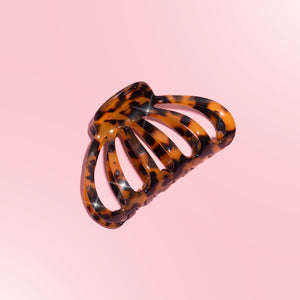
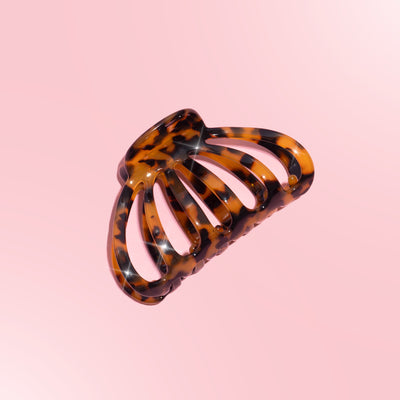
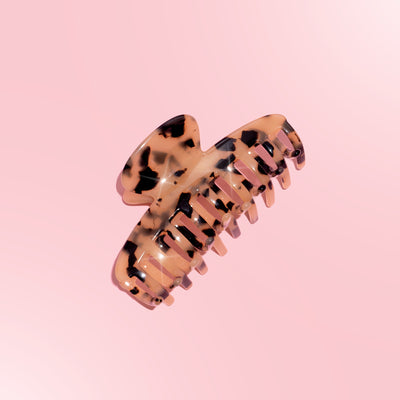
The Acetate Resin Butterfly Claw Clip in Tortoiseshell
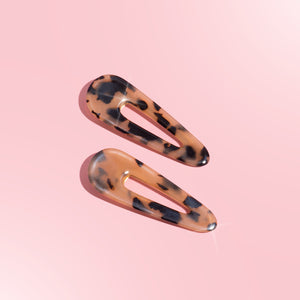
The Hair Slides
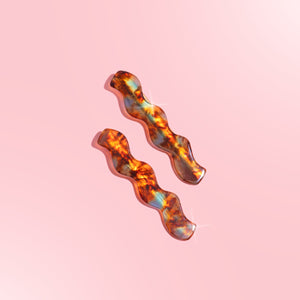
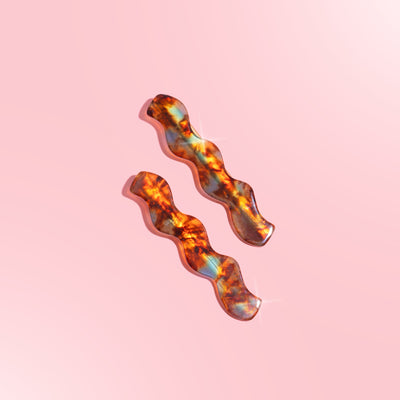
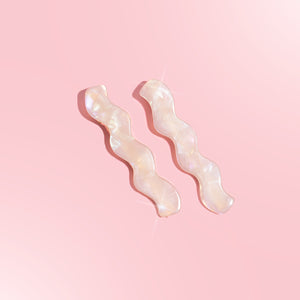
The Wave Hair Slides

Individual Silkie scrunchie (Colour may vary)
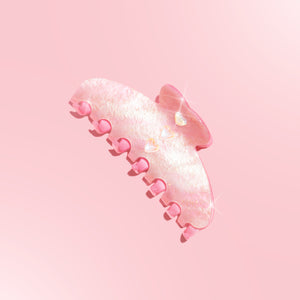
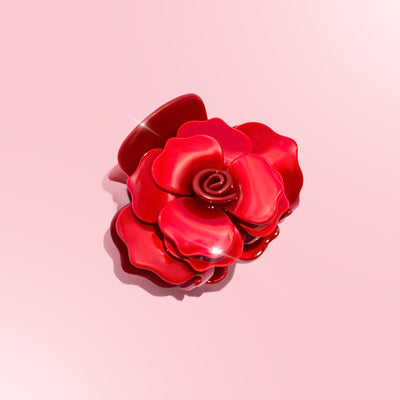
Love Valentine's Acetate Hair Clip
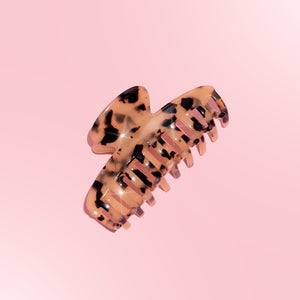
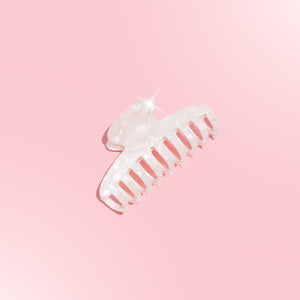
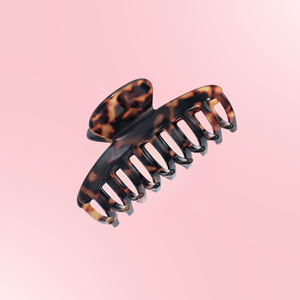
The Classic Claw Clip

The Creaseless Hair Slides

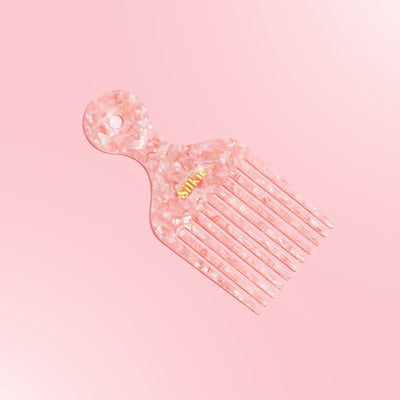
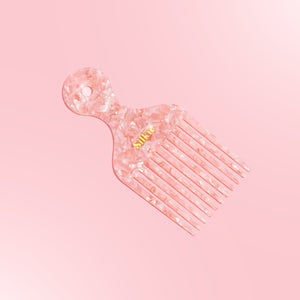
The Detangling Comb

Glow Drops Perfumed Hair Oil