


























The Overnight Habits That Quietly Damage Your Hairline
Many people focus on daytime haircare — styling products, treatments, and salon routines — yet some of the most damaging habits happen while you sleep. Your hairline, also known as the edges, is particularly vulnerable to friction, tension, and moisture loss overnight. Understanding these hidden habits can help you protect one of the most delicate areas of your hair.
Why the Hairline Is So Sensitive
The hairline is made up of finer, shorter strands compared to the rest of the hair. These strands naturally have less strength and are more susceptible to external stress.
Because of this delicate structure, the hairline often experiences the first signs of damage, such as:
-
Thinning edges
-
Breakage along the hairline
-
Increased frizz
-
Short, uneven strands
Many people assume styling products are the main cause, but everyday habits — especially those during sleep — often play a bigger role.
Habit 1: Sleeping on Rough Fabrics
One of the most common causes of overnight hairline damage is friction from pillowcase fabric.
Traditional cotton pillowcases create resistance when hair rubs against the surface during sleep. Each time you turn your head, delicate strands along the hairline experience small amounts of pulling and stress.
Over time, this repeated friction can weaken the hair cuticle and contribute to breakage around the edges.
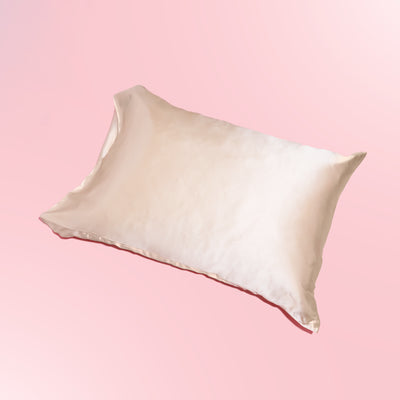
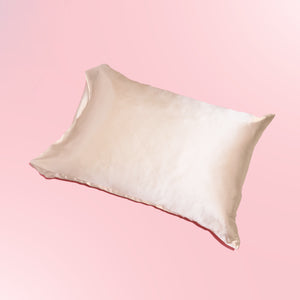
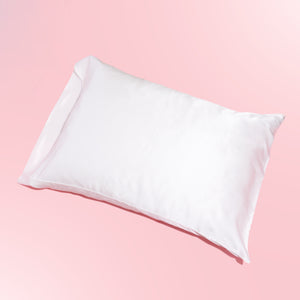
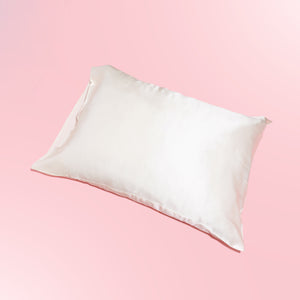
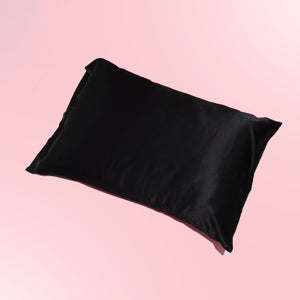
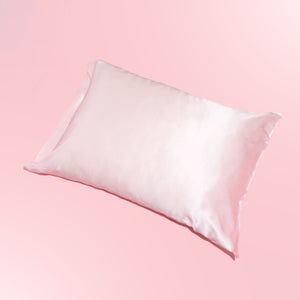
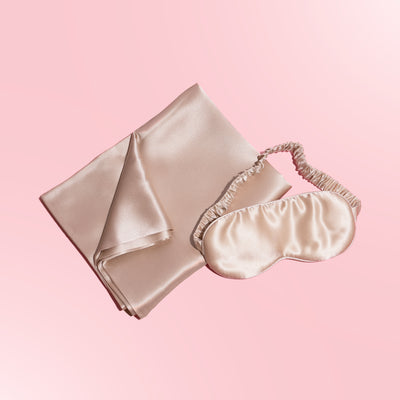
Switching to a smoother surface can make a noticeable difference. Silk pillowcases allow hair to glide across the fabric rather than snag, reducing unnecessary friction while you sleep.
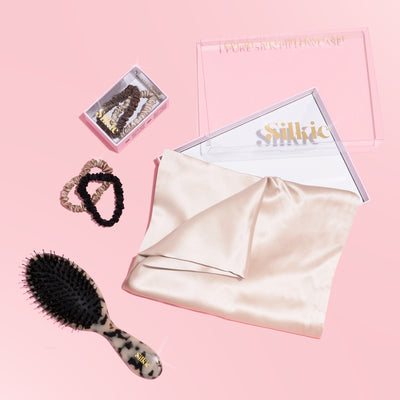
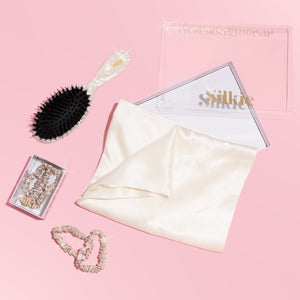
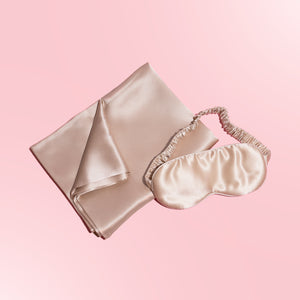
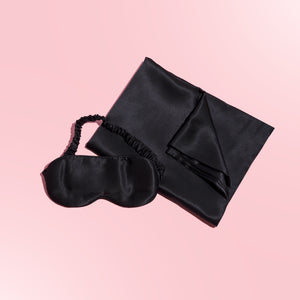
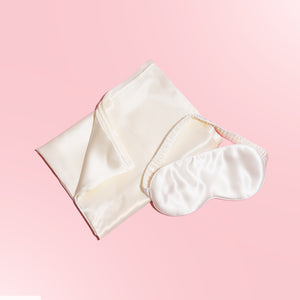
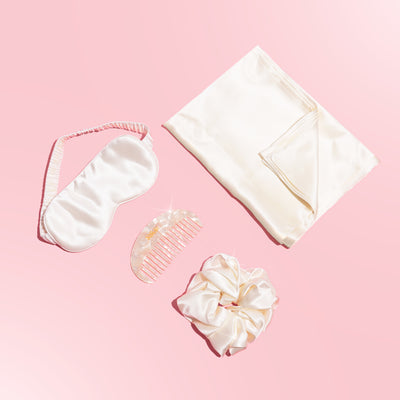
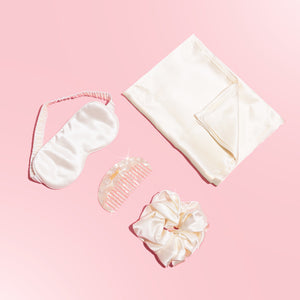
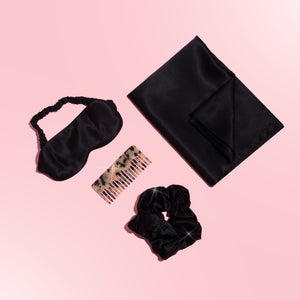
Silkie’s mulberry silk pillowcases are designed to help create a gentler sleep environment for both hair and skin.
Habit 2: Tight Hairstyles Before Bed
Another habit that can quietly damage the hairline is sleeping in tight hairstyles.
High ponytails, tight buns, and rigid braids place tension on the roots and edges for several hours at a time. When this pressure continues overnight, it can weaken the follicles along the hairline.
A better alternative is choosing low-tension styles such as:
-
A loose braid
-
A relaxed low ponytail
-
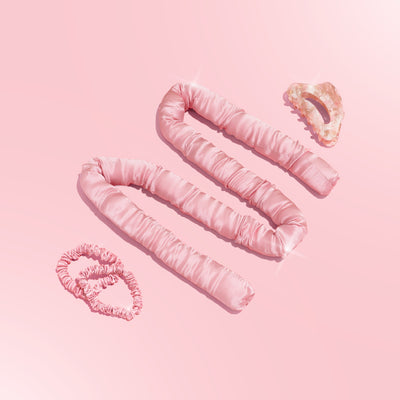
A soft overnight curl set
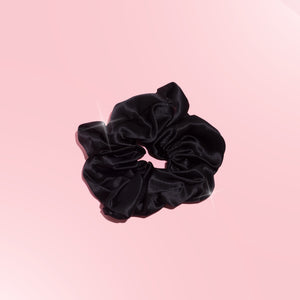
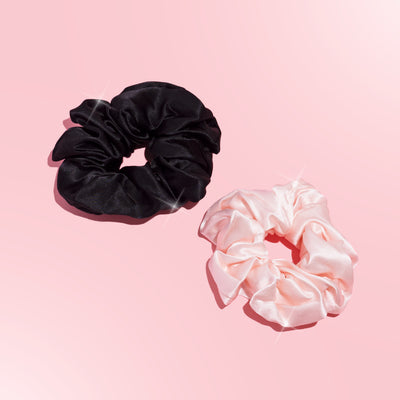
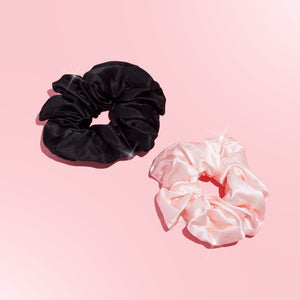
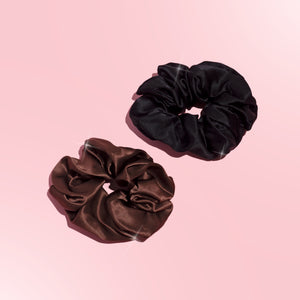
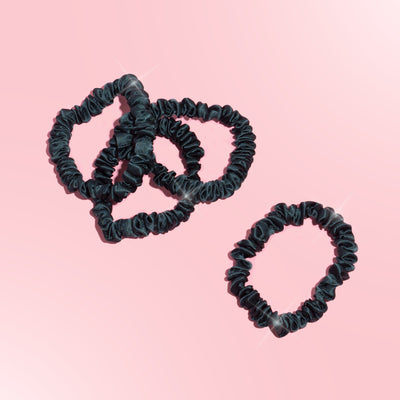
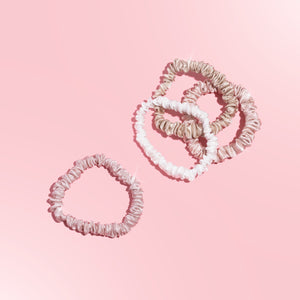
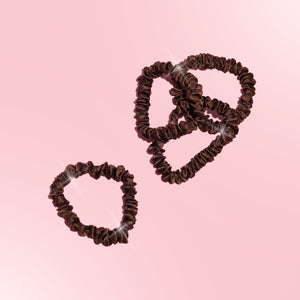
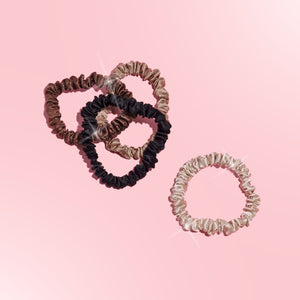
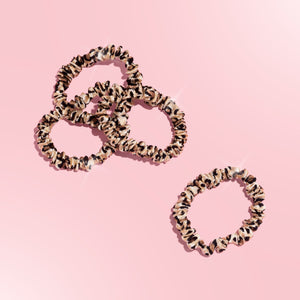
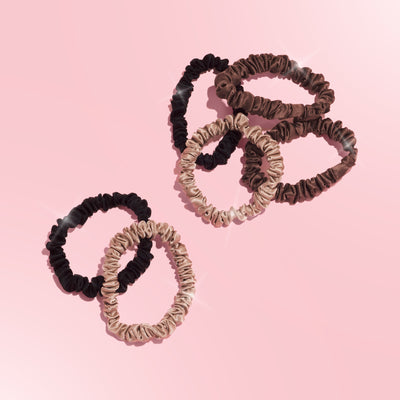
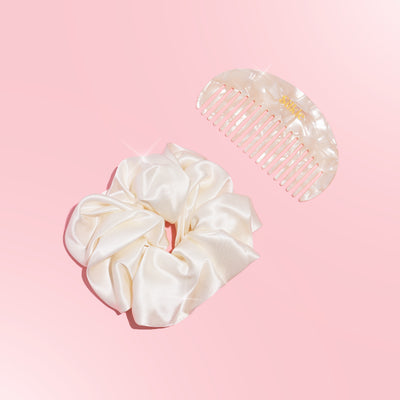
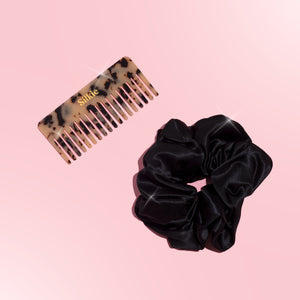
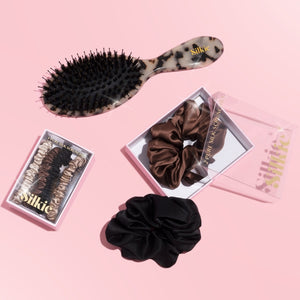
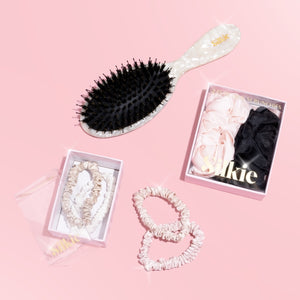
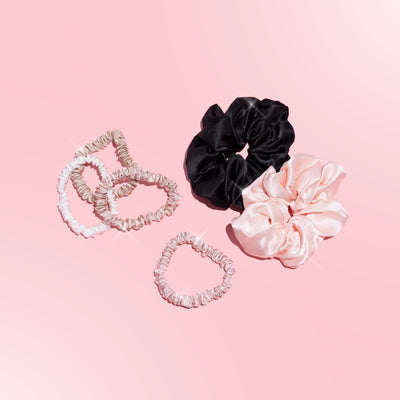
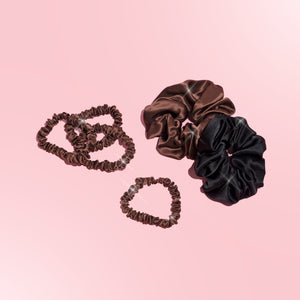
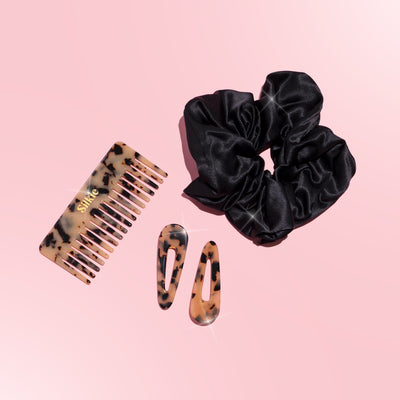
Using a silk scrunchie instead of a traditional elastic can also help reduce stress on the edges while keeping hair secured.
Habit 3: Sleeping With Tangled Hair
Going to bed with tangled hair can also affect the hairline more than people realize.
As hair shifts during sleep, knots tighten and strands pull against each other. This movement can lead to unnecessary breakage, especially near fragile areas like the edges.
A quick, gentle detangling routine before bed can prevent this problem.
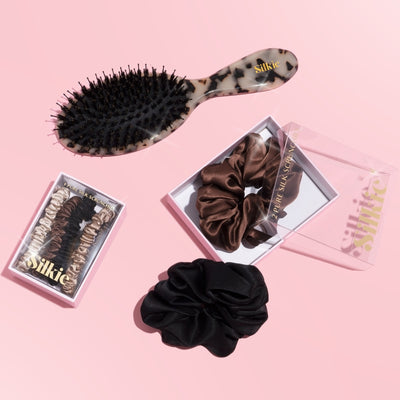
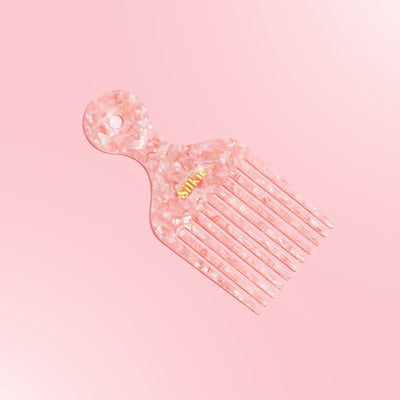
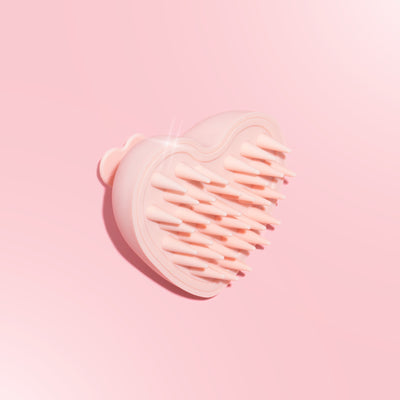
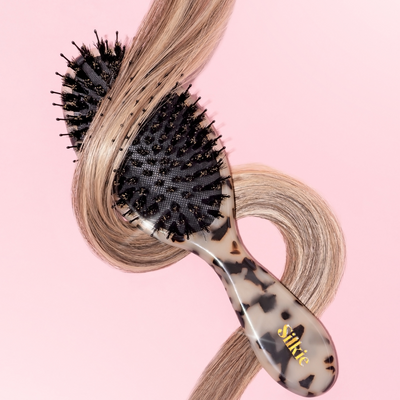
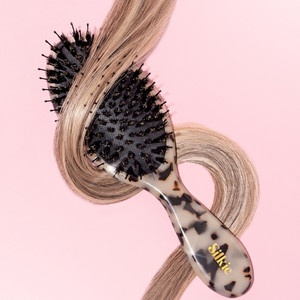
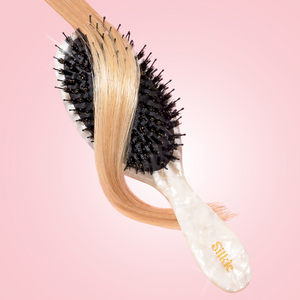
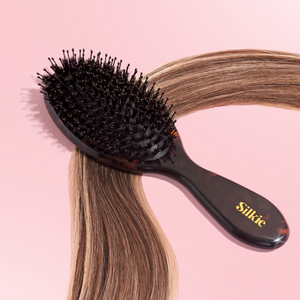
Using a soft brush or texture pick helps smooth the hair and distribute natural oils from the scalp down through the strands. Silkie’s hair brushes and texture picks are designed to help detangle hair while minimizing unnecessary pulling.
Habit 4: Moisture Loss Overnight
Another hidden issue is moisture loss while you sleep.
Cotton fabrics can absorb oils and hydration from both your hair and scalp. This can leave strands drier and more fragile by morning, particularly around the hairline where strands are already finer.
Silk fabric behaves differently. Because it is less absorbent and smoother in texture, it helps hair retain more of its natural moisture overnight.
This can help reduce dryness, frizz, and brittleness around the edges.
Habit 5: Over-Manipulating Hair in the Morning
Some nighttime habits lead to more stress the following morning. When hair becomes tangled overnight, it often requires aggressive brushing or detangling in the morning.
This extra manipulation can place additional stress on the hairline.
By protecting hair during sleep — using smoother fabrics and gentler accessories — you can wake up with fewer tangles and less need for harsh detangling.
Building a Hairline-Friendly Night Routine
Protecting your hairline overnight doesn’t require a complicated routine. Small adjustments to your nighttime habits can make a significant difference over time.
A simple protective routine may include:
-
Lightly detangling hair before bed
-
Choosing a loose, low-tension hairstyle
-
Securing hair with a silk scrunchie
-
Sleeping on a silk pillowcase to minimize friction
Together, these habits help create an environment where your hairline can rest rather than experience constant stress.
Supporting Healthier Edges With Silkie
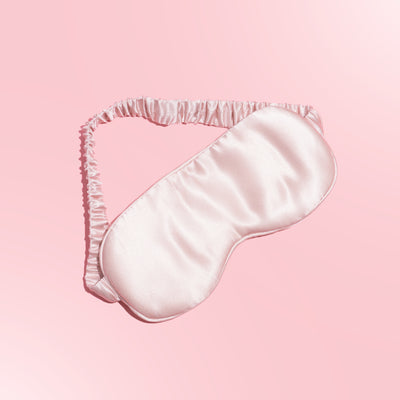
Silkie’s silk hair accessories and sleep essentials are designed to support gentle haircare routines. From mulberry silk pillowcases to silk scrunchies and overnight curling sets, each product helps reduce friction and tension during sleep.
When combined with mindful nighttime habits, these simple tools can help protect delicate hairlines and support stronger, healthier hair over time.
Explore Silkie’s haircare essentials at www.shopsilkie.com and discover how small nighttime changes can make a lasting difference.