












When to Use a Brush vs. a Texture Pick
Choosing the right tool for your hair can make a major difference in how it looks and feels. While brushes are commonly used for smoothing and detangling, texture picks serve a different purpose — lifting and shaping natural volume. Understanding when to use each tool helps you style your hair effectively while maintaining its health and structure.
Understanding the Purpose of a Hair Brush
Hair brushes are designed to smooth, detangle, and distribute natural oils throughout the hair. They work by gliding through strands to align them and remove knots.
Using a brush can help:
-
Smooth the hair cuticle
-
Reduce tangles
-
Distribute natural scalp oils
-
Prepare hair for styling
Brushes are particularly helpful for straight or wavy hair types that benefit from a smoother finish.
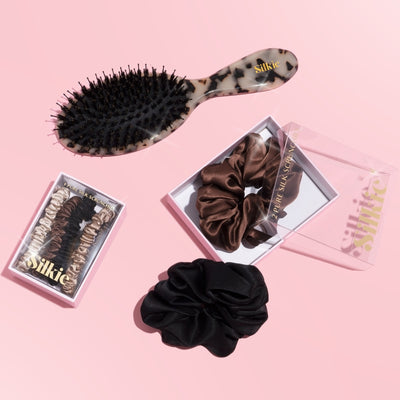
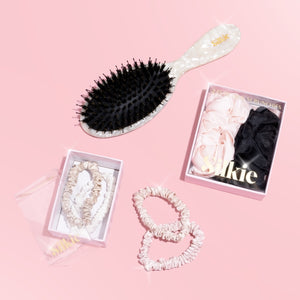
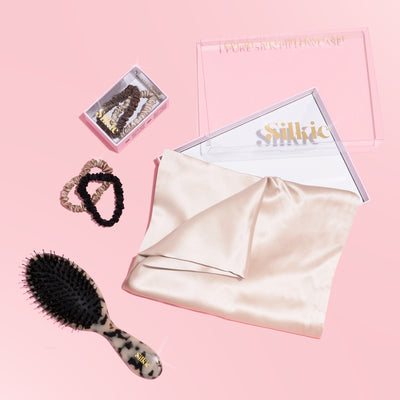
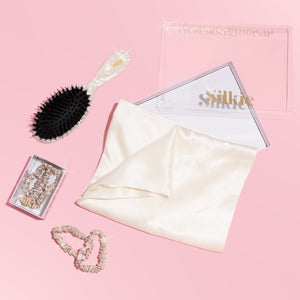
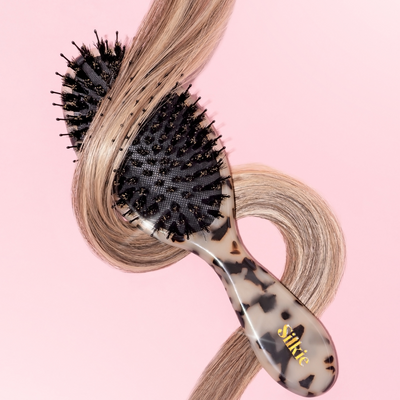
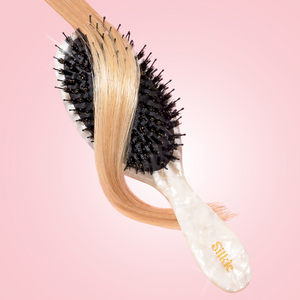
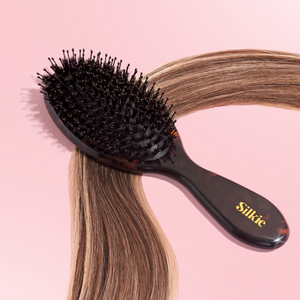
A gentle brush can also be useful before styling to remove knots that may cause breakage later. Silkie’s hair brush is designed to detangle hair while minimizing unnecessary pulling.
What a Texture Pick Does Differently
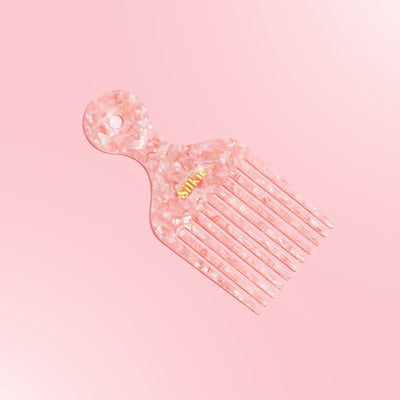
A texture pick serves a different purpose than a brush. Instead of smoothing hair, it lifts and separates strands to enhance volume and natural texture.
Texture picks are especially popular among those with curly or coily hair because they allow curls to expand without disrupting their pattern.
A texture pick can help:
-
Lift hair at the roots
-
Add volume and shape
-
Separate curls gently
-
Maintain natural texture
Because the prongs are spaced apart, the tool works with the hair’s natural structure rather than forcing it into a smoother shape.
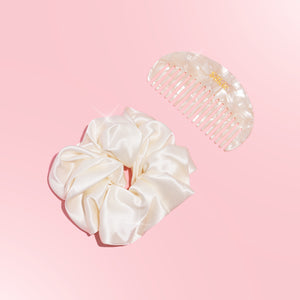
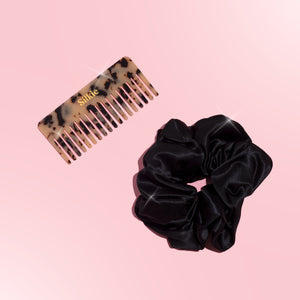
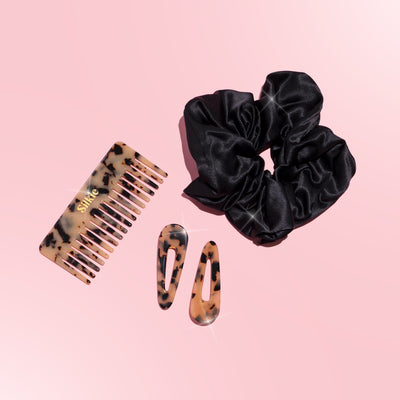
Silkie’s hair texture pick is designed to lift curls gently while preserving the hair’s natural form.
When to Use a Brush
A brush works best when the goal is smoothing or detangling.
Common situations where a brush is helpful include:
-
Before styling to remove knots
-
When smoothing straight or wavy hair
-
When distributing natural oils from the scalp
-
When preparing hair for braids or ponytails
Using a brush gently — especially starting from the ends and working upward — helps minimize breakage.
When to Use a Texture Pick
Texture picks are ideal for enhancing natural volume rather than smoothing the hair.
They work best when:
-
Lifting curls at the roots
-
Adding fullness to textured styles
-
Refreshing volume in curly or coily hair
-
Shaping natural hairstyles without flattening them
Using a pick at the roots rather than dragging it through the entire length helps maintain the integrity of curls.
Using Both Tools in the Same Routine
In many cases, both tools can play a role in your routine.
For example:
-
Use a brush to gently detangle hair before styling.
-
Style or shape the hair as desired.
-
Use a texture pick to lift the roots and add volume.
This combination allows you to remove knots while still maintaining natural movement and body.
Protecting Hair Between Styling Sessions
Tools matter, but so does what happens to your hair after styling.
Friction during sleep can cause tangles and flatten volume. Sleeping on smoother fabrics can help reduce this issue.
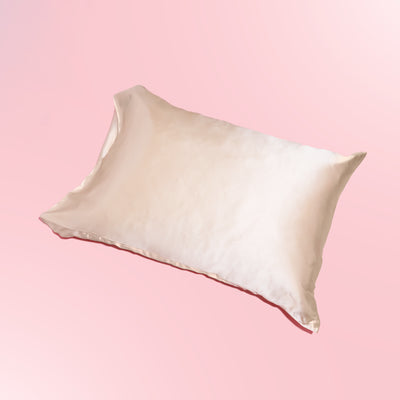
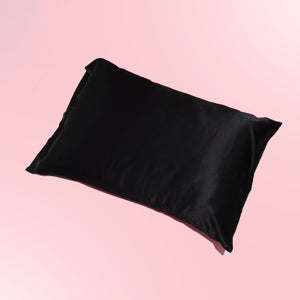
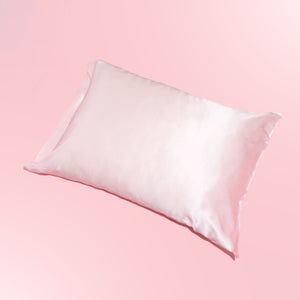
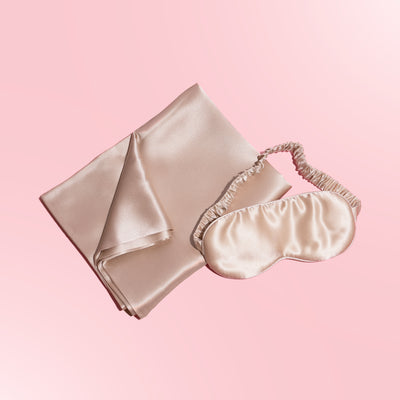
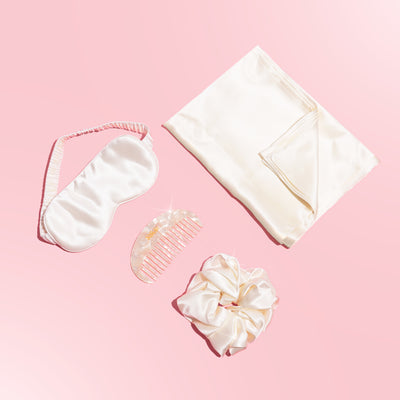
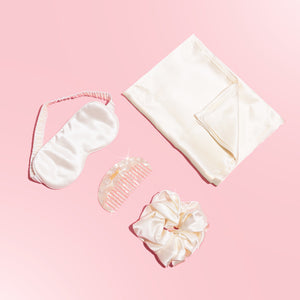
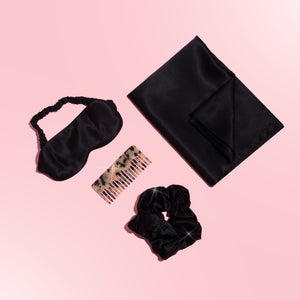
Silkie’s mulberry silk pillowcases create a surface that allows hair to glide rather than snag, helping preserve both smooth styles and natural curls overnight.
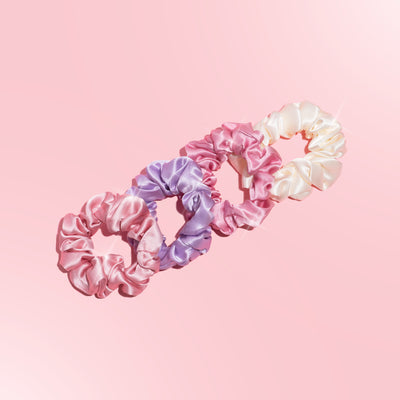
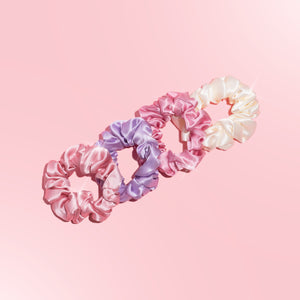
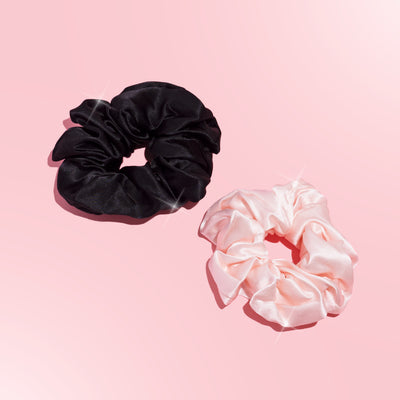
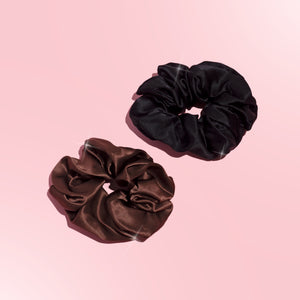
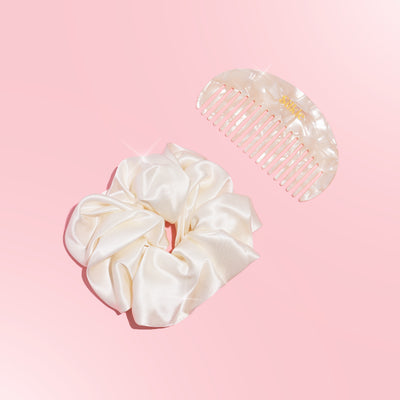
Loose styles secured with a silk scrunchie can also help maintain shape without creating tension.
Choosing the Right Tool for Your Hair
Hair tools should work with your hair type rather than against it. Brushes are ideal for smoothing and detangling, while texture picks are designed to lift and shape natural volume.
Understanding the difference between the two allows you to care for your hair more intentionally while reducing unnecessary stress on the strands.
Thoughtful Hair Tools With Silkie
Silkie’s hair tools and accessories are designed to support gentle styling habits. From hair brushes and texture picks to silk scrunchies and mulberry silk pillowcases, each product helps reduce friction while maintaining healthy hair routines.
Explore Silkie’s collection at www.shopsilkie.com and discover tools that support both your hair’s beauty and its long-term health.