







Why Hair Breaks More From Friction Than From Products
Most people blame shampoos, conditioners, or styling products for hair breakage. But the real culprit is far less obvious — and far more damaging. Friction. The silent stress your hair experiences every single day.
The Overlooked Enemy of Hair Health
Hair doesn’t usually break because of what you apply to it. It breaks because of what it repeatedly rubs against.
Think about it:
-
Pillowcases
-
Towels
-
Brushes and combs
-
Hair ties and accessories
-
Clothing collars
-
Frequent touching and styling
Every time hair drags, snags, or rubs against a surface, microscopic damage occurs. Over time, those tiny disruptions weaken the hair shaft, leading to breakage, frizz, and thinning — even if you’re using high-end products.
What Friction Actually Does to Hair
Hair is protected by a cuticle layer made of overlapping scales. When friction occurs:
-
Cuticles lift instead of lying flat
-
Moisture escapes more easily
-
Hair becomes rougher and weaker
-
Strands snap at stress points
Unlike chemical damage, friction damage is cumulative. You don’t notice it immediately. It builds quietly until one day your hair feels thinner, shorter, or harder to manage.
Why Products Get Blamed (Unfairly)
Products are easy to point fingers at because they’re visible. Friction isn’t.
When hair breaks, people often respond by:
-
Adding more treatments
-
Switching shampoos repeatedly
-
Using heavier conditioners or oils
But no product can fully repair cuticle damage caused by daily mechanical stress. Products support hair — they don’t shield it from friction.
The Role of Tools and Fabrics
The surfaces your hair touches matter more than most routines acknowledge.
Rough materials increase resistance. That resistance:
-
Pulls at strands
-
Creates tension during movement
-
Worsens breakage during sleep and styling
This is why fabric choice and tool quality play such a critical role in long-term hair health.
How Silk Changes the Equation
Silk creates less resistance against hair compared to cotton, synthetic fabrics, or rough plastics.
Because silk fibers are smooth and naturally soft, they allow hair to:
-
Glide instead of snag
-
Maintain cuticle alignment
-
Retain moisture
-
Reduce tension at stress points
This is why silk-based accessories and tools are increasingly considered preventative haircare, not luxury extras.
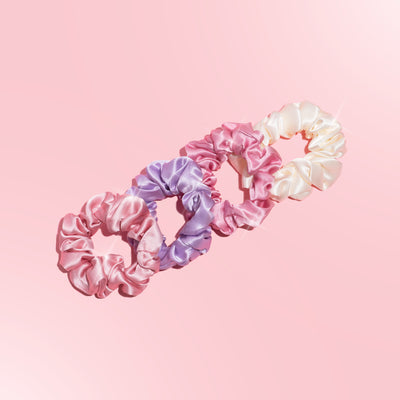
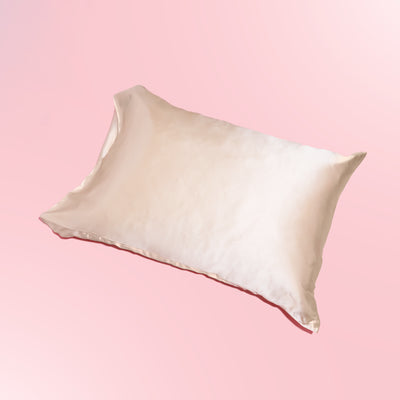
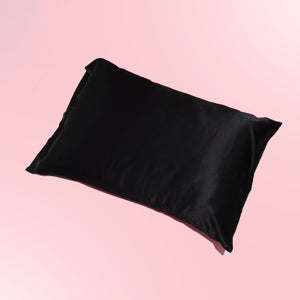
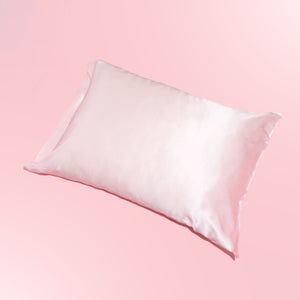
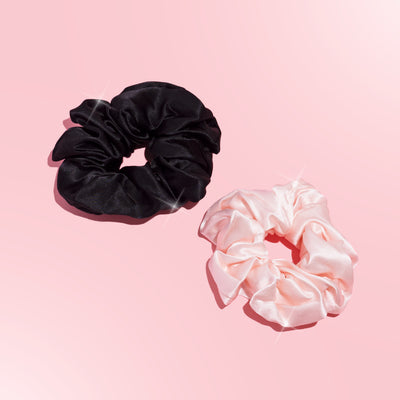
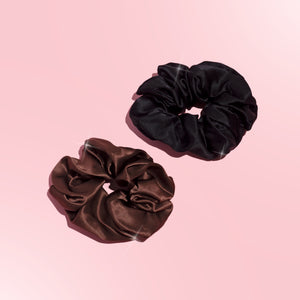
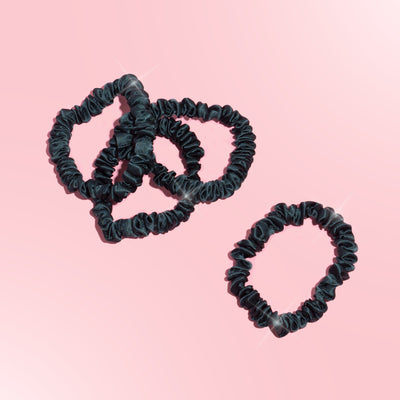
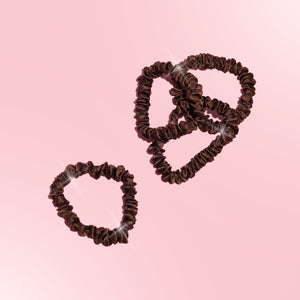
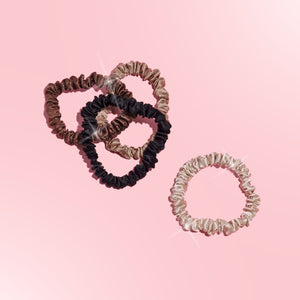
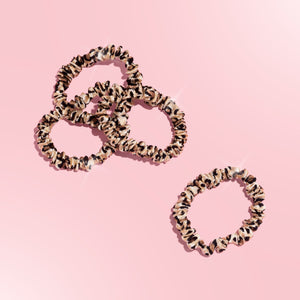
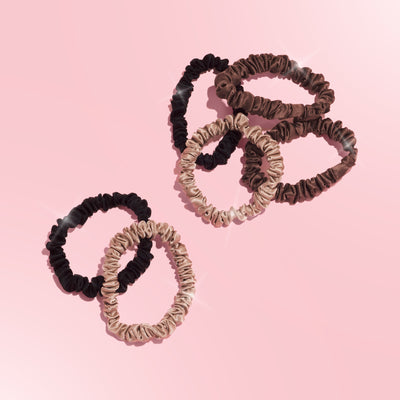
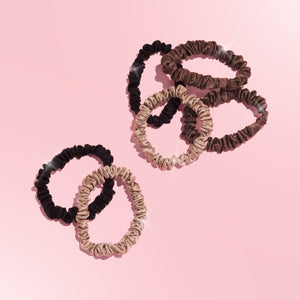
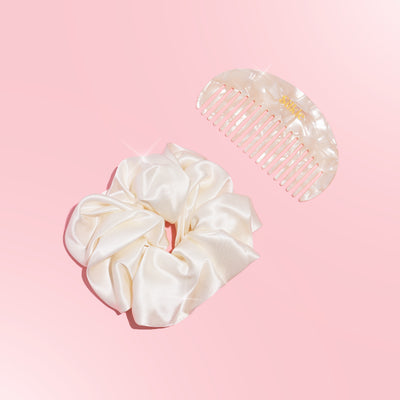
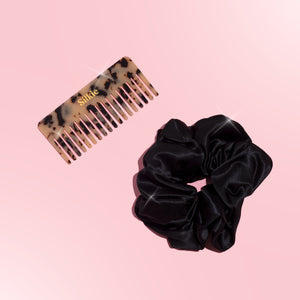
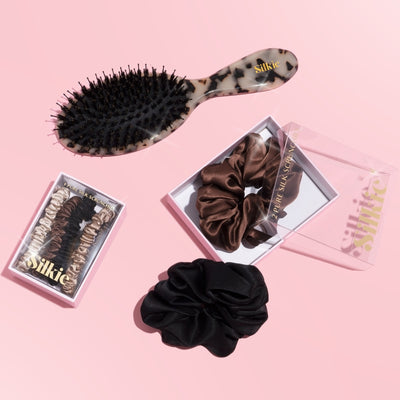
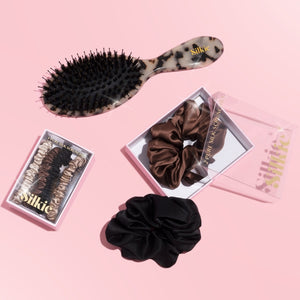
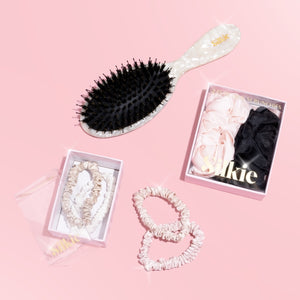
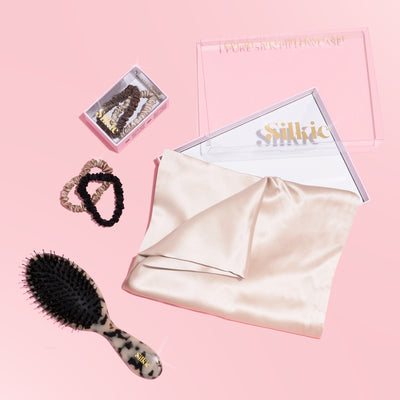
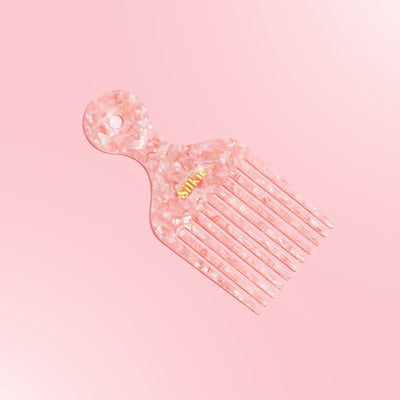
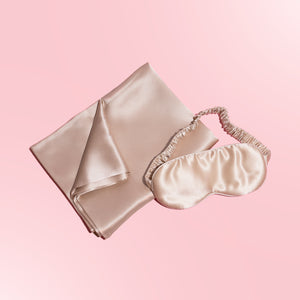
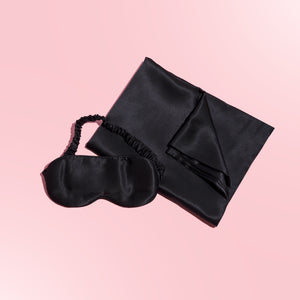
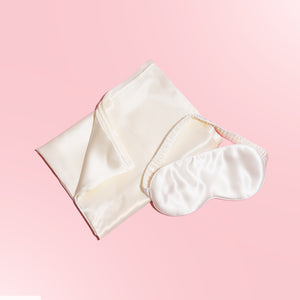
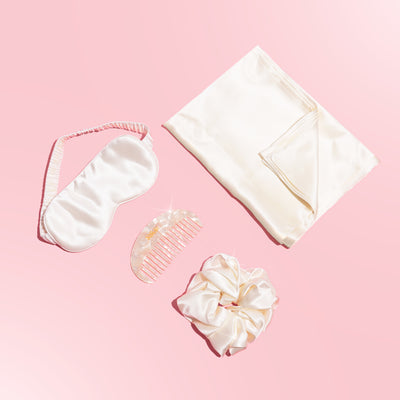
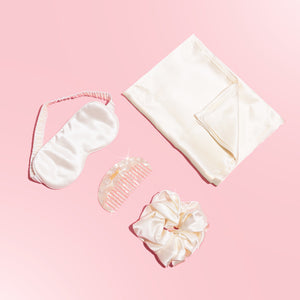
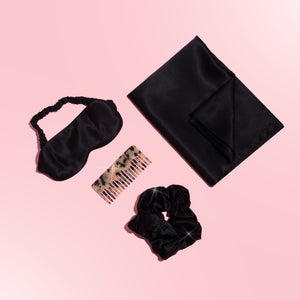
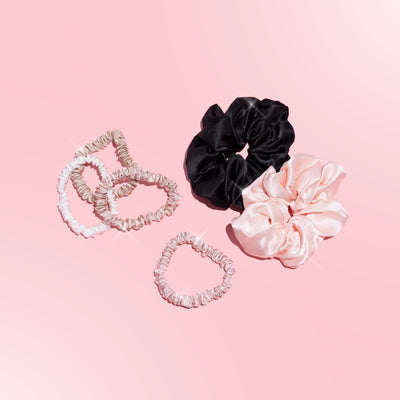
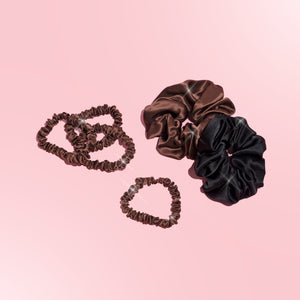
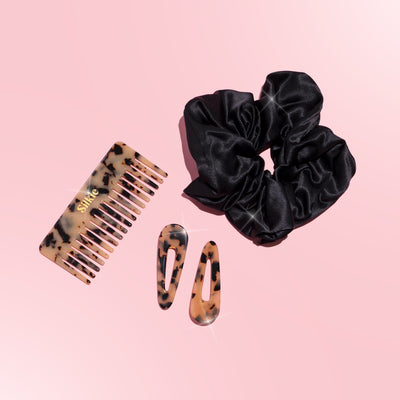
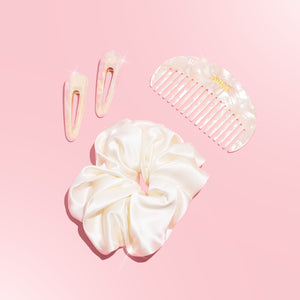
Silkie’s silk pillowcases, silk scrunchies, and gentle hair tools are designed with this principle in mind — minimizing friction where hair is most vulnerable, especially during sleep and daily styling.
Why Nighttime Friction Is the Most Damaging
You move more than you think while sleeping.
Eight hours of tossing, turning, and pressure against a rough surface creates:
-
Constant cuticle disruption
-
Moisture loss
-
Breakage at the crown, nape, and hairline
Switching to silk at night doesn’t replace your routine — it protects the results of it.
Less Damage, Not More Products
Healthy hair isn’t about layering endlessly. It’s about reducing stressors.
When friction is minimized:
-
Hair holds moisture longer
-
Products perform better
-
Styling becomes easier
-
Breakage slows naturally
This is why modern haircare is shifting toward damage prevention, not constant repair.
Rethinking Hair Protection
If your hair is breaking despite good products, the issue may not be what you’re using — but what your hair is constantly up against.
By focusing on gentler tools, smoother fabrics, and friction-reducing habits, you create an environment where hair can actually thrive.
That’s the quiet power behind intentional choices — and why silk has become a foundational part of long-term hair health.
To explore silk tools designed to reduce everyday hair stress, visit www.shopsilkie.com
SHOP OUR SILKIE PRODUCTS
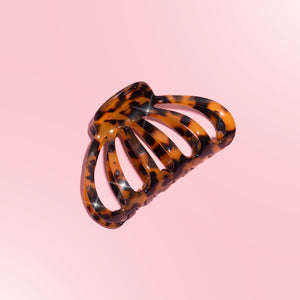
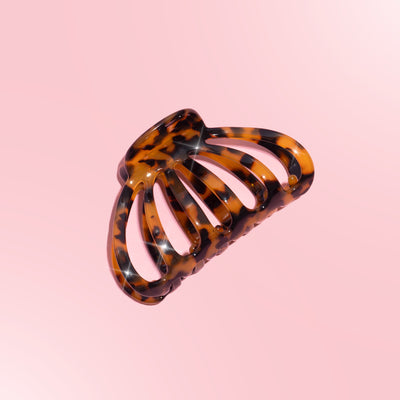
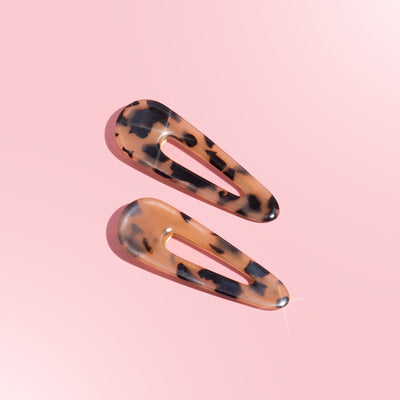
The Acetate Resin Butterfly Claw Clip in Tortoiseshell
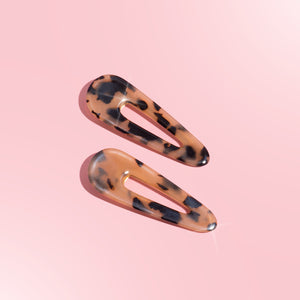
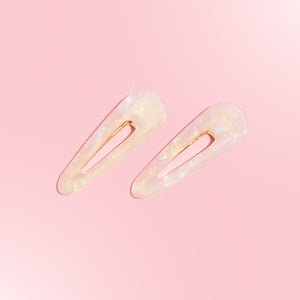
The Hair Slides
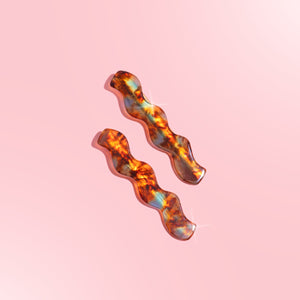
The Wave Hair Slides
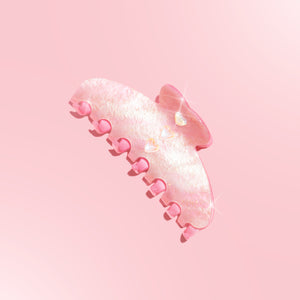
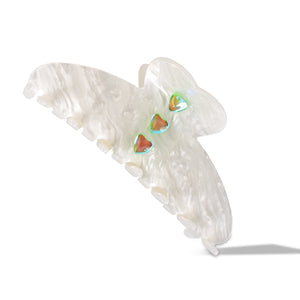
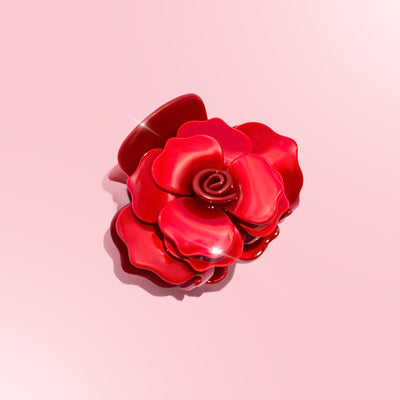
Love Valentine's Acetate Hair Clip
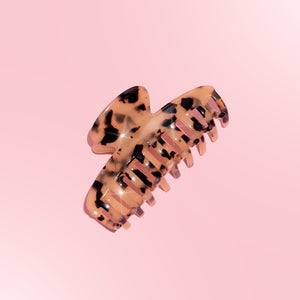
The Classic Claw Clip

The Detangling Comb
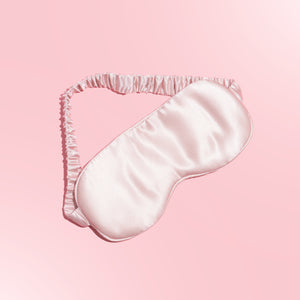
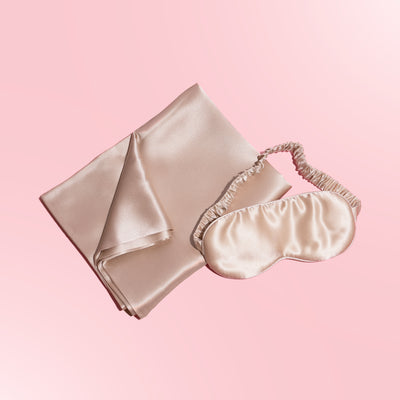
Pure Silk Luxury Eye Mask
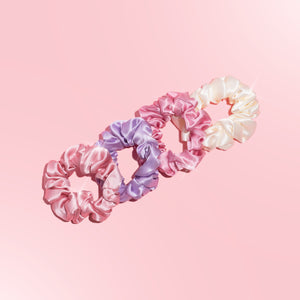
Pure Silk Pastel Scrunchies (Set of 4)
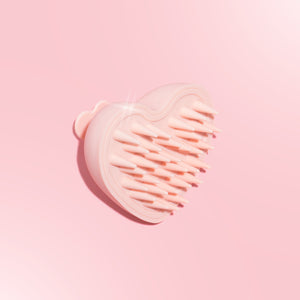
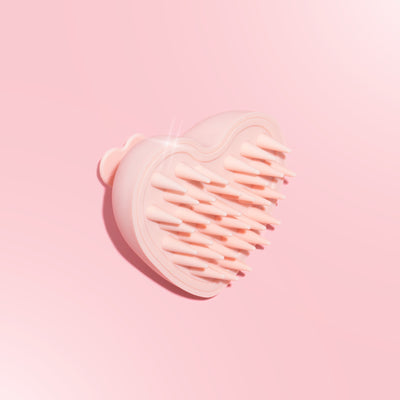
The Scalp Massaging Brush
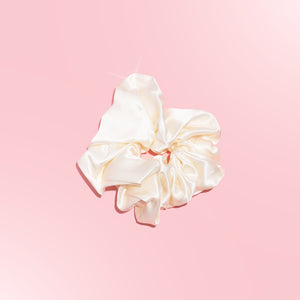
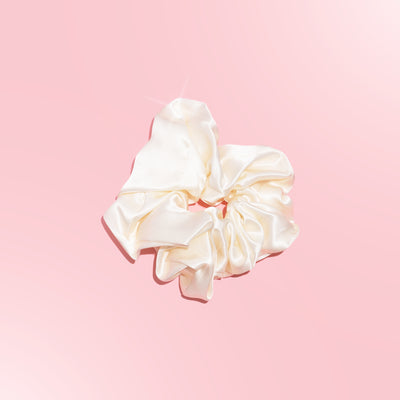
Pure Silk Deluxe Scrunchie
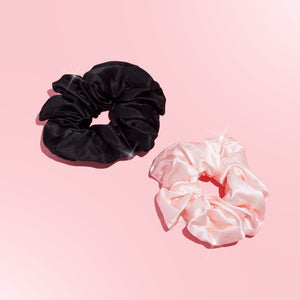
Pure Silk Scrunchies (Set of 2)
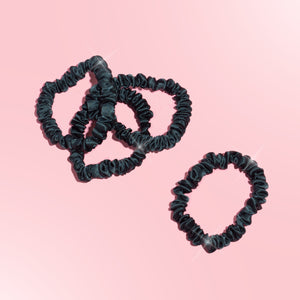
Pure Silk Skinny Scrunchies (Set of 4)
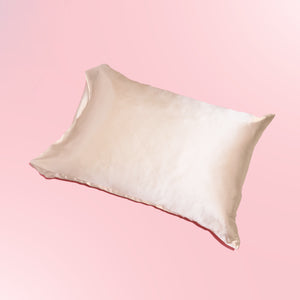
Pure Silk Pillowcase
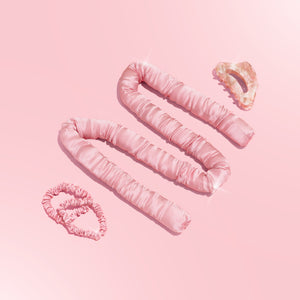
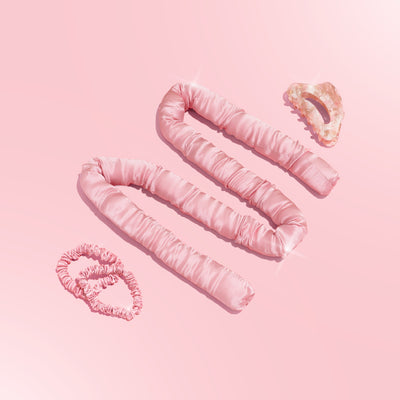
Pure Silk Heatless Curler Set
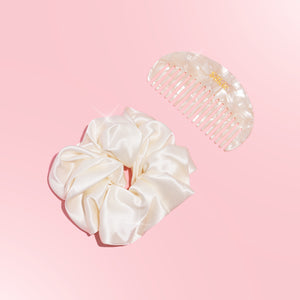
Silkie Styling Duo – Acetate Comb & Deluxe Scrunchie