















Why Hair Health Is About Prevention, Not Repair
Many haircare products promise to repair damage, restore strength, or reverse years of wear and tear. While certain products can improve the appearance and feel of damaged hair, true hair health is built through prevention. The healthiest hair routines focus on minimizing damage before it happens, helping strands stay stronger, smoother, and more resilient over time.
The Truth About Hair Damage
Hair is made of a protein structure that cannot fully heal once it has been damaged.
When hair experiences:
- Breakage
- Split ends
- Cuticle erosion
- Excessive dryness
the damage can often be managed and temporarily improved in appearance, but it cannot be completely reversed.
This is why preventing damage is often more effective than trying to fix it later.
Why Prevention Creates Better Long-Term Results
Preventive habits help protect hair before weak points develop.
Over time, this leads to:
- Less breakage
- Fewer split ends
- Better length retention
- Improved manageability
- Smoother texture
Small protective actions performed consistently usually have a greater impact than occasional repair-focused treatments.
Damage Happens Gradually
Most hair damage doesn't occur overnight.
Instead, it develops through repeated exposure to:
- Friction
- Tension
- Heat
- Aggressive brushing
- Environmental stress
Because damage is cumulative, prevention works best when incorporated into everyday routines.
Friction Is Easier to Prevent Than Repair
Friction is one of the most common sources of hair stress.
Repeated rubbing can:
- Roughen the cuticle
- Increase frizz
- Create tangles
- Contribute to breakage
Once the cuticle becomes damaged, restoring smoothness becomes much more difficult than simply preventing excessive friction in the first place.
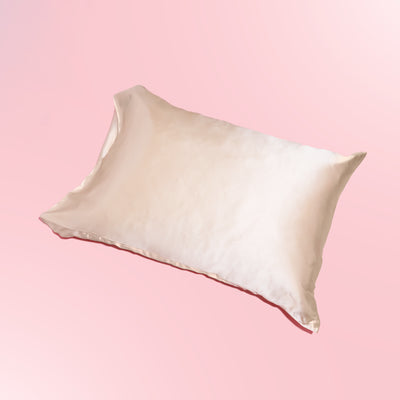
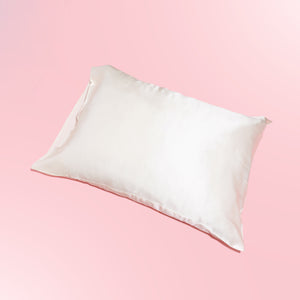
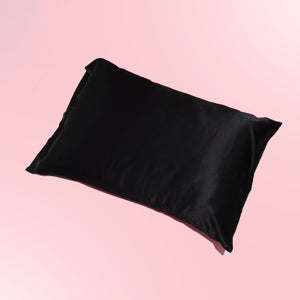
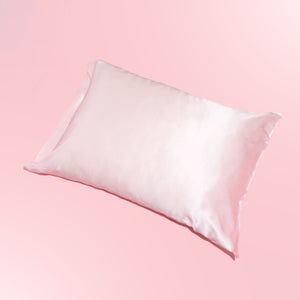
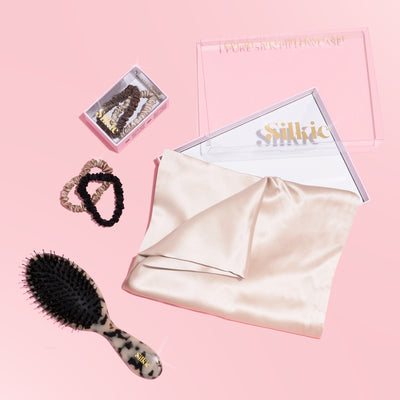
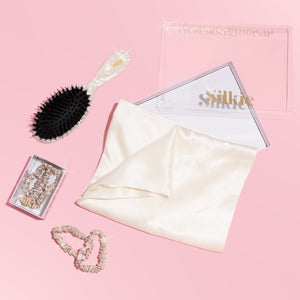
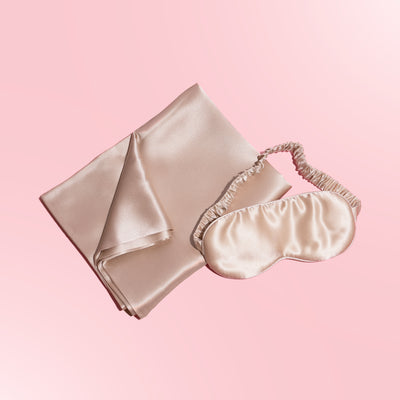
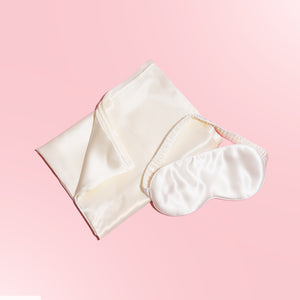
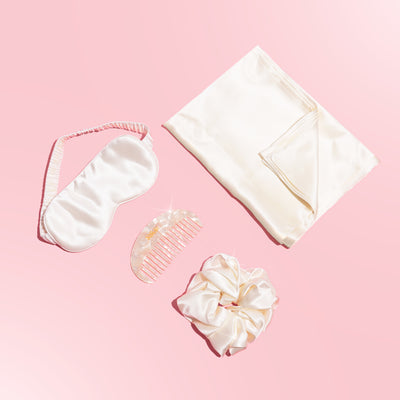
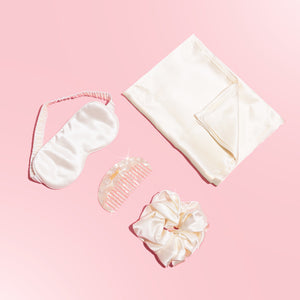
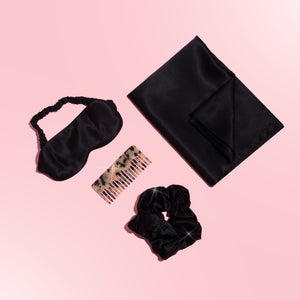
Silkie's mulberry silk pillowcases help reduce overnight friction, supporting smoother hair and fewer tangles while you sleep.
Why Breakage Prevention Matters
Every broken strand represents lost progress.
Frequent breakage can make hair appear:
- Thinner
- Less healthy
- More difficult to style
- Shorter despite ongoing growth
Protecting strands from unnecessary stress helps preserve the hair you already have.
The Role of Gentle Styling
Many styling habits create avoidable stress.
Examples include:
- Tight ponytails
- Repeated slick-back styles
- Harsh elastics
- Excessive tension
Over time, these habits can weaken strands and place unnecessary strain on the hairline.
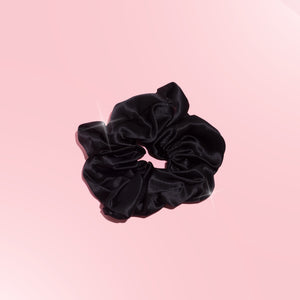
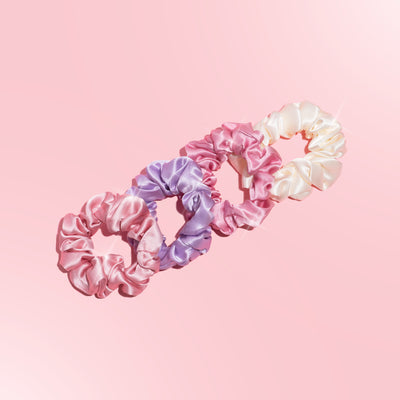
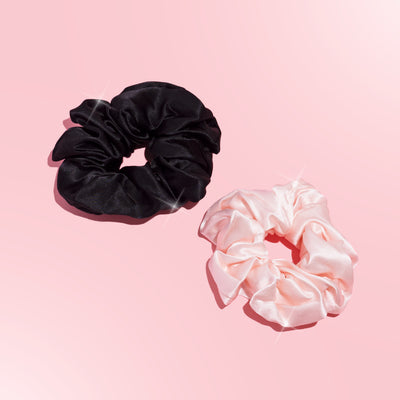
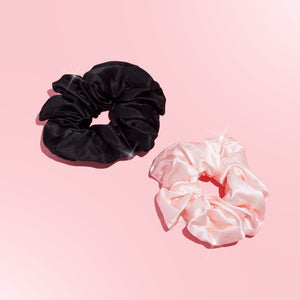
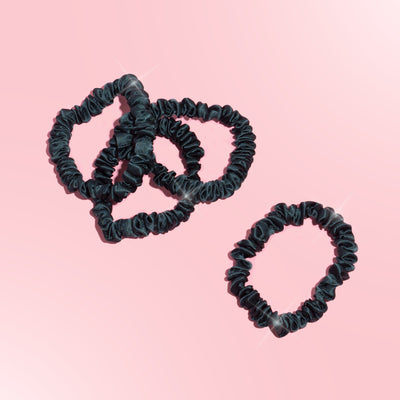
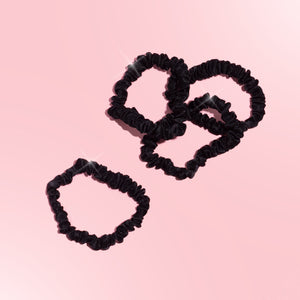
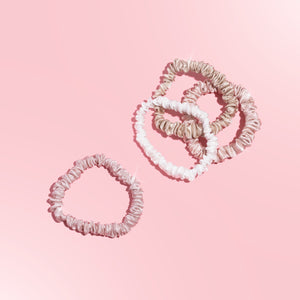
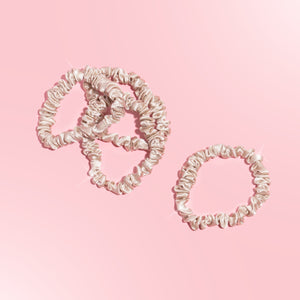
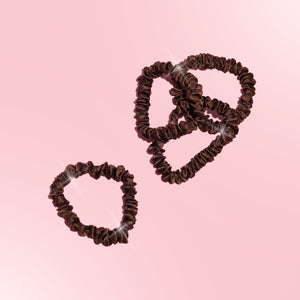
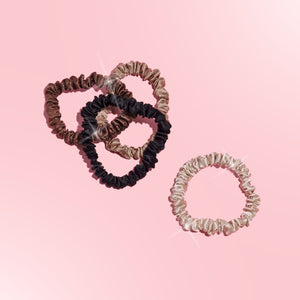
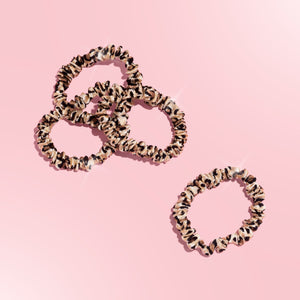
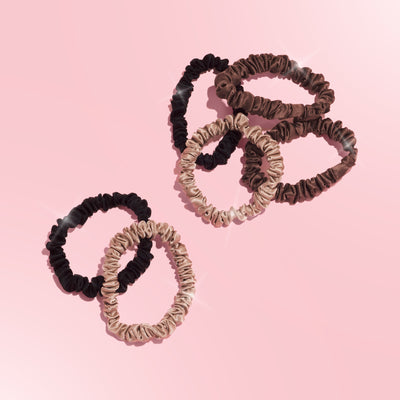
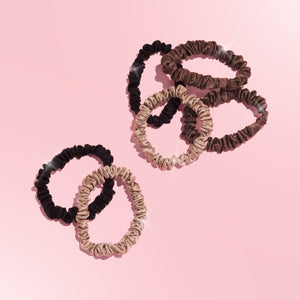
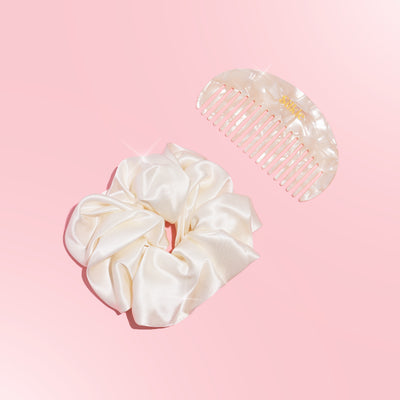
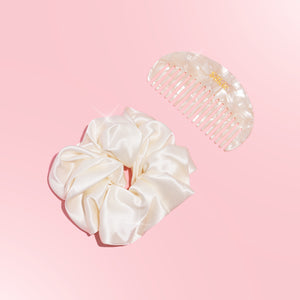
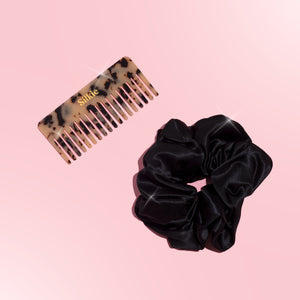
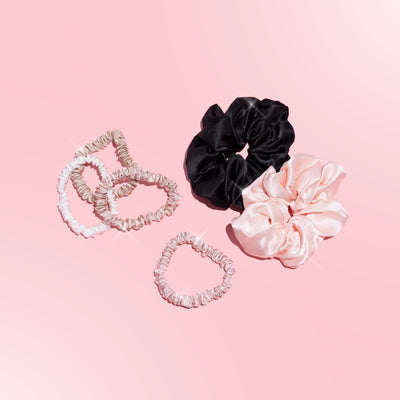
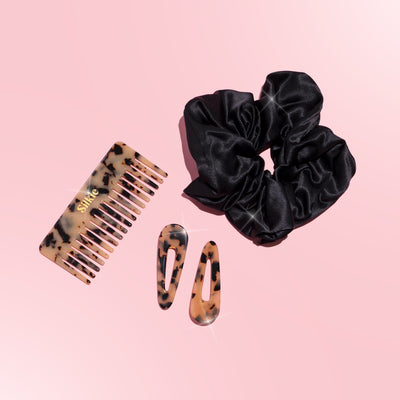
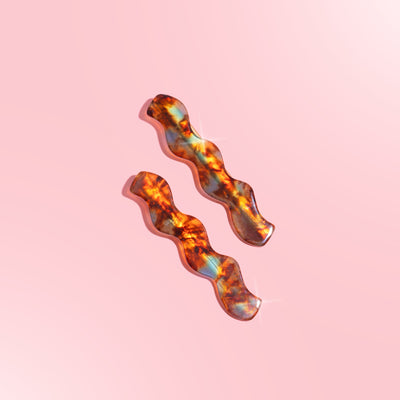
Silkie's silk scrunchies provide a gentler alternative by helping distribute pressure more evenly and reducing concentrated tension.
Prevention Starts During Detangling
Detangling is one of the most common opportunities for damage to occur.
Pulling through knots aggressively can lead to:
- Breakage
- Split ends
- Cuticle wear
A preventive approach focuses on:
- Patience
- Gentle techniques
- Appropriate tools
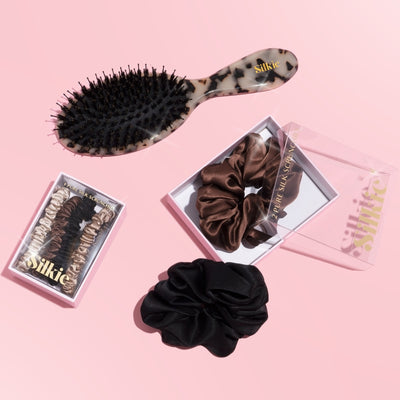
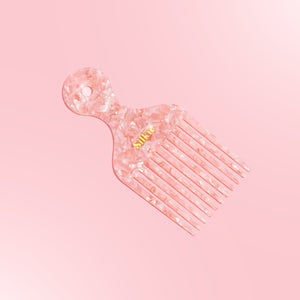
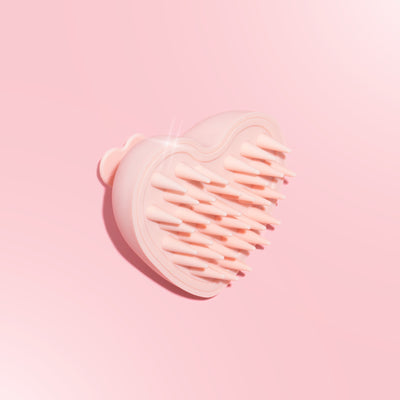
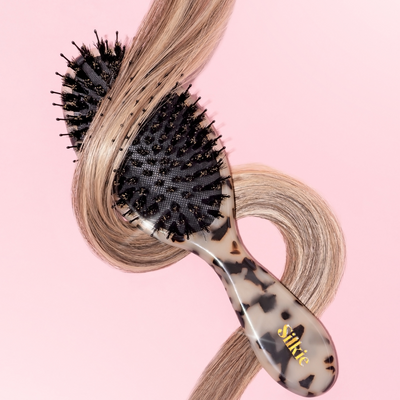
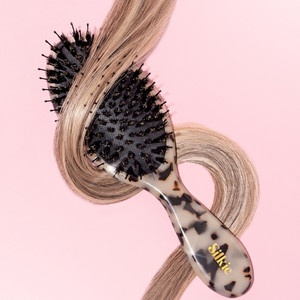
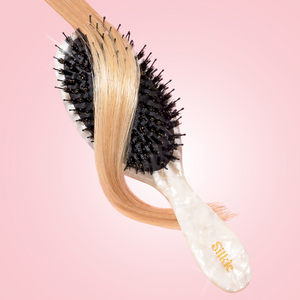
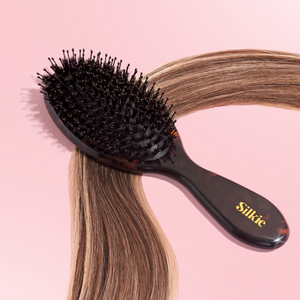
Silkie's hair brush is designed to reduce pulling during detangling, helping minimize stress before damage occurs.
Why Daily Habits Matter More Than Occasional Treatments
A weekly mask cannot completely offset damaging habits performed every day.
Hair responds more strongly to:
- Daily brushing habits
- Sleep routines
- Styling choices
- Accessory selection
The cumulative effect of these behaviors often determines long-term hair health.
Prevention Is Often Simpler Than Repair
Many people assume healthy hair requires complicated routines.
In reality, prevention often comes down to a few simple habits:
- Reducing friction
- Limiting tension
- Brushing gently
- Protecting hair while sleeping
- Avoiding unnecessary manipulation
These habits are easy to maintain and can significantly reduce future damage.
Why Healthy Hair Looks Different Over Time
When damage is minimized consistently, hair often becomes:
- Smoother
- Easier to manage
- Less prone to tangling
- More resistant to breakage
These improvements happen gradually, but they tend to be more sustainable than temporary cosmetic fixes.
The Importance of a Protective Haircare Philosophy
A preventive approach shifts the focus from fixing problems to avoiding them.
Instead of asking:
"How do I repair this damage?"
you begin asking:
"How can I reduce the chance of damage happening?"
This mindset often leads to healthier long-term outcomes.
Build a Prevention-Focused Routine
A routine centered around prevention includes:
- Low-friction sleep habits
- Gentle detangling practices
- Reduced styling tension
- Consistent daily care
- Minimal unnecessary stress on strands
Silkie's mulberry silk pillowcases, silk scrunchies, and gentle hair brushes are designed to support this philosophy by helping reduce common sources of everyday hair damage.
Why Prevention Is the Secret to Healthier Hair
The healthiest hair isn't usually the result of repairing severe damage—it's the result of preventing that damage from occurring in the first place. By reducing friction, limiting tension, and adopting gentler habits, you can help preserve your hair's strength, smoothness, and manageability for years to come.
Protect Your Hair Before Damage Starts With Silkie
Hair health is a long-term investment, and prevention is one of the most effective strategies available. Silkie's collection of mulberry silk pillowcases, silk scrunchies, and gentle hair brushes helps support a lower-stress routine designed to protect your hair every day.
Explore the full collection at www.shopsilkie.com and discover how small preventive habits can make a lasting difference for your hair.