







Why Some Hair Types Frizz More Than Others (and How Silk Helps)
The Real Reason Some Hair Types Frizz More Easily
Frizz happens when the hair cuticle lifts and moisture enters the strand, causing it to swell. While every hair type can frizz, some are naturally more vulnerable because of their structure and moisture levels.
Curly and wavy hair, for instance, has uneven cuticle patterns, making it easier for humidity to sneak in. Highly porous hair — whether natural or caused by damage — absorbs water quickly and loses it just as fast, creating that familiar halo of puffiness.
The key? Understanding what your hair needs to stay sealed, balanced, and protected.
Porosity: The Silent Factor Behind Excess Frizz
Hair porosity plays a major role in frizz levels.
Low-Porosity Hair
-
Has tightly sealed cuticles
-
Struggles to absorb moisture
-
Leads to product build-up and surface-level frizz
Medium-Porosity Hair
-
Absorbs and retains moisture well
-
Experiences frizz only with weather changes or dryness
High-Porosity Hair
-
Has gaps and lifted cuticles
-
Often results from bleaching, heat damage, or chemical processes
-
Frizzes the fastest due to rapid moisture absorption
If your hair frizzes the moment you step outside, chances are you’re dealing with high porosity.
Weather, Humidity, and Why Your Strands React Differently
Some hair types expand dramatically when exposed to moisture, especially if the cuticle is raised. Curly and coily textures contain more bends and twists, making it harder for natural oils to travel down the strand — the perfect recipe for frizz.
But even straight hair isn’t immune. When the cuticle is damaged or dehydrated, it lifts, creating static and flyaways.
Humidity doesn’t create frizz — it exposes hair that’s already vulnerable.
Daily Habits That Make Frizz Worse
Small habits compound and make certain hair types frizz more:
-
Rough cotton pillowcases that cause friction
-
Aggressive brushing
-
Over-cleansing or using harsh shampoos
-
Skipping conditioner
-
Too much heat and not enough heat protection
While some causes are structural, many are lifestyle-based — meaning they're fixable.
How Silk Helps Reduce Frizz for Every Hair Type
This is where the right fabric changes everything.
Silk naturally fights frizz in three ways:
-
Reduces friction
Cotton drags and lifts the cuticle while you sleep. Silk allows your strands to glide smoothly. -
Maintains moisture balance
Unlike cotton, silk doesn’t absorb your natural oils or products. This keeps hair hydrated and less prone to puffing. -
Protects fragile textures
Curly, coily, wavy, and chemically processed hair all benefit from silk’s gentle surface.
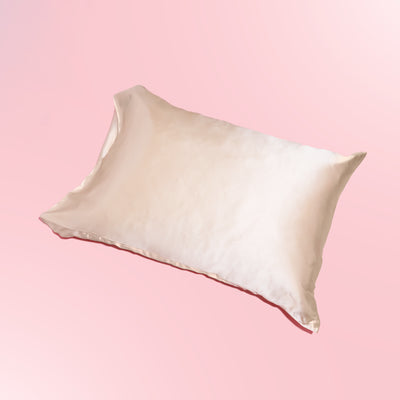
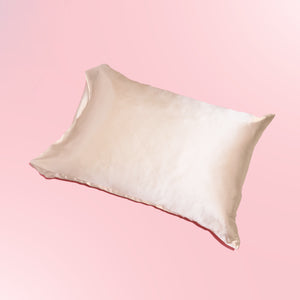
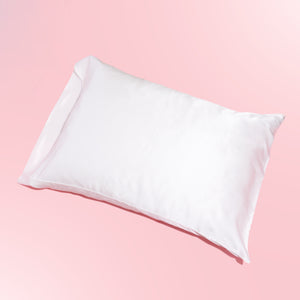
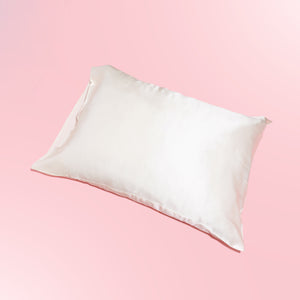
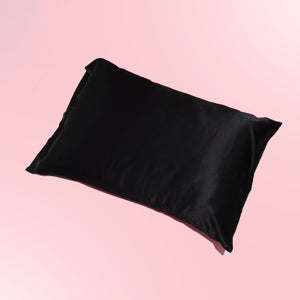
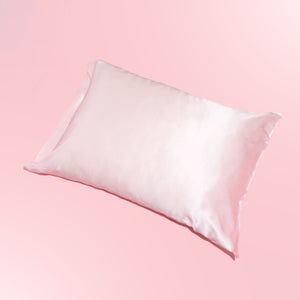
Silkie’s Pure Mulberry Silk Pillowcase
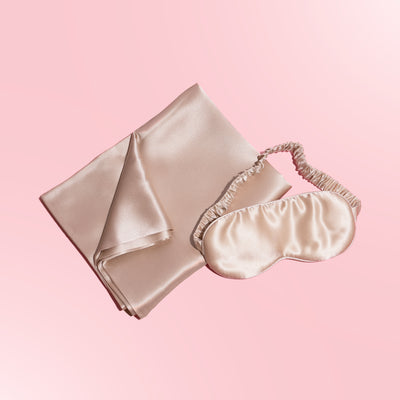
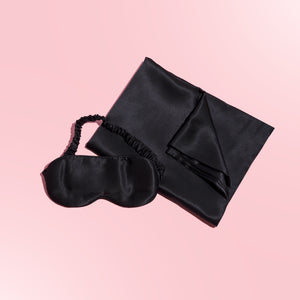
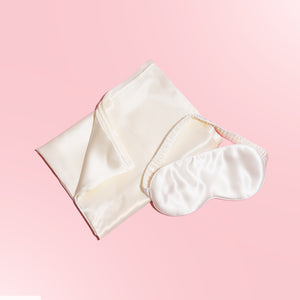
Switching to Silkie’s Pure Mulberry Silk Pillowcase is one of the simplest ways to minimize overnight frizz. Its premium-grade 22-momme mulberry silk is designed to keep your cuticle sealed, your strands smooth, and your texture looking its best when you wake up.
Explore it at www.shopsilkie.com.
Extra Tips to Control Frizz Based on Your Hair Type
For Curly & Coily Hair
-
Use cream-based stylers instead of gels
-
Avoid brushing dry curls
-
Deep condition weekly
For Wavy Hair
-
Choose lightweight, hydrating formulas
-
Scrunch, don’t rub, with a microfiber towel
For Straight Hair
-
Prevent dryness with regular masks
-
Avoid over-washing
Every texture benefits from moisture retention — and nothing helps maintain that balance like silk.
Final Thoughts
Frizz isn’t a flaw; it’s a response. Some hair types are simply more prone because of structure, porosity, or environmental sensitivity. But with the right care and the gentle protection of silk, smoother, softer, more manageable hair becomes a realistic everyday result.
Discover more Silk-powered essentials at www.shopsilkie.com.
SHOP OUR SILKIE PRODUCTS

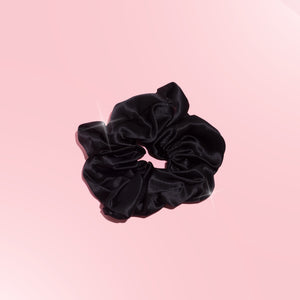
Individual Silkie scrunchie (Colour may vary)
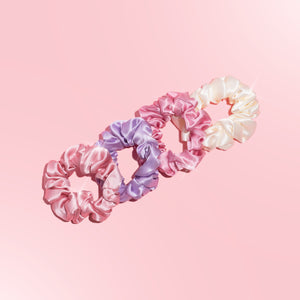
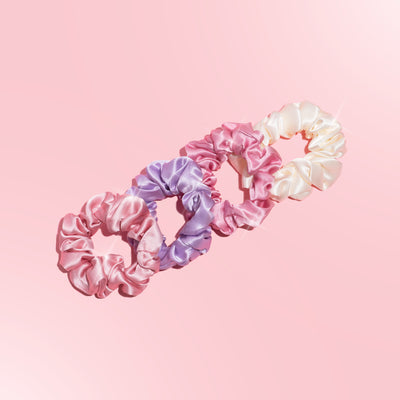
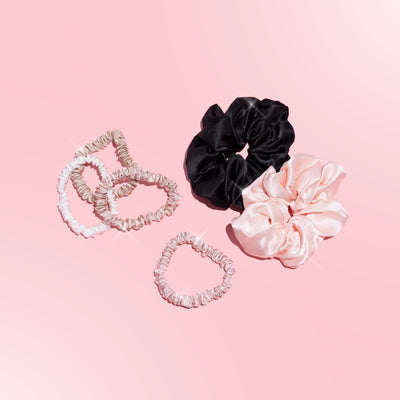
Pure Silk Pastel Scrunchies (Set of 4)
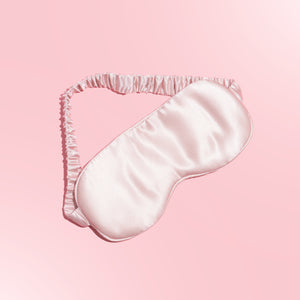
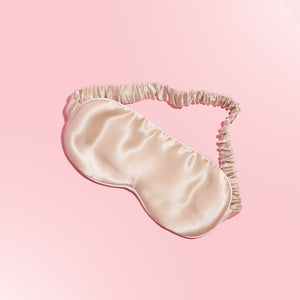
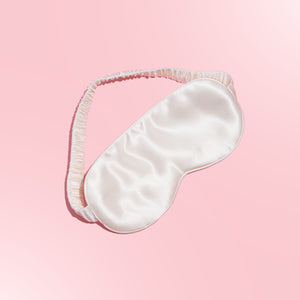
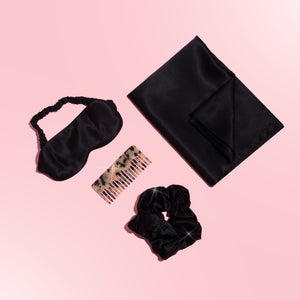
Pure Silk Luxury Eye Mask
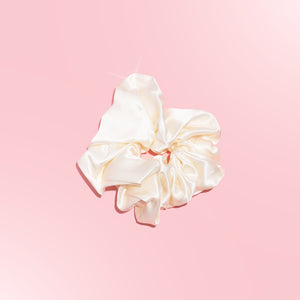
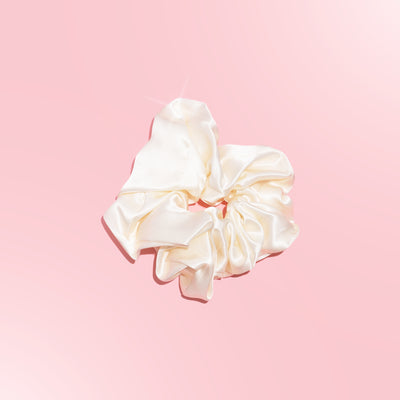
Pure Silk Deluxe Scrunchie
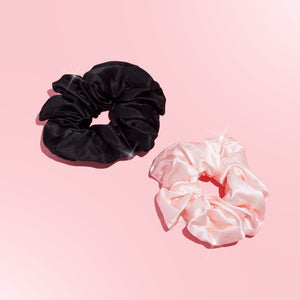
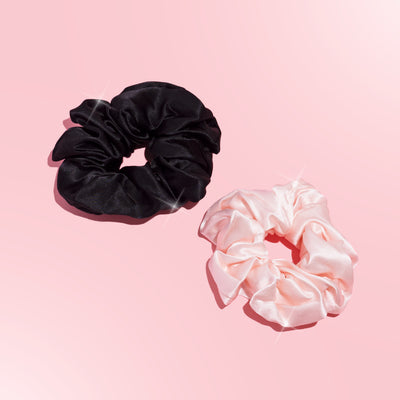
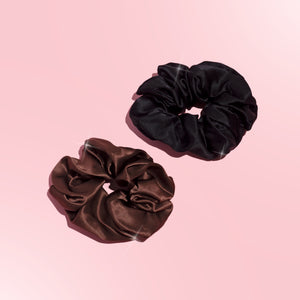
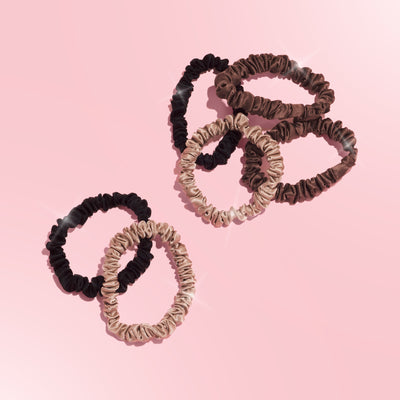
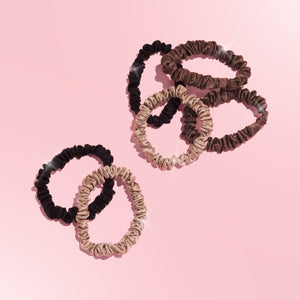
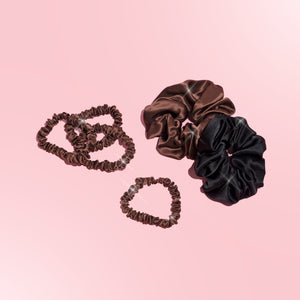
Pure Silk Scrunchies (Set of 2)
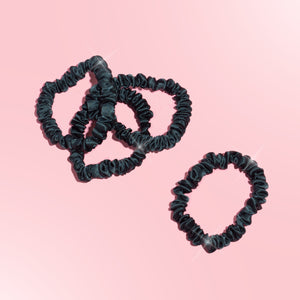
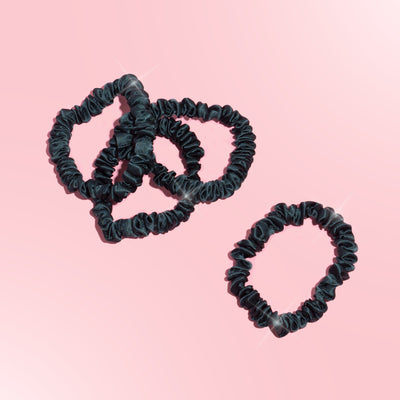
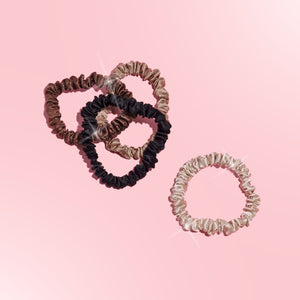
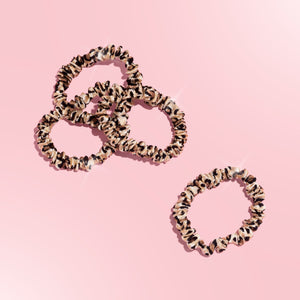
Pure Silk Skinny Scrunchies (Set of 4)
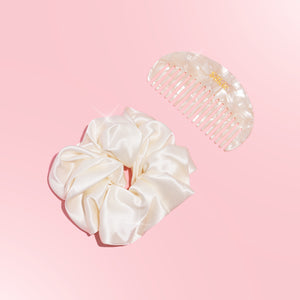
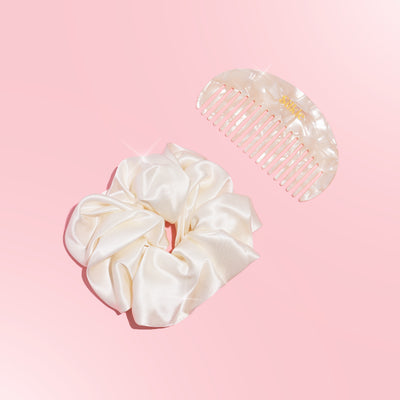
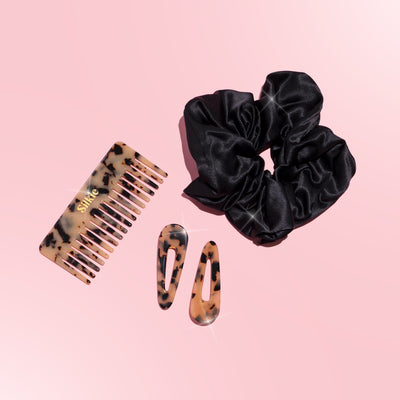
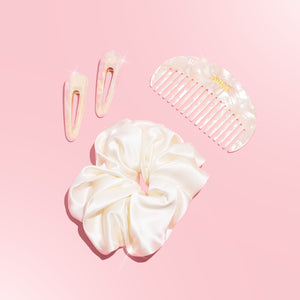
Silkie Styling Duo – Acetate Comb & Deluxe Scrunchie
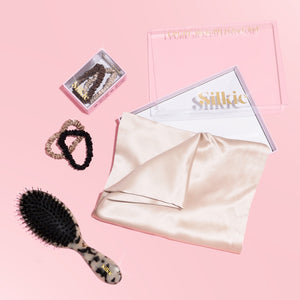
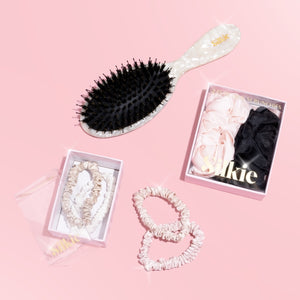
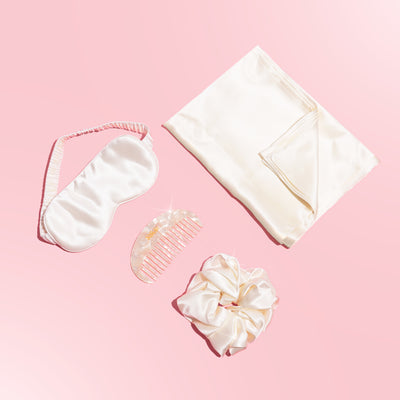
The Dream & Shine Set
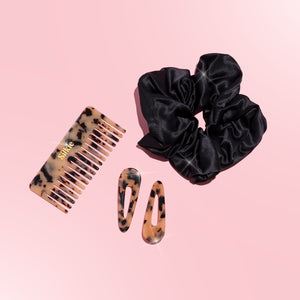
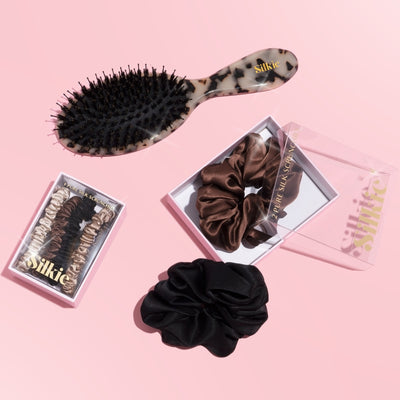
The Silkie Styling Set
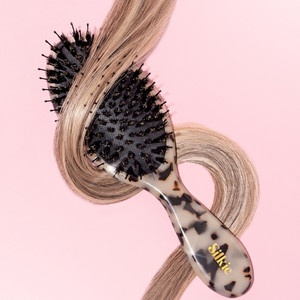
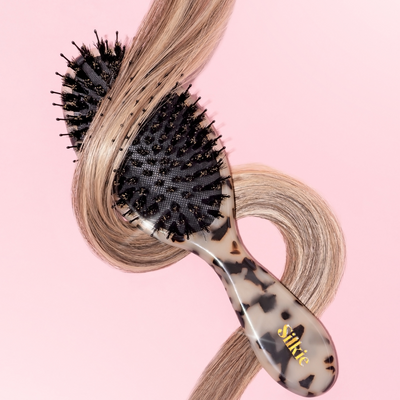
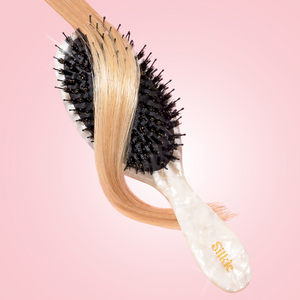
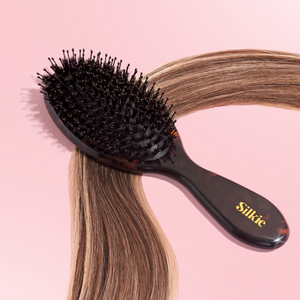
The Ultimate Smoothing Brush