Why Your Hair Needs Extra Care During Seasonal Changes
Your hair can behave differently as the seasons change. Shifts in humidity, temperature, sunlight, and daily habits can affect everything from how your scalp feels to how easily your hair tangles and holds its shape. While you don't need to completely replace your haircare routine every season, making a few thoughtful adjustments can help your hair stay manageable and comfortable as your environment changes.
Why Seasonal Changes Affect Your Hair
Your hair is constantly exposed to the environment around you.
When the weather changes, so can the conditions your hair experiences. A humid season may bring more frizz and changes in texture, while a drier period can make your hair feel rougher or less flexible.
Seasonal changes can also affect your lifestyle. You might spend more time outdoors, wash your hair more often because of heat and sweat, or use different styling habits.
These small changes can add up.
Your Scalp May Behave Differently
One of the first things you may notice during a seasonal change is a difference in your scalp.
Hotter weather can lead to more sweating and oil production, while colder or drier conditions may make your scalp feel less comfortable.
Rather than forcing your scalp to follow the exact same routine throughout the year, pay attention to how it responds.
You may need to adjust how frequently you cleanse or how much product you use around your roots.
Humidity Can Change Your Hair's Texture
Humidity can have a noticeable effect on the way your hair looks and feels.
Hair can absorb moisture from the surrounding air, which may cause some textures to become frizzier or behave differently than they normally would.
If your hair becomes harder to manage during humid weather, avoid repeatedly brushing it in an attempt to smooth it down.
Working with your natural texture can often require less manipulation.
Dry Conditions Can Affect Your Ends
Dry air can leave some hair feeling less soft and more prone to roughness.
Your ends may be particularly noticeable because they're the oldest part of your hair and have experienced the most wear.
During drier seasons, pay attention to conditioning and be especially gentle when detangling.
A consistent routine is often more useful than constantly adding new treatments.
Heat Can Mean More Frequent Washing
When temperatures rise, your scalp may become sweatier and oilier.
You may find yourself washing your hair more frequently than you would during cooler months.
That's completely normal.
Your washing schedule doesn't have to be fixed. Adjust it based on your scalp, activity level, and how your hair feels.
When cleansing, focus on the scalp rather than aggressively scrubbing the lengths.
Give Your Scalp Gentle Attention
Seasonal changes can be a good reminder to give your scalp some extra attention.
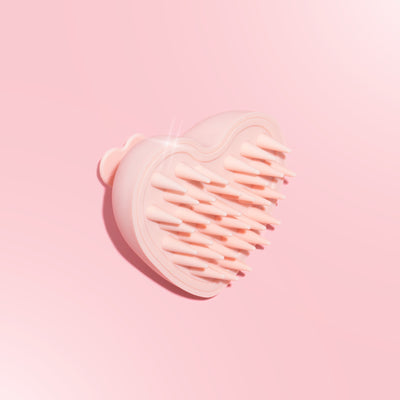
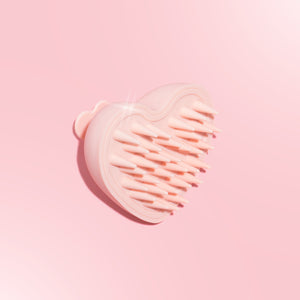
Silkie's scalp massager can be incorporated into your wash routine to gently massage the scalp while cleansing.
Use light pressure and avoid aggressive scrubbing.
The goal is to make scalp care more intentional, not to create additional stress for your skin.
Wind Can Increase Tangling
Seasonal weather can also affect how much movement your hair experiences.
Wind can cause loose strands to rub against each other and become tangled, particularly if your hair is long or textured.
If you'll be outside on a particularly windy day, consider wearing a loose braid, low ponytail, or relaxed bun.
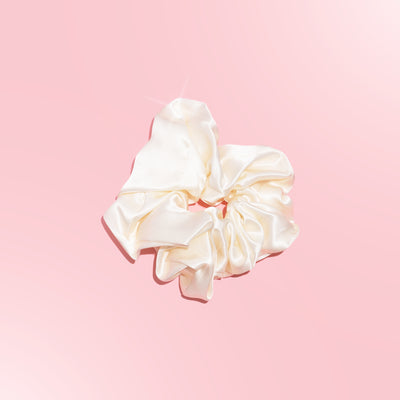
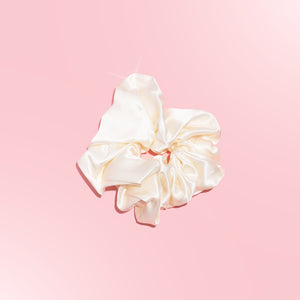
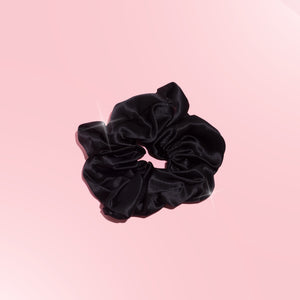
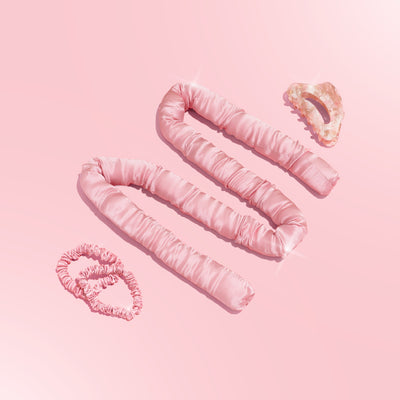
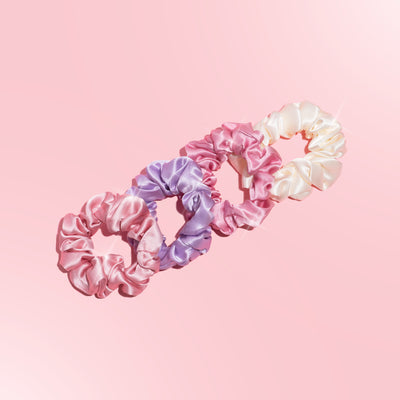
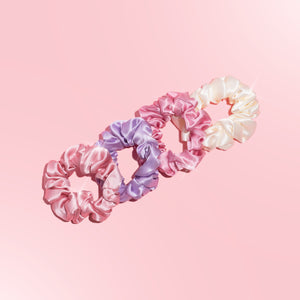
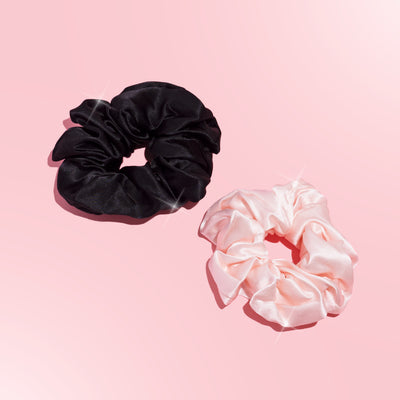
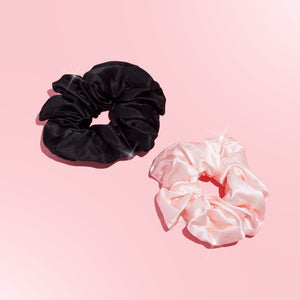
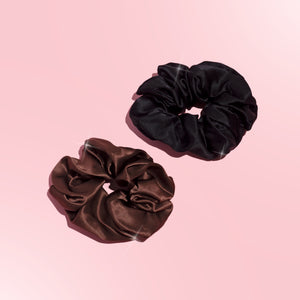
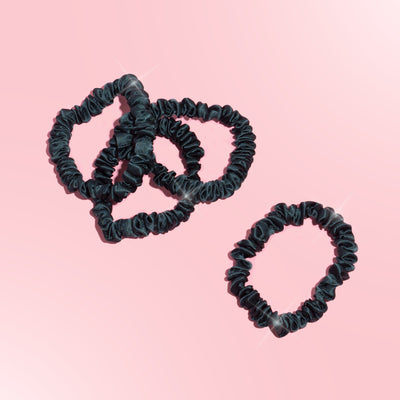
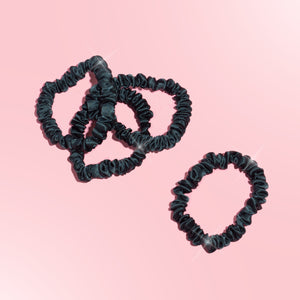
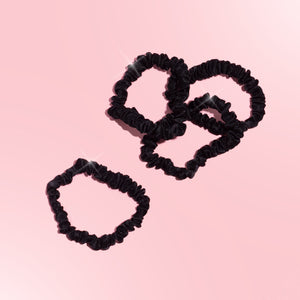
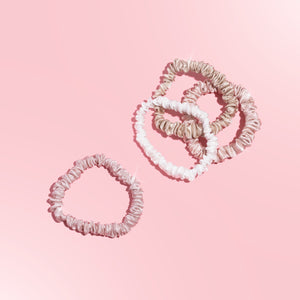
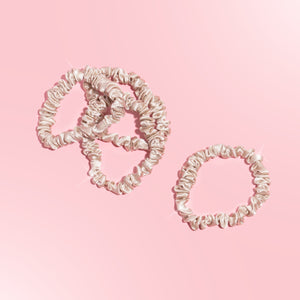
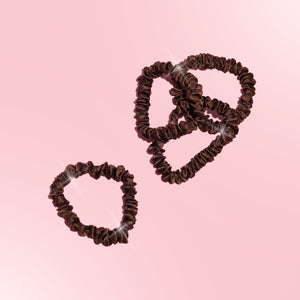
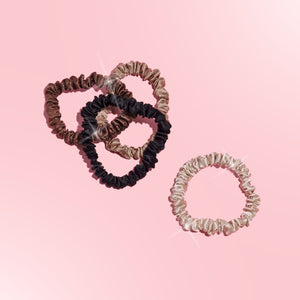
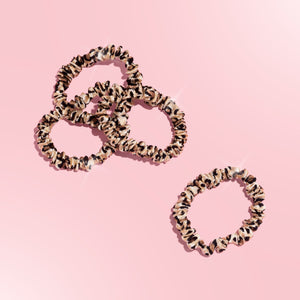
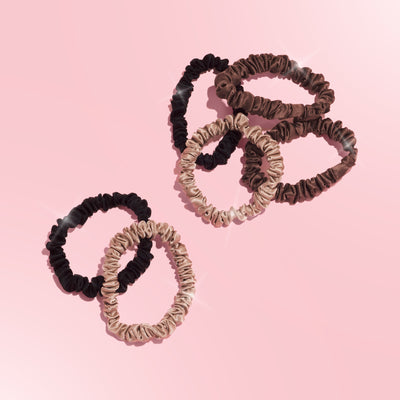
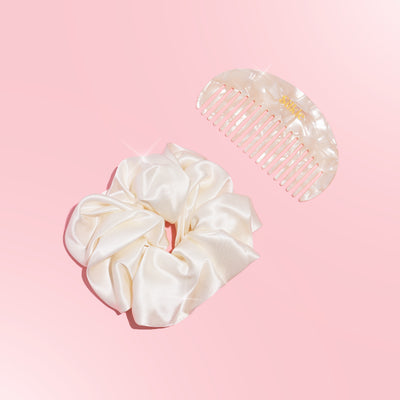
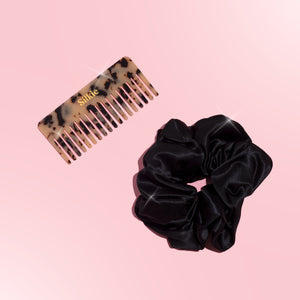
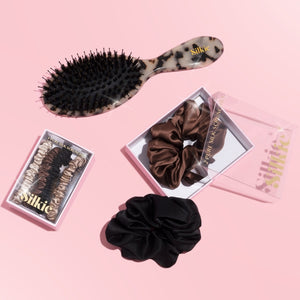
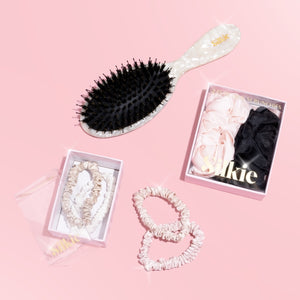
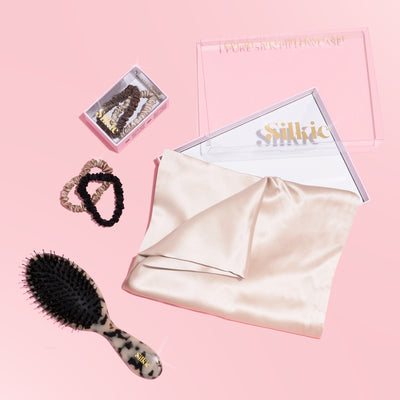
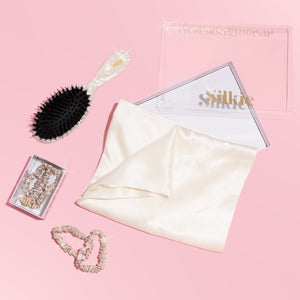
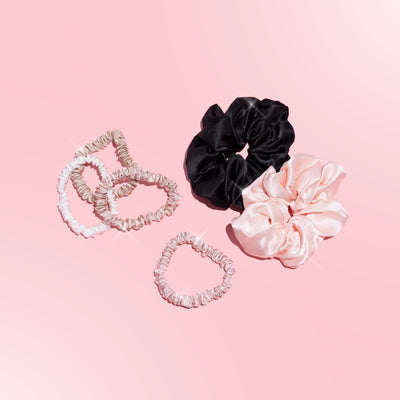
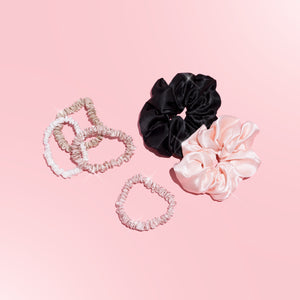
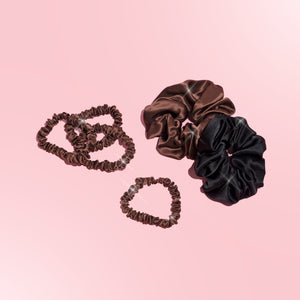
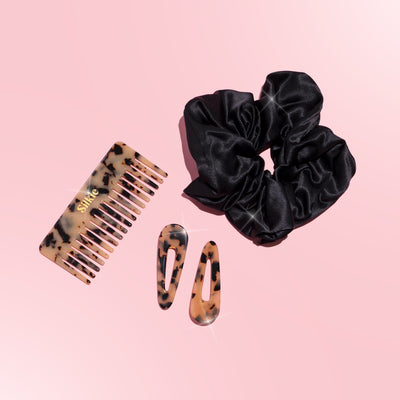
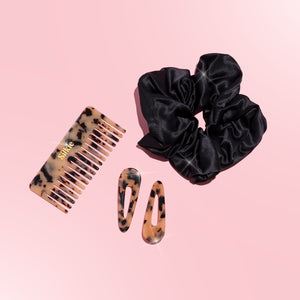
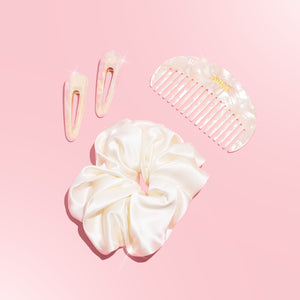
Silkie's silk scrunchies can help secure your hair while providing a softer alternative to traditional elastics.
Your Hair May Need Less Manipulation
When your hair behaves differently because of the weather, it can be tempting to style it more.
You might brush more frequently, add additional products, or use heat to recreate the finish you're used to.
But extra manipulation isn't always the answer.
Sometimes, accepting a little more natural texture can help you reduce unnecessary brushing and styling.
Adjust Your Detangling Routine
Seasonal changes can make hair more prone to tangling, especially when humidity, wind, or dryness affect its texture.
When detangling, take your time.
Start at the ends and gradually move upward toward the roots. Work in sections if necessary and never force your brush through a stubborn knot.
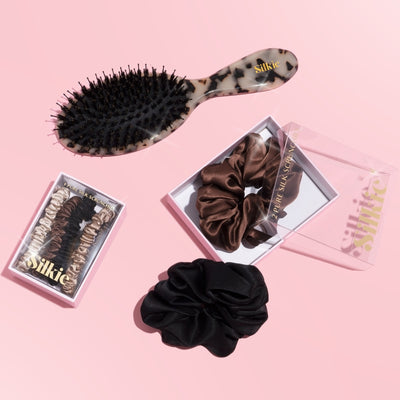
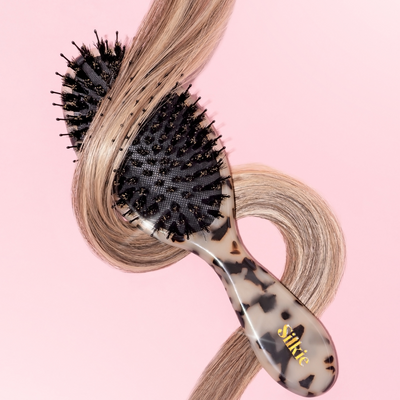
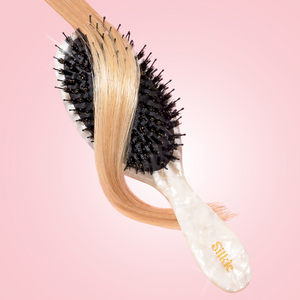
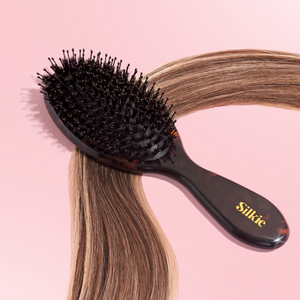
Silkie's hair brush can be used as part of a gentle everyday detangling routine.
Protect Your Hair From the Sun
Warmer seasons often mean more time outdoors.
Extended sun exposure can contribute to dryness and surface wear, particularly when combined with heat and other environmental factors.
When you're spending a lot of time outside, consider physical protection such as a hat or scarf.
Keeping your hair covered can be a simple addition to your seasonal routine.
Your Hair Accessories Matter Too
Changes in weather can make your hair more difficult to manage, which may lead you to rely more heavily on ponytails, buns, or other secured styles.
If you're wearing your hair up frequently, pay attention to how tight your hairstyle is.
Choose comfortable styles and avoid keeping your hair pulled tightly for long periods.
Silkie's silk scrunchies can help you create relaxed ponytails and buns while minimizing friction.
Don't Forget Your Nighttime Routine
Your hair doesn't stop experiencing friction when you come indoors.
While you sleep, your hair can rub against your pillow for several hours.
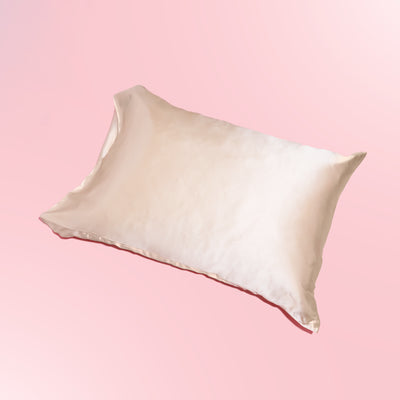
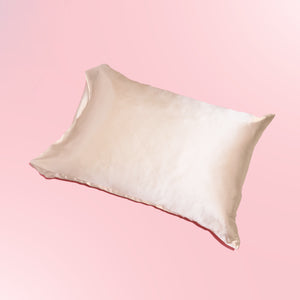
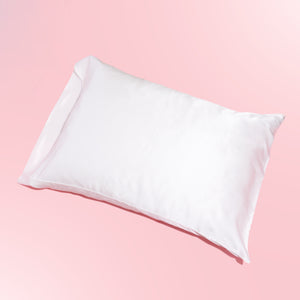
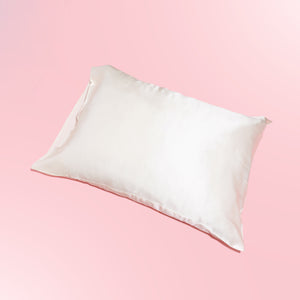
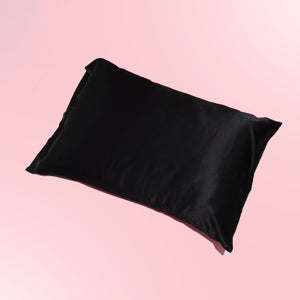
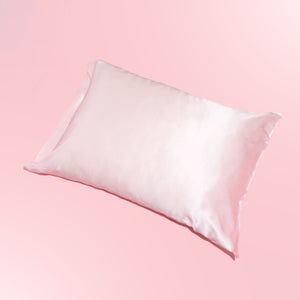
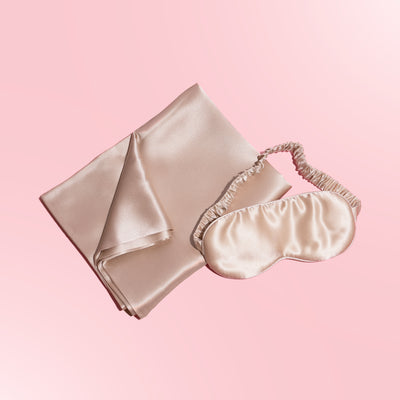
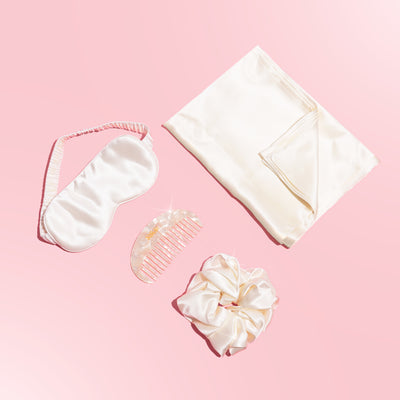
Silkie's mulberry silk pillowcases provide a smooth sleeping surface that helps reduce overnight friction.
This can be especially useful when seasonal weather has already made your hair more prone to frizz or tangling.
Your Routine Doesn't Need to Change Completely
Seasonal haircare doesn't mean having a completely different set of products for every few months.
Start with the routine that already works for you and make small adjustments based on what your hair needs.
For example:
During hotter weather: Focus on scalp cleansing and lightweight styling.
During humid weather: Reduce unnecessary brushing and work with your natural texture.
During drier periods: Pay more attention to conditioning and gentle detangling.
During windy weather: Use comfortable protective hairstyles.
During periods of increased sun exposure: Consider physical protection for your hair.
Pay Attention to Your Hair's Signals
Your hair can tell you when your routine needs adjusting.
If your roots suddenly feel oily, your ends feel rough, or your hair becomes more difficult to detangle, don't immediately assume you need an entirely new routine.
Look at what's changed around you.
Sometimes the simplest explanation is the environment.
Make Seasonal Haircare Simple With Silkie
Your hair doesn't need a complicated seasonal routine. Small changes to cleansing, conditioning, styling, detangling, and overnight care can help you adapt as the weather changes.
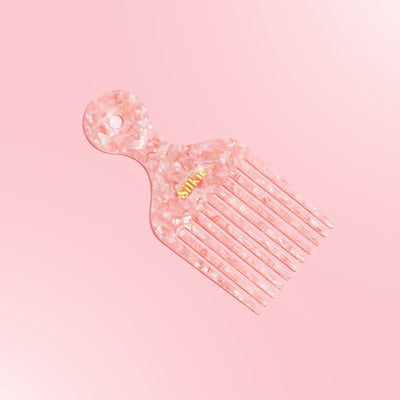
Silkie's collection of scalp massagers, hair brushes, silk scrunchies, texture picks, and mulberry silk pillowcases provides simple tools for building a gentler everyday routine.
Explore the full collection at www.shopsilkie.com and give your hair the extra care it needs as the seasons change.