

News
What Happens to Your Hair During 8 Hours of Sleep
Sleep is restorative for your body — but it can be stressful for your hair. During 7–8 hours of tossing and turning, friction, compression, and moisture loss quietly affect your...
What Happens to Your Hair During 8 Hours of Sleep
Sleep is restorative for your body — but it can be stressful for your hair. During 7–8 hours of tossing and turning, friction, compression, and moisture loss quietly affect your...
Why Hair Needs Rest Days From Tight Styles
Sleek ponytails, tight buns, and pulled-back styles may look polished, but wearing them too often can quietly weaken your hair. Just like your body needs rest after strain, your hair...
Why Hair Needs Rest Days From Tight Styles
Sleek ponytails, tight buns, and pulled-back styles may look polished, but wearing them too often can quietly weaken your hair. Just like your body needs rest after strain, your hair...
How Hair Porosity Affects Styling Tool Choices
Hair porosity determines how well your hair absorbs and retains moisture — but it also influences how your hair responds to styling tools. Understanding your porosity can help you choose...
How Hair Porosity Affects Styling Tool Choices
Hair porosity determines how well your hair absorbs and retains moisture — but it also influences how your hair responds to styling tools. Understanding your porosity can help you choose...
Understanding Mechanical Damage vs. Chemical Da...
Not all hair damage is the same. While chemical damage often gets the most attention, mechanical damage is just as common — and often more frequent. Understanding the difference helps...
Understanding Mechanical Damage vs. Chemical Da...
Not all hair damage is the same. While chemical damage often gets the most attention, mechanical damage is just as common — and often more frequent. Understanding the difference helps...
Why Hair Breaks at the Same Spot Repeatedly
If you’ve noticed short, uneven pieces in the same section of your hair, you’re not imagining it. Hair often breaks at the same spot repeatedly due to repeated tension, friction,...
Why Hair Breaks at the Same Spot Repeatedly
If you’ve noticed short, uneven pieces in the same section of your hair, you’re not imagining it. Hair often breaks at the same spot repeatedly due to repeated tension, friction,...
The Science Behind Cuticle Protection and Fabri...
Healthy hair starts at the cuticle. While products promise shine and repair, one overlooked factor plays a major role in cuticle health: fabric choice. The materials your hair touches daily...
The Science Behind Cuticle Protection and Fabri...
Healthy hair starts at the cuticle. While products promise shine and repair, one overlooked factor plays a major role in cuticle health: fabric choice. The materials your hair touches daily...
What Happens to Your Hair During 8 Hours of Sleep
Sleep is restorative for your body — but it can be stressful for your hair. During 7–8 hours of tossing and turning, friction, compression, and moisture loss quietly affect your strands. Understanding what happens overnight can help you protect your hair long-term.
1. Friction Repeats Hundreds of Times
As you move during sleep, your hair rubs repeatedly against your pillow. This creates continuous micro-friction that can:
-
Lift the cuticle
-
Cause tangles
-
Lead to breakage
-
Increase frizz
Over time, this repeated surface stress weakens strands — especially if you sleep on rough or absorbent fabrics.
2. Moisture Gradually Escapes
Hair naturally loses moisture overnight. If it rests against absorbent materials, even more hydration can be pulled away.
This can result in:
-
Dry ends
-
Rough texture
-
Increased static
-
Reduced elasticity
Moisture balance is especially important for curly, coily, and high-porosity hair types.
3. Tension Builds at Pressure Points
If you sleep in tight hairstyles or always rest on one side, certain areas experience concentrated stress.
Common vulnerable areas include:
-
The crown
-
The nape
-
The hairline
-
One side of the head
Repeated pressure in the same spot can lead to localized breakage.
4. Tangling Happens Gradually
As hair shifts overnight, strands wrap and interlock. Without a smooth surface to glide on, tangles form more easily.
Morning detangling then requires:
-
More brushing
-
More pulling
-
Greater mechanical stress
Which compounds the damage from the night before.
How Silk Changes the Overnight Environment
Silk creates a low-friction sleep surface that allows hair to glide instead of catch. Benefits include:
-
Reduced cuticle disruption
-
Less moisture loss
-
Fewer tangles
-
Smoother morning texture
Because silk is naturally smooth, it minimizes resistance during movement.
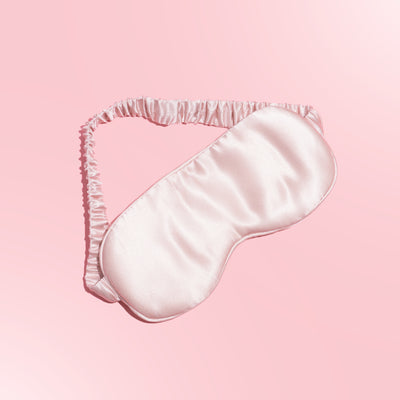
Silk Sleep Essentials That Protect Hair
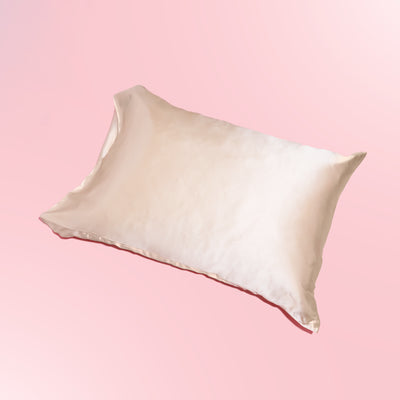
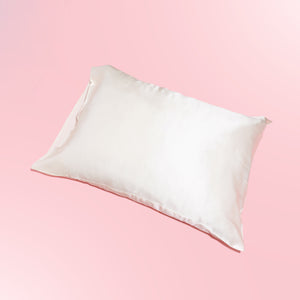
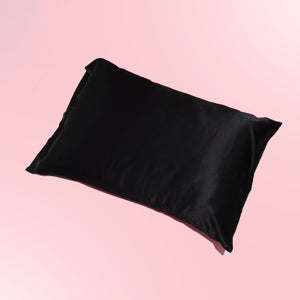
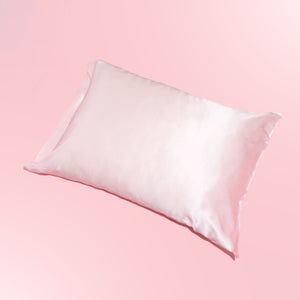
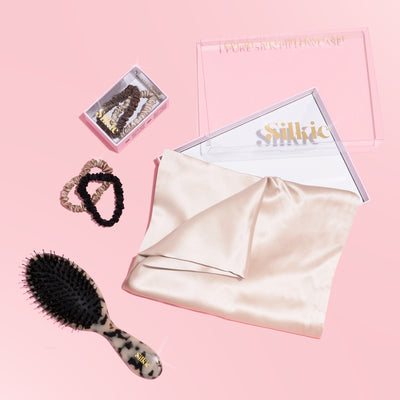
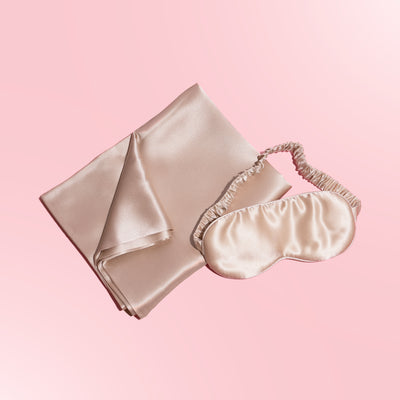
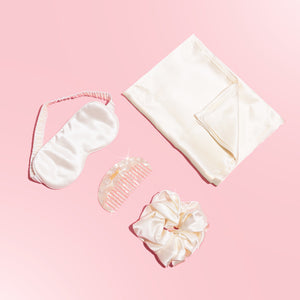
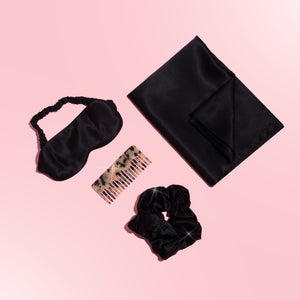
Silk Pillowcases
-
Reduce friction throughout the night
-
Help preserve natural oils
-
Support smoother, shinier hair by morning
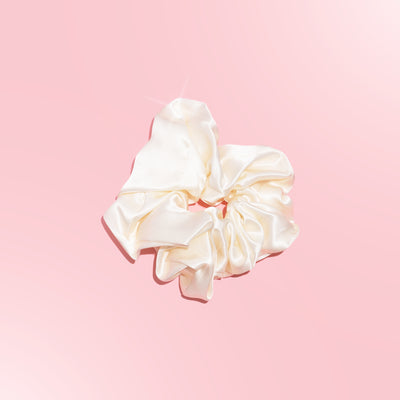
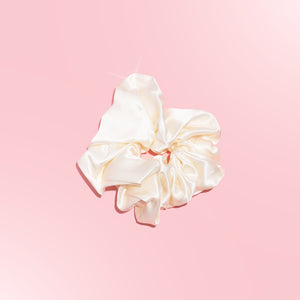
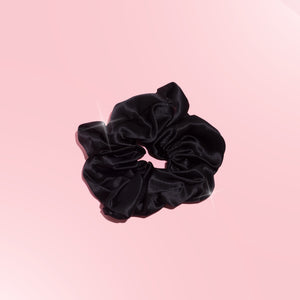
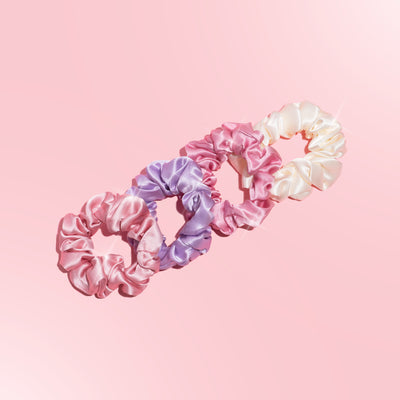
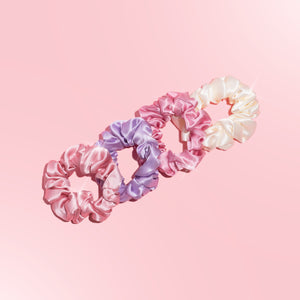
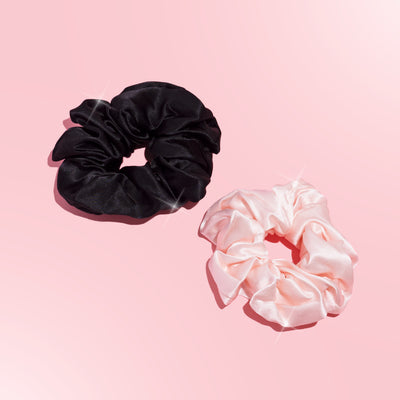
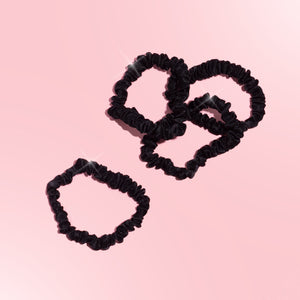
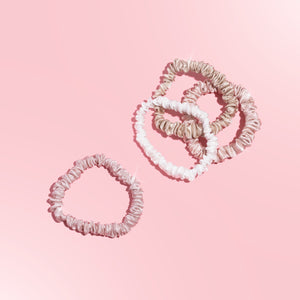
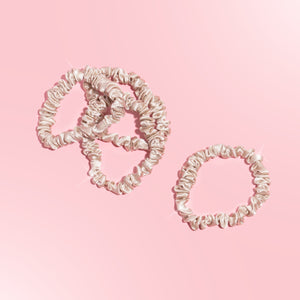
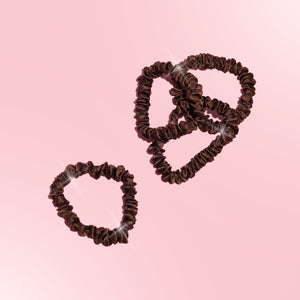
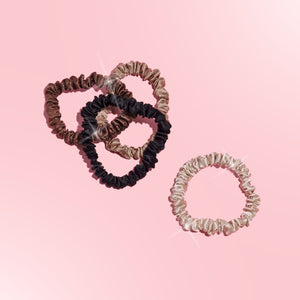
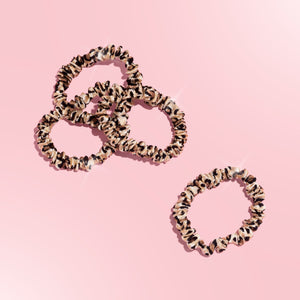
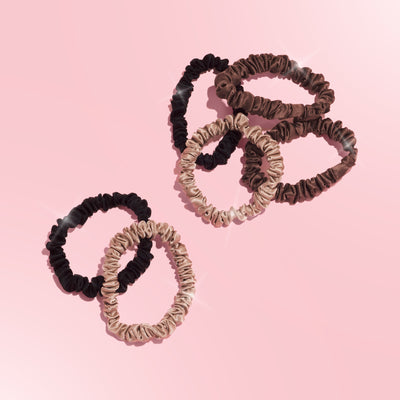
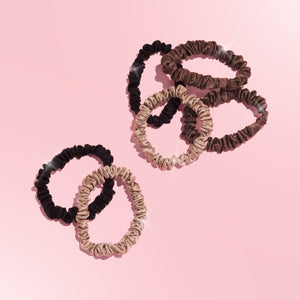
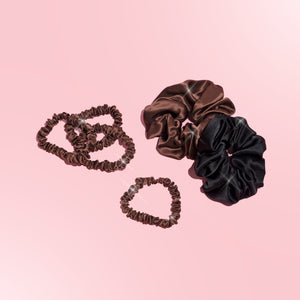
Silk Scrunchies
-
Hold loose styles without tension
-
Prevent snapping during sleep
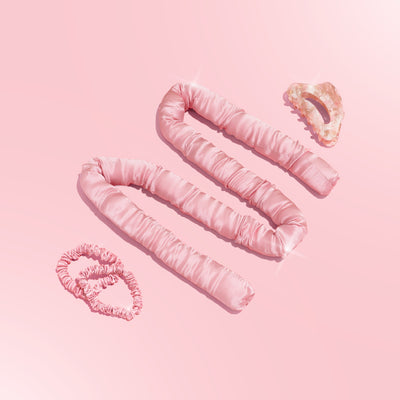
Silk Sleep Curling Sets
-
Shape hair gently without heat
-
Reduce stress compared to tight rollers or elastics
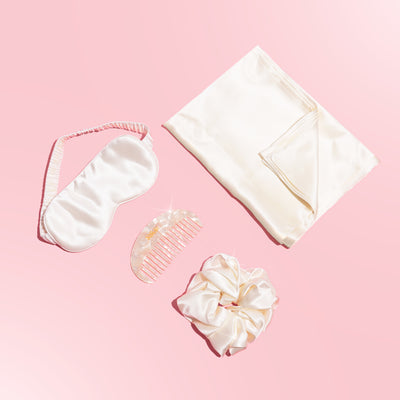
A complete silk sleep setup creates a protective environment for overnight recovery.
Supporting Your Hair Before Bed
A simple nighttime routine enhances protection:
-
Gently detangle using a boar bristle brush or texture pick
-
Secure hair loosely with a silk scrunchie
-
Sleep on a silk pillowcase
-
Avoid tight styles that create pressure
Small steps dramatically reduce cumulative stress.
How Silkie Supports Overnight Hair Health
Silkie designs silk pillowcases, scrunchies, and sleep sets to minimize friction and tension during rest. Paired with gentle brushes and scalp tools, they help turn sleep into a recovery period rather than a damage cycle.
Sleep Should Restore — Not Stress — Your Hair
Eight hours of repeated friction can either weaken or protect your hair depending on your setup. By choosing silk and reducing tension, you allow your hair to rest, recover, and retain its natural strength overnight.
Explore Silkie silk pillowcases, scrunchies, and sleep essentials at www.shopsilkie.com.